Kyiv faces repeated, evolving Russian air attacks that combine Shahed-style drones, ballistic missiles and faster new drones, turning the sky into a frontline. Air-defence crews constantly adapt to changing flight profiles while energy repair teams race to restore power—but can only work when security allows. Households are preparing for winter outages with generators, batteries, solar equipment and preserved food. The resilience of defences and the speed of repairs will determine whether cities can keep lights on and children in school.
The War in the Sky: Kyiv Prepares for a Harsh Winter of Drone and Missile Strikes
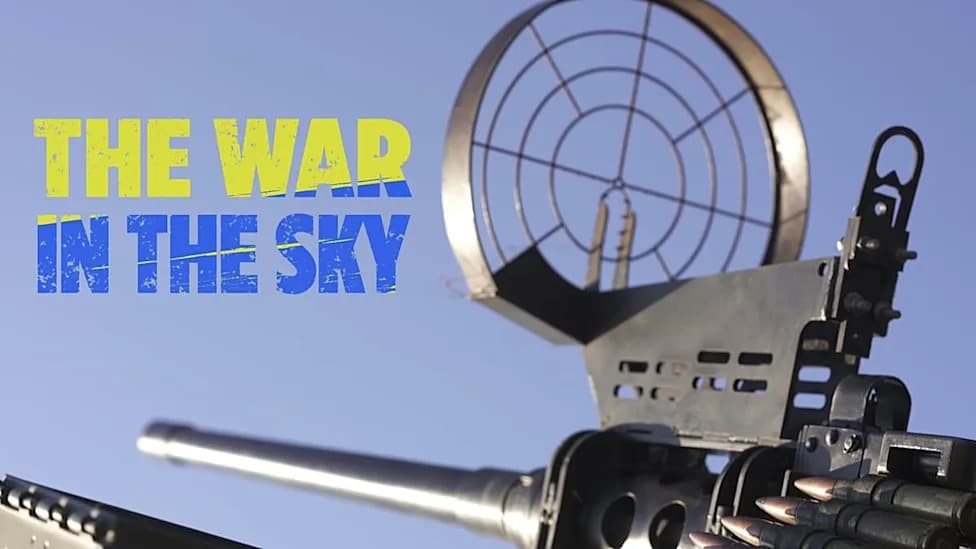
The War in the Sky: Kyiv braces for another winter of Russian attacks
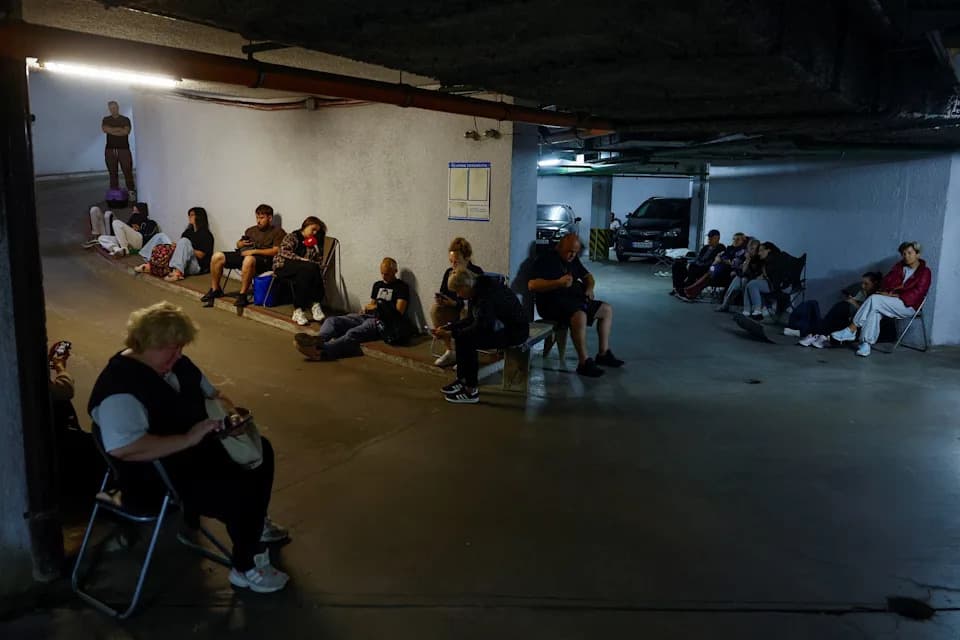
For years Ukrainians have endured a war fought not only on front lines but overhead. In Kyiv, the sky has become a second battlefield: air-raid warnings, the crackle of air-defence fire and the thud of explosions now punctuate daily life.
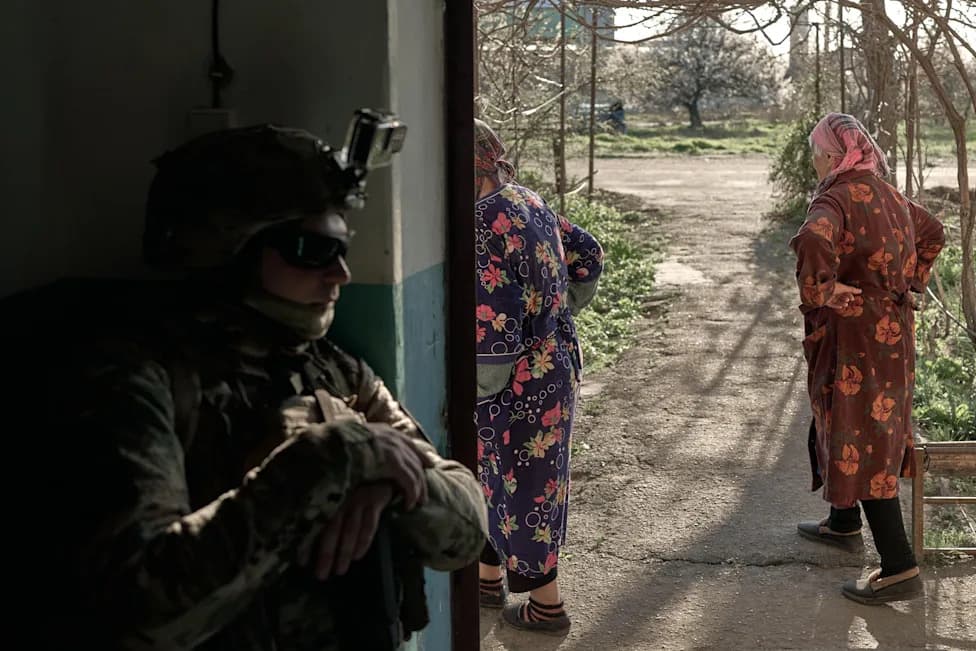
At an anti-aircraft position protecting the capital, crews begin work long before any threat appears. Soldiers ready systems, monitor sensors and scan multiple channels for targets that arrive at vastly different speeds and from shifting directions.
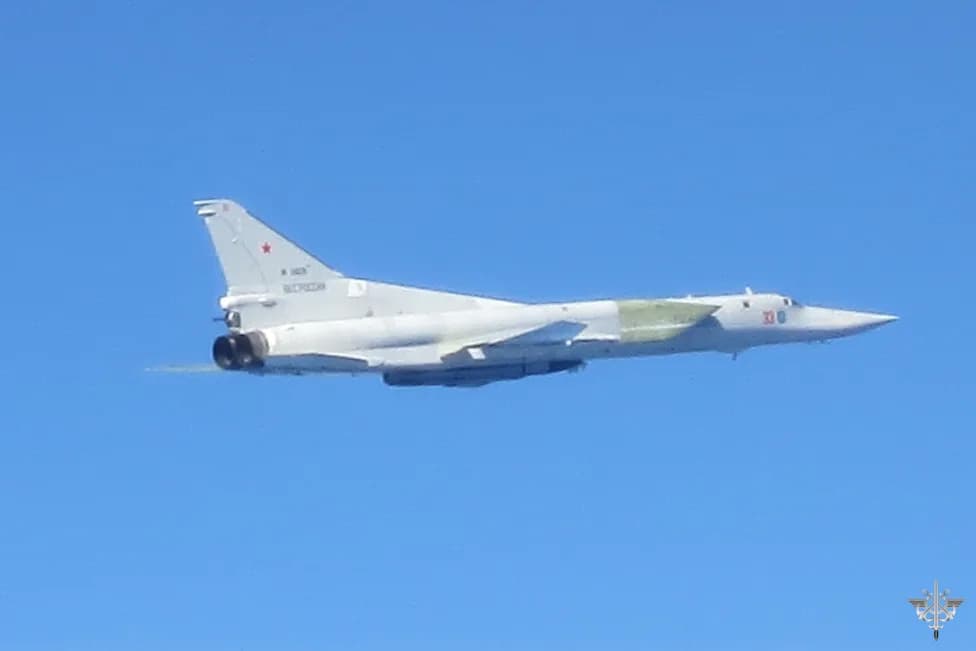
The challenge is no longer merely how many weapons Russia can launch. Attacks increasingly combine dangers: massed Shahed-style attack drones, ballistic missiles that leave defenders little time to react, and newer, faster unmanned systems that complicate interception.
Flight paths change. Timetables shift. Weapons approach from unexpected bearings. The goal is simple: find gaps and overwhelm the layered defences built around the city. For Kyiv's air-defence crews, this has become a fast-moving technological contest—each side adapting to the other's innovations.
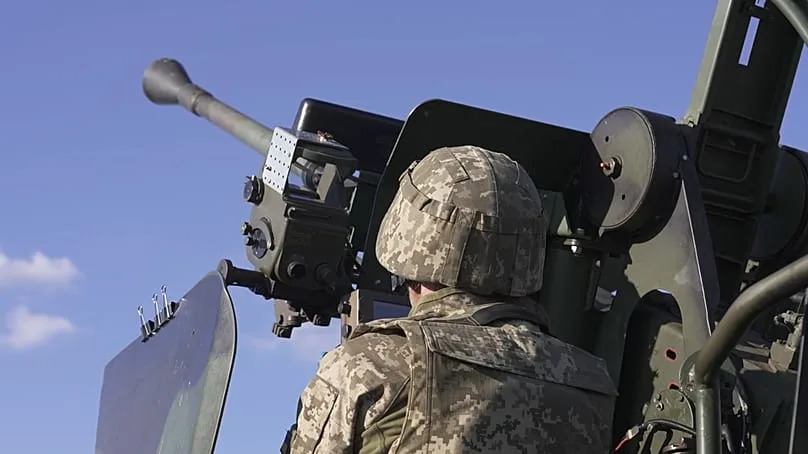
Air defence troops in Kyiv region, Ukraine, 29 September 2026 - Euronews
“The past few weeks have seen constant attacks on Kyiv, its suburbs, the city centre, the Kyiv region and the Chernihiv region,” says Pavlo Tsugunov, an anti-aircraft battery commander. “In other words, on the homes where our loved ones live.”
“This tactic is most likely intended to intimidate the civilian population,” he adds. “Failing to make headway on the front line, they seek to erode public support for the army and force concessions.”
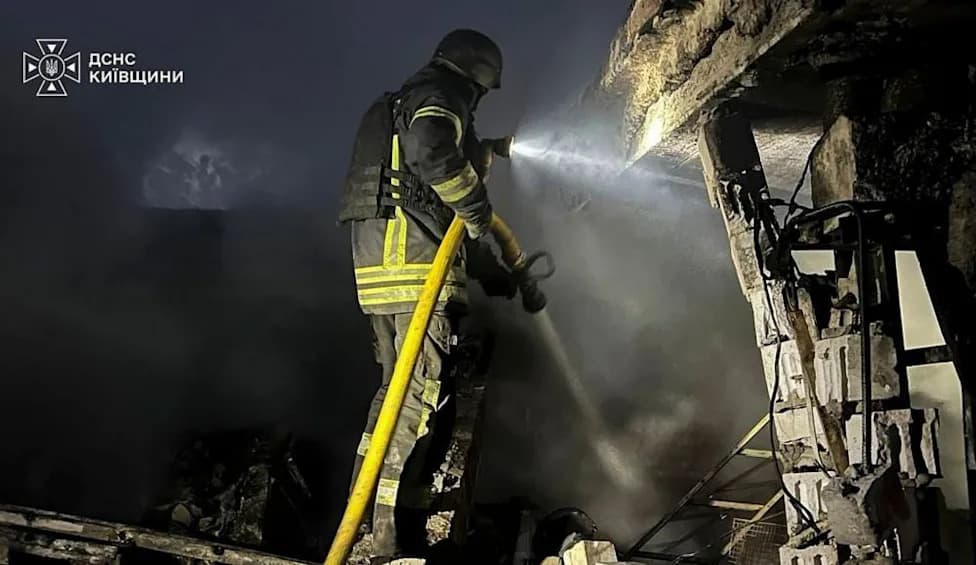
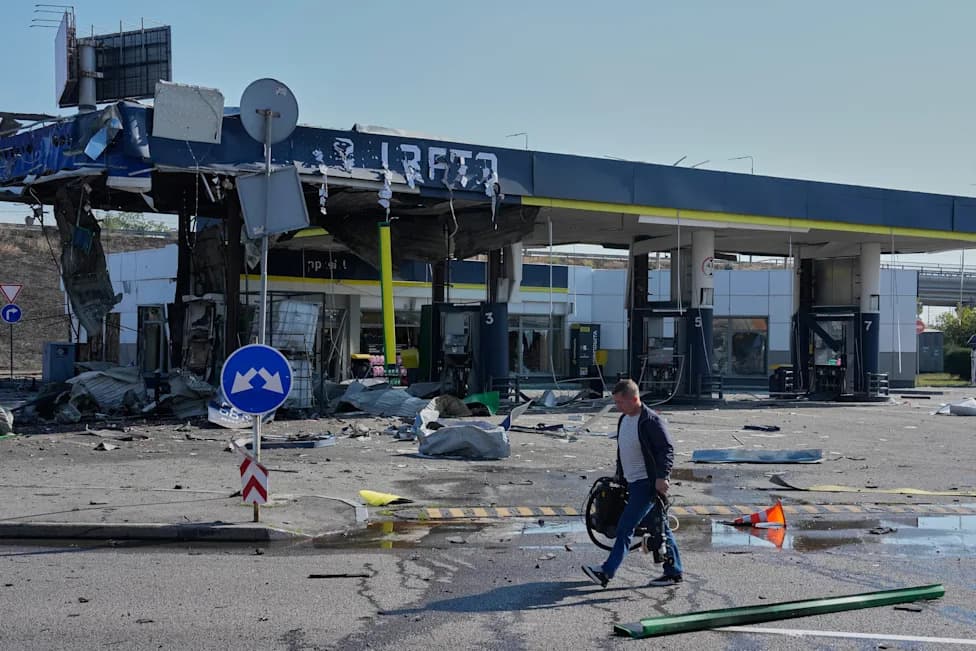
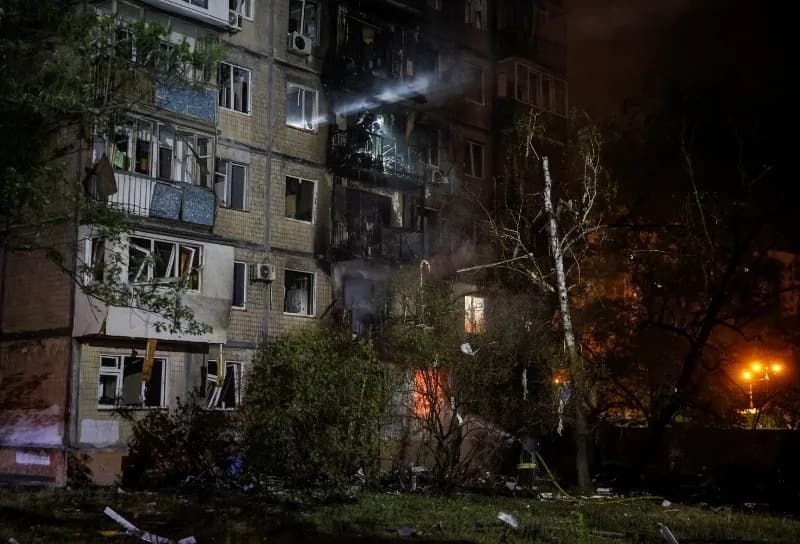
When a weapon penetrates the defensive umbrella, a second race begins on the ground: repair teams racing to restore power and services while the threat of further strikes remains. One of Moscow's main objectives continues to be Ukraine's energy infrastructure.
At a damaged electrical facility in the Kyiv region, teams from DTEK Kyiv Regional Grids work to restore the network. Crews can only enter sites once the military and emergency services clear them. Repeated air-raid alerts routinely delay repairs and endanger personnel.
“People are asking us to turn the lights on, but we can't because the alarms go off constantly—every day, all day,” says Serhii, a repair technician, as explosions are heard nearby. “Let's move a bit further away from the site, because you can hear what's going on.”
DTEK says its teams have restored electricity to more than 700,000 homes in the region after strikes. Since the start of the year they report repairing over 1,200 kilometres of power lines and upgrading more than 400 energy facilities. The company has also stockpiled spare equipment, strengthened protection around key sites and trained emergency crews to deploy quickly.
“I very much hope our air-defence systems will shoot down the vast majority of incoming weapons,” says Oleksii, head of high-voltage network operations at DTEK Kyiv Regional Grids. “After that, it is up to us to repair whatever has been damaged.”
But preparation has limits. No electricity network can be made fully invulnerable to missiles and massed drones. Behind pylons and substations lie millions of everyday routines—lighting, heating, communications—that depend on power.
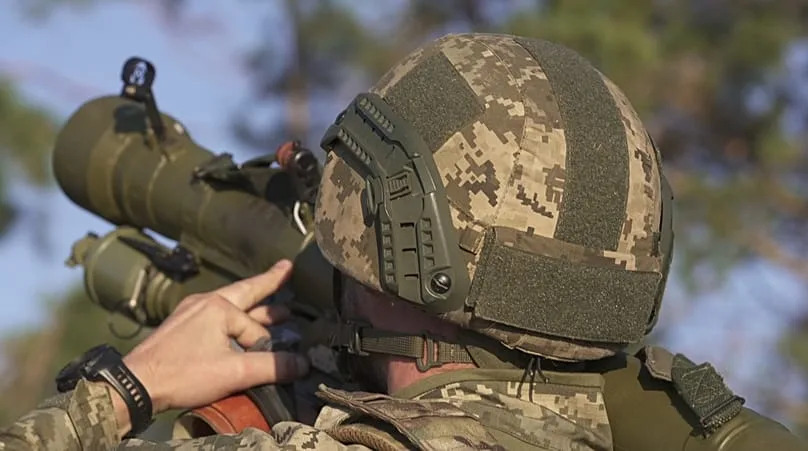
Air defence troops in Kyiv region, Ukraine, 29 September 2026 - Euronews
Households are adjusting their winters accordingly. People are preserving food, buying power banks and generators, installing inverters and solar panels, and learning practical skills like food preservation. These measures—once exceptional—have become ordinary preparations for war-time winters.
Residents describe difficult choices and new anxieties. Anna, who fled Luhansk in 2014 and stayed in Kyiv during the 2022 invasion to care for elderly parents, says last winter has made her consider leaving Ukraine if conditions worsen: “If the situation gets really dire, I'll go. I'm worried about my child.”
For children, war is already normalised. Maryna says she keeps her phone volume high to identify alarm types and react in seconds. Her nine-year-old daughter Emma describes air-defence interceptions in a child's words: “Like popcorn.”
As another winter approaches, the interplay between what happens in the sky and life on the ground will shape civilian resilience: whether homes stay warm, lights remain on, children can stay in school and routines can continue. Ukraine has learned to adapt—and so has Russia. For millions the question is stark: when the next missile or drone arrives, will there still be something there to stop it?
Help us improve.