BWXT has installed the reactor core for Project Pele at its Lynchburg Innovation Campus, marking a major step from design to assembly for a mobile military microreactor. The containerized system is designed to provide about 1.5 MW of continuous ('always on') power using TRISO fuel and will be shipped to Idaho National Laboratory next year for fueling, testing and a three-year demonstration. Lessons from Pele will help inform the related Janus/BANR effort at Fort Campbell.
Inside Project Pele: BWXT Moves Mobile Microreactor From Paper to Prototype
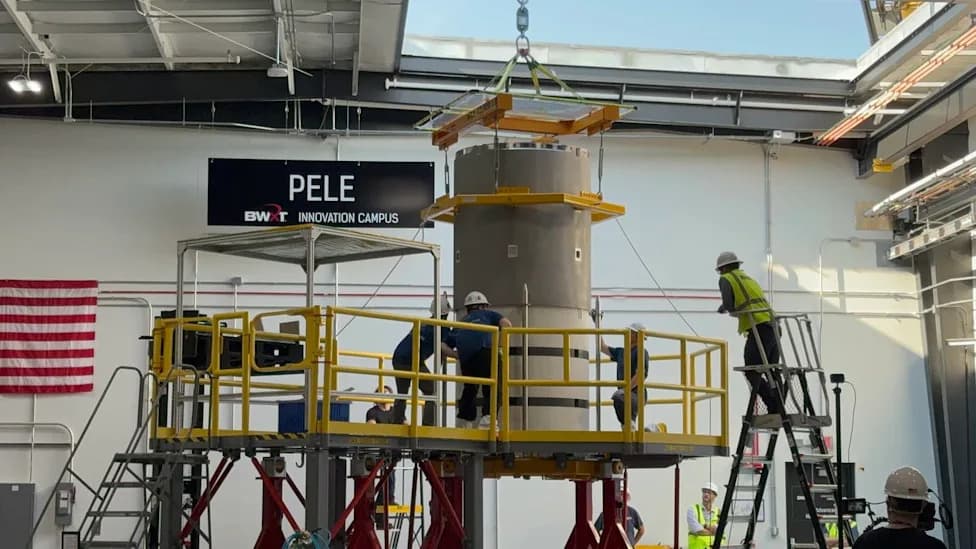
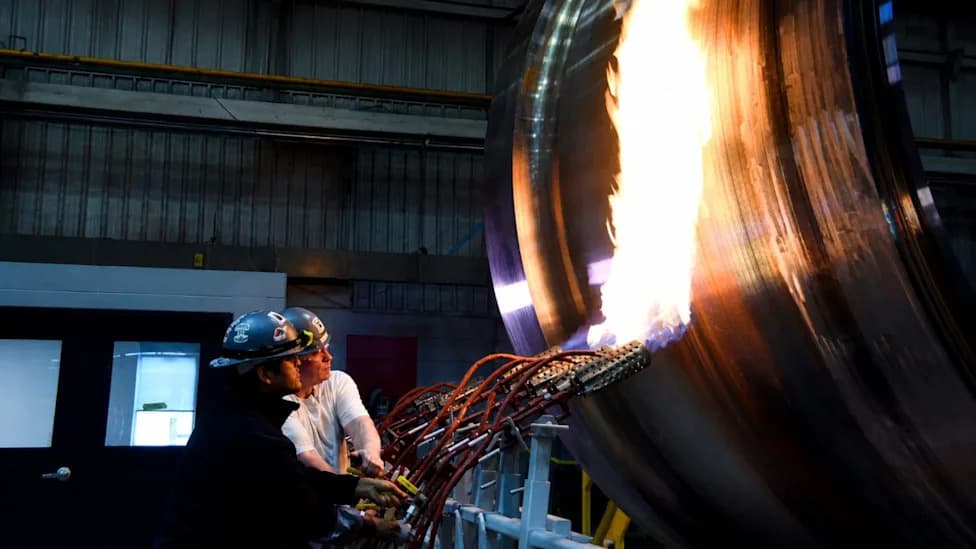
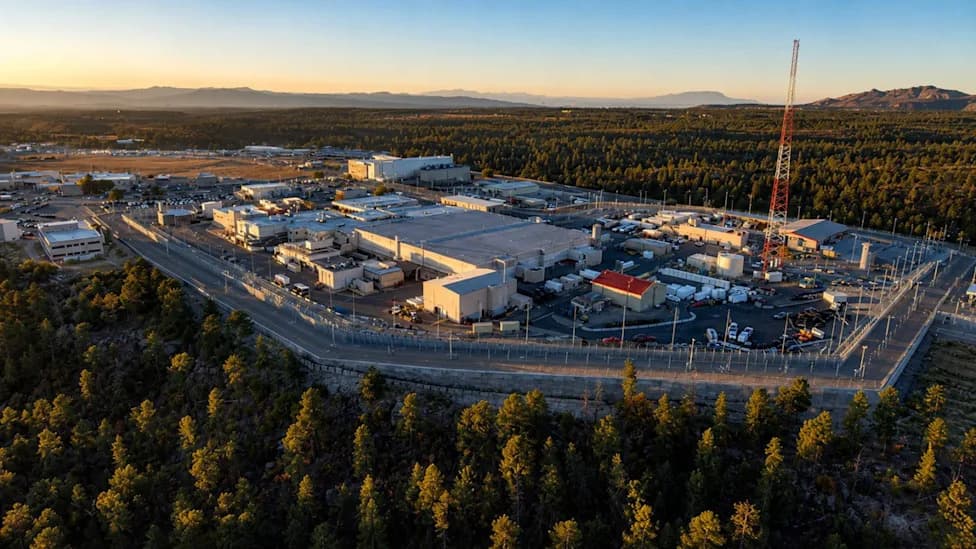
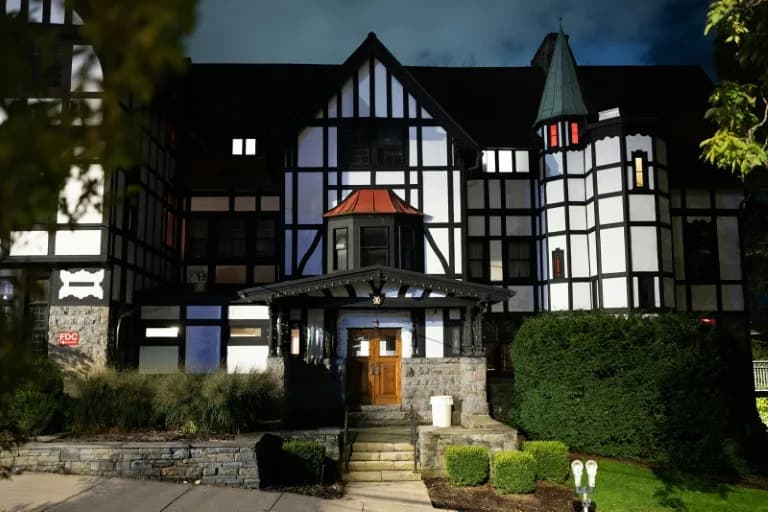
Project Pele progress in Lynchburg, Virginia. Photo: Courtesy of BWXT
LYNCHBURG, VIRGINIA — The assembly hall at BWXT's Innovation Campus was unusually still. At the far end of the room, raised off the floor and wrapped in protective sheeting, the reactor core rested like a carefully preserved centerpiece — the first visible sign that Project Pele has moved from design drawings into tangible assembly.
Only weeks earlier, crews lowered the core barrel through a roof hatch, marking a major milestone for the Defense Department-backed effort to develop a containerized microreactor for forward military use. Charles Graves, director of government microreactors at BWXT, told Axios, 'We are, truly, into the fabrication and assembly cycle. There is a huge difference between looking at a paper reactor and getting to a point like this.'
Program Overview
BWXT was selected in 2022 by the Defense Department's Strategic Capabilities Office to design, build and deploy a mobile microreactor capable of supplying electricity to troops and equipment in remote or austere locations. Much of the work is concentrated at BWXT's secured facility along the James River, roughly three hours southwest of Washington, D.C. Key partners include Northrop Grumman, Rolls-Royce LibertyWorks and Torch Technologies.
Next Steps
The completed unit is scheduled to ship next year to Idaho National Laboratory, where it will be fueled, tested and operated in a demonstration program for three years under laboratory oversight. Ground for the Lynchburg site was broken in 2024, and BWXT officials say construction and assembly are progressing well.
Why It Matters
Modern military operations rely heavily on diesel generators for power, creating logistical burdens and battlefield risks: repeated resupply convoys are vulnerable to attack and generator noise can reveal unit positions. A compact, containerized reactor could reduce fuel resupply needs and provide continuous, low-signature power in forward areas.
"The problem for Pele that we are trying to solve is: produce as much power as you can out of a module that can still fit within that shipping container constraint," Kate Kelly, president of BWXT Advanced Technologies, told Axios. "The gravity of the mission that we are all supporting is quite significant. The industry can't afford a mishap. We need to be successful."
Technical Details
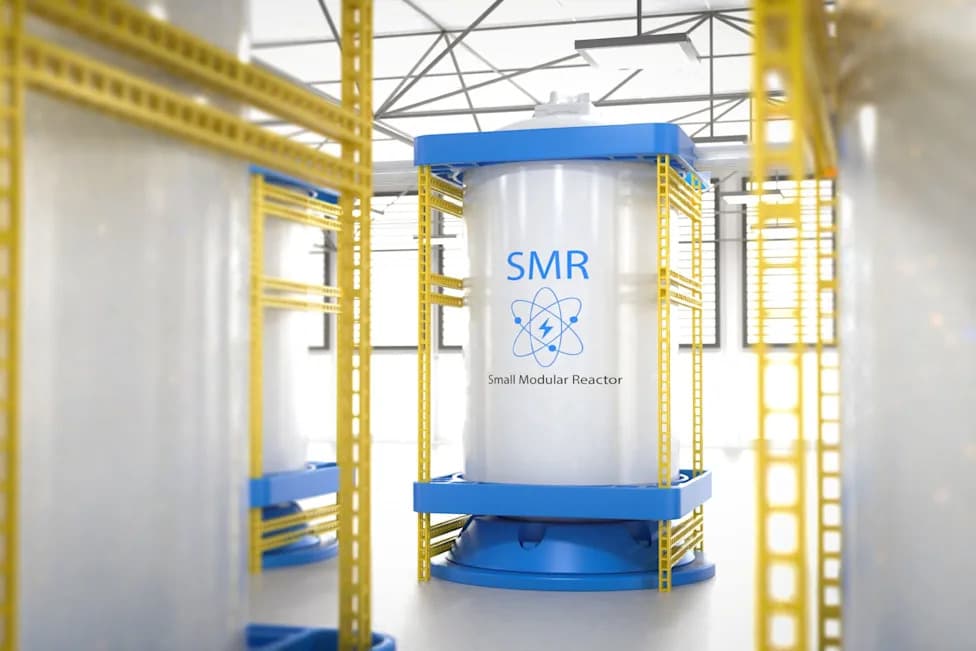
Pele — named after the Hawaiian goddess of volcanoes and fire — is designed to deliver about 1.5 megawatts of continuous, or 'always on,' electrical power. It will use tri-structural isotropic (TRISO) fuel, a robust particulate fuel form that BWXT manufactures and has supplied to other developers. The design emphasizes transportability: the reactor and its support equipment are intended to fit within standardized shipping containers for rapid deployment.
Broader Implications
Interest in advanced nuclear technologies is growing across government and private sectors, from the White House and Pentagon to venture-backed startups. Lessons learned from Pele are already informing another program, Janus: under that arrangement BWXT is expected to build and operate a high-temperature, gas-cooled BANR reactor at Fort Campbell, Kentucky.
BWXT's onsite progress — from core installation to mockups that streamline assembly — signals that the microreactor concept is advancing from blueprint to demonstration. Regulators, national labs and military stakeholders will continue to oversee testing, safety assessments and operational evaluations as the project moves to Idaho for its demonstration phase.
What To Watch: shipment to Idaho National Laboratory next year for fueling and a three-year demonstration; continued development of Janus/BANR at Fort Campbell; and regulatory and operational results from the Pele demonstration that could shape future military and civilian microreactor deployments.
Help us improve.