On September 29, 2026, the U.S. Nuclear Regulatory Commission (NRC) granted the Tennessee Valley Authority (TVA) a construction permit for a GE Vernova Hitachi BWRX-300 small modular reactor at TVA's Clinch River site in Roane County, near Oak Ridge, Tennessee. The NRC framed the action as clearing the way for "the nation's first commercial small modular reactor," but the permit authorizes construction only — not fuel loading or electricity generation.
What the Permit Means
This is a construction permit, not an operating license. TVA must secure a separate operating license from the NRC before the reactor can be fueled or begin generating power. The NRC completed its safety review in 14 months, four months ahead of its planned schedule, closing a major regulatory milestone but not the final one.
Status, Scope and Uncertainties
- No construction start date has been announced.
- TVA has not disclosed a final project cost.
- TVA is evaluating up to four BWRX-300 units at Clinch River; the current permit covers only the first reactor.
TVA interim president Mike Skaggs called the NRC approval "foundational for America's nuclear future," according to reporting in The New York Times. A TVA primary-source transcript was not available in the sourced materials.
Technical Snapshot
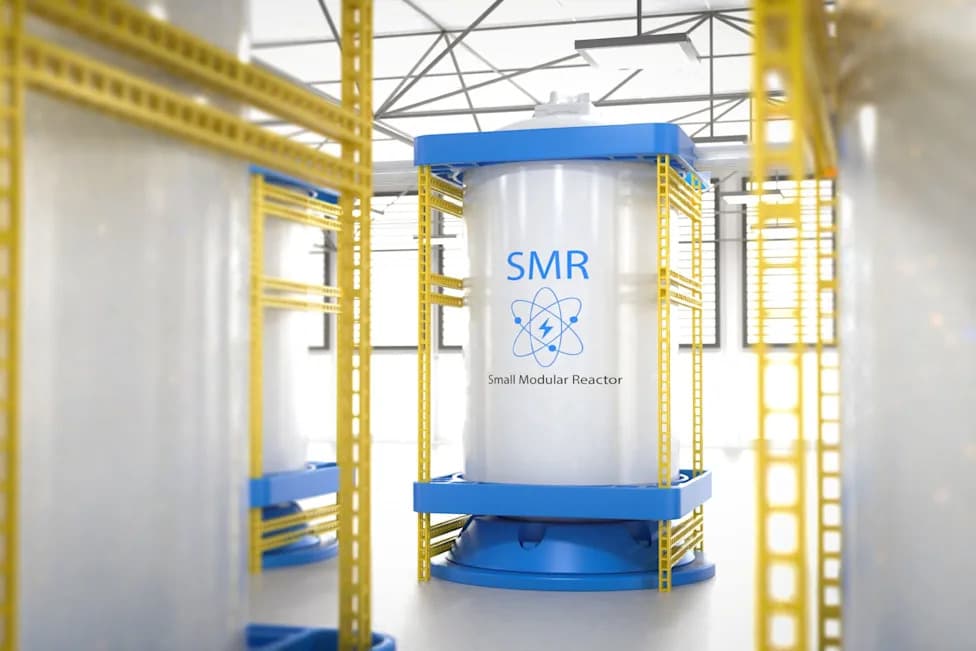
The BWRX-300 is a 300-megawatt electrical boiling-water reactor that builds on decades of BWR experience. Key features include:
- Output: 300 MW — roughly one-quarter of the capacity of each of the newest reactors at the Vogtle site.
- Design Heritage: Boiling-water reactor technology refined over decades of commercial use.
- Safety: Passive safety systems that rely on gravity, pressure differentials and stored water rather than active pumps.
- Cooling: Natural-circulation cooling to reduce dependence on powered backup equipment.
Why Data Centers and Utilities Are Watching
Many AI and hyperscale data centers need continuous, firm electricity. Solar and wind output are variable and typically require storage or backup generation to deliver the same reliability. Nuclear plants can provide steady baseload output, so SMRs like the BWRX-300 are being evaluated as potential on-demand, weather-independent sources of firm capacity.
Commercial Rationale and Risks
The industry's bet is on repetition and standardization: if TVA and partners such as Ontario Power Generation (which plans the same design at Darlington, Canada) develop a repeatable construction playbook, costs and lead times could fall for later units. That promise is largely unproven in the U.S. commercial context.
The cautionary example is Georgia's Vogtle expansion, whose two newest reactors cost roughly $35 billion combined and were delivered years late. SMR proponents argue that smaller, factory-friendly units could avoid those pitfalls — Clinch River will be an early real-world test of that claim.
Related Projects
Blue Energy has proposed pairing up to five BWRX-300 reactors with GE Vernova gas turbines to serve a Texas data-center campus directly, targeting a final investment decision in 2027. If built, five units would produce about 1,500 MW — comparable to a large conventional plant.
Bottom Line
The Clinch River construction permit is a regulatory first for this design in the U.S. but does not guarantee a timely, cost-effective project. The most consequential outcomes will be TVA's ability to complete construction, secure an operating license, and establish credible cost and schedule benchmarks. Those results will influence how utilities and data-center operators evaluate SMR investments for years to come.