GENEROUS ties Medicaid net prices for many brand-name drugs to an international benchmark and could generate about $64.3 billion in federal and state savings over 10 years. The model is voluntary, covers brand-name drugs (not generics), and launched in January 2026. It will not generally lower most Medicaid enrollees’ copays because federal law already caps those amounts at nominal levels; instead, separate 2027 work requirements and six-month renewals are likely to have a larger impact on coverage and patient costs. Enrollees should keep contact details current, document exemptions, and ask prescribers for formulary exceptions when needed.
GENEROUS Explained: What Medicaid’s New Drug Payment Model Means for Your Prescriptions

What Medicaid’s New Payment Model Means For Your Prescriptions
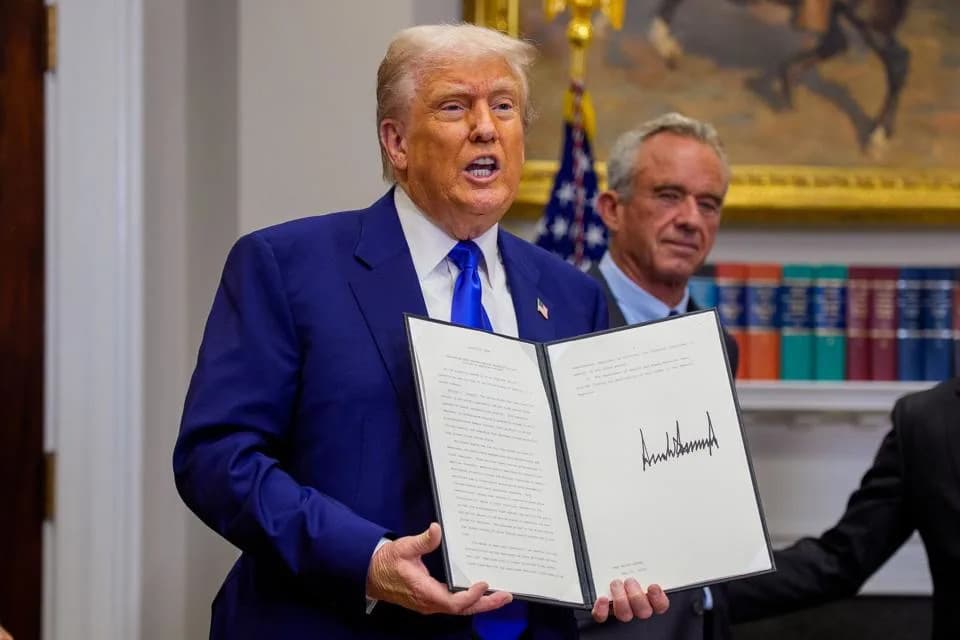
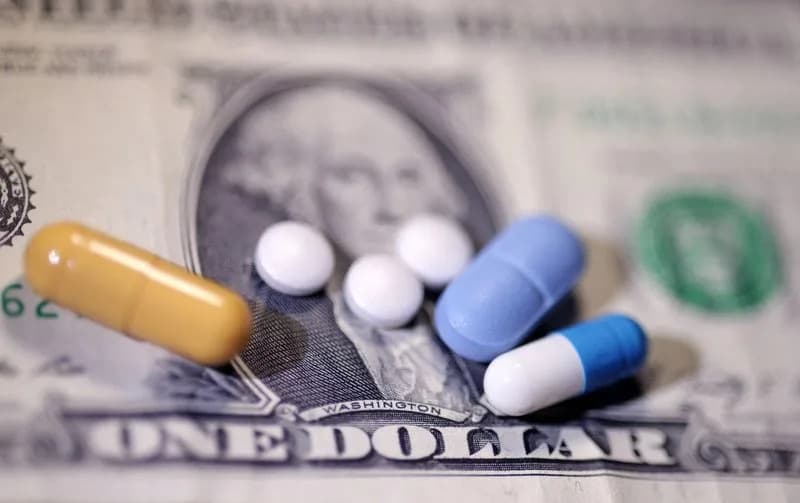
A new federal payment model called GENEROUS (GENErating cost Reductions fOr U.S. Medicaid) aims to lower what government programs pay for many brand-name drugs by benchmarking Medicaid net prices to lower prices in other wealthy countries. Although the administration projects about $64.3 billion in federal and state savings over 10 years, the program is unlikely to reduce most Medicaid enrollees’ out-of-pocket prescription costs because federal law already caps those amounts.
How GENEROUS Works
GENEROUS requires participating manufacturers to pay additional rebates so that Medicaid’s net price for covered brand-name drugs aligns with an international benchmark. CMS bases the benchmark on prices in eight countries — the United Kingdom, France, Germany, Italy, Canada, Japan, Denmark and Switzerland — and uses the second-lowest net price among them after adjusting for national income differences. The model launched in January 2026, is voluntary for both states and manufacturers, covers brand-name drugs (not generics), and is scheduled to run for five years.
Americans should pay the same low prices for prescription drugs that other countries pay. — HHS Secretary Robert F. Kennedy Jr.
Who Has Joined
On Sept. 18, 2026, CMS reported that all 50 states plus Washington, D.C., and Puerto Rico applied to participate; 40 states and Puerto Rico had signed participation agreements at that time. Participation choices by states and manufacturers — and which drugs are included — will shape how much governments actually save.
Why Patients’ Copays Won’t Change Much
Federal Medicaid rules already limit prescription copays to small, nominal amounts for most enrollees. Typical limits are about $4 for preferred drugs and $8 for non-preferred drugs for people at or below the poverty line; many states charge nothing. Total out-of-pocket spending for a Medicaid household is also capped at 5% of household income. Because these protections are set by law, GENEROUS’s rebates save state and federal budgets but generally do not lower what patients pay at the pharmacy.
Other Important Program Details
- GENEROUS is layered on top of the existing Medicaid Drug Rebate Program, which already delivers large discounts (KFF estimates an average 53% reduction in gross Medicaid drug spending from FY2019–2024).
- Savings depend heavily on existing rebate levels for each drug. Older medicines with large rebates may leave little room for additional savings, while newer drugs with smaller rebates offer more potential.
- KFF reported that participating manufacturers received a three-year reprieve from certain tariffs as part of some pricing agreements.
- CMS and manufacturers will negotiate uniform coverage rules — including prior authorization and step therapy — that could be broader or more restrictive than current state rules.
Policy Changes That Will Affect Patients More
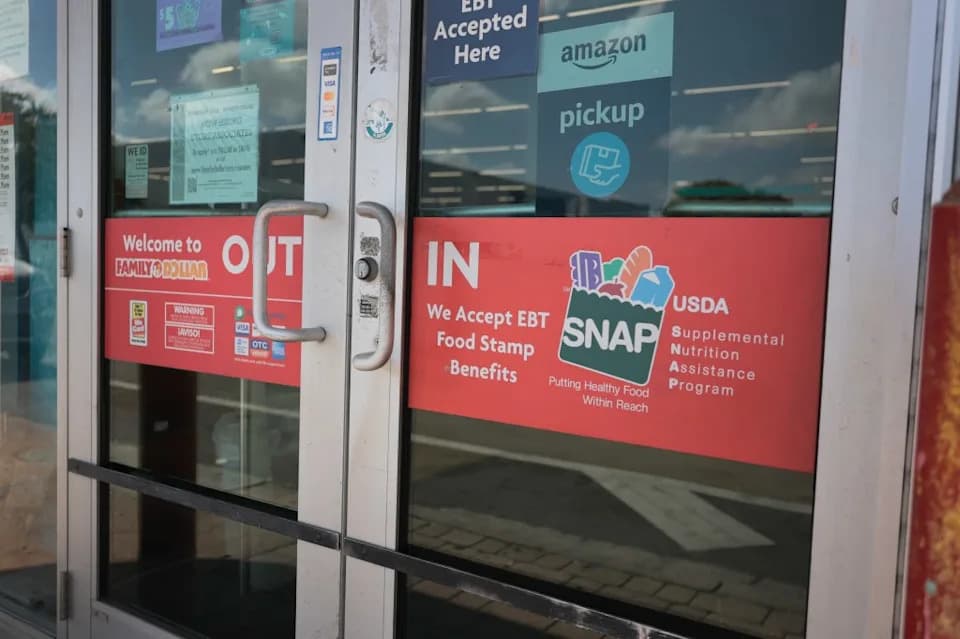
Separate from GENEROUS, the 2025 federal reconciliation law imposes new conditions for adults in Medicaid expansion groups. Beginning Jan. 1, 2027, adults ages 19–64 in the expansion group must document 80 hours per month of work, school, job training, or community service — or qualify for an exemption — and renewals for that group will move from annual to every six months. Exemptions include pregnant people, people with disabilities, and caregivers of young children. Analysts expect these work requirements and the more frequent renewals to cause larger changes in coverage and uninsured rates than the GENEROUS payment model will to copays.
"A pricing model that never touches an enrollee's copay cannot offset losing coverage to a missed renewal or an unmet work-reporting requirement." — Farooq Zafar, MBA, MPH (health policy analyst)
What Is Free Under Medicaid
States cannot charge out-of-pocket costs for emergency services, family planning, pregnancy-related services, and children’s preventive services. Children, people who are terminally ill, and people living in institutions are also exempt from cost sharing.
Practical Steps for Enrollees
- Keep contact information current: With six-month renewals for expansion adults, missed notices can lead to coverage loss even if you still qualify.
- Know and document exemptions: Pregnant people, people with disabilities, and caregivers may be exempt from work reporting.
- Ask about preferred drugs and exceptions: Preferred drugs usually cost less. If a preferred drug won’t work for you, ask your prescriber to document that so the lower copay applies to the non-preferred medicine.
- Track household spending: Out-of-pocket costs are capped at 5% of household income.
- Use services that must be free: Emergency care, family planning, pregnancy care, and children’s preventive care are not subject to cost sharing.
Bottom Line
GENEROUS could reduce what state and federal governments pay for many brand-name drugs by benchmarking prices to other wealthy countries, but the size and certainty of savings will vary by drug, manufacturer participation, and existing rebates. For most Medicaid enrollees, out-of-pocket pharmacy costs are unlikely to change because of existing federal caps. The nearer-term, more consequential changes for patients are likely to be the 2027 work requirements and the shift to six-month renewals, which could increase the number of uninsured people and disrupt care continuity.
Quick Facts: About 73.5 million people were enrolled in Medicaid and CHIP as of May 2026 (including roughly 66.4 million in Medicaid alone). Total Medicaid spending was about $919 billion in FY2024, with the federal government covering roughly 65% and states about 35% (KFF/CMS data).
Help us improve.