The Trump administration has pursued a multi-pronged effort to lower U.S. prescription drug costs using MFN-style deals, tariffs, a federal price portal, experimental Medicare and Medicaid models, PBM reform and temporary GLP‑1 coverage. Some measures—particularly Medicare price negotiation under the Inflation Reduction Act and planned PBM reforms—are durable and likely to yield measurable savings. Other actions are executive, confidential, or time-limited and may be limited by legal, technical, or practical workarounds. Key items to watch include the GUARD final rule, GLOBE area selections, and the 2028 Medicare negotiated price list.
8 Ways the Trump Administration Is Trying to Cut Drug Prices — And Whether They’ll Work
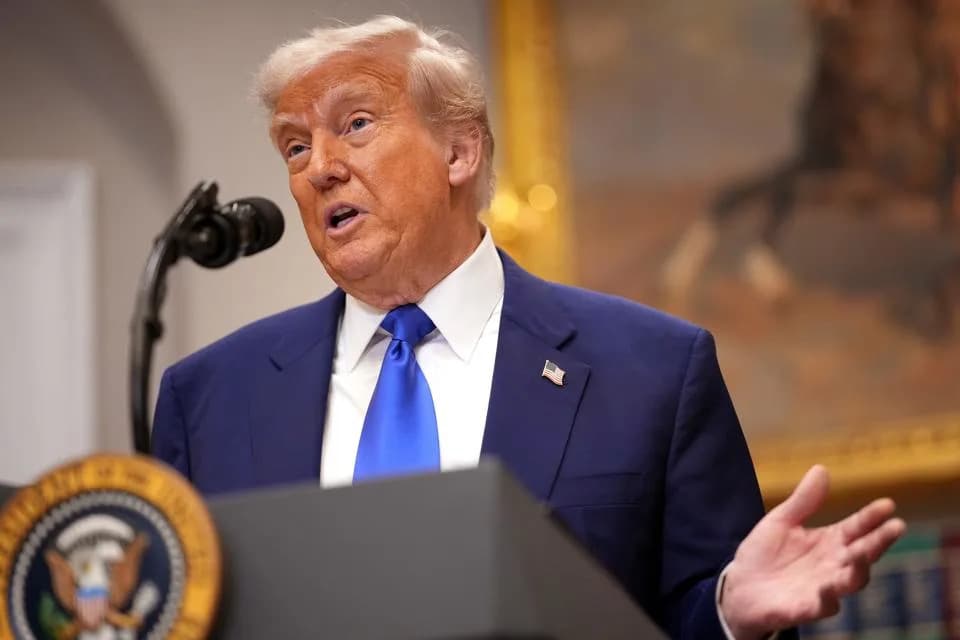
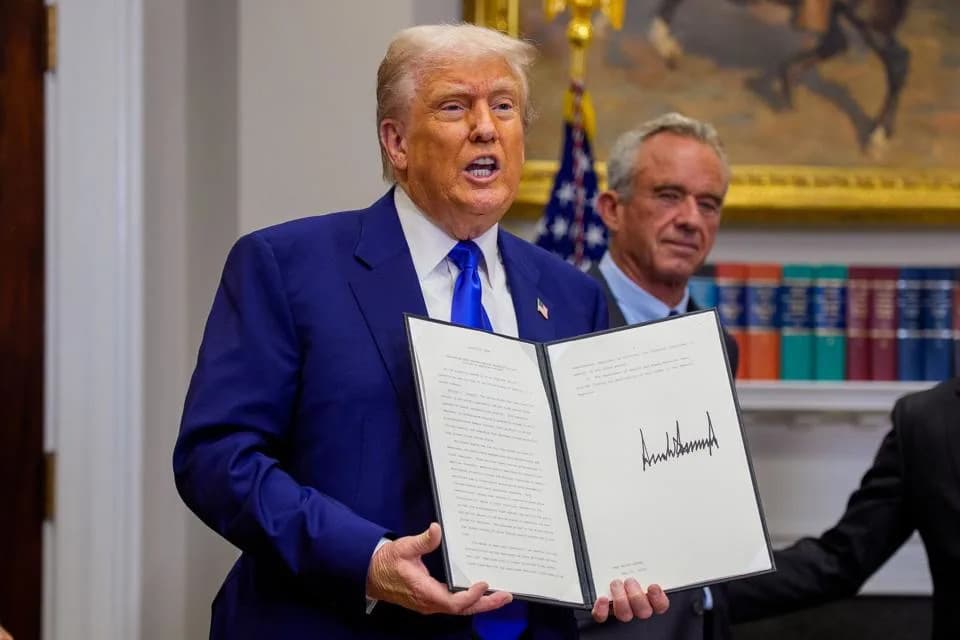
One of President Trump's signature healthcare policies has been the focus on lowering prescription drug prices. (Photo by Andrew Harnik/Getty Images)Getty Images
Americans pay far more for prescription medicines than citizens of other wealthy nations. A RAND analysis found that U.S. drug prices across all products averaged 2.78 times levels in 33 comparison countries in 2022, with brand-name drugs driving most of that gap.
Overview
The Trump administration has made lowering drug prices a central health-policy goal, using a mix of voluntary deals with manufacturers, import tariffs, a federal price-shopping portal, experimental Medicare and Medicaid models, PBM reforms and temporary coverage workarounds for GLP‑1 drugs. Some actions are statutory or long-lasting; many are executive steps that are time-limited, confidential or easily gamed.
1. Most-Favored-Nation (MFN)–Style Deals
In May 2025, an executive order directed HHS to align certain U.S. prices with the lowest prices paid in comparable countries (an MFN-style approach). Pfizer signed the first agreement in September 2025, and the White House says 26 firms now have deals covering roughly 90% of the branded market. Commitments typically include launching new drugs at prices near the lowest peer-country price, offering MFN prices to state Medicaid programs and selling discounted drugs directly to cash-paying patients.
Assessment: Potentially meaningful over time, especially if launch-price pledges hold. But the agreements are confidential and often redacted, making independent evaluation difficult. A key workaround: manufacturers can delay or avoid European launches to prevent low foreign benchmarks.
2. Import Tariffs
An April 2026 proclamation imposed a 100% tariff on imported patented drugs and their ingredients. Manufacturers with both an MFN deal and an approved U.S. manufacturing plan pay 0% through January 20, 2029. Generics and biosimilars are exempt for now; products from the EU, Japan, South Korea and Switzerland face a reduced 15% tariff.
Assessment: Effective as leverage—the tariff threat helped secure voluntary deals—but it is not, by itself, a durable price-cutting tool. Tariffs are an import tax, and the zero-tariff carve-out has a built-in sunset.
3. TrumpRx.gov Price Portal
Launched in February 2026, TrumpRx.gov lists manufacturers’ discounted cash prices. It started with 43 brand drugs and now lists more than 1,000 branded and generic medicines; the administration reports more than $700 million in patient savings through the site.
Assessment: Helpful for uninsured people, those with high deductibles, or patients seeking drugs not covered by their plans (for example, many obesity or fertility medicines). However, most insured patients’ copays are lower than cash prices, and cash purchases usually don’t count toward insurance deductibles or out-of-pocket maximums. Many discounts on TrumpRx mirror offers already available through third-party platforms.
4. GLOBE — Medicare Part B Experimental Model
On September 30, CMS finalized the GLOBE model, requiring manufacturers to rebate Medicare when prices for certain physician-administered Part B drugs exceed a benchmark based on 19 wealthy countries. The model is being applied only in randomly selected areas covering about 25% of traditional Medicare beneficiaries; lower beneficiary out-of-pocket costs could begin in April 2027.
Assessment: One of the more promising moves because its randomized design will produce evidence on whether international benchmarks lower spending. Still, CMS now projects only about $440 million in Part B savings over the model’s life, down from earlier estimates, in part because firms participating in a related Medicaid program (GENERIOUS) are waived out.
5. GENEROUS — Medicaid MFN Model
The GENEROUS model extends MFN pricing to state Medicaid programs: manufacturers pay extra rebates so Medicaid’s net price reaches an MFN level (the second-lowest net price among eight comparison countries, adjusted for national income).
Assessment: Likely to produce modest federal savings. Medicaid already receives large statutory rebates, so incremental gains from MFN pricing are limited. One estimate put potential federal savings at roughly $5 billion in a single year. Implementation details and binding state agreements remained pending, and some high-profile drugs (e.g., certain GLP‑1s) have reportedly been carved out of some deals.
6. Medicare Negotiation (Inflation Reduction Act)
The administration is implementing the Medicare drug-price negotiation program established by the 2022 Inflation Reduction Act. Negotiated prices for 10 drugs took effect in 2026; CMS announced prices for 15 additional drugs (including Ozempic and Wegovy) that take effect in 2027. CMS estimates these prices would have reduced Medicare’s net spending on those drugs by about 44% (roughly $12 billion) had they applied in 2024, and would lower beneficiaries’ out-of-pocket costs.
Assessment: This is the most durable and well-documented savings tool because it is written into law and has survived legal challenges. Recent legislative changes expanding exemptions for certain rare-disease drugs reduce the program’s potential savings by an estimated $8.8 billion over a decade.
7. Pharmacy Benefit Manager (PBM) Reforms
New funding legislation in February 2026 enacted major PBM reforms. Beginning in 2028, PBM compensation in Medicare Part D must be a flat service fee rather than tied to drug prices or rebates. PBMs must also pass 100% of rebates through to employer health plans starting with most 2029 plan years and comply with enhanced transparency requirements.
Assessment: Addressing structural incentives that have pushed list prices higher is important. The reforms appear promising, but they are phased in slowly and are limited in scope. The CBO projects about $2 billion in federal savings over 10 years.
8. GLP‑1 Bridge: Temporary Medicare Access
Under voluntary agreements with Eli Lilly and Novo Nordisk, the Medicare GLP‑1 Bridge lets eligible Part D beneficiaries access Wegovy, Zepbound (KwikPen only) and Foundayo for weight management at a $50 monthly copay through December 2027; the administration reports more than 500,000 seniors already enrolled.
Assessment: Improves access for seniors previously barred from broad Medicare coverage of weight-loss drugs. But it is temporary, the copay does not count toward Part D’s out-of-pocket cap, and longer-term coverage depends on a follow-on model (BALANCE) whose Medicare launch is delayed. Wider use may increase total Medicare spending even as per-prescription prices fall.
Bottom Line
Some of the administration’s actions are fast and confrontational, forcing international price comparisons to the center of the debate and prompting concessions that previous administrations did not secure. But many measures are executive actions that are time-limited, confidential or carved out by exemptions. Durable change is likeliest when reforms are written into law, as with Medicare negotiation and PBM reform.
Watch next: the final GUARD rule, the list of areas selected for the GLOBE experiment, the 2028 negotiated Medicare price list (due by the end of November), and ongoing legal challenges and disclosures of MFN agreements (prices and drug lists).
Author’s test as a physician: Can a patient afford to fill the prescription their doctor ordered?
Help us improve.