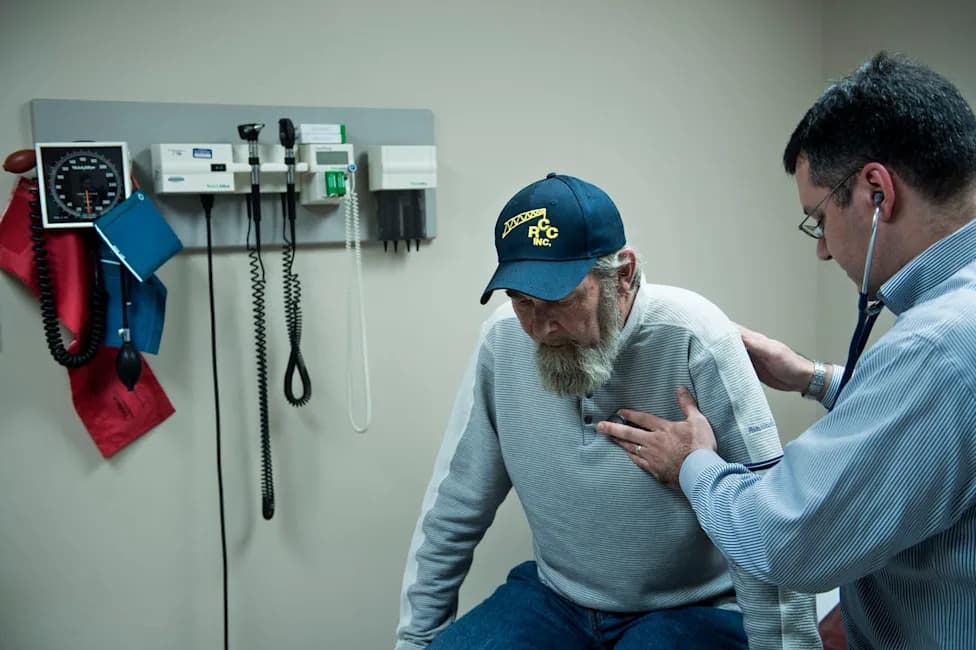
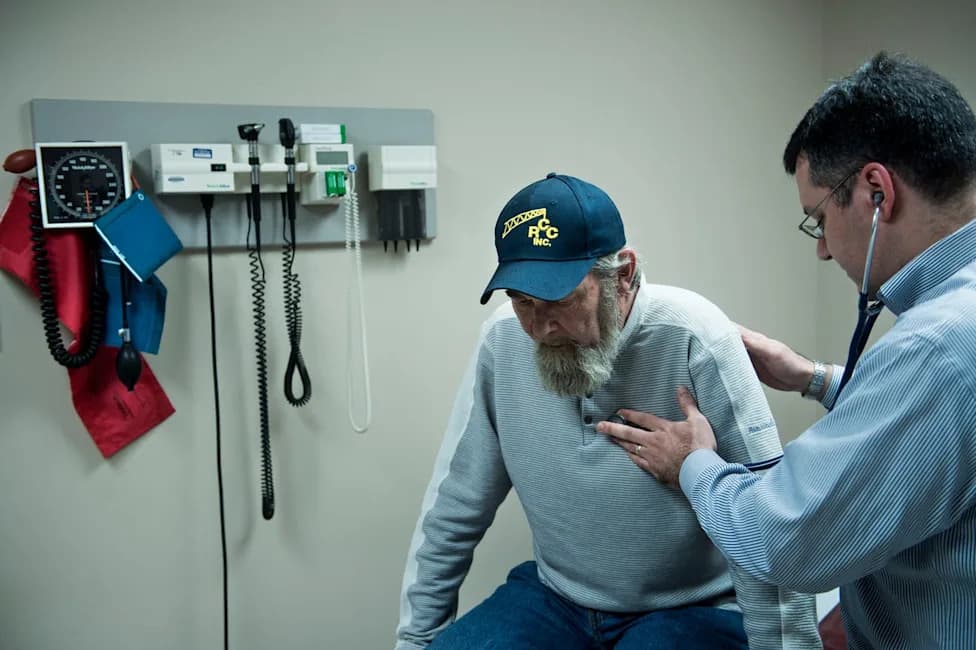
The IARC’s 2024 review estimates about 2.3 million new cancer cases worldwide—roughly one in eight—are linked to common infectious agents. The largest contributors are H. pylori, HPV, HBV, EBV and HCV, with H. pylori and HPV each tied to about three-quarters of a million cases. Many of these cancers are preventable through vaccination, testing and screening, but access barriers persist; researchers call for scaling up proven measures and investing in vaccines for EBV and H. pylori.
One in Eight Cancers Worldwide Linked to Common Infections, New IARC Review Finds
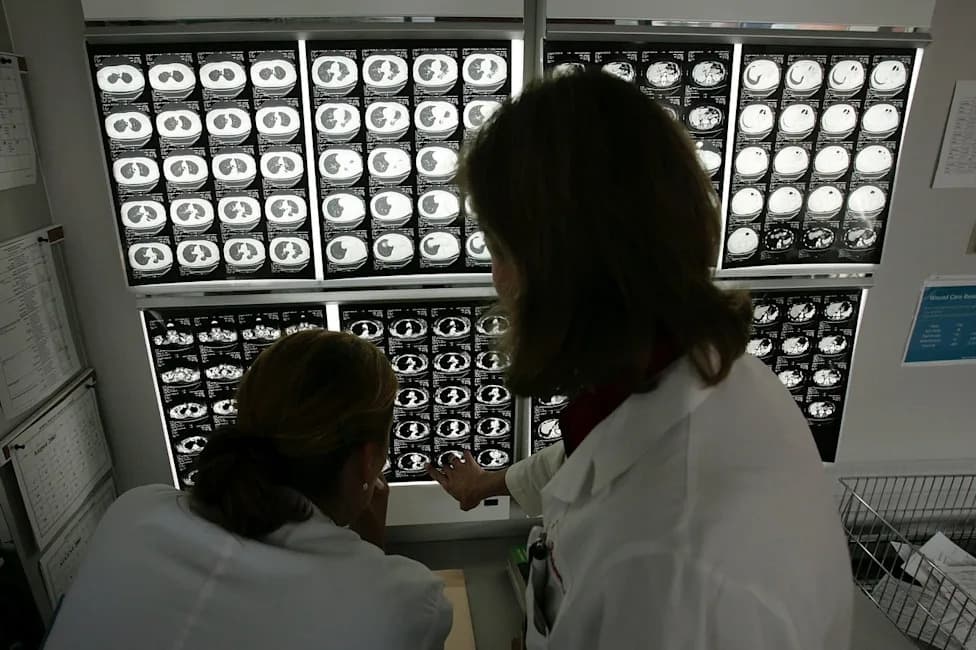
1 in 8 cancer cases linked to common infections, new research finds
New analysis from the International Agency for Research on Cancer (IARC) finds that roughly one in eight cancer cases globally is associated with common infectious agents. The 2024 review attributes about 2.3 million new cancer diagnoses to a dozen familiar pathogens, highlighting preventable causes and urgent gaps in public-health coverage.
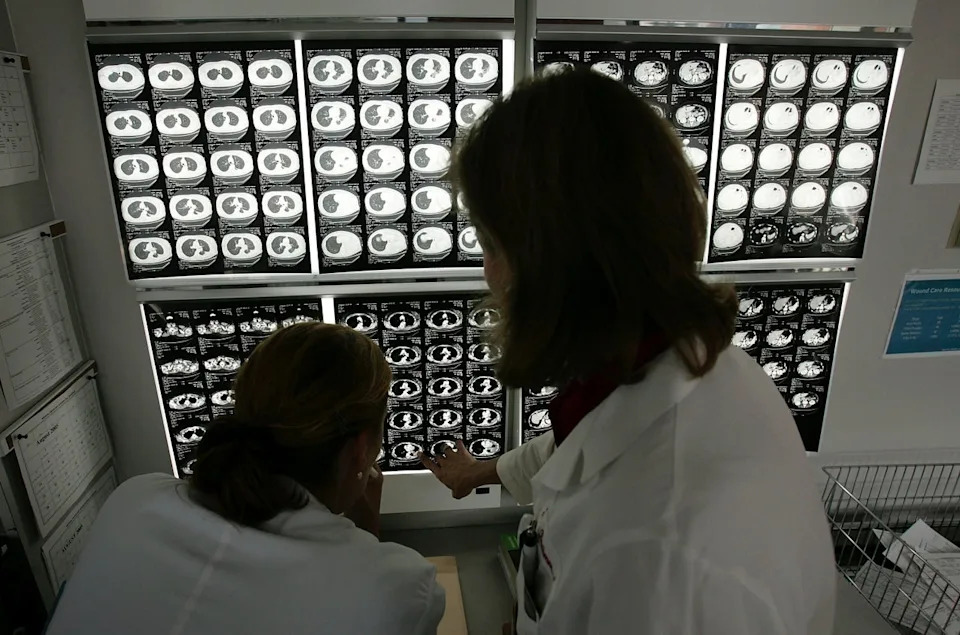
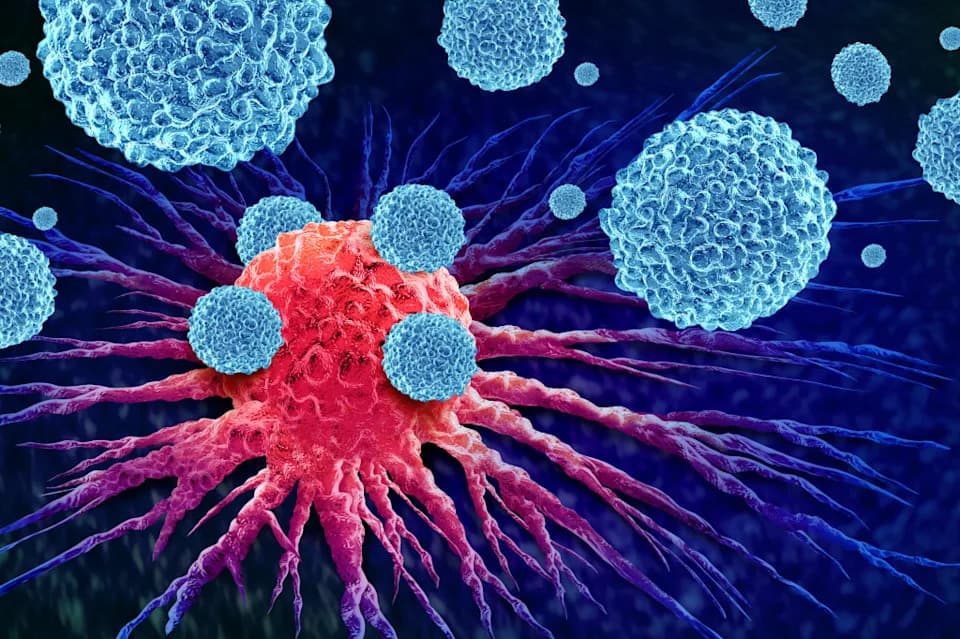
One in eight global cancer cases are linked to infectious agents, a new review of 2024 data shows (Getty)
Top Infectious Contributors
The report identifies the largest contributors as Helicobacter pylori, human papillomavirus (HPV), hepatitis B virus (HBV), Epstein–Barr virus (EBV) and hepatitis C virus (HCV).
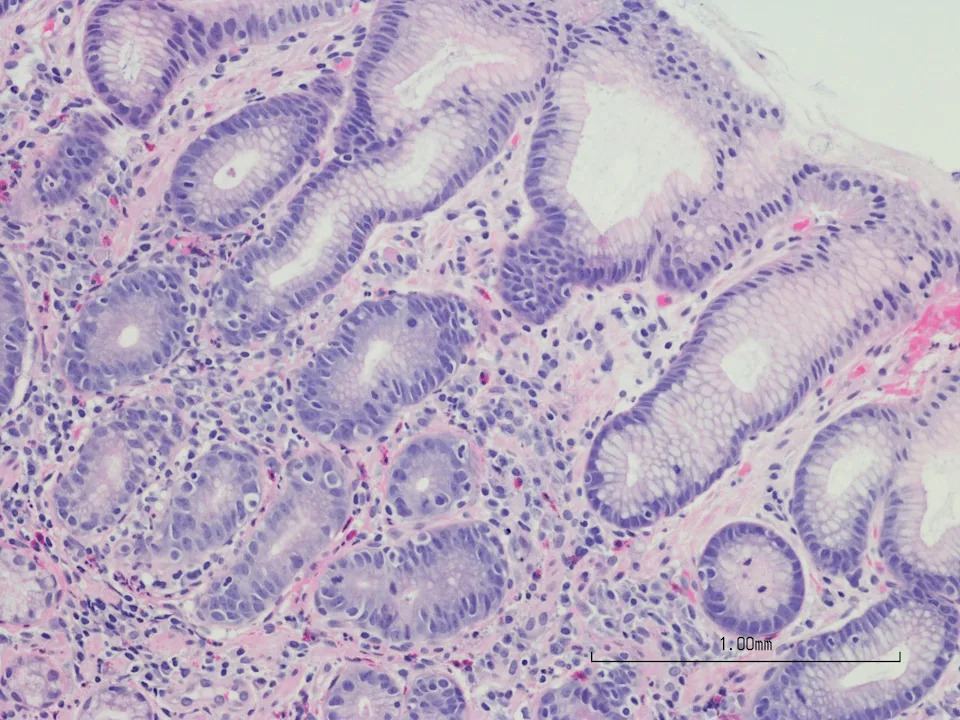
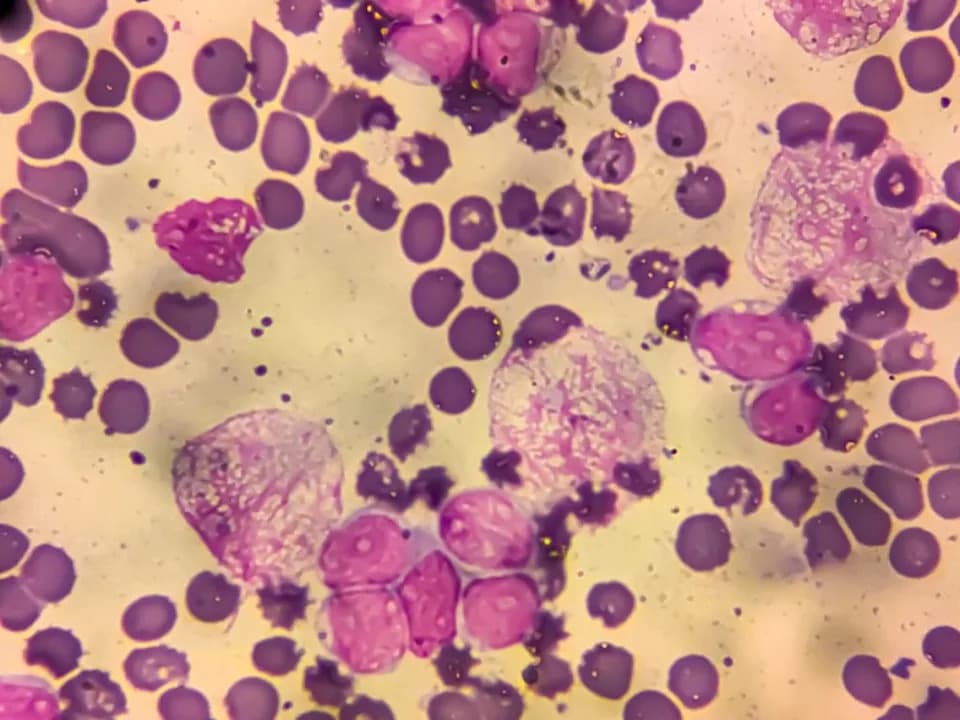
Helicobacter pylori infections were responsible for the greatest number of cancer cases in 2024 (Getty/iStock)
IARC’s pooled estimates show H. pylori was associated with the greatest number of cases (about 760,000), followed closely by HPV (~750,000). EBV-linked cancers were estimated at ~260,000, and HCV at ~160,000. HBV and HCV were prominent contributors to liver cancer cases in the analysis.
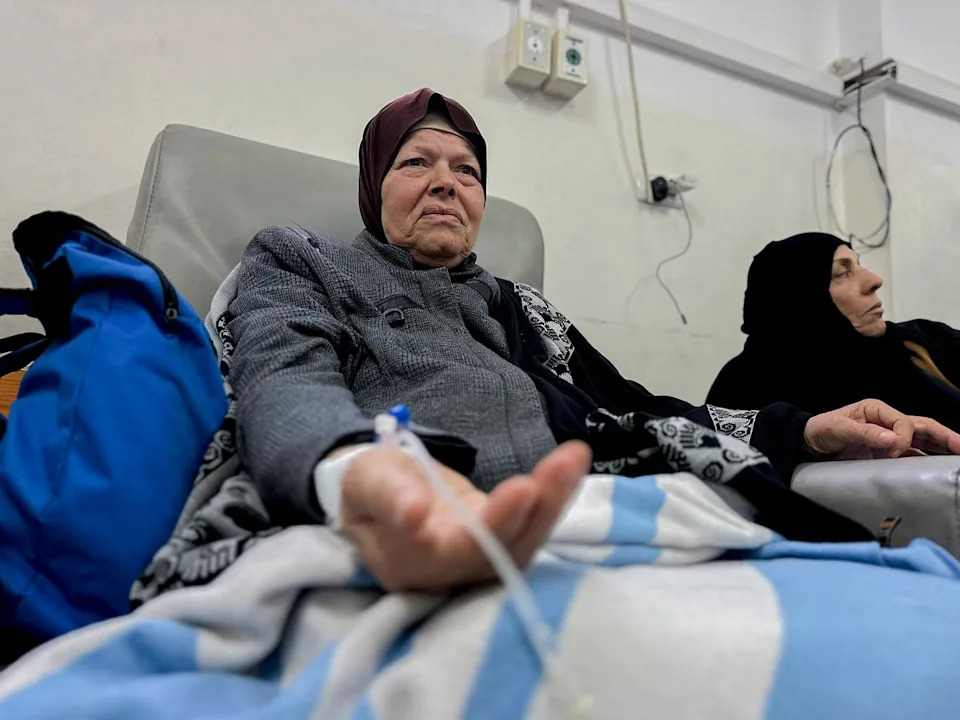
Palestinian cancer patients receive treatment at a medical facility in the Gaza Strip in January (Middle East Images/AFP via Getty)
Which Cancers Are Involved?
Specific associations included:
- H. pylori: Primarily linked to stomach (gastric) cancer.
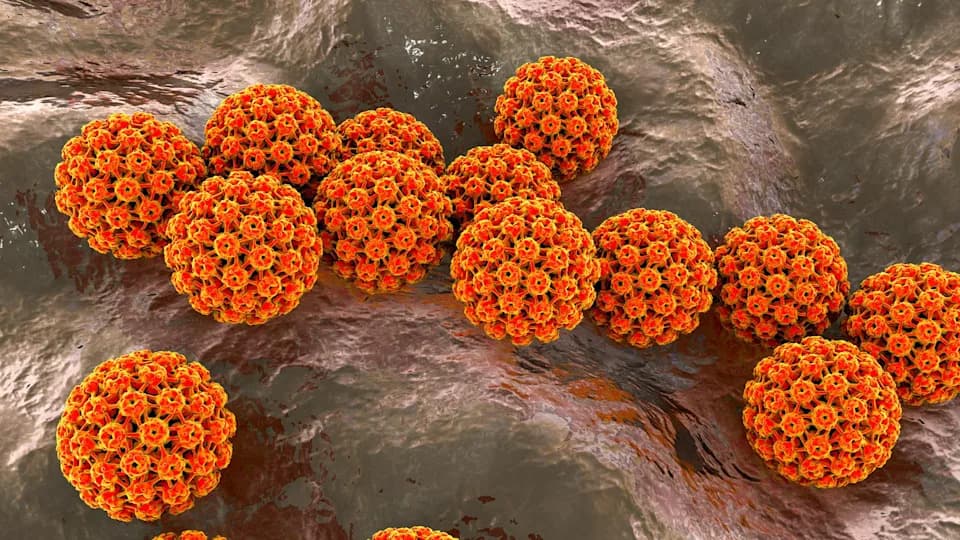
- HPV: Strongly linked to cervical cancer and other anogenital and oropharyngeal cancers.
- EBV: Linked to nasopharyngeal cancer, some gastric cancers and certain lymphomas such as Hodgkin lymphoma.
- HBV and HCV: Major contributors to liver cancer.
"The estimates may even be very conservative," said Dr. Patrick Moore, Chair in Innovative Cancer Research at the University of Pittsburgh, noting that infection is a far more important factor in cancer incidence than many people realize and that impacts vary by geography.
Prevention, Access and Research Needs
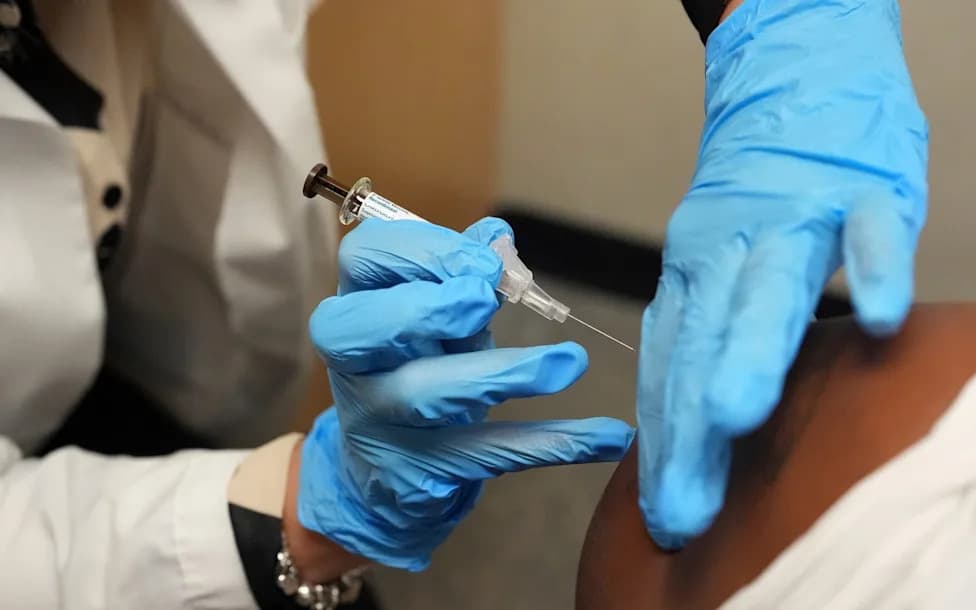
Many infection-related cancers are already preventable through proven public-health measures, including vaccination (notably for HPV and HBV), testing, safer medical practices and screening programs. However, social, economic and political barriers limit access to these tools in many regions.
The authors call for scaling up effective interventions — wider HPV vaccination, improved testing for infectious agents, increased access to condoms and cancer screening — and for investment in new prevention tools. In particular, the report emphasizes the potential impact of vaccines that do not yet exist for EBV and H. pylori.
"This updated analysis shows that the landscape of infection-related cancers continues to evolve as scientific evidence advances," said Dr. Gary Clifford, senior co-author of the study. "It also highlights where future investments in new prevention tools could have the greatest impact."
The findings underscore the global burden of cancer: the American Cancer Society projects more than 626,000 cancer deaths in the United States this year alone, and infection-related cancers remain a significant, preventable component of that burden.
Help us improve.