The International Agency for Research on Cancer estimates infections were linked to about 2.3 million new cancer cases in 2024 — roughly one in eight. Twelve infectious agents were identified as carcinogens, and five (H. pylori, HPV, HBV, EBV and HCV) accounted for nearly all infection-related cancers. Many of these cancers are potentially preventable through vaccination, screening and treatment, though the study relies on population-level data and may underestimate the total impact.
IARC Links Infections To About 2.3 Million Cancer Cases Worldwide In 2024 — Most Are Preventable

About one in eight new cancer diagnoses worldwide in 2024 — roughly 2.3 million cases — were associated with infectious agents, according to a new analysis by the International Agency for Research on Cancer (IARC).
Which infections are implicated?
The study identified 12 infectious agents that are established carcinogens in humans: Helicobacter pylori (H. pylori), human papillomavirus (HPV), hepatitis B virus (HBV), hepatitis C virus (HCV), Epstein–Barr virus (EBV), Kaposi sarcoma–associated herpesvirus, Schistosoma haematobium, HTLV-1, Opisthorchis viverrini, Clonorchis sinensis, Merkel cell polyomavirus and HIV.
Top five drivers
Five agents accounted for nearly all infection-related cancers in 2024:
- H. pylori: ~760,000 cases
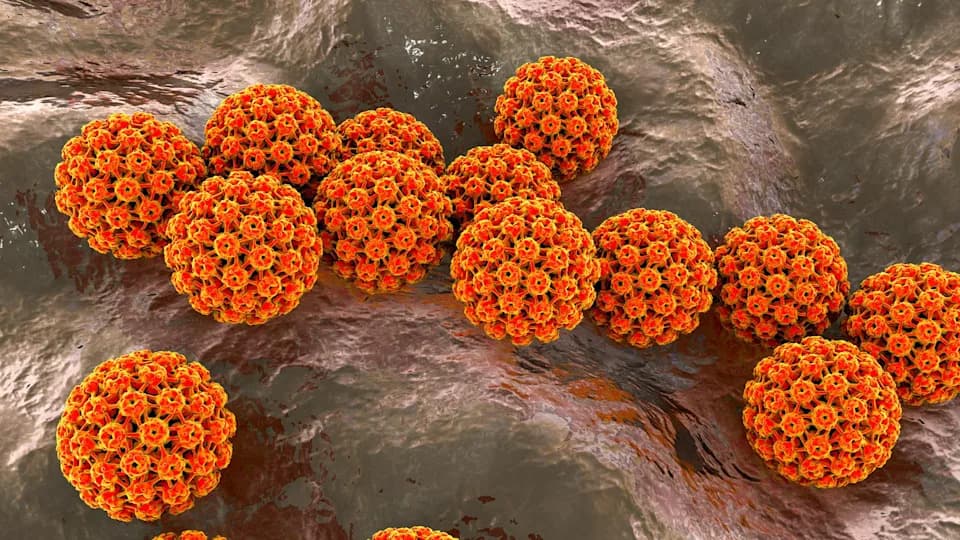
- HPV: ~750,000 cases
- HBV: ~360,000 cases
- EBV: ~260,000 cases
- HCV: ~160,000 cases
What the researchers found
Conducted by researchers in France, the analysis used population-level cancer data for 2024 and was published Sept. 28 in The Lancet Oncology. Study co-author Dr. Harriet Rumgay of IARC’s Cancer Surveillance Branch emphasized the potential for prevention:
“The findings underscore the major role that infection control can play in reducing the global cancer burden.”
Prevention and clinical implications
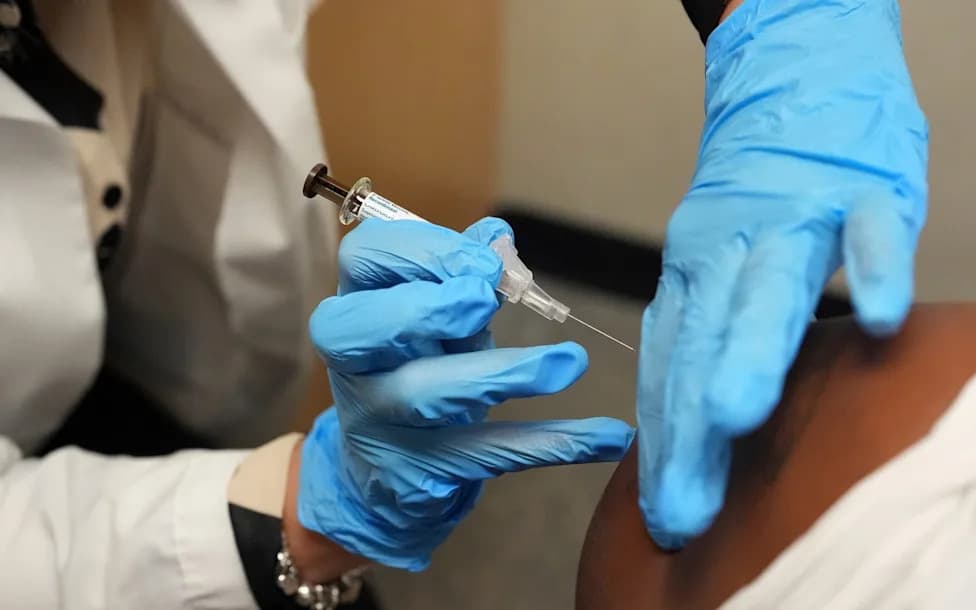
The authors and outside experts note that many infection-related cancers are largely preventable through established measures: vaccination (notably for HPV and HBV), antiviral or antiparasitic treatment, and screening programs. Dr. Joshua Cohen, a gynecologic cancer specialist not involved in the study, highlighted HPV’s role in cancers of the cervix, oropharynx and anogenital region and recommended vaccination for eligible people.
Practical advice from experts includes:
- HPV vaccination for eligible individuals (vaccination programs vary by age and country).
- Testing and treatment for H. pylori in people with peptic ulcer disease or persistent upper abdominal symptoms.
- Screening and treatment for viral hepatitis where indicated to reduce long-term cancer risk.
Limitations
The study has important caveats. It relied on population-level estimates rather than following individuals, so results depend on the completeness and accuracy of cancer registries and surveillance in each country. It also included only infections already established as carcinogenic, so the total contribution of infections to cancer could be higher than reported.
When to seek care
Symptoms that may warrant medical evaluation include persistent epigastric pain (upper central abdominal discomfort), chronic acid reflux, abnormal vaginal bleeding, unexplained difficulty swallowing, or other persistent symptoms. Being infected with one of the listed agents does not mean a person will develop cancer — most infected people do not — but recommended testing and treatment can lower long-term risk.
Bottom line: Infections remain a major, largely preventable contributor to the global cancer burden. Increased vaccination, testing, treatment and screening—especially in low- and middle-income countries—could substantially reduce infection-related cancers.
Source: International Agency for Research on Cancer analysis of 2024 global cancer data, published Sept. 28 in The Lancet Oncology. Reporting also includes comments from Dr. Harriet Rumgay (IARC) and Dr. Joshua Cohen (City of Hope Orange County).
Help us improve.