The Lancet Oncology analysis estimates infections caused about 2.3 million new cancer cases in 2024 — roughly 12% of the global total. Four pathogens (H. pylori, HPV, hepatitis B and EBV) account for about 92% of infection-related cancers, with H. pylori and HPV each linked to roughly three-quarters of a million cases. Low- and middle-income countries bear 77% of the burden, while HPV vaccine coverage remains low (31% of eligible girls). Experts say wider vaccination, single-dose HPV schedules, H. pylori testing and renewed EBV research could prevent many cases.
One in Eight Cancers Tied to Infections — Vaccines and Testing Could Prevent Millions
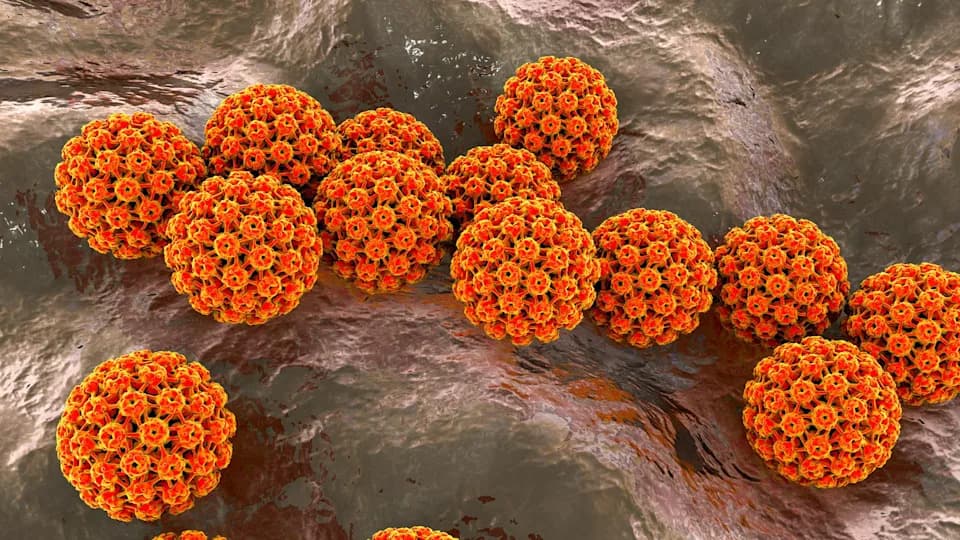
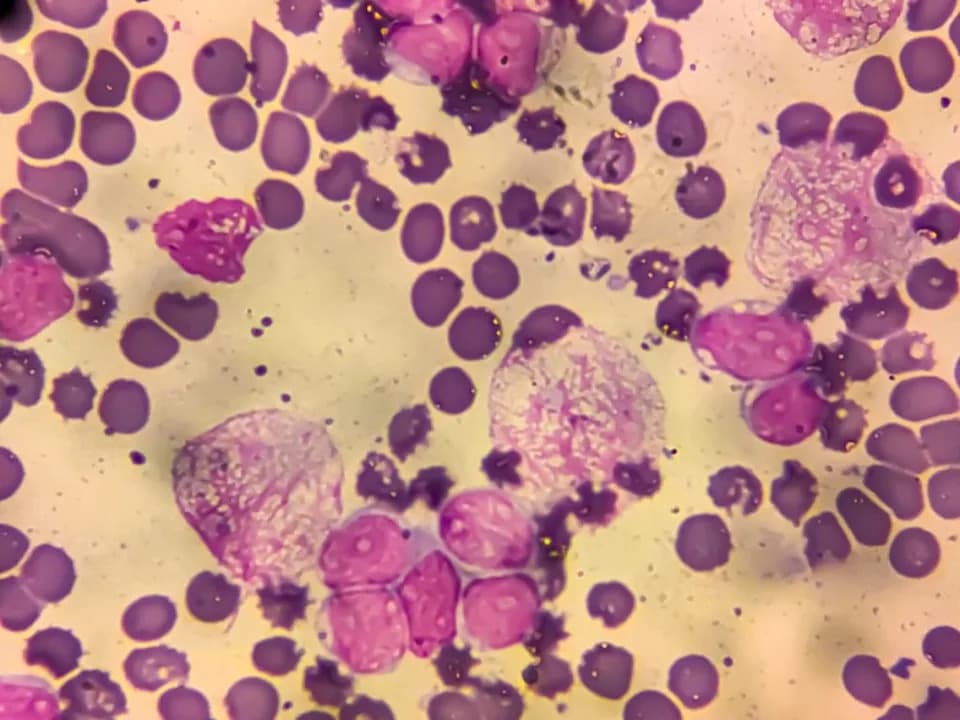
HPV (pictured) is responsible for a large proportion of infection-related cancers worldwide. | Credit: KATERYNA KON/SCIENCE PHOTO LIBRARY via Getty Images
About one in eight cancer diagnoses worldwide — roughly 2.3 million cases in 2024 — are attributable to infections from viruses, bacteria or parasites, according to a new analysis in The Lancet Oncology. The study highlights that preventing common infections could substantially reduce the global cancer burden.
Key Findings
The researchers combined GLOBOCAN cancer incidence estimates with published data on infection prevalence in specific cancers to assess the contribution of 12 known cancer-associated pathogens. They estimated that infections accounted for about 12% of the roughly 20 million new cancer cases diagnosed in 2024.
Four pathogens drive most of the burden. About 92% of infection-attributable cancers were linked to Helicobacter pylori, human papillomavirus (HPV), hepatitis B virus (HBV) and Epstein-Barr virus (EBV). Estimated case counts include roughly 760,000 for H. pylori (mainly gastric cancers), 750,000 for HPV (cervical and certain throat, mouth and genital cancers), 360,000 for hepatitis B (primarily liver cancer) and 260,000 for EBV (including some throat cancers, lymphomas and stomach cancers).
Prevention Opportunities
Vaccination and population-level interventions could prevent many of these cases. In 2024 only about 31% of adolescent girls eligible for HPV vaccination had received at least one dose — far below the World Health Organization's 90% coverage target. Countries that rapidly achieved >80% HPV uptake, such as Australia, England and Finland, report dramatic drops in HPV-related disease among vaccinated cohorts.
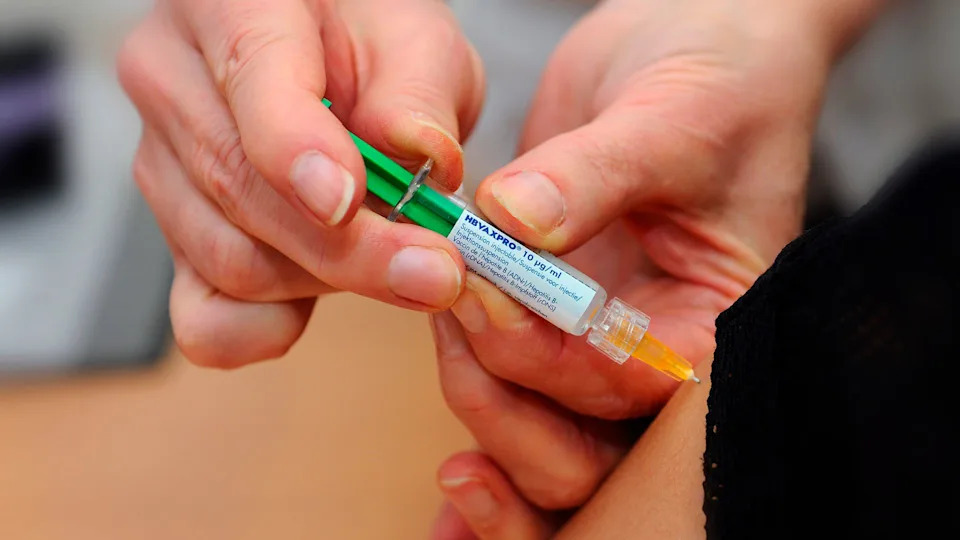
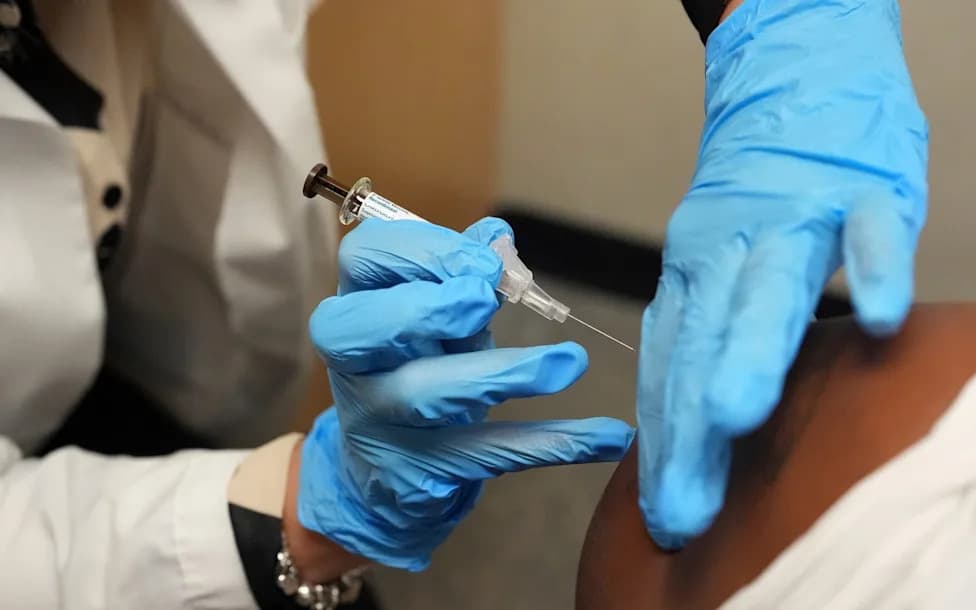
As with HPV, there is a highly effective vaccine for hepatitis B that can help prevent both the infection and related cancers. | Credit: BSIP via Getty Images
Experts note several practical strategies to expand protection worldwide: shifting to single-dose HPV schedules (supported by recent trials) to simplify campaigns, maintaining or increasing infant hepatitis B vaccination, and scaling up testing and treatment programs for H. pylori to prevent gastric cancer. There is currently no approved EBV vaccine; researchers say the virus's biological complexity and lifelong latency make vaccine development challenging, though renewed interest (also driven by EBV links to autoimmune diseases) has accelerated progress.
Unequal Burden and Data Gaps
The study found that low- and middle-income countries shoulder a disproportionate share of infection-related cancers: about 77% of the global burden, and roughly 81% of HPV-linked cancers, occur in these settings. The authors also caution that the true burden may be larger than reported because many cancer registries used in the analysis currently cover only a fraction of the global population (the study relied on registries covering ~19% of people worldwide and just ~2% of Africa's population).
"Prevention yields strong returns," Dr. Prashant Mathur, director of India's National Centre for Disease Informatics and Research, said in an email to Live Science. "Investing in prevention is more cost-effective over the long term than relying solely on treatment."
Challenges and Next Steps
Barriers include uneven vaccine uptake across regions and vaccine hesitancy among caregivers who may delay HPV vaccination. The article also notes recent debate in the United States about changes to newborn hepatitis B vaccine guidance, which some experts warn could affect future HBV infections and related cancers. For EBV, vaccine candidates are under development but none are yet approved.
Overall, the Lancet analysis underscores how targeted prevention — vaccines, testing and treatment programs, and better surveillance — could avert many infection-linked cancers and reduce global health inequities.
This article is for informational purposes only and is not medical advice. Consult health professionals or official public health guidance for personal medical recommendations.
Help us improve.