The IARC estimates that infections caused about 2.3 million new cancer cases globally in 2024—approximately 12% of all new cancers. Five pathogens (H. pylori, HPV, HBV, EBV and HCV) were responsible for the largest shares, with H. pylori and HPV each linked to roughly three-quarters of a million cases. The burden is concentrated in Eastern Asia, sub-Saharan Africa, Central and Eastern Europe and South-East Asia. Many infection-related cancers are preventable through vaccination, testing and treatment, but access barriers limit uptake in low- and middle-income countries.
One in Eight New Cancer Cases in 2024 Linked to Infections, IARC Analysis Finds
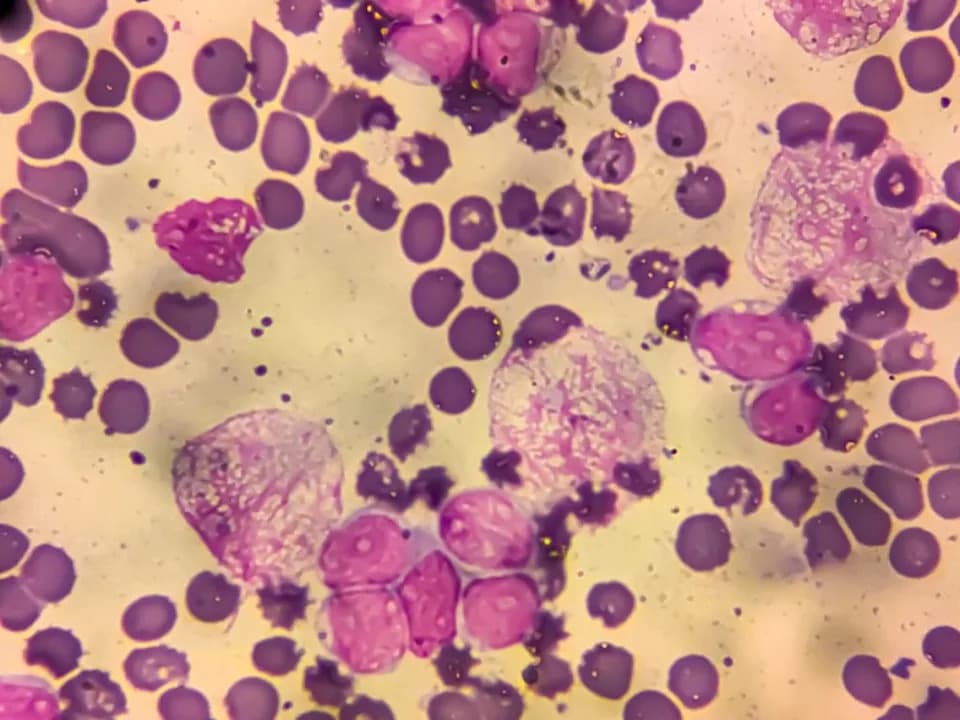
Chronic myeloid leukemia cells can be seen in the blood under a microscope.
About one in eight new cancer diagnoses worldwide in 2024—roughly 2.3 million cases, or 12% of all new cancers—were attributable to infections, a new analysis by the International Agency for Research on Cancer (IARC) reports. The researchers say the findings point to a substantial share of the global cancer burden that could be avoided through better infection prevention, vaccination, screening and treatment.
Key Findings
The IARC analysis identified five infectious agents as the leading contributors to infection-attributable cancers in 2024:
- Helicobacter pylori: ~760,000 cases (mostly gastric/stomach cancer)
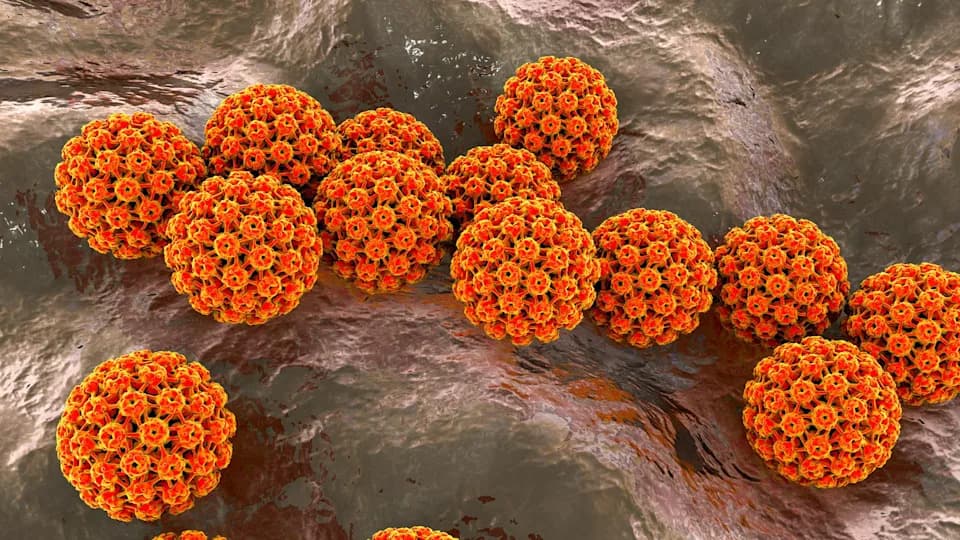
- Human papillomavirus (HPV): ~750,000 cases (predominantly cervical cancer, plus anal, vulvar, vaginal, penile and some head and neck cancers)
- Hepatitis B virus (HBV): ~360,000 cases (mostly liver cancer)
- Epstein–Barr virus (EBV): ~260,000 cases (nasopharyngeal cancer, some gastric cancers, Hodgkin lymphoma)
- Hepatitis C virus (HCV): ~160,000 cases (mostly liver cancer)
Regional Patterns
The burden of infection-attributable cancer was highest in Eastern Asia, sub-Saharan Africa, Central and Eastern Europe, and South-East Asia. Eastern Asia showed particularly high impacts from H. pylori and HBV. Sub-Saharan Africa had very high rates of HPV-related cancers and notable contributions from HIV and Kaposi sarcoma-associated herpesvirus (KSHV).
"This fraction, one in eight cancer patients, is the same fraction as lung cancer in all cancers in the U.S. It is not a rare or insignificant problem," said Dr. Patrick Moore, Chair in Innovative Cancer Research at the University of Pittsburgh, commenting on the IARC analysis.
How Infections Raise Cancer Risk
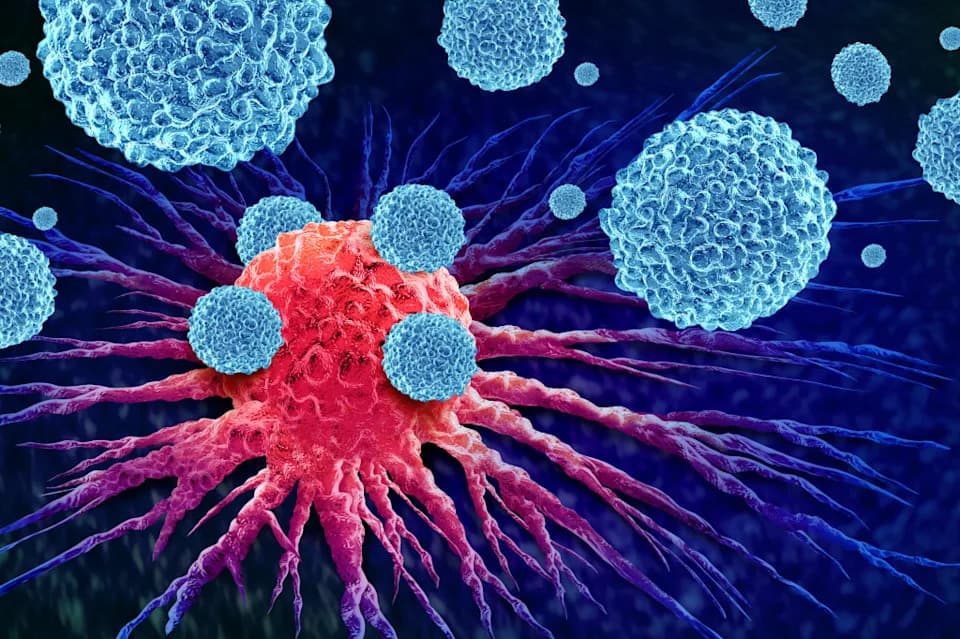
Infectious agents increase cancer risk through multiple mechanisms. Some pathogens interfere with normal cell-cycle control and DNA repair, others carry oncogenes that drive cell proliferation, and many cause chronic inflammation and repeated tissue injury that promote DNA damage and abnormal cell growth. The exact mechanism varies by pathogen and explains why different infections are linked to specific cancer types.
Prevention Is Highly Actionable
The IARC authors emphasize that many infection-linked cancers are preventable. Proven tools include:
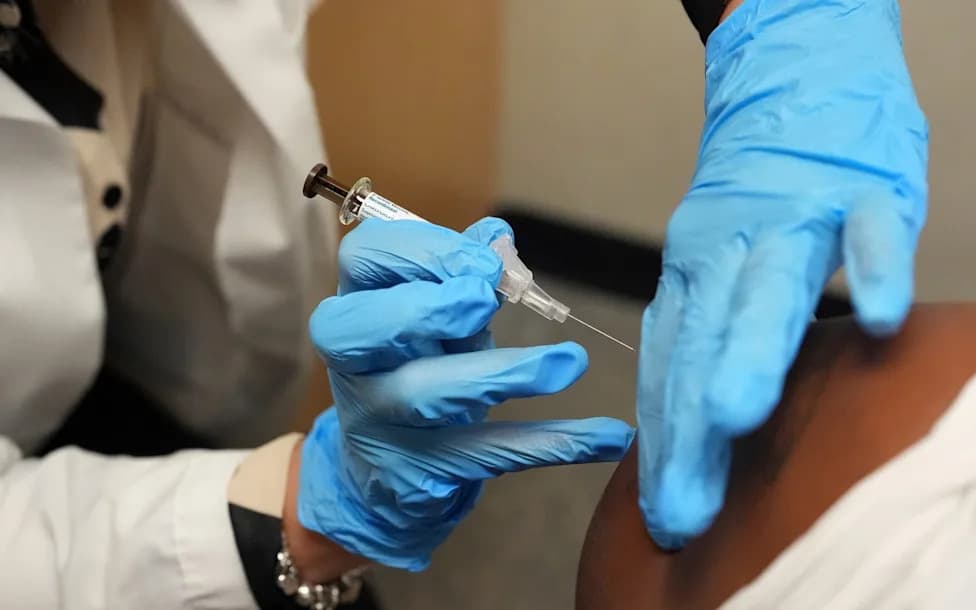
- Vaccination (notably HPV and HBV vaccines)
- Testing and treatment for persistent infections such as H. pylori, HBV, HCV and HIV
- Transmission-reduction measures (safe injection practices, condom access, HIV pre-exposure prophylaxis)
- Cervical cancer screening and targeted screening for high-risk groups
However, these interventions are often underused or inaccessible in low- and middle-income countries because of financial constraints, limited political commitment, health-system gaps and social stigma surrounding infections like HPV and HIV.
Policy Implications
The researchers call on policy-makers and health systems to prioritize scaling up vaccination, improving access to testing and treatment, expanding cervical screening, and addressing social and economic barriers that prevent uptake. Experts interviewed by Newsweek and others said expanding preventive measures could substantially reduce the global infection-related cancer burden, especially in regions with the highest rates.
Reference: Rumgay H, Georges D, Huang Y, Hirabayashi M, Shah R, de Martel C, et al. (2026). Global burden of cancer attributable to infections in 2024: a worldwide incidence analysis. Lancet Oncology. https://doi.org/10.1016/S1470-2045(26)00307-4
Help us improve.