The Lancet Oncology analysis estimates infections caused roughly 12% of new cancer cases in 2024 — about 2.3 million diagnoses tied to 12 infectious agents. H. pylori and HPV were the largest contributors, together accounting for roughly 1.5 million cases. The study emphasizes that many of these cancers are preventable with existing vaccines, testing and treatment, but that low- and middle-income countries carry most of the burden. Data gaps mean the true burden may be higher.
Infections Linked To 1 In 8 New Cancers Worldwide — Most Are Preventable, Study Finds
These infections are behind 1 in 8 cancer cases worldwide, study finds
A new analysis published in The Lancet Oncology estimates that infections were responsible for about 12% of new cancer cases worldwide in 2024 — roughly 2.3 million diagnoses. The researchers traced cancer risk to a set of 12 infectious agents and conclude that many of these cancers could have been prevented or reduced with existing public-health tools.
Key Findings
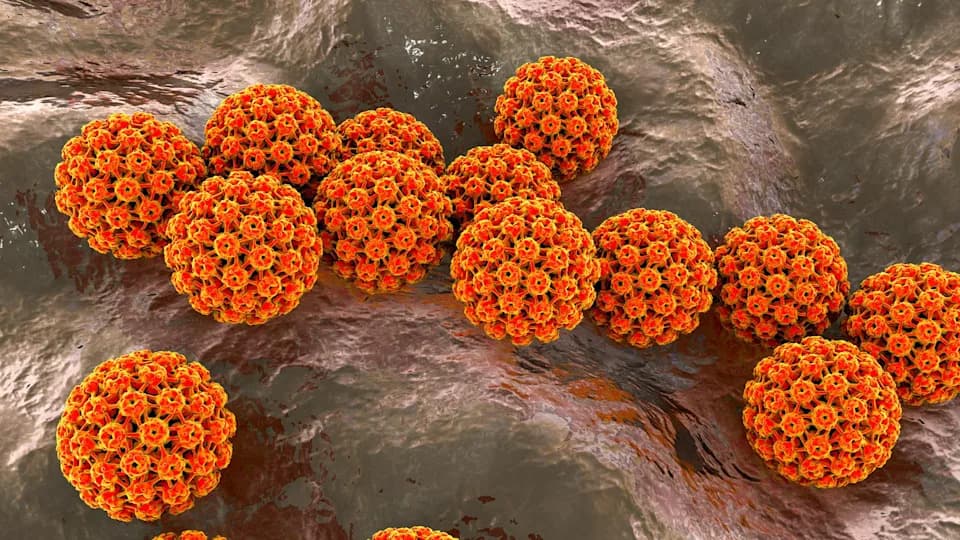
Largest Contributors: Two infections — the stomach bacterium Helicobacter pylori and human papillomavirus (HPV) — together accounted for about 1.5 million infection-attributable cancer cases. H. pylori was most strongly linked to gastric cancers (≈760,000 cases), while HPV was primarily associated with cervical cancer (≈750,000 cases).
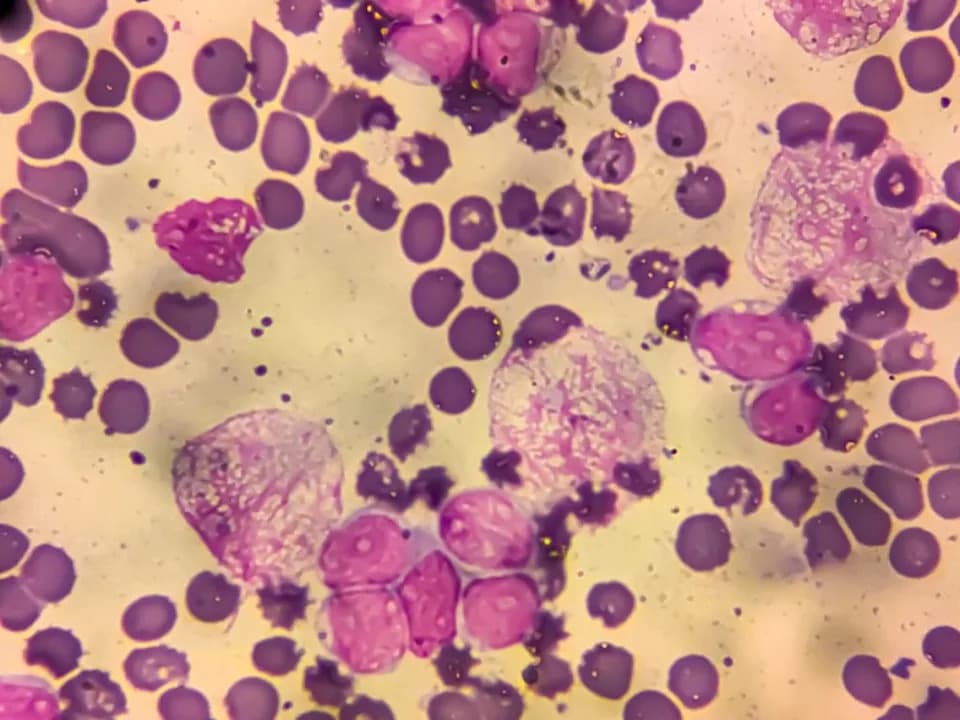
Other Major Infections: Five infections made up more than 2.2 million of the estimated 2.3 million cases. Additional agents linked to cancer in the study include Hepatitis B (HBV) (≈360,000 liver cancers), Epstein-Barr virus (EBV) (≈260,000 head and neck cancers), and Hepatitis C (HCV) (≈160,000 liver cancers).
Additional Pathogens Identified
The study also identified associations with HIV, Kaposi’s sarcoma-associated herpesvirus, the blood parasite Schistosoma haematobium, Human T‑cell lymphotropic virus type 1 (HTLV‑1), the liver flukes Opisthorchis viverrini and Clonorchis sinensis, and Merkel cell polyomavirus.
Where The Burden Falls
Data quality varies worldwide, and the authors note that cancer registries are less complete in many low- and middle-income countries. Still, the study found that about 77% of infection-related cancer cases occurred in low- and middle-income countries, with particularly high burdens in Eastern Asia, Sub-Saharan Africa and Southeast Asia.
Prevention And Control — What Works Now
Many of the infections linked to cancer are preventable or treatable using tools already available:
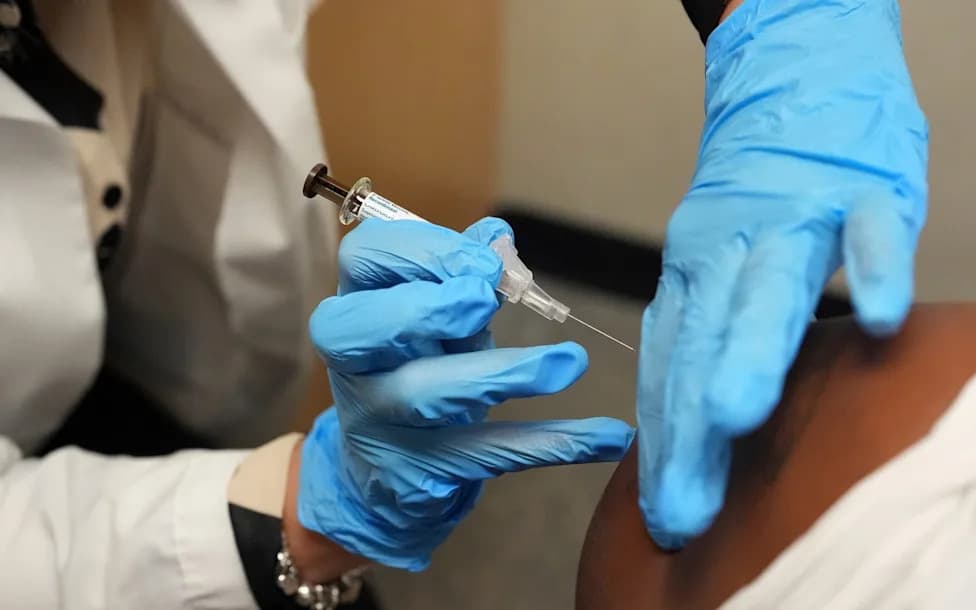
- Vaccination: HPV vaccination has dramatically reduced targeted infections and precancerous cervical lesions where it is widely used. Hepatitis B vaccination prevents HBV infection and reduces related liver cancer risk.
- Testing And Treatment: Screening and treatment for H. pylori (stool, breath or endoscopic testing followed by antibiotics), and testing/treatment for HBV, HCV and HIV, can prevent chronic infections that raise cancer risk.
- Behavioral And Harm-Reduction Measures: Safer injection practices, condom use, and wider access to PrEP reduce transmission of HIV and viral hepatitis.
- Screening For Precancerous Lesions: Cervical screening and treatment of precancerous changes markedly reduce progression to invasive cancer.
Study Limitations
The analysis uses global cancer registry data combined with prior research to estimate infection-attributable cancers. The authors describe their numbers as the best current estimates but caution that incomplete reporting in some regions and the fact that only infections with established links were counted mean the true infection-related burden could be higher.
Bottom Line
About one in eight new cancers worldwide in 2024 may be linked to infectious agents, and a large share of those cases are potentially preventable with vaccination, testing, treatment and public-health measures — if access to those tools is expanded where it is needed most.

Each summer, roughly 430 campers attend one of four sessions at Camp Simcha. The camp runs separate programs, split by gender: Camp Simcha Special for children with chronic illnesses and Camp Simcha for those with cancer.(Rachel Hale)
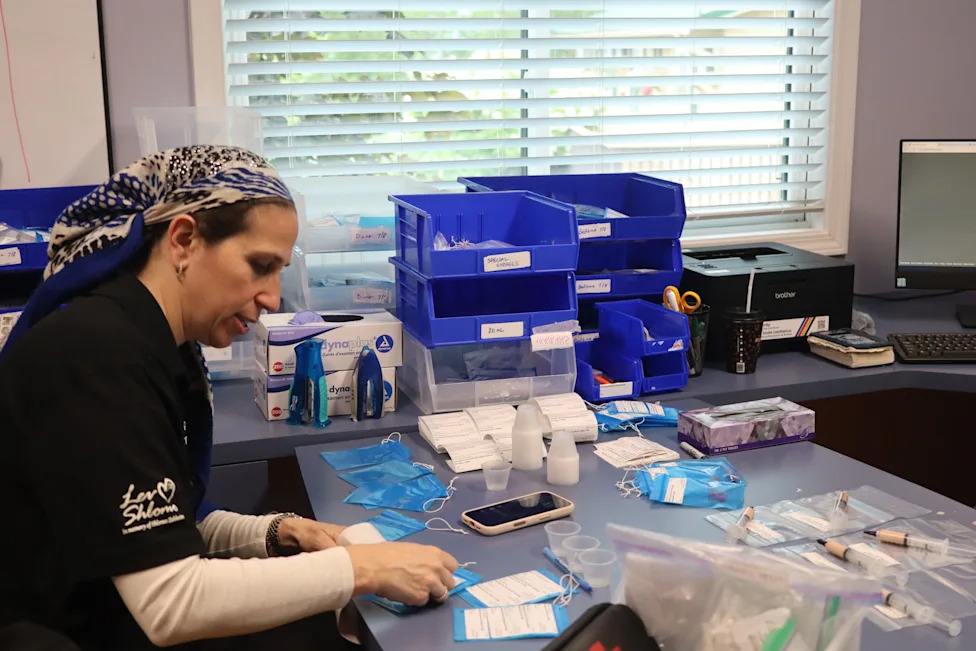
Camp Simcha’s team includes 12 nurses, three doctors, two paramedics, a respiratory and physical therapist and a pharmacist who prepares 1,200 medications a day.(Rachel Hale)

Camper Emma Corbett (left) and counselor Rikki Berkowitz (right) sport matching Camp Simcha sweatshirts at lunch.(Rachel Hale)
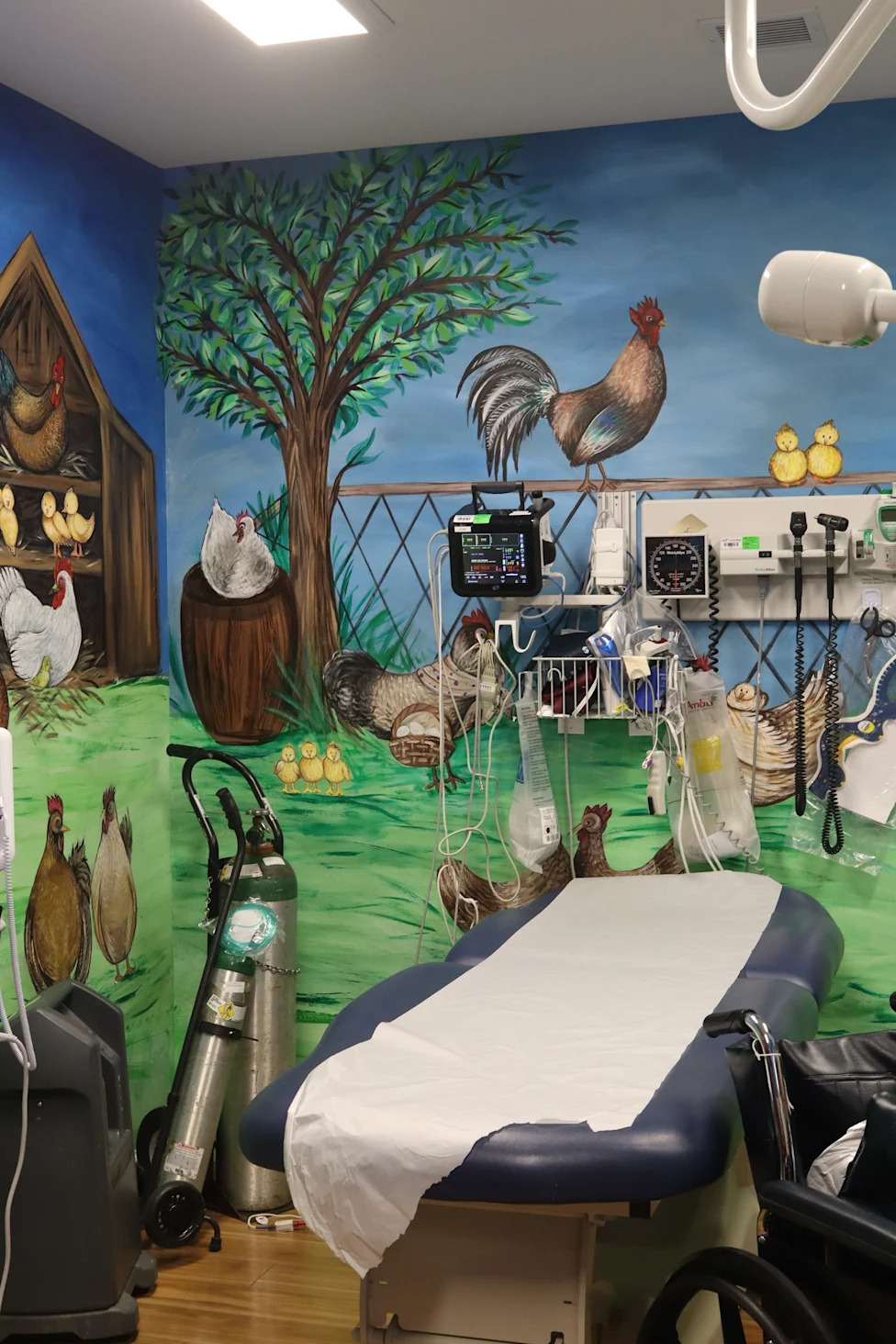
Camp Simcha’s infirmary looks more like a children’s museum than a hospital, with colorful themed murals in many of the building's rooms.(Rachel Hale)
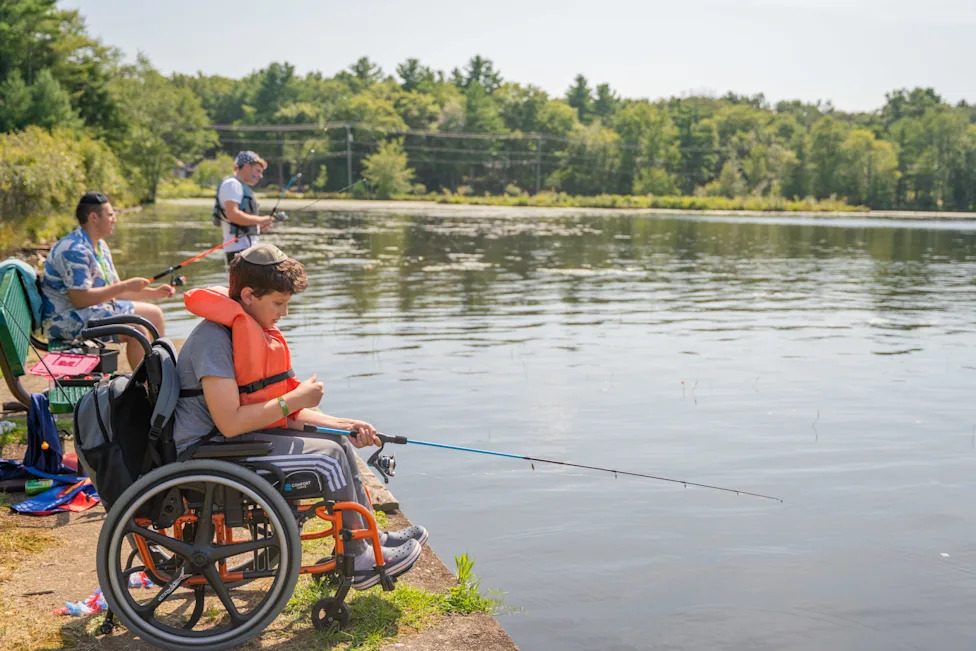
Camp Simcha adapts traditional camp activities so children with chronic illnesses, disabilities and cancer can participate, including rock climbing, ziplining, swimming, boating, arts and crafts and sports.(Courtesy of Chai Lifeline)

A two-week session at camp, including around-the-clock medical care, costs about $15,000 per child, but families attend free of cost through funding from Chai Lifeline, a Jewish nonprofit assisting families impacted by medical crises.(Courtesy of Chai Lifeline)

Camp Simcha was founded in 1987 for Jewish children with serious illnesses, but enrollment is open to children of all backgrounds, and routinely sees campers from Christian and non-religious homes.(Rachel Hale)

After lunch, the dining hall turns into an afternoon dance party before campers head to activities.(Rachel Hale)
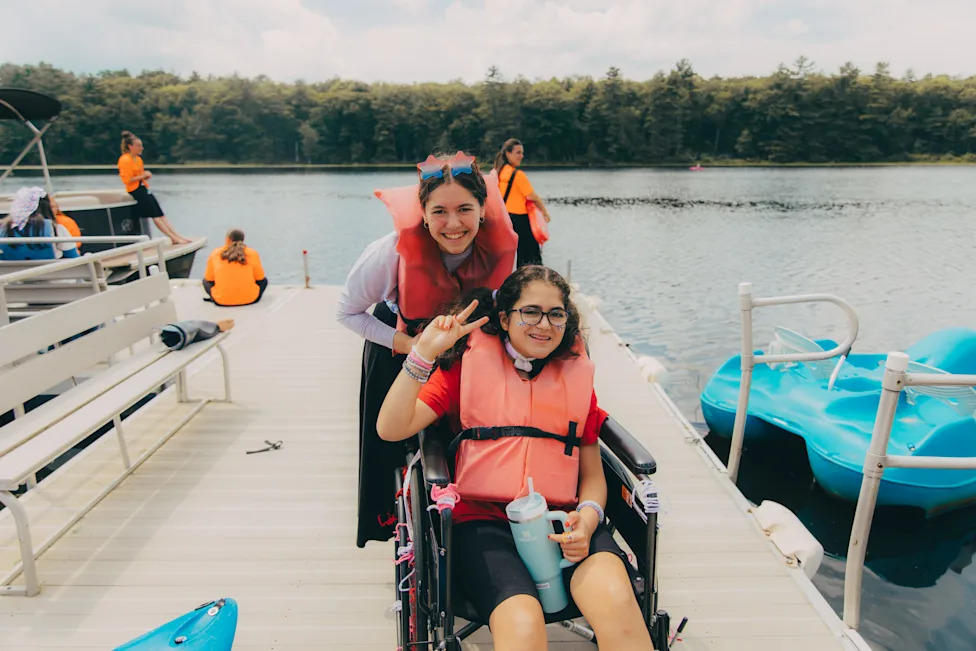
Some campers at Camp Simcha have seizure disorders or use ventilators. Others are blind or paraplegic, using wheelchairs, walkers or canes. Over the years, camp has cared for children with more than 80 diagnoses.(Courtesy of Chai Lifeline)
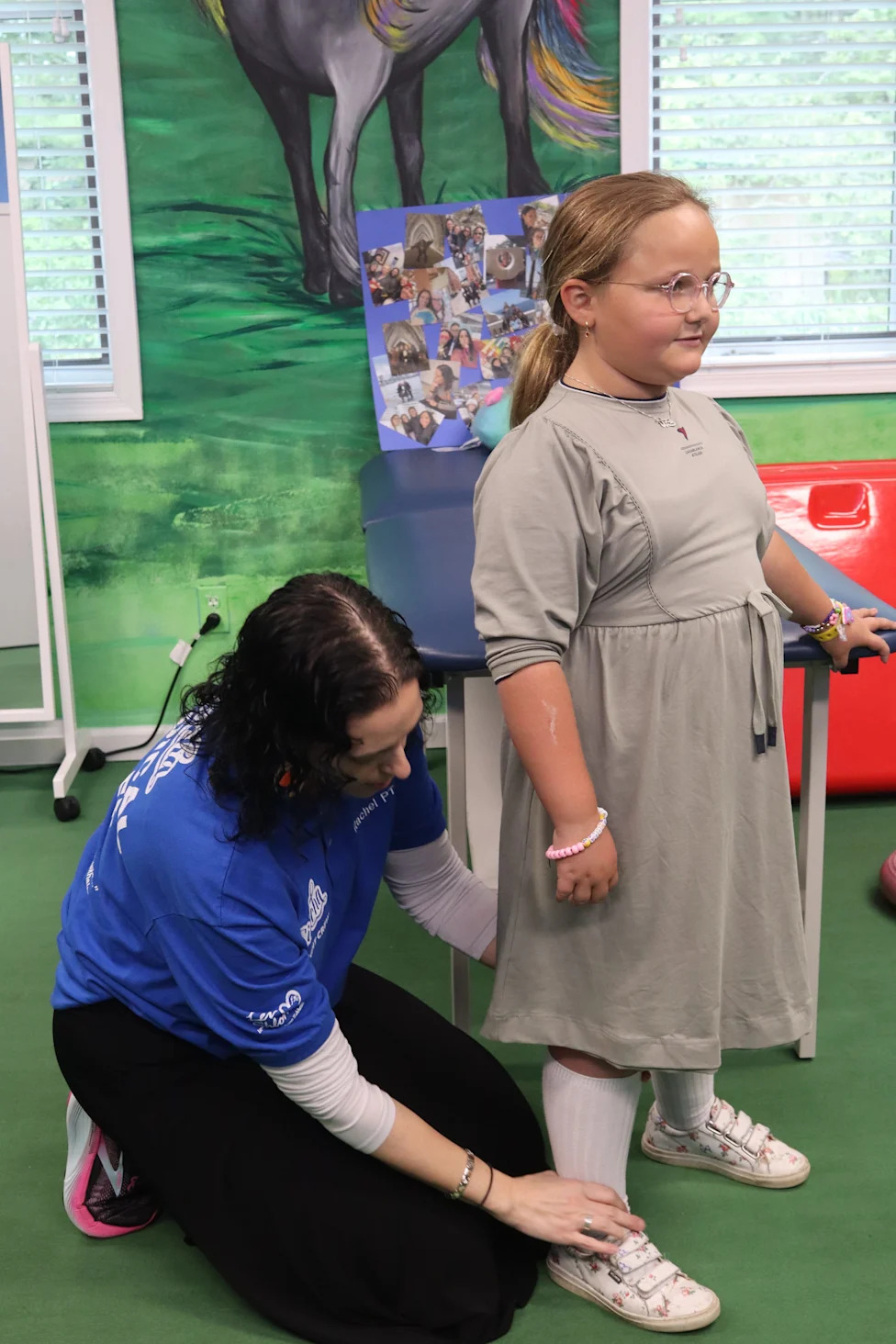
A physical therapist works with a camper on heel rise exercises.(Rachel Hale)

In addition to everyday activities, campers take part in color war, paintball, concerts and interactive magic shows.(Courtesy of Chai Lifeline)

A camper during Camp Simcha Special’s session for girls plays with a chick on July 7.(Rachel Hale)
Help us improve.