A Lancet Oncology analysis estimates infections caused about 2.3 million of 20 million new cancer cases in 2024—roughly one in eight. Nearly half of those infections were linked to Helicobacter pylori, which can persist for decades and raise the risk of gastric cancer. HPV, hepatitis B, hepatitis C and Epstein-Barr virus account for most of the remaining cases. Many of these cancers are preventable or treatable with vaccines, antibiotics and better screening, but barriers limit access where they are needed most.
How Vaccines, Antibiotics and Screening Could Prevent Millions of Cancer Cases
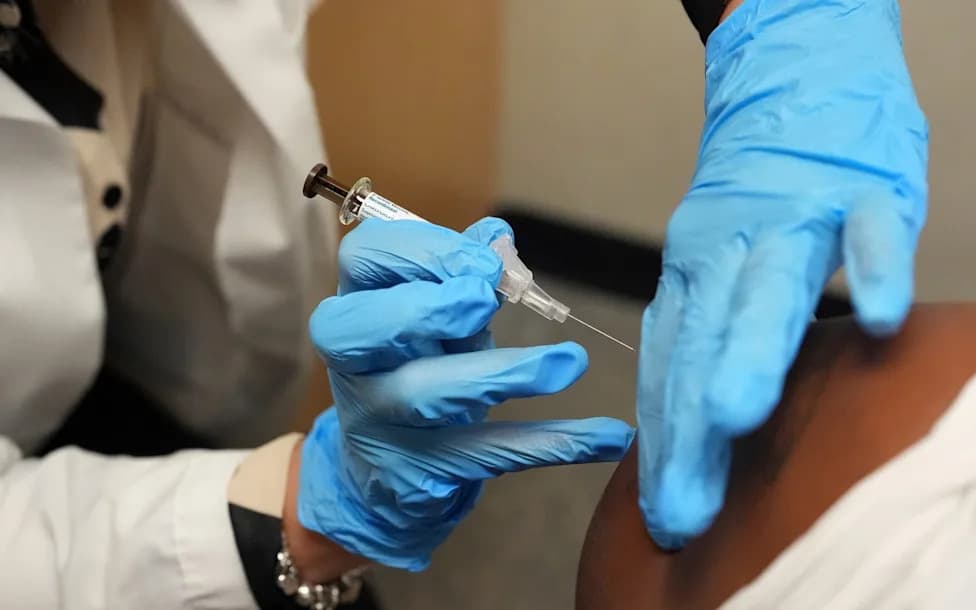
HPV vaccination in childhood has been shown to be highly effective at preventing cervical cancer - Rebecca Blackwell/AP
A major new analysis published in The Lancet Oncology finds that infections are responsible for about one in eight new cancer cases worldwide. The researchers estimate that roughly 2.3 million of the 20 million new cancer diagnoses in 2024 were attributable to common bacterial and viral pathogens—many of which could be prevented or treated with vaccines, antibiotics or improved public-health measures.
Key Findings
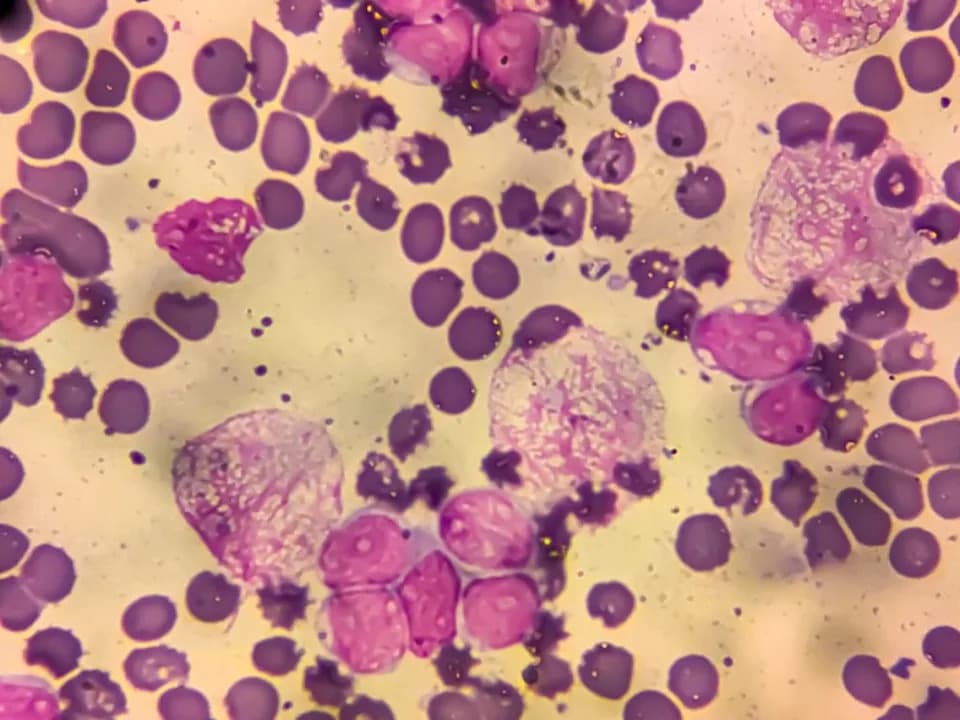
Nearly half of infection-linked cancers—about 760,000 cases—were associated with Helicobacter pylori, a bacterium that colonises the stomach. H. pylori is commonly acquired through contaminated food or water and is carried by an estimated 60% of people globally at any one time. The bacterium can persist for decades (often 20–40 years) without clear symptoms; chronic infection can trigger long-term inflammation and cellular changes that raise the risk of gastric cancer.
H. pylori–related stomach cancers are especially common in East Asia, where around 80% of people may carry the organism. Contributing factors include the regional prevalence of a more virulent strain (CagA) and dietary patterns—such as high consumption of salty, pickled or smoked foods—that can damage the stomach lining and accelerate inflammation.
Other Major Infection-Linked Cancers
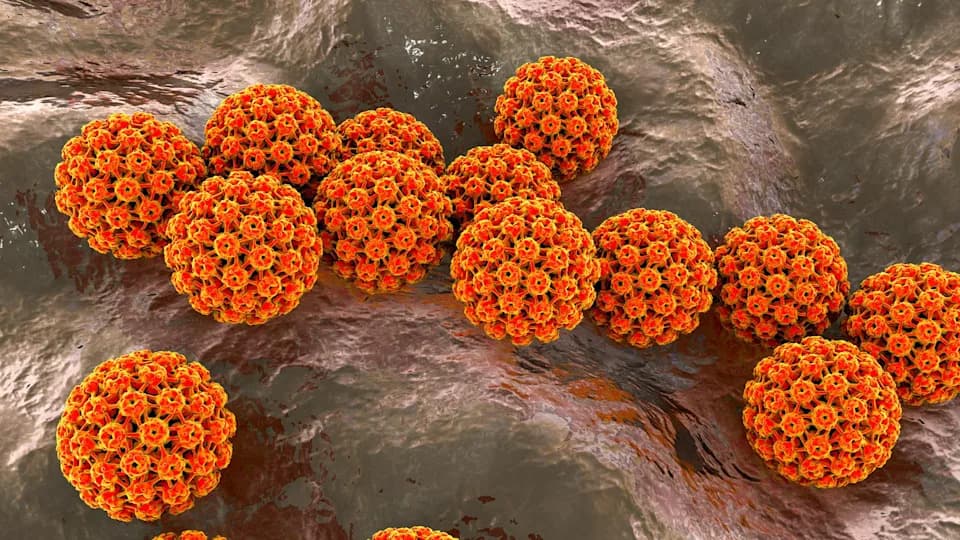
Four other pathogens account for most of the remaining infection-related cancers: human papillomavirus (HPV), hepatitis B virus (HBV), hepatitis C virus (HCV) and Epstein-Barr virus (EBV). Together they are responsible for roughly 1.5 million of the infection-attributable cases.
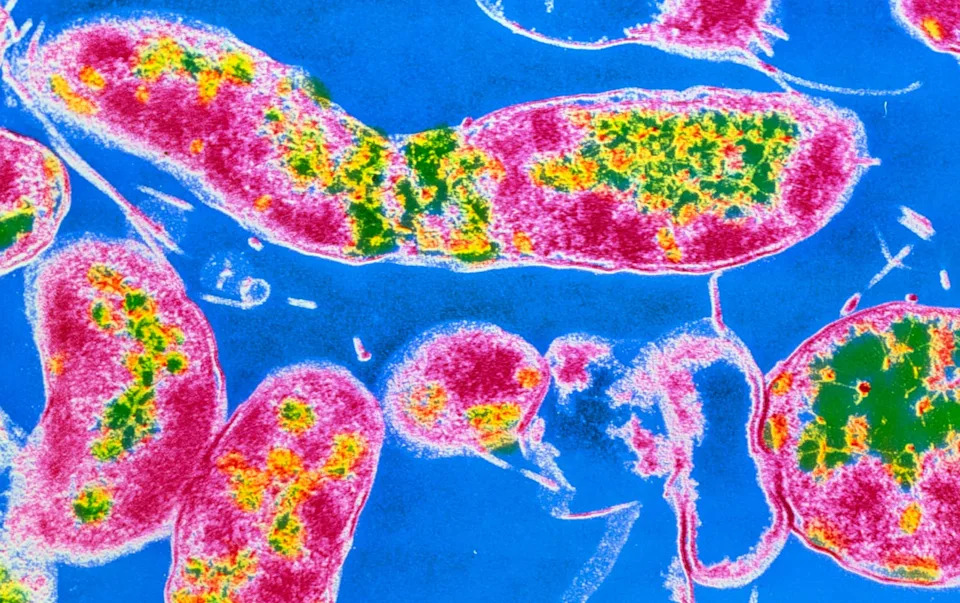
Almost half of infection-linked cancers were caused by H. pylori, a bacterium that infects the stomach - Science Photo Library
• HBV and HCV are the leading causes of liver cancer. HBV is preventable with an effective vaccine; HCV is now curable if detected and treated. Both viruses are transmitted through blood-to-blood contact (including mother-to-child transmission, unsafe injections, and shared needles) and remain common in parts of Africa and Asia where access to prevention and treatment is limited.
• High-risk strains of HPV are the principal cause of cervical cancer. Childhood HPV vaccination has proven highly effective: for example, the UK reported, for the first time last year, zero deaths from cervical cancer caused by a preventable HPV infection following a sustained vaccination programme. Nevertheless, HPV vaccine coverage and cervical screening remain uneven—especially across sub-Saharan Africa and parts of South Asia.
Prevention, Treatment and Barriers
Many infection-attributable cancers could be avoided with existing tools: antibiotics that eradicate H. pylori, vaccines (HPV and HBV), curative antiviral therapy for HCV, and expanded screening and treatment programs. Some countries—such as Japan and South Korea—have introduced screening programmes targeting H. pylori and have seen meaningful falls in prevalence (South Korea has reported a drop from about 54% to 44% over the past decade).
"Many [of these interventions] are cost-effective, but remain underused in many countries because of societal, financial and political barriers, often in the settings that need them most," the study's authors wrote in The Lancet Oncology.
Researchers note additional obstacles: cultural barriers that discourage people from seeking sexual-health services, weak healthcare infrastructure, shortages of resources, and the lower commercial incentives for developing vaccines that would primarily serve lower-income countries.
What This Means
The study underscores the significant role of infection control in reducing the global cancer burden. Scaling up vaccination, improving access to diagnostics and treatment, and strengthening public-health programmes could prevent large numbers of cancer cases and deaths—particularly in low- and middle-income countries where the burden and unmet needs are highest.
Help us improve.