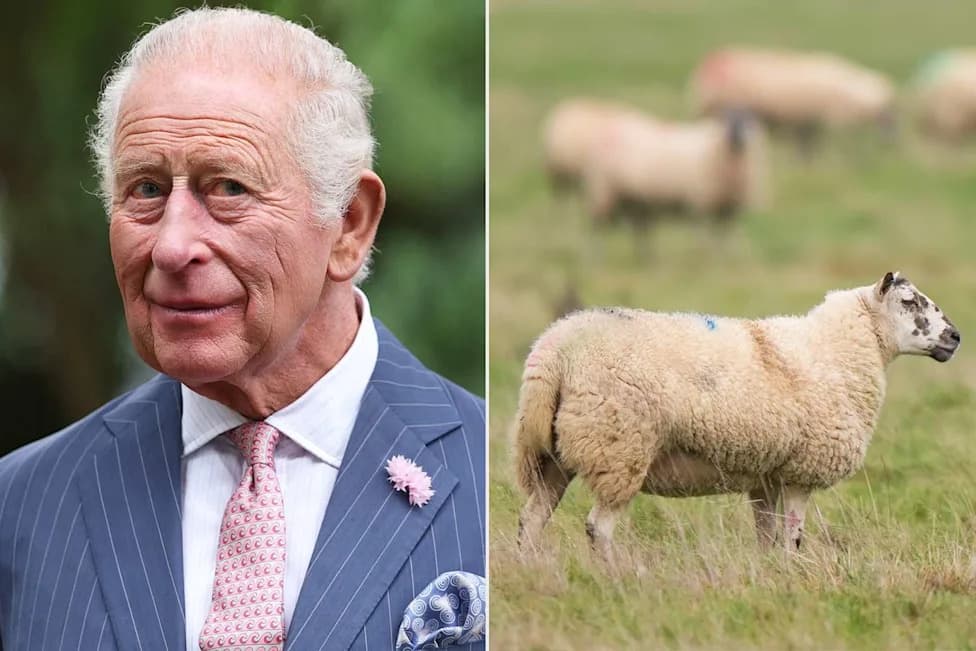
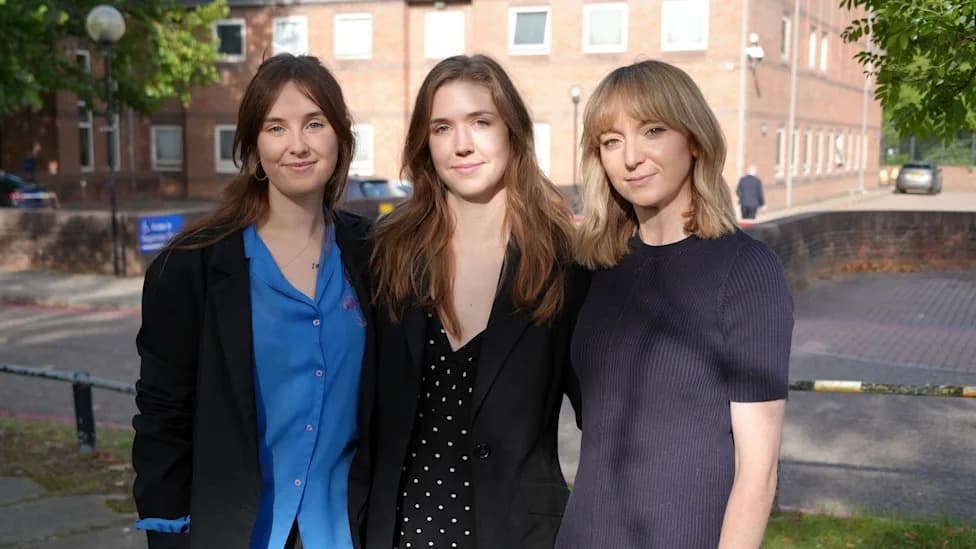
Three Animal Rising activists — Rosa Sharkey, Sarah Foy and Rose Patterson — were convicted at Norwich Crown Court for removing three lambs from King Charles III's Sandringham Estate on 24 May 2023. The defendants argued the King "would have consented" to a rescue on welfare grounds, but the jury rejected that defence after less than four hours of deliberation. Prosecutors called the action dishonest and said it was carried out to publicise the group's views; Animal Rising said the trial raised public awareness of animal farming.
Three Animal Rising Activists Convicted Over Sandringham Lamb Removal
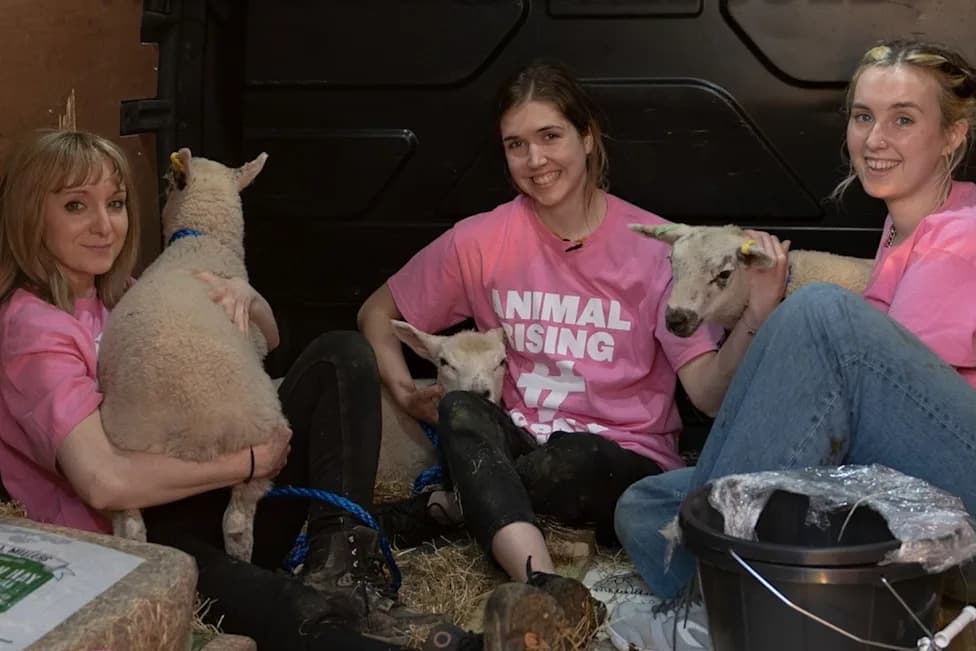
Photo Credit: Instagram
Three members of animal-rights group Animal Rising have been convicted of theft after removing three lambs from King Charles III's Sandringham Estate on 24 May 2023. The case attracted national attention for raising questions about farm-animal welfare and the tactics activists use to highlight it.
The jury at Norwich Crown Court found Rosa Sharkey (26), Sarah Foy (26) and Rose Patterson (37) guilty after deliberating for under four hours. The defendants had admitted taking the lambs but argued they were not guilty of theft because the King "would have consented to the lambs' rescue" on welfare grounds; the jury rejected that defence.
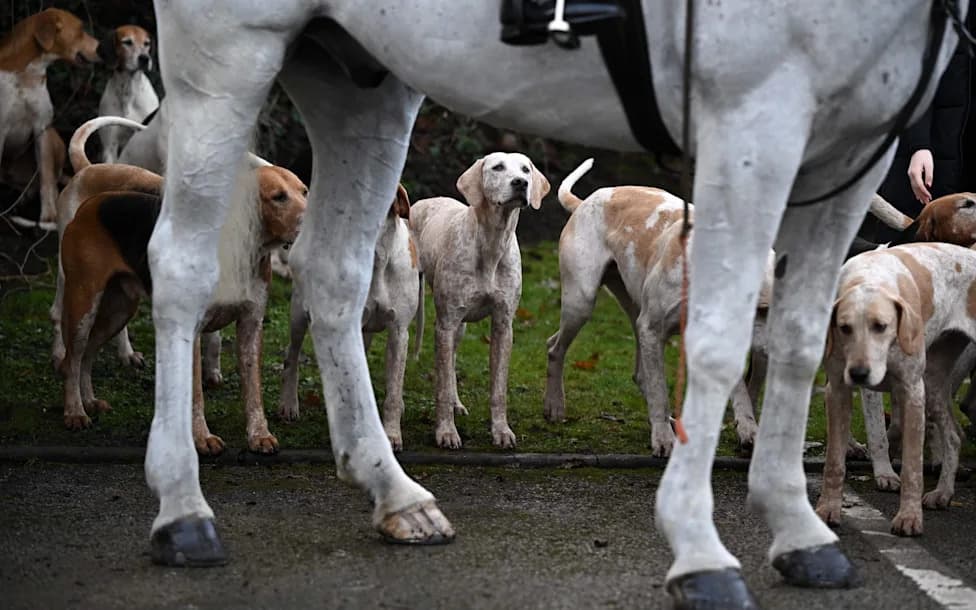
Court evidence said the group spent time near the flock so the sheep would become accustomed to them. Jurors heard that the activists met a van driver, crossed what was described in evidence as a "low electric fence" into the field, loaded three lambs into the vehicle and left the site.
On the witness stand, Rosa Sharkey told the court the group had taken the animals with "no intention of giving them back" and said their aim was to "open [the King's] eyes" to the "reality of sheep farming." Under cross-examination she also said, "It wasn't a stunt — we rescued them so they wouldn't be sent to slaughter."
Prosecution Case
Prosecutor Dingle Clark dismissed the suggestion that the owner would have consented as "an obvious nonsense." He told jurors the defendants' actions were dishonest, saying: "The prosecution say this was plainly dishonest. The reason why it was dishonest is they were taking something which didn't belong to them. They had to put a door over a fence and they did it… to publicise their views."
Before attending a police station, the activists said they had first tried to speak with officers near Windsor Castle.
Reaction and Wider Debate
Animal Rising described the episode as a communications victory despite losing the case. In an Instagram post after the verdict the group wrote: "Despite this verdict, the rescue and trial have helped put the reality of animal farming in front of the country. We know a better world is possible."
The prosecution, the activists and public commentators have framed the case as part of a wider debate over whether animal-welfare concerns are best addressed through direct protest and publicity or through legal and political channels. Similar disputes over animal welfare have recently played out internationally, from legislative changes in Ireland and Hawaii to heated public debate over fur sales in Chicago and landmark wildlife prosecutions in Sri Lanka.
Note: Reporting is based on courtroom proceedings at Norwich Crown Court and public statements by participants; no sentencing detail was available in the source reporting.
Help us improve.