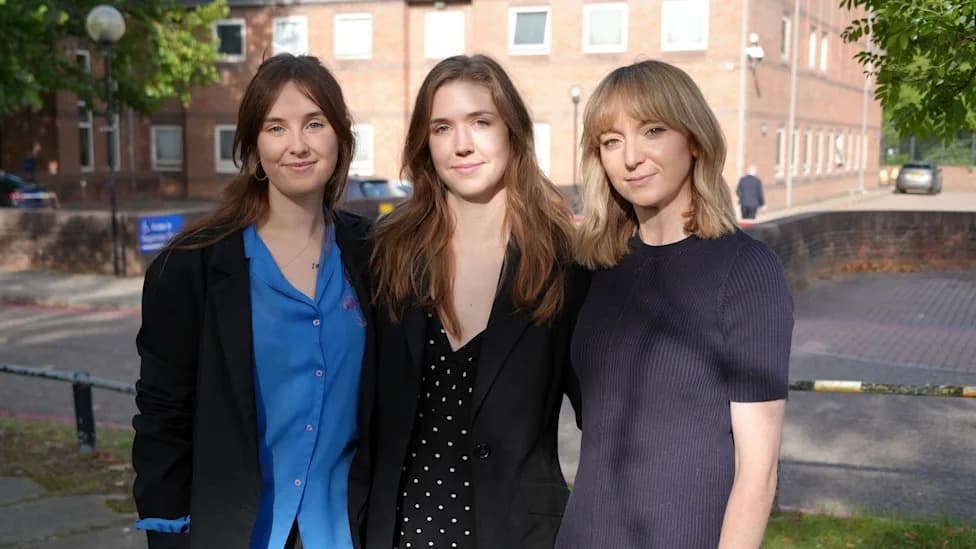
Three members of Animal Rising — Rosa Sharkey (26), Sarah Foy (26) and Rose Patterson (37) — were unanimously convicted at Norwich Crown Court of removing three lambs from Appleton Farm on the Sandringham estate in May 2023. The defendants say the lambs remain at an animal sanctuary and refuse to return them, arguing their action exposed the realities of sheep farming. The theft, which involved climbing a low electric fence and leaving in a small van, has drawn attention because it involved royal land and public protest; sentencing is pending.
Three Animal-Rights Activists Convicted Over Lamb Theft at King Charles's Sandringham Estate
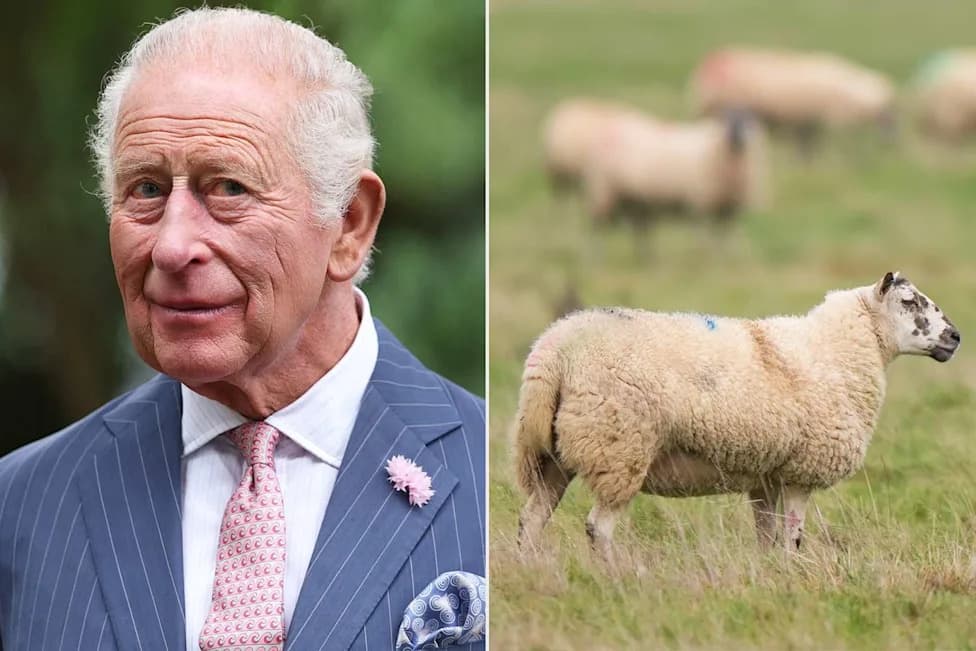
King Charles; sheep grazing on the Sandringham estateCredit: Toby Melville / POOL / AFP via Getty; Joe Giddens/PA Images via Getty
Three members of the activist group Animal Rising have been found guilty of stealing three lambs from Appleton Farm on King Charles's Sandringham estate.
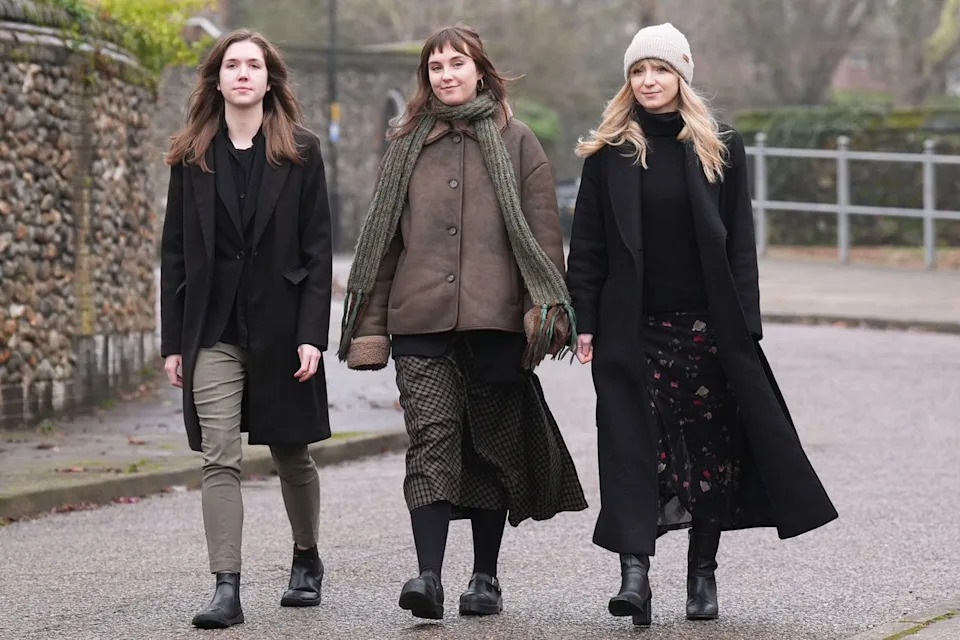
Sarah Foy, Rosa Sharkey and Rose Patterson arrive at Norwich Crown Court, where they are charged with the theft of three lambs from a field on King Charles' Sandringham Estate in West Newton, Norfolk,sdxcx between May 24 and May 25, 2023Credit: Joe Giddens/PA Images via Getty
At Norwich Crown Court, a jury of 12 — five men and seven women — returned a unanimous verdict against Rosa Sharkey (26), Sarah Foy (26) and Rose Patterson (37). The trio were convicted of removing the lambs during an incident on the night of May 24, 2023; sentencing is scheduled for a later hearing.
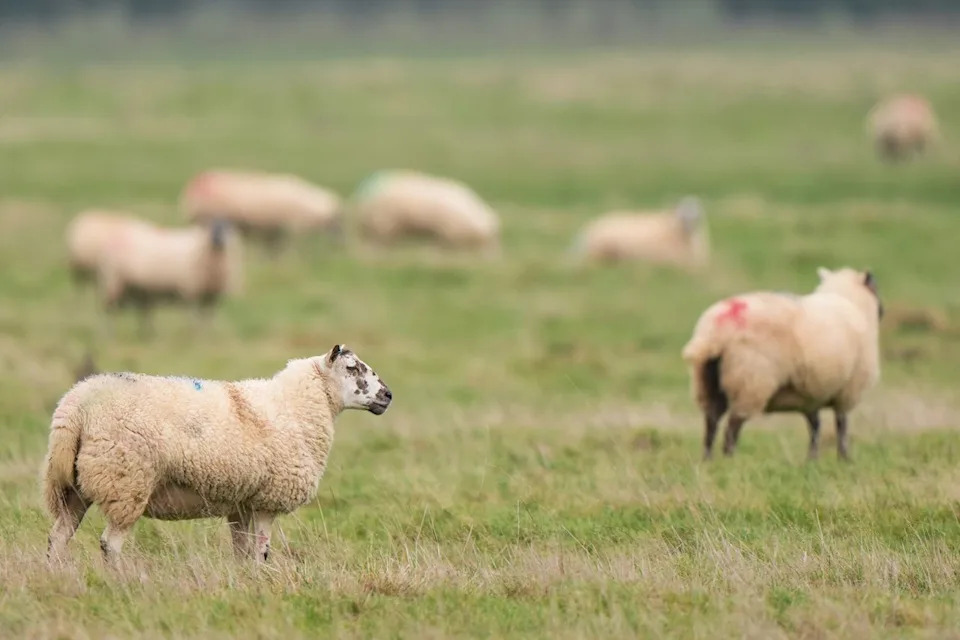
Sheep grazing in a field at Appleton Farm on King Charles' Sandringham EstateCredit: Joe Giddens/PA Images via Getty
Prosecutors said the women entered a field at Appleton Farm by climbing over a low electric fence, spent several hours among the flock and each took a lamb before leaving in a small van driven by a man who was not tried with them. The defendants told the court they removed the animals to draw attention to what they described as the "hidden realities" of sheep farming.
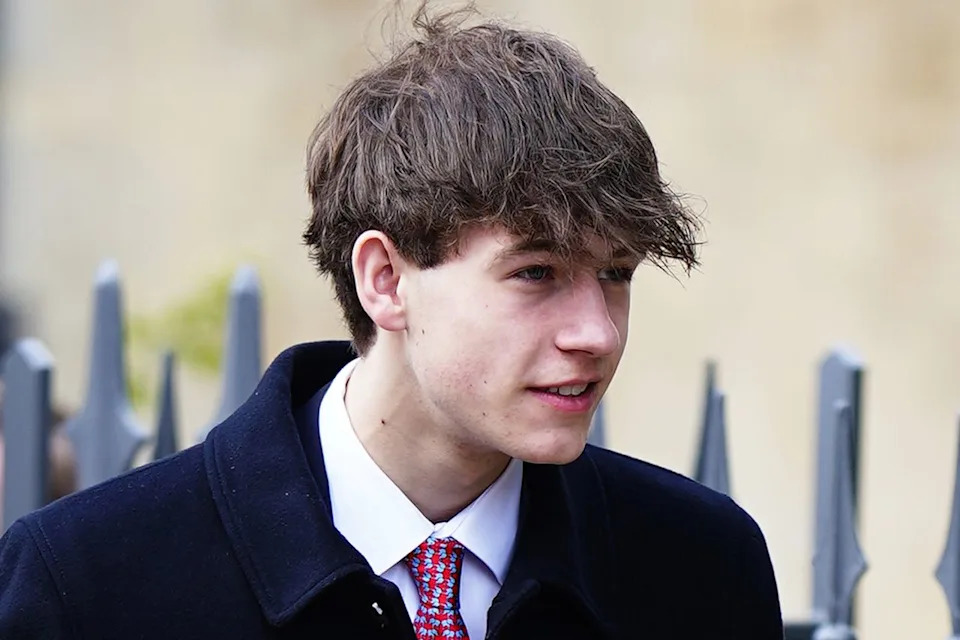
James, Earl of Wessex, attends the Easter Service at St George's Chapel, Windsor Castle, on April 5, 2026Credit: Aaron Chown/PA Images via Getty
"The King says he is an environmentalist and animal lover," Rosa Sharkey told the court. "I believed the King would have consented to the lambs' rescue given his interest in conservation. The reality of sheep farming — what animals face at slaughter and the environmental impact on the land — is not something he would agree with."
The women said three years after the incident the lambs are still alive at an animal sanctuary and that they have no intention of returning them. They also admitted publicly posting photographs of the lambs at the sanctuary and images of themselves outside Windsor Castle holding signs that read, "I rescued the King's sheep." In open court they declined to disclose the sanctuary's location.
Sandringham is one of the royal family's working estates and has a long association with the monarchy. The case attracted wider attention because it involved land linked to the King and because the defendants framed their actions as a form of public protest about farming practices.
What Happens Next
The three defendants will be sentenced at a later date. The man who drove the van was not prosecuted alongside them in this trial.
Reporting on the case has also highlighted public interest in royal estates and countryside stewardship. Separately, media coverage has noted the royal family's ongoing ties to agricultural life — for example, the King's nephew, James, Earl of Wessex, has undertaken farm work at Sandringham and is studying Rural Land & Property Management.
Help us improve.