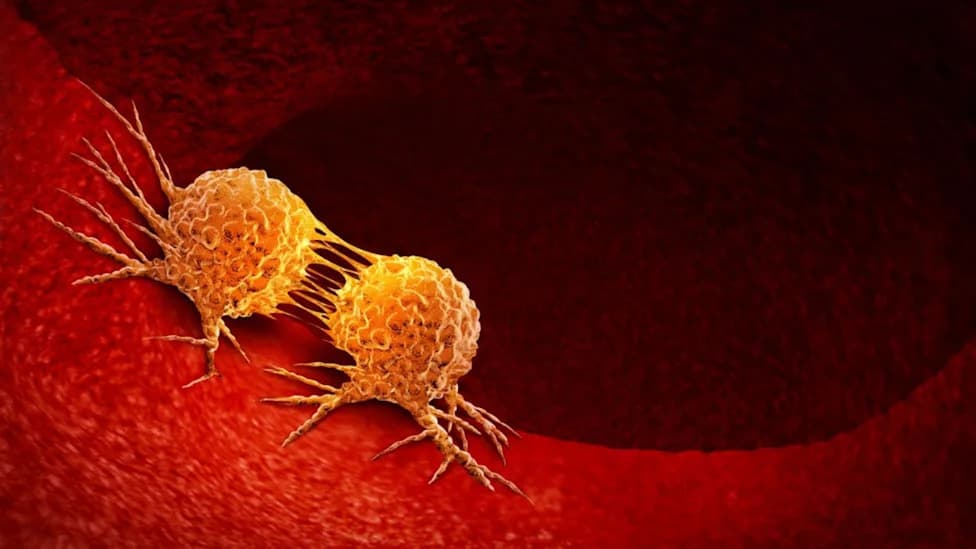
A 27-year Danish analysis found that adults with type 2 diabetes have a consistently higher cancer incidence than people without diabetes, and that the gap widened between 2010 and 2022. The excess risk rose to 12% in men and 22% in women with T2D, driven largely by obesity-related cancers such as colorectal and postmenopausal breast cancer. Investigators identified 75,540 new cancers among people with T2D versus 635,323 among those without diabetes and call for greater emphasis on cancer prevention, screening and research into outcomes after diagnosis.
Study: Cancer Rates Rising Faster Among People With Type 2 Diabetes — Obesity-Related Cancers Drive The Trend
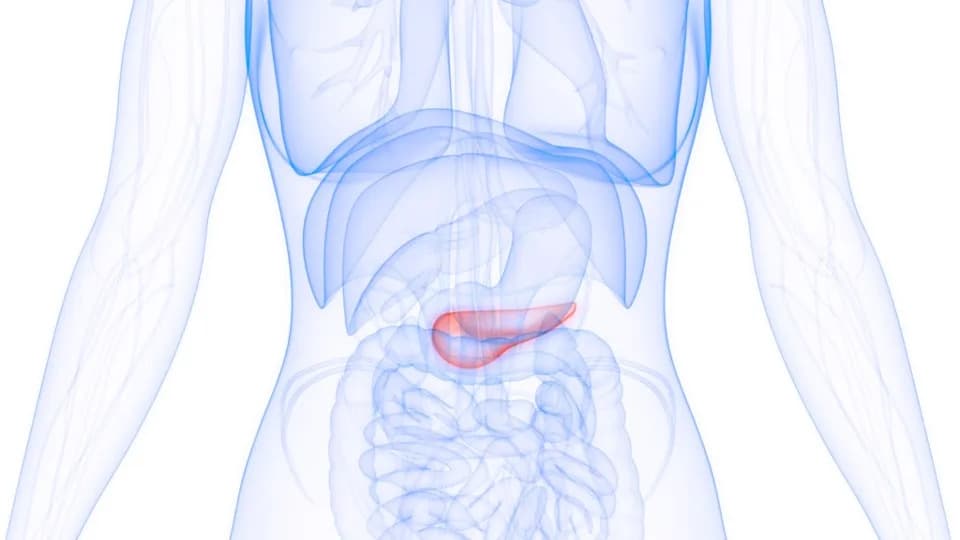
Stock illustration of the pancreas in the body.
A new nationwide Danish study suggests adults with type 2 diabetes (T2D) have a persistently higher risk of developing certain cancers than people without diabetes, and that the gap has widened over recent decades. The analysis used 27 years of nationwide health registry data (1996–2022) and was presented at the European Association for the Study of Diabetes (EASD) Annual Meeting in Milan. It has not yet been submitted to a peer-reviewed journal.
Key Findings
The researchers identified 75,540 new cancers among people with T2D and 635,323 new cancers among people without diabetes over the 27-year period. Between 1996 and 2009, cancer incidence was 9% higher in men with T2D and 15% higher in women with T2D compared with those without diabetes. From 2010 to 2022, those excess risks increased to 12% in men and 22% in women.
Much of the recent rise is driven by obesity-related cancers. Between 2010 and 2022, obesity-linked cancers were 45% more common in men with T2D and 30% more common in women with T2D than among people without diabetes. Specific increases included a 17% higher rate of colorectal cancer in men with T2D and a 14% higher rate in women with T2D; postmenopausal breast cancer incidence was 8% higher among women with T2D in the same period.
Possible Mechanisms
The investigators note several biological and metabolic mechanisms that may explain the association: long-term high blood glucose, chronically elevated insulin levels, insulin resistance and chronic inflammation, all features commonly associated with T2D that can contribute to cancer development or progression.
Tinne Laurberg, one of the study researchers, told Newsweek: "Cancer incidence remained higher among people with type 2 diabetes throughout the 27-year study period, with the gap becoming more pronounced in recent years. The excess risk varied substantially by sex and cancer site, with particularly marked differences for obesity-related cancers."
Methods And Context
The study compared new cancer diagnoses among all adults living in Denmark from 1996 through 2022 using national health registries. The authors caution that the findings are observational and that the analysis has not yet undergone peer review. They also highlight that improvements in cardiovascular prevention for people with T2D may have shifted the long-term disease burden, making cancer a more prominent cause of illness and death in this population.
Implications
In Denmark, the researchers report that cancer has become the leading cause of death among people with T2D. The study underscores the need to integrate cancer prevention and early detection into diabetes care and to investigate how T2D affects cancer treatment responses and long-term outcomes after diagnosis.
Takeaway: People with type 2 diabetes face a higher and growing burden of certain cancers—especially obesity-related types—highlighting the importance of prevention, screening and research on post-diagnosis care for this population.
Help us improve.