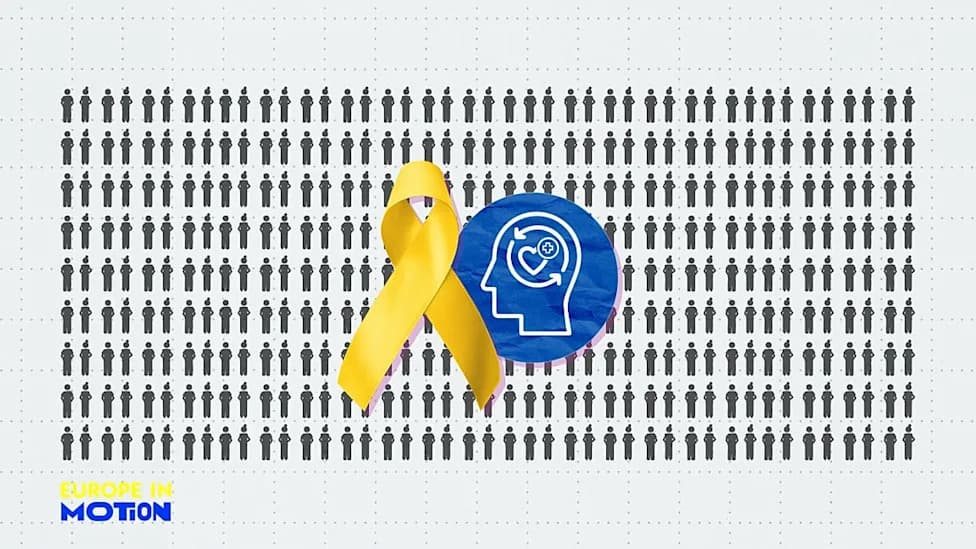
The European Commission has proposed a Council recommendation to expand routine screening for blood pressure, cholesterol and blood sugar, prioritising people at higher risk. Cardiovascular disease causes about 1.7 million deaths annually in the EU and costs over €282 billion; up to 80% of cases could be prevented by tackling key risk factors. The initiative sits within the Safe Hearts Plan, which seeks a 25% reduction in premature cardiovascular deaths by 2035 through wider screening, targeted outreach and responsible use of digital tools.
EU Pushes Routine Checks to Tackle ‘Silent Killers’ — Blood Pressure, Cholesterol and Blood Sugar
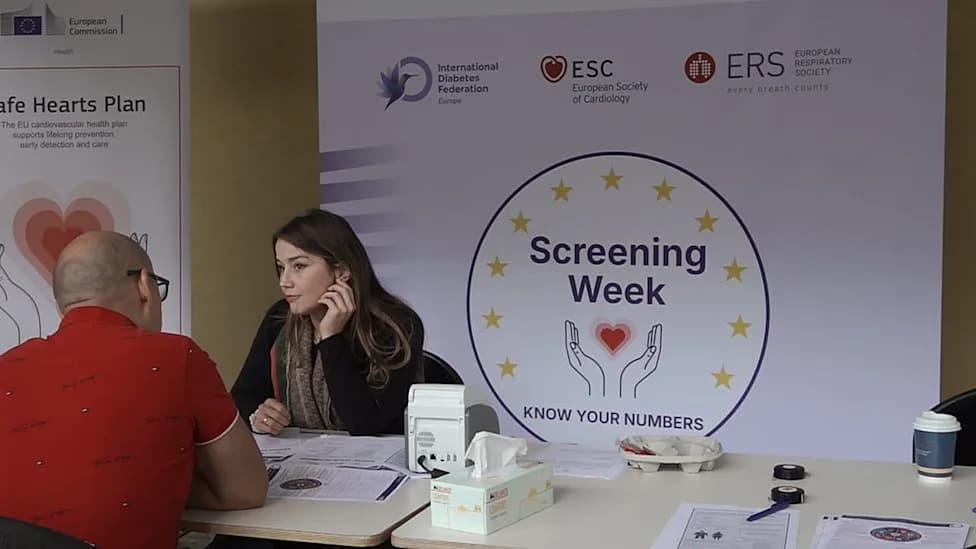
Cholesterol, blood pressure can be silent killers. European Commission is after them
The European Commission on Monday proposed a Council recommendation urging routine checks of blood pressure, cholesterol and blood sugar, with special attention to people at elevated risk. The move is part of a wider effort to prevent cardiovascular disease — the EU's leading cause of death — and to detect diabetes and other conditions earlier.
Why This Matters
Cardiovascular disease claims roughly 1.7 million lives in the EU each year and imposes an economic burden exceeding €282 billion. The Commission estimates that up to 80% of cases could be prevented by addressing risk factors such as hypertension, obesity and high cholesterol. Screening and early intervention are central to that prevention effort.
"A very large majority of premature cardiovascular diseases could be avoided if we identify risks earlier and if we act earlier," Health Commissioner Olivér Várhelyi said at the press briefing.
The Safe Hearts Plan
The recommendation is part of the Commission's Safe Hearts Plan, unveiled in December 2025, which aims to reduce premature cardiovascular deaths by 25% by 2035. The plan calls for broader access to screening, targeted outreach to vulnerable groups, and responsible use of digital and AI tools — explicitly requiring human oversight for any automated systems.
Current Gaps and Actions
Fewer than half of EU member states currently run formal cardiovascular health-check programmes, and existing schemes vary widely in coverage and delivery. To help close the gap, health organisations set up free checks across Europe during EU Screening Week, offering blood pressure, cholesterol and blood sugar tests accessible to everyone.
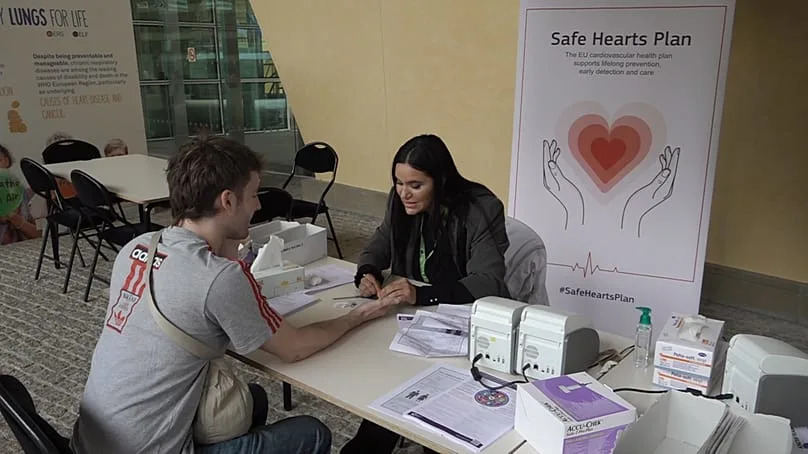
Cardiovascular disease is the EU's biggest killer, claiming around 1.7 million lives a year and costing the economy more than €282 billion. - Giedrė Peseckytė
Sophie Millar, EU Policy Advocacy Manager at the European Society of Cardiology, said the initiative could reduce inequalities by reaching harder-to-reach and vulnerable communities who have the greatest need for testing.
Blood sugar screening is particularly important because diabetes often remains undiagnosed: the International Diabetes Federation (IDF) estimates that one in four people with diabetes in Europe are unaware of their condition. Diabetes also raises the risk of other non-communicable diseases, including cardiovascular disease, cancer and kidney disease.
"Primary prevention starts with simple health checks … it all starts with knowing your health data and health numbers and that can save lives," said Maxence Prizzi, EU Policy and Advocacy Coordinator at IDF Europe.
Health professionals emphasize that routine testing matters even for people who feel healthy. "At a certain age, everyone needs to know their glycaemic, lipid and cholesterol levels to know if they are in the norm or not," said nurse Grace Bayams, who helped administer tests in Brussels.
Participants who visited screening stands cited a mix of practical and curiosity-driven reasons: some used the opportunity to catch up on medical checks they had postponed, while others — even health professionals — welcomed the reminder about the value of prevention.
What You Can Do: If you are in the EU, ask your healthcare provider about routine checks for blood pressure, cholesterol and blood sugar, especially if you have risk factors such as high weight, a family history of cardiovascular disease, or symptoms of diabetes. Early detection and lifestyle changes or treatments can substantially reduce your risk.
Help us improve.