The study of about 3.37 million people found a rare germline mutation, EGFR T790M, that is associated with a large increase in lung-cancer risk—roughly 25-fold overall and about 62-fold among never-smokers. The variant is very uncommon (≈1 in 15,000 in the U.S.) but appears concentrated in parts of Southern Appalachia, likely from a founder effect. Researchers caution that absolute risks, interactions with other factors, and clinical management remain unclear, so broad population screening is not currently recommended.
Rare Inherited EGFR T790M Mutation Tied to Dramatically Higher Lung Cancer Risk—Especially in Never-Smokers
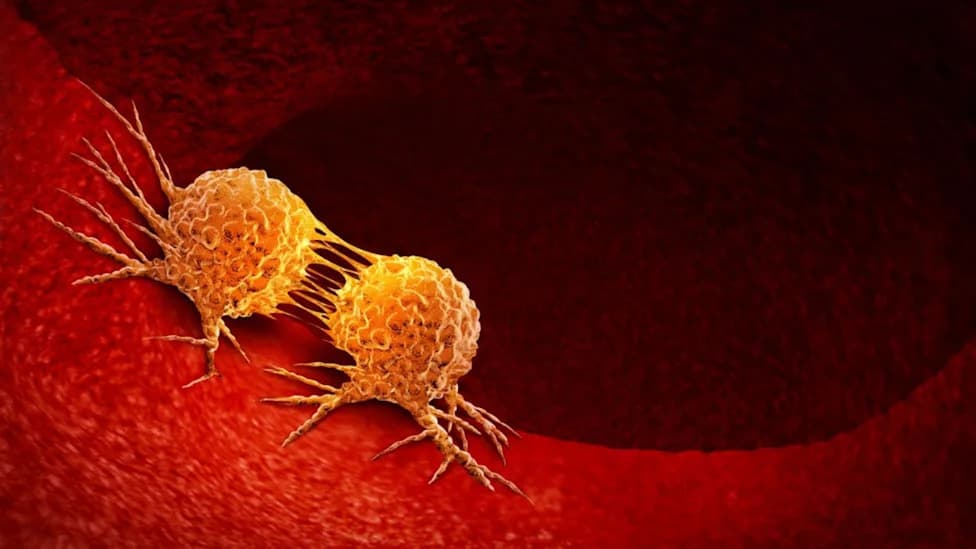
Cancer cell dividing
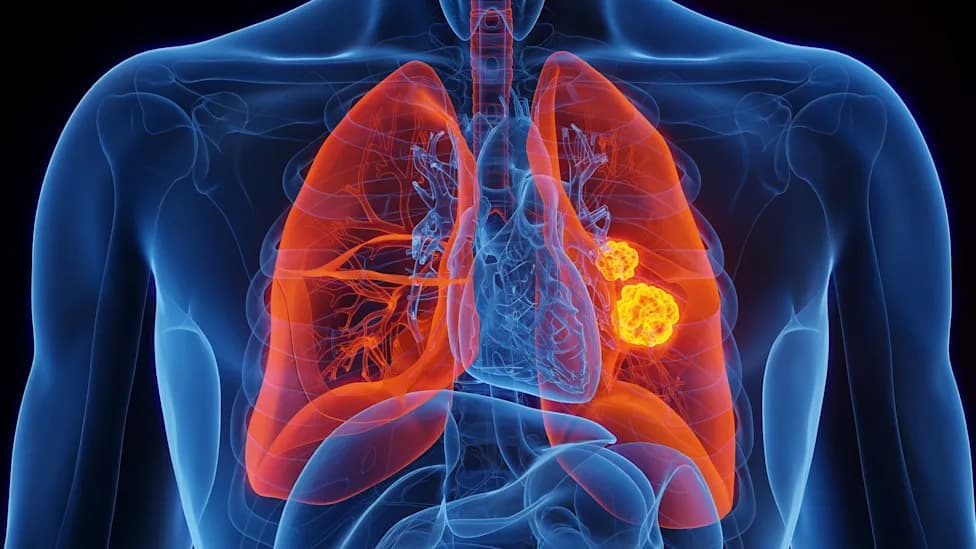
New research analyzing genetic data from roughly 3.37 million people of European ancestry has identified a rare germline variant, EGFR T790M, that is associated with a markedly higher risk of lung cancer—most strikingly in people who have never smoked.
What the Study Found
Researchers examined inherited (germline) EGFR T790M, meaning this mutation is present in the DNA people are born with and exists in cells throughout the body rather than arising only in tumor tissue. Across the full study population, carrying the variant was associated with about a 25-fold increase in lung-cancer risk compared with non-carriers. When the analysis was restricted to people who had never smoked, the effect size rose to roughly a 62-fold increase in risk for carriers versus non-carriers.
Rarity and Regional Concentration
Although the relative risks are unusually large, the variant remains very rare overall. Investigators estimated a U.S. prevalence around 1 in 15,000 people, but they found higher concentrations in parts of Southern Appalachia—notably Tennessee and Alabama. Genetic evidence suggests a founder effect tied to British and Irish colonial-era ancestry, amplified over generations in relatively isolated communities.
Specificity and Context
The study tested associations with other common cancers and respiratory conditions and did not find significant links, suggesting the strongest effect of this germline change is on lung cancer specifically. For context, in the same dataset a history of smoking was associated with roughly a fourfold increase in lung-cancer risk—underscoring that the EGFR T790M effect among carriers is unusually large but does not diminish the well-established harms of tobacco.

Image Credit: PeopleImages Via Shutterstock
Takeaway: Never having smoked substantially reduces most lung-cancer risk but does not eliminate all pathways. Rare inherited variants such as EGFR T790M provide one clear example of how genetics can create high risk even in lifelong nonsmokers.
Implications and Next Steps
Current lung-cancer screening guidelines focus primarily on people with heavy smoking histories, so most lifelong nonsmokers do not qualify for routine screening. This discovery raises the possibility that targeted genetic testing could one day identify an additional high-risk group, but the researchers emphasize that broad population screening for EGFR T790M is not yet warranted.
Key unanswered questions include the absolute lifetime cancer risk for carriers, how other genes or environmental exposures modify that risk, and why some carriers develop cancer while others do not. The study also highlights the need for future research in more diverse populations, since the analysis largely involved individuals of European ancestry.
What This Means for Individuals
For most people, the best actions remain known prevention measures: avoid smoking, reduce exposure to secondhand smoke and radon, and follow public-health guidance about occupational and environmental risks. If family history or ancestry raises concern, a discussion with a genetic counselor or clinician can help determine whether targeted genetic evaluation is appropriate.
Image credit: PeopleImages via Shutterstock
Help us improve.