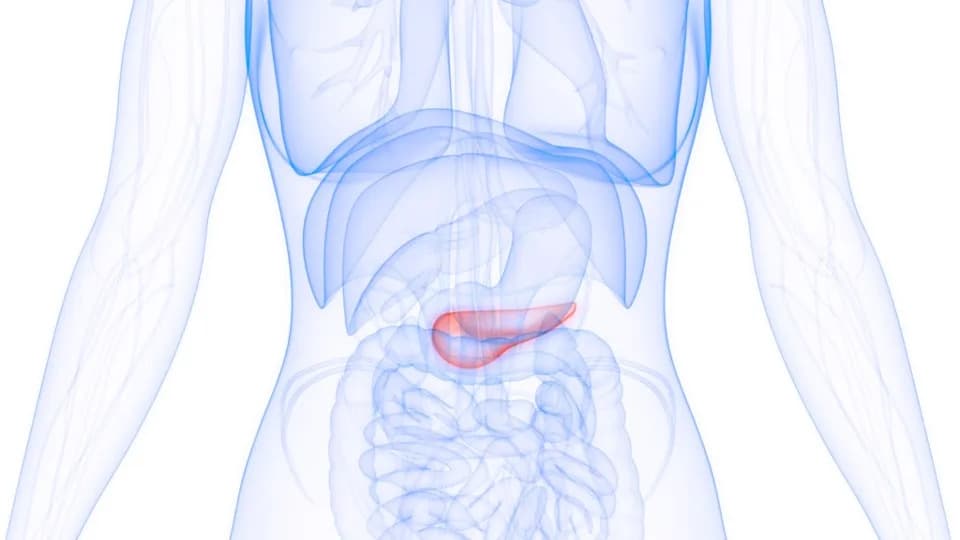
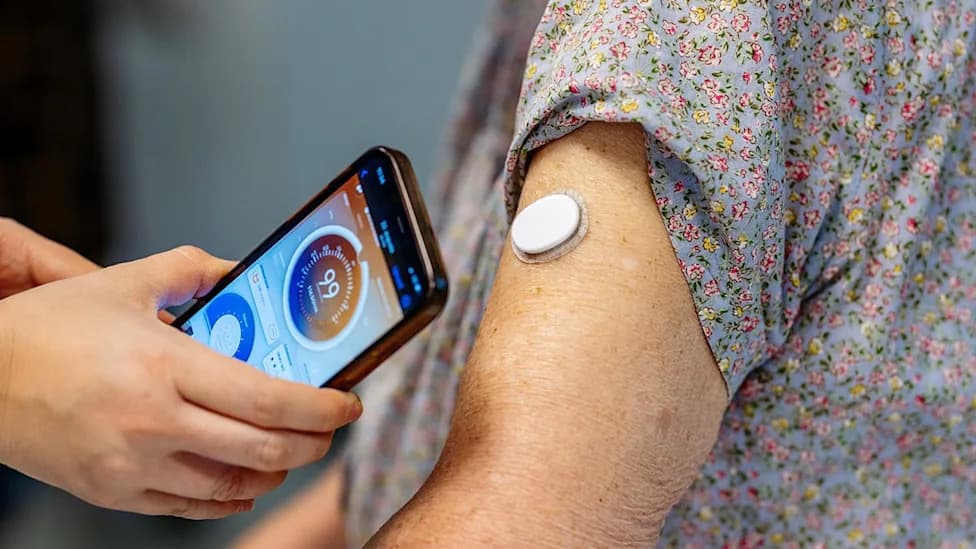
Researchers analyzing 89,953 adults in the NutriNet-Santé cohort found that high intake of N-glycolylneuraminic acid (Neu5Gc), a sugar concentrated in red meat, was associated with a 63% higher risk of developing type 2 diabetes over a median 7.2 years. A dose-response pattern was observed and obesity explained about 13% of the association. The link weakened when adjusting for total red meat intake and remains preliminary because the study is observational and may be affected by measurement error and residual confounding.
Sugar in Red Meat Linked to 63% Higher Type 2 Diabetes Risk — Preliminary Large French Study
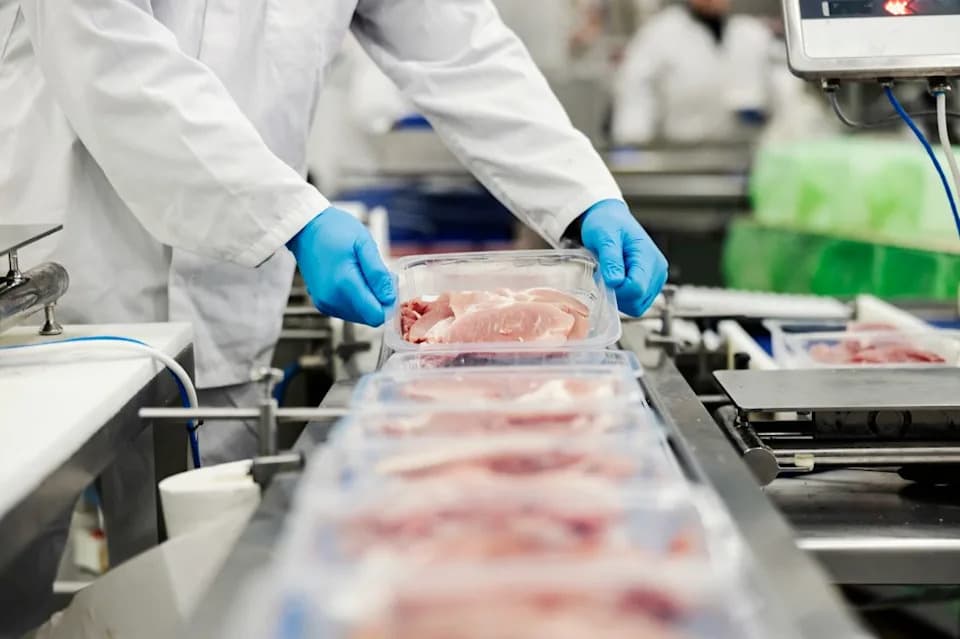
A stock image of a meat industry worker gathering packed meat on a conveyor belt.
New observational research presented at the European Association for the Study of Diabetes (EASD) meeting suggests that a sugar found mainly in red meat may partly explain the long-noted association between high red meat consumption and increased risk of type 2 diabetes.
Study Design and Methods
Investigators analyzed data from 89,953 adults enrolled in France's NutriNet-Santé cohort. Participants were free of type 2 diabetes and cancer at enrollment and were followed for a median of 7.2 years. Researchers estimated dietary exposure to N-glycolylneuraminic acid (Neu5Gc) — a sugar abundant in beef and lamb and present in smaller amounts in some dairy products — using detailed dietary records combined with a food composition database that quantifies Neu5Gc content.
Key Findings
During follow-up, 966 participants developed type 2 diabetes. After adjusting for age, sex, physical activity, smoking status, overall diet quality and pre-existing medical conditions, those in the highest quintile of meat-derived Neu5Gc intake had a 63% higher risk of developing type 2 diabetes than those in the lowest quintile. A clear dose-response pattern was observed: participants in the second-highest quintile had a 41% higher risk than those in the lowest quintile.
The association persisted after accounting for body weight and when early diabetes cases were excluded. When models adjusted for body mass index (BMI), the relationship remained but weakened; the authors estimated that obesity accounted for about 13% of the observed link. Adjusting for total red meat consumption further attenuated the association so that it was no longer statistically significant, suggesting Neu5Gc may explain part — but not all — of the red meat–diabetes relationship.
No association was found between Neu5Gc from dairy sources and diabetes risk. Looking at total dietary Neu5Gc (from all foods), the highest intake group had a 37% greater risk of type 2 diabetes compared with the lowest intake group, an effect largely driven by red meat.
Interpretation and Expert Commentary
Neu5Gc is produced by most non-human mammals but not by humans due to an ancient genetic mutation. When humans ingest Neu5Gc, it can be incorporated into tissues and may provoke a chronic immune response, which has been linked previously to inflammation-related conditions such as cardiovascular disease and cancer. Lead author Dr. Leopold Fezeu and coauthors propose that chronic immune activation from Neu5Gc could be a biological mechanism linking red meat consumption and type 2 diabetes.
Independent expert Dr. Flora Bailey described the findings as 'interesting' and a plausible new pathway worth investigating, but she cautioned that the results are preliminary and do not prove causation.
Limitations
The authors emphasize several important limitations: the study is observational and cannot establish cause and effect; dietary estimates of Neu5Gc may contain measurement error; some participants could have had undiagnosed prediabetes at baseline; and residual confounding by unmeasured lifestyle or socioeconomic factors may remain. The findings are preliminary and have not yet been independently validated.
What Comes Next
Researchers call for replication in other cohorts, experimental and mechanistic studies to test whether Neu5Gc directly contributes to diabetes risk, and randomized dietary trials to determine if reducing exposure to Neu5Gc-rich foods (such as beef and lamb) lowers diabetes risk.
Help us improve.