Andy Burnham has enjoyed an early polling boost, but faces substantial tests: immigration unrest, energy-driven inflation and a resurgent Reform UK threaten his momentum. At the first Labour conference and ahead of the new chancellor’s budget he must set out credible economic and public‑service plans while managing internal party divisions and Green challenges. Burnham has ruled out an early election, but timing a future poll remains a strategic dilemma.
The 'Burnham Bounce': How Long Can Britain’s New Prime Minister Hold Momentum?
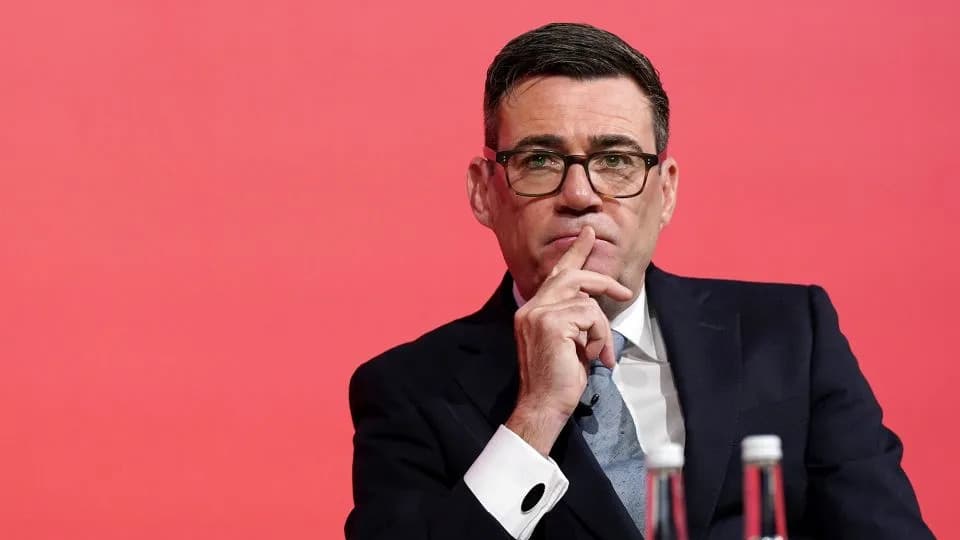
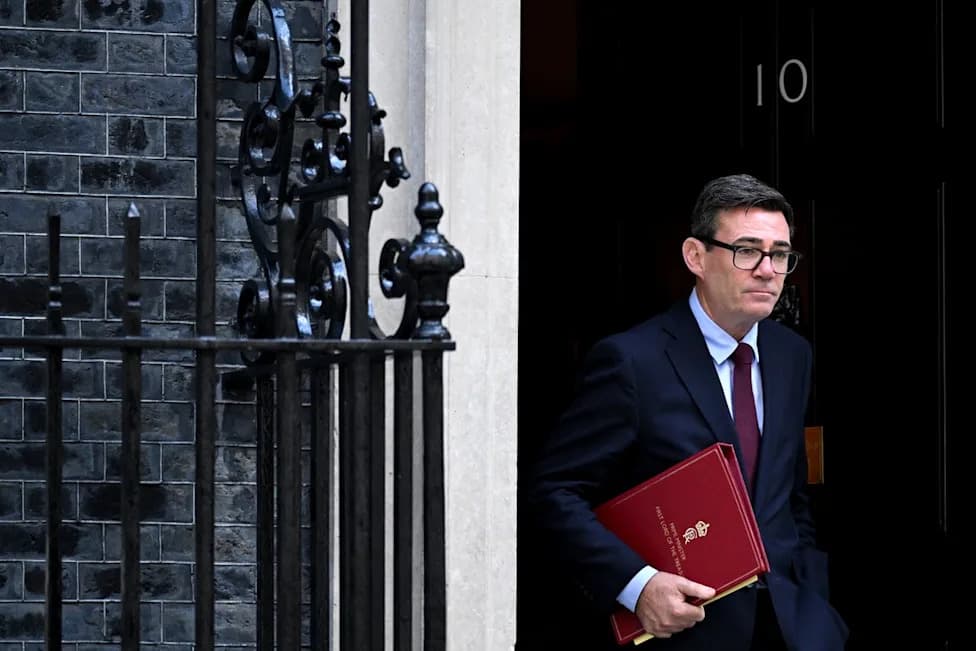
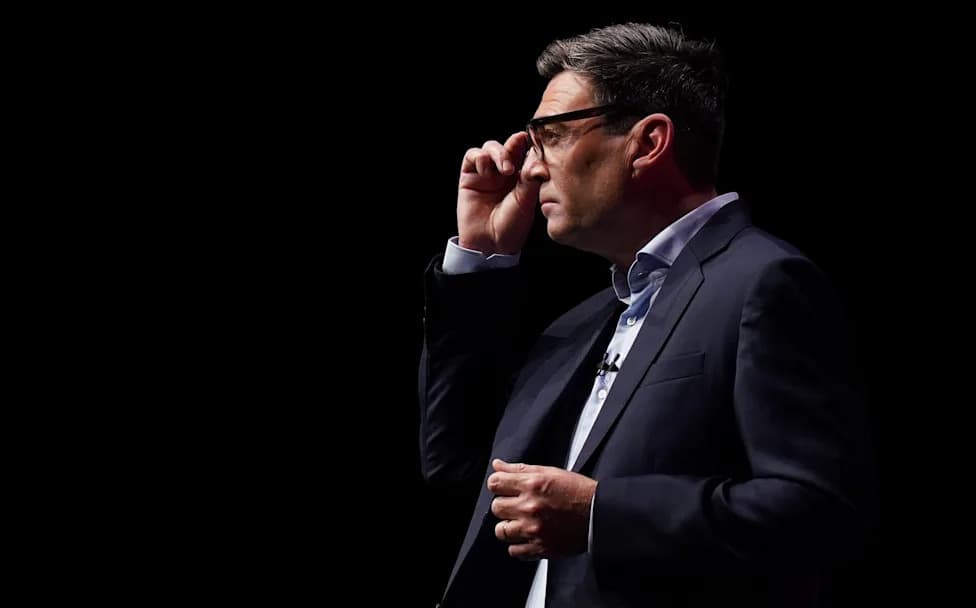
UK Prime Minister Andy Burnham is facing questions over the state of the British economy, immigration policies and social care reform. - Ian Forsyth/Getty Images
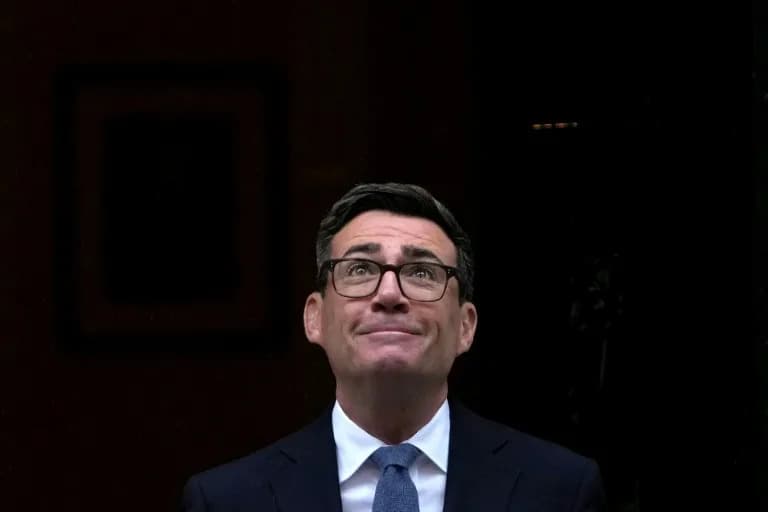
Some commentators have dubbed the recent uplift in public support for the governing Labour Party the “Burnham bounce.” The phrase refers to the surge of goodwill that followed former Manchester mayor Andy Burnham taking office this summer as the UK’s seventh prime minister in a decade.
Why Early Momentum Won’t Solve Deep Problems
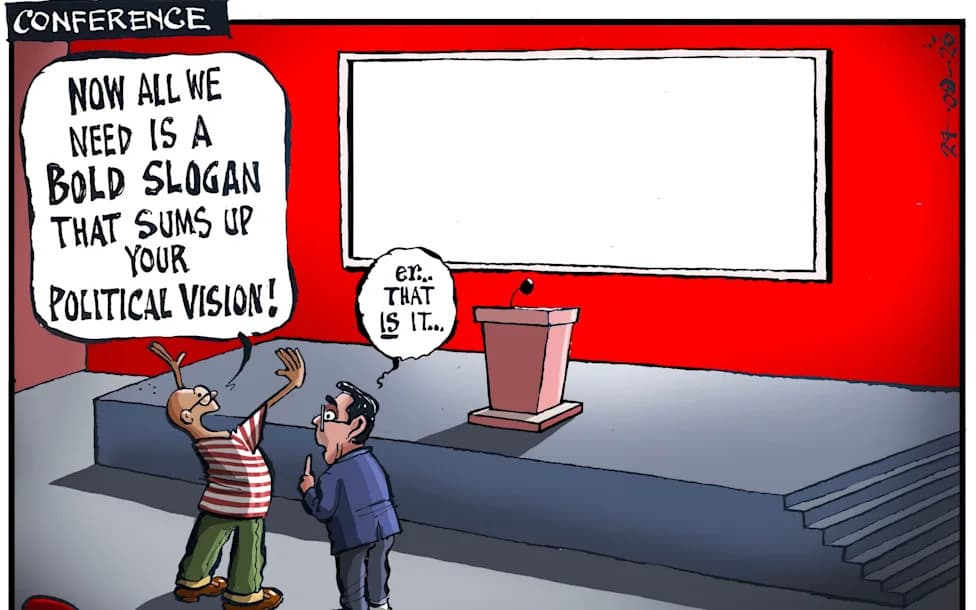
Optimism alone is unlikely to resolve the structural problems that dogged Burnham’s predecessor: a fraught national debate over immigration, a fragile economy buffeted by rising energy costs linked to the Middle East conflict, and growing geopolitical tensions. This week Burnham faces intense scrutiny to show concrete answers at the first Labour conference of his premiership, even as the hard-right Reform UK party remains narrowly close in the polls.
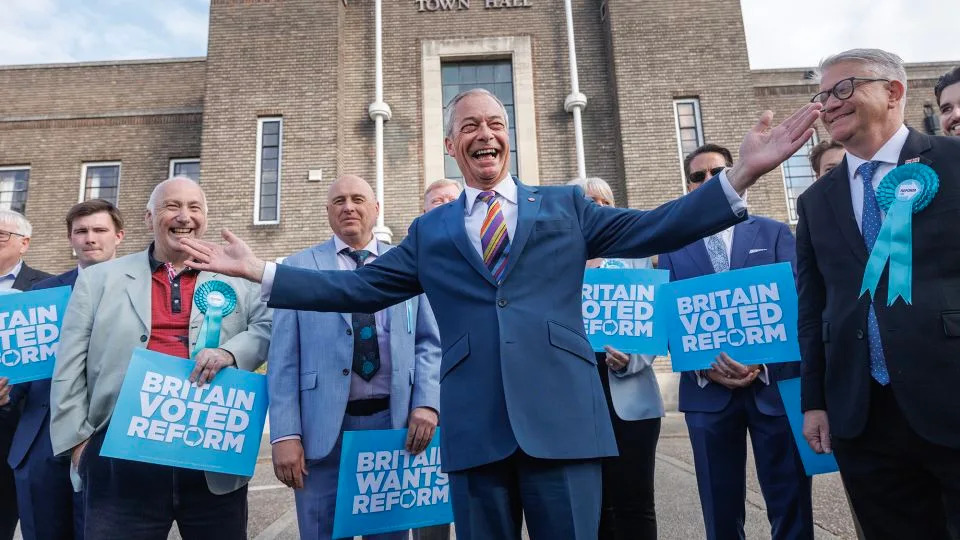
Reform UK leader Nigel Farage poses outside Havering Town Hall following the 2026 local election results in Romford, England, on May 8. - Dan Kitwood/Getty Images
Reform UK’s Threat And Domestic Unrest
Despite a sustained stream of allegations about its finances and a criminal probe into party donations, Nigel Farage’s Reform UK is polling only narrowly behind Labour. Reform denies wrongdoing and says it will cooperate with investigators. The party’s strong local performance earlier this year and its anti-immigration message pose a real political threat where public concern about migration is rising.
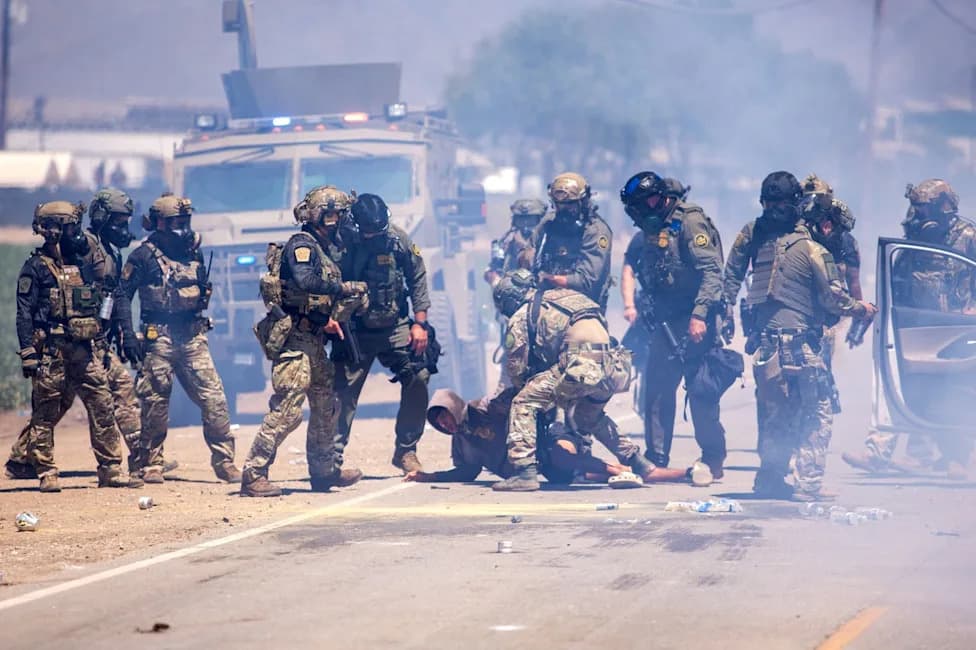
Earlier this month large anti-migration protests erupted along parts of Britain’s coastline, with hundreds of masked demonstrators blocking roads and clashing with police. Burnham called the scenes "unacceptable," saying he had not seen anything like them before while acknowledging "there are real worries about immigration in all parts of the country."
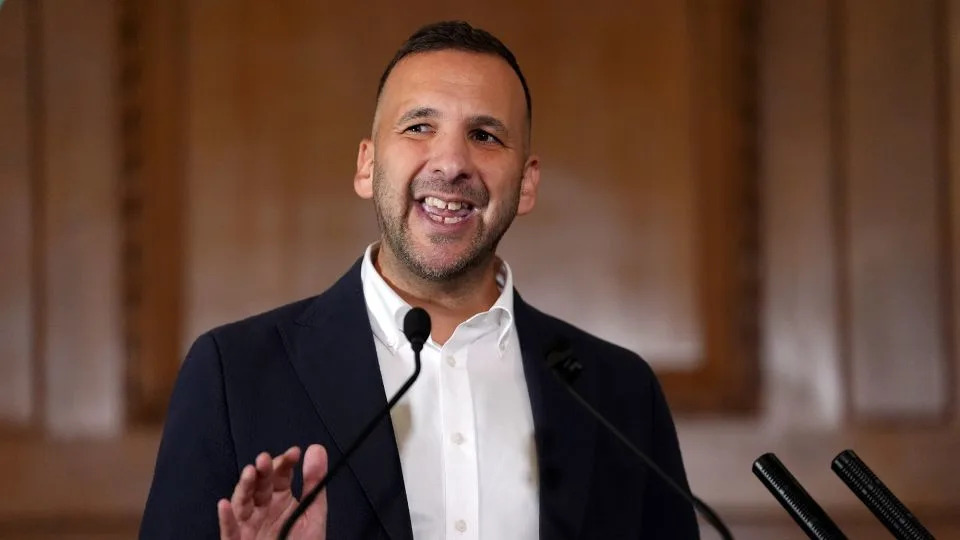
Green Party leader Zack Polanski attends a press conference at Church House in central London on August 5. - Jonathan Brady/PA
Domestic Politics: Greens, Grassroots and Cabinet Tensions
Burnham must also try to reclaim progressive voters who defected to the Green Party during earlier disputes within Labour over issues such as net-zero commitments and the party’s stance on Gaza. The Greens’ leader, Zack Polanski, will test that dynamic when he contests the Holborn and St Pancras parliamentary seat — once held for many years by Keir Starmer.
Inside Labour, the mood is broadly upbeat after reports that Burnham secured the backing of a large majority of MPs on taking office, but dissent is emerging. Former business secretary Peter Kyle has urged faster action to prioritise economic growth. Cabinet tensions surfaced publicly when Housing Secretary Angela Rayner criticized planned visa changes affecting foreign social care workers, prompting Culture Secretary Lisa Nandy to defend the prime minister.
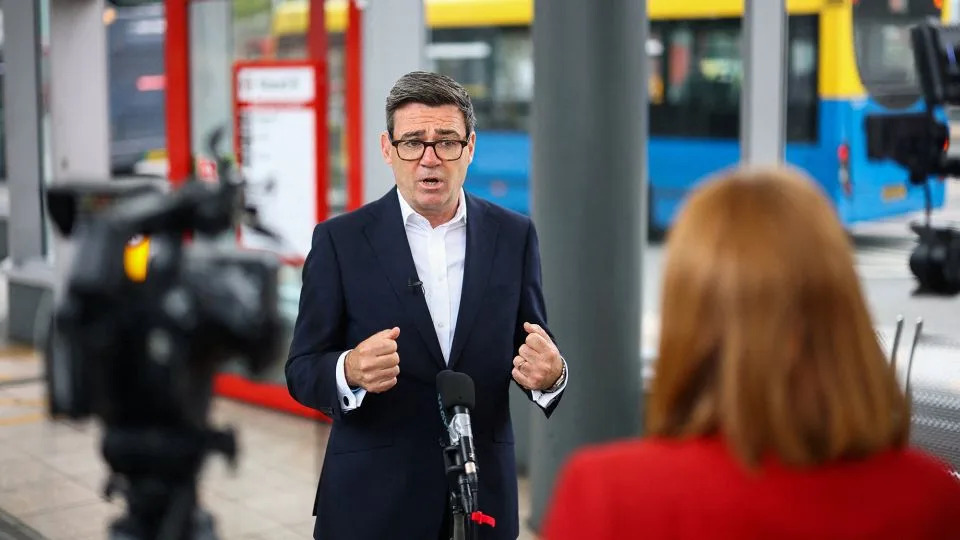
Burnham speaks to the media during his visit to Wolverhampton Bus Station in central England on August 18. - Hannah McKay/AFP/Getty Images
Policy Moves And Economic Challenges
In his first weeks at Downing Street, Burnham announced a package of measures aimed at easing immediate cost-of-living pressures: a £2 cap on most bus fares outside London, cuts to business rates for pubs and music venues, and proposals to reduce household energy bills. He has also pledged more social housing and greater public oversight of key utilities.
Critics dismissed some pledges as modest. Conservative leader Kemi Badenoch asked, "Is that it?" Observers note that those commitments will need to be funded within the same fiscal constraints that faced the previous government, leaving open the question of how they will be paid for.
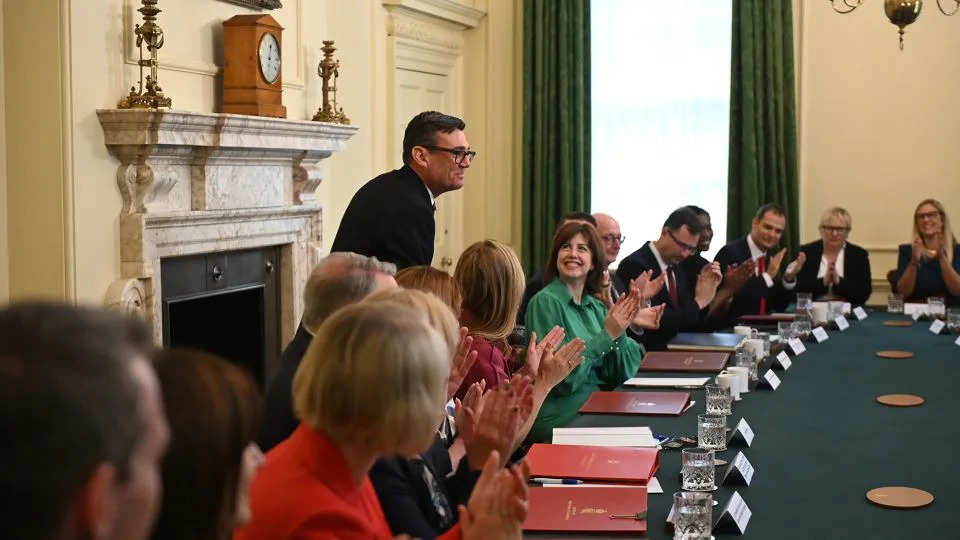
Burnham is applauded as he arrives to hold his first Cabinet meeting at Downing Street, London on July 21. - Eddie Mulholland/Getty Images
Economy and inflation will be central at the conference, held weeks before the new chancellor must deliver Burnham’s first budget outlining the government’s approach to taxation and spending. Burnham has warned of "difficult decisions" after official data showed a rise in inflation amid higher energy prices driven by the Middle East conflict, even as he emphasised the "resilience" of the British economy.
The Election Dilemma
Burnham has ruled out an early general election. "No election anytime soon. I'm focused on the job as prime minister, doing what I said I would do," he said, noting that by law the next general election must be called before August 2029. A decisive win would cement his authority; a poorly timed contest could expose Labour’s recent softness in the polls and hand momentum to Reform UK — a modern Catch‑22.
“The time has come to draw a line, get the country looking forward, pulling together, people feeling a bit of hope in their lives again.” — Andy Burnham
As Burnham seeks to translate early popularity into durable policy wins, this week’s conference and the upcoming budget will be critical tests of whether the "bounce" can become sustained governing strength.
Help us improve.