Andy Burnham's speech at the Liverpool conference energised Labour delegates and signalled a shift back towards the party's pre‑Thatcherite socialist traditions. He proposed a National Care Service partly funded by ending the pensions triple lock, proportional representation, greater oversight of privatised utilities and closer ties with Europe — most to be pursued after the next election. Burnham seeks cross‑party consensus via inquiries and commissions, but polls suggest Labour would currently lose its majority. His leadership will be judged on handling economic pressures and international challenges rather than conference rhetoric.
Burnham Recasts Labour: A Rallying Speech, Big Promises and Political Risks
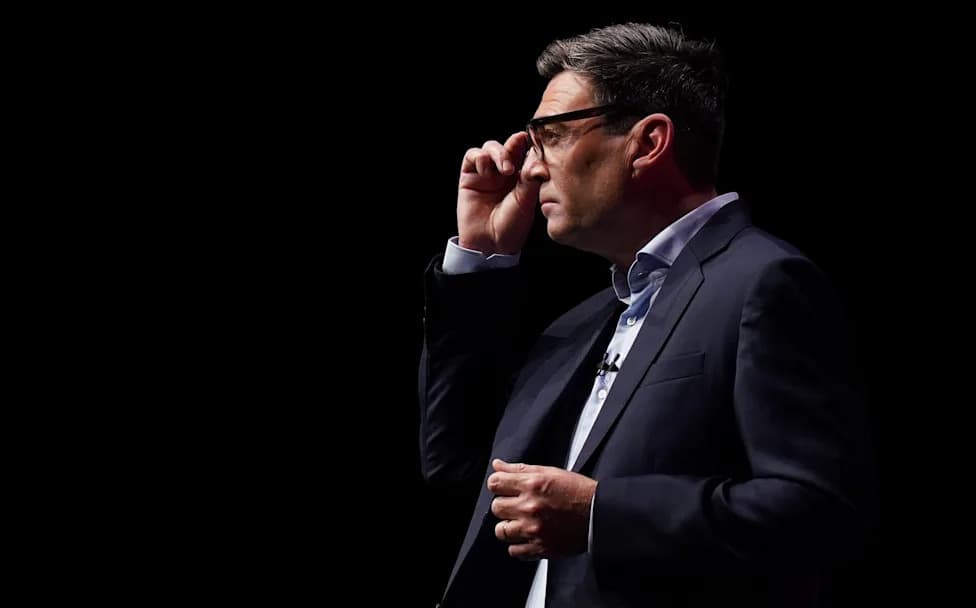
The Prime Minister will be judged by the next few years, not one speech to the party faithful - Ian Forsyth/Getty Images
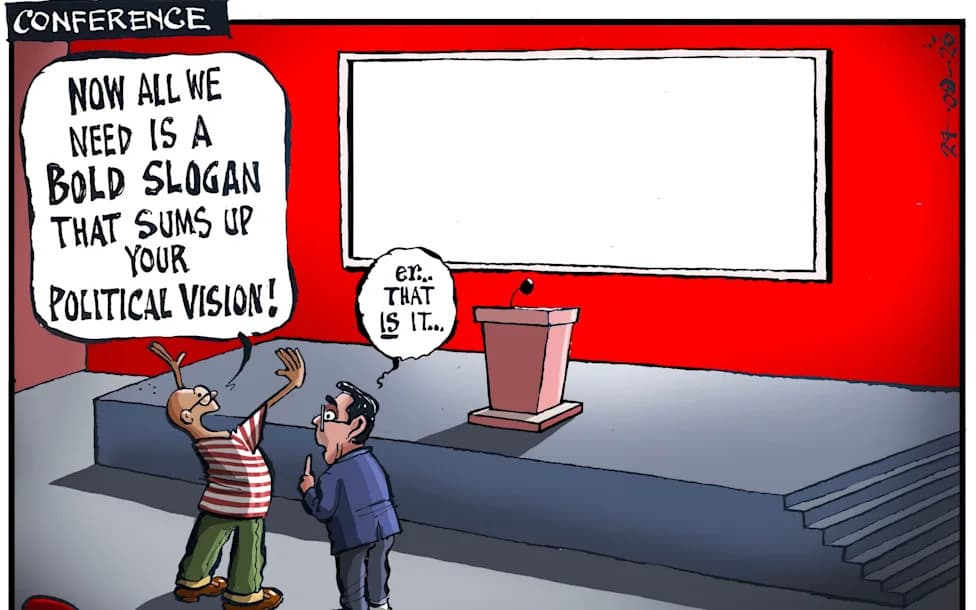
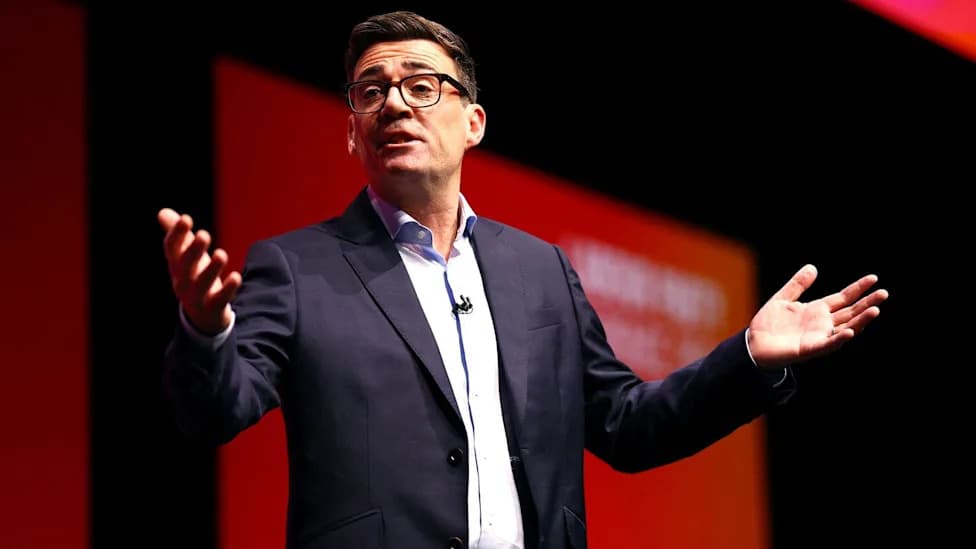
The Labour conference in Liverpool closed with delegates visibly energised after Andy Burnham delivered a rousing appeal to the party's pre‑Thatcherite socialist traditions. The crowd even broke into the Red Flag following his speech, a vivid sign of the mood shift inside the party.
Changing the Tone
Mr Burnham has noticeably altered Labour's atmosphere after the removal of Sir Keir Starmer, who had led the party to an election win with a 160-seat majority. Delegates, keen to reassure themselves they made the right choice, found plenty in Burnham's address to reinforce that belief. Labour often looks to its past and to criticisms of Thatcherism when reshaping its identity; this conference underlined that impulse.
Policy Agenda — Ambitious but Largely Post‑Election
Burnham outlined several potentially significant proposals: a National Care Service partly funded by ending the pensions triple lock, a move to proportional representation for national elections, increased state oversight of privatised utilities and closer ties with Europe. Aside from closer European relations, most of these measures are framed as post‑election priorities rather than immediate changes.
He says he will not call an early general election, and current opinion polls suggest Labour would lose its majority if one were held now. That makes an early poll unlikely despite speculation from some opponents that he may be preparing the ground for one.
Seeking Consensus — Or Cover?
Burnham emphasises cross‑party agreement for major reforms. The care proposals hinge on an inquiry chaired by Baroness Casey, and a separate commission has been formed to advise on electoral reform. Critics argue these steps provide bipartisan cover for decisions already favoured by the leadership; supporters say they reflect a cautious, inclusive approach.
Style And Strategy
The new leader projects a different persona from his predecessor: more personable and less formal. He intends to govern on the existing Labour mandate but is clearly focused on reclaiming voters in 'left‑behind' areas where Reform UK has been gaining support.
The Real Test Ahead
For all the momentum at conference, this is likely the high point for Mr Burnham. The coming years will be dominated by economic challenges and international uncertainty. Ultimately, his leadership will be judged less by a single speech to party loyalists than by how he manages the economy, public services and crises that lie ahead.
Bottom Line: A galvanising conference speech set a clearer ideological direction for Labour, but policy delivery and electoral success will depend on practical plans, cross‑party cooperation and managing economic realities.
Help us improve.