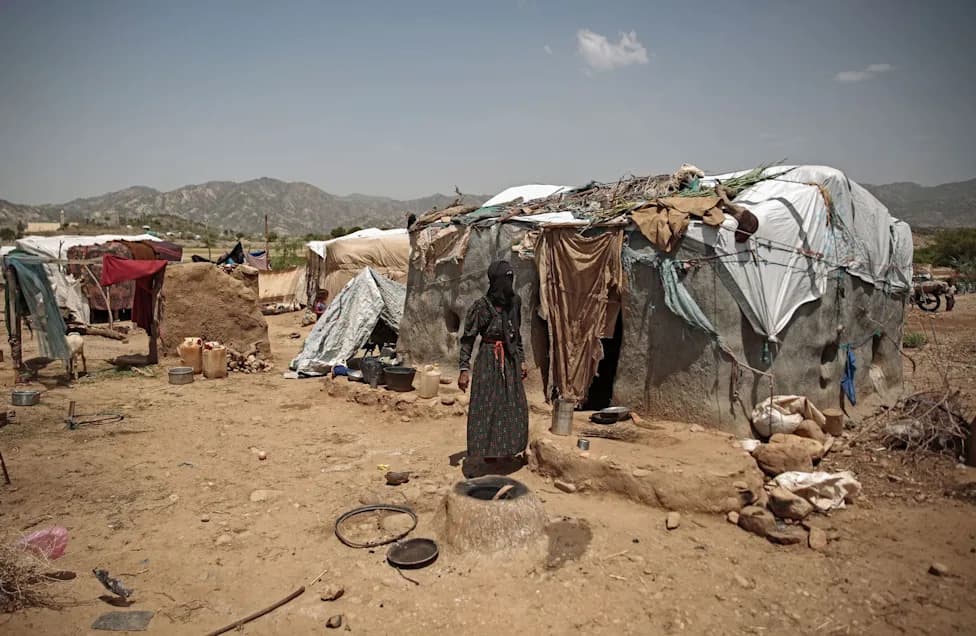
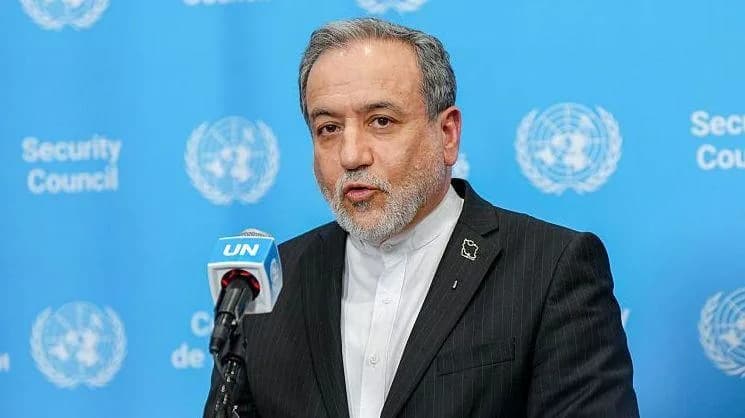
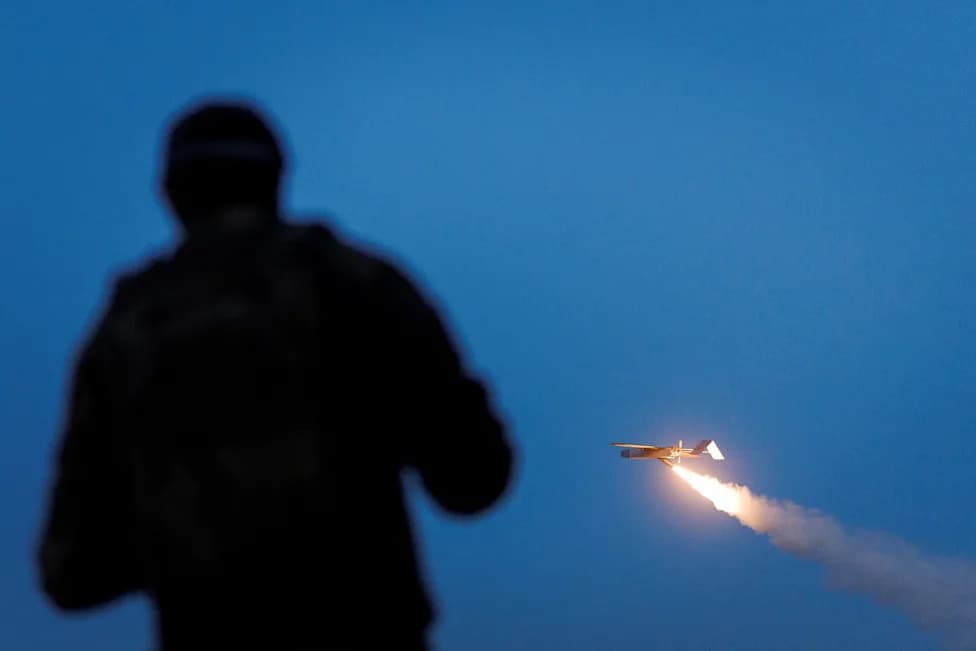
Barham Salih, the U.N. High Commissioner for Refugees and former president of Iraq, told the Security Council it must act to end conflicts that keep more than 117 million people displaced worldwide from returning home. He highlighted crises in Sudan (about 12 million affected), the Democratic Republic of Congo, Ukraine, Western Sahara and recent Yemen displacements. Salih defended an ambitious goal to halve long-term dependency on humanitarian aid for refugees by 2035, saying success means enabling safe, dignified returns rather than indefinite aid dependence.
UN Refugee Chief Urges Security Council to Act So Displacement Doesn’t Span Generations
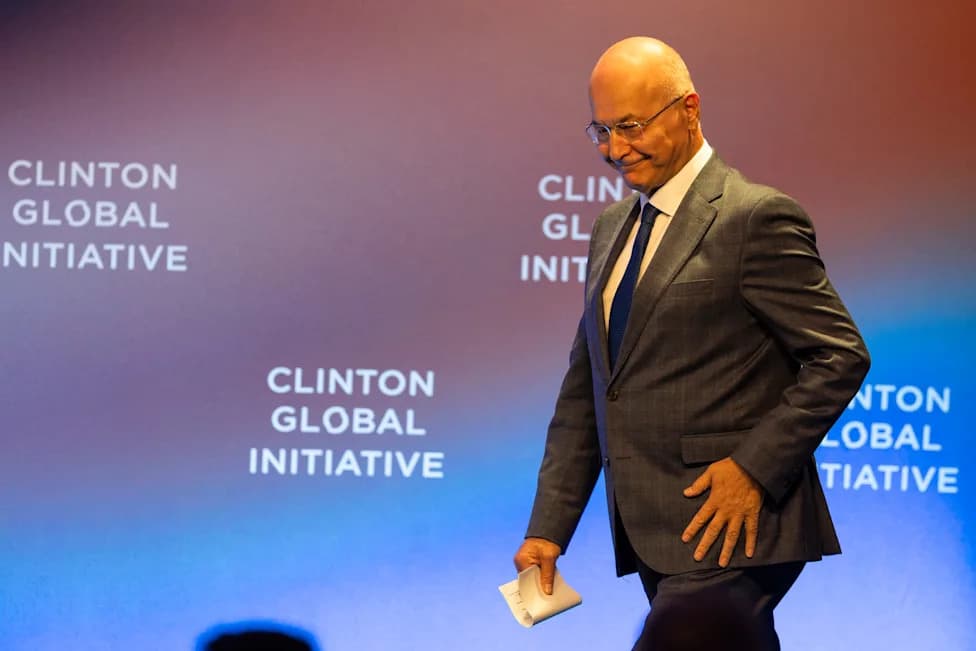
Barham Salih walks on stage during the Clinton Global Initiative, Wednesday, Sept. 23, 2026, in New York. (AP Photo/Ishika Samant)
Barham Salih, the U.N. High Commissioner for Refugees and a former president of Iraq, urged the U.N. Security Council to take decisive action to end the conflicts and crises that keep people from returning home so displacement does not span generations.
Speaking to the 15-member council for the first time since his December election, Salih stressed that humanitarian agencies such as UNHCR respond daily to suffering but cannot themselves create the political solutions needed for durable peace and safe returns. Under the U.N. Charter, that responsibility rests with the Security Council.
Crises Driving Global Displacement
Salih outlined the major emergencies forcing millions to flee: the war in Sudan, which he described as the world’s largest displacement crisis at roughly 12 million people inside and outside the country; repeated cycles of violence in the Democratic Republic of Congo now compounded by a growing Ebola outbreak; the war in Ukraine, which has displaced millions internally and sent many more abroad; and the protracted displacement of people from Western Sahara who live in camps near Tindouf, Algeria, facing limited prospects while awaiting a political solution.
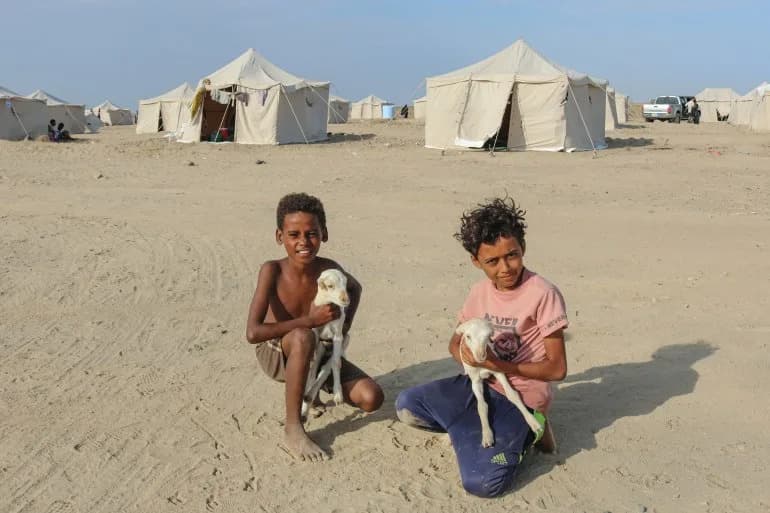
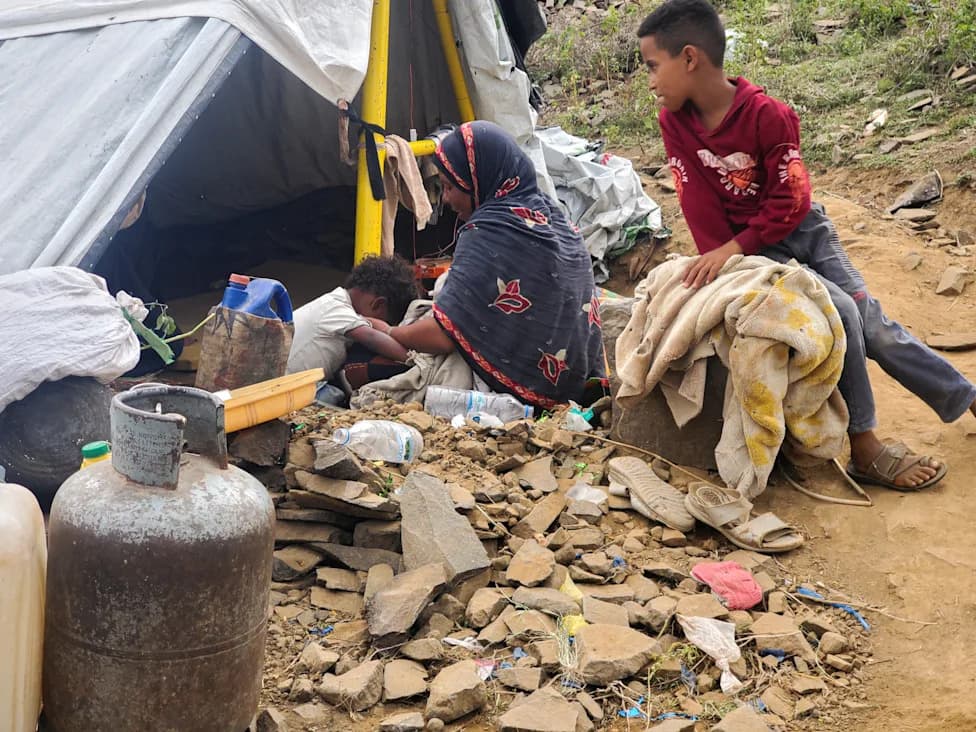
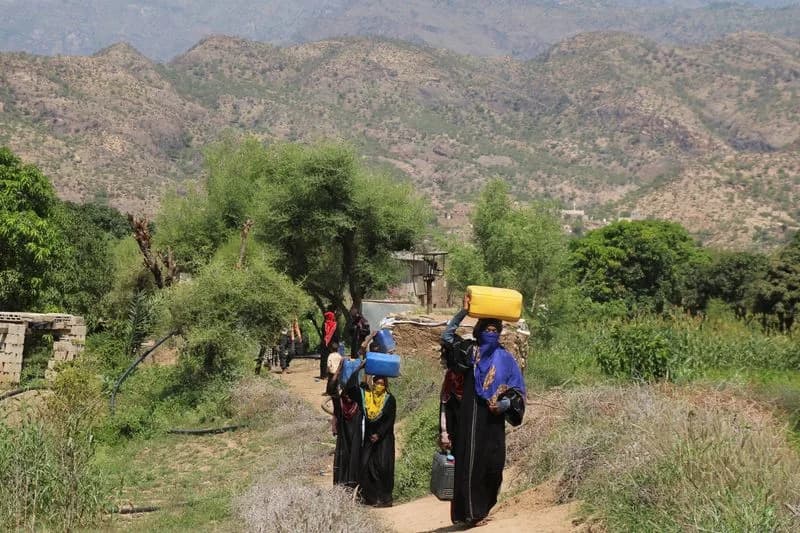
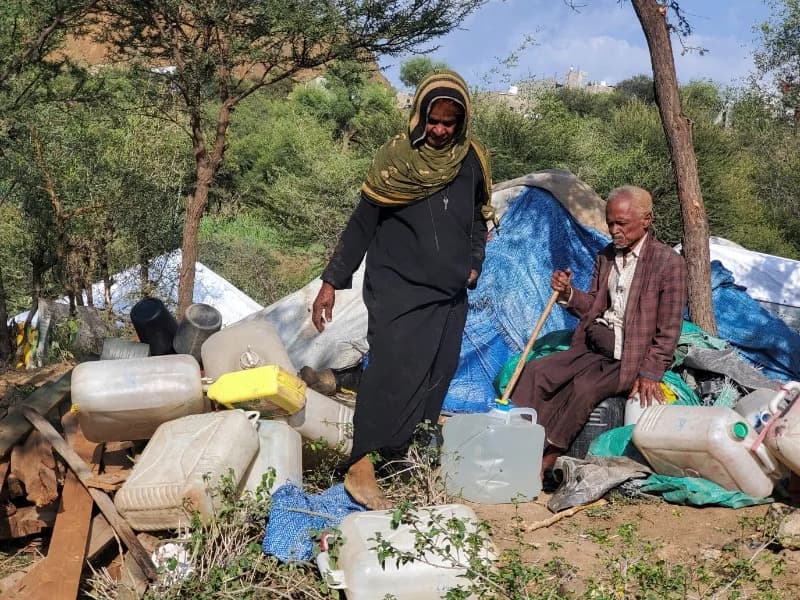
Addressing recent escalation in the Middle East, Salih said UNHCR has mobilised staff and resources to assist more than 130,000 Yemenis displaced inside Yemen and over 3,700 who have sought safety in Djibouti.
An Ambitious Aim For Durable Solutions
Earlier this year Salih launched a target to halve by 2035 the number of refugees in long-term displacement who rely on humanitarian aid. He acknowledged the goal is ambitious but argued it must be, because simply keeping people alive year after year without enabling them to rebuild their lives cannot be the end goal.
Success must ultimately mean creating the conditions in which people no longer need us, Salih said, calling on the council to prioritise prevention of displacement, durable resolution where it has occurred, and support for safe, dignified returns.
Reporting contributed by Edith M. Lederer of The Associated Press.
Help us improve.