Prime Minister Sébastien Lecornu warned that escalating student protests would be "irresponsible" after 164 arrests during clashes at and around several lycées. The demonstrations, sparked by overcrowded classes, teacher shortages and poor facilities, began in Île-de-France and have spread to regions including Alpes-Maritimes, Var, Marseille, Lille and Sedan. Interior Minister Laurent Nuñez reported injuries among police, pupils and school staff and said roughly 180 schools were affected. Investigations are under way after violent incidents, including a reported grenade-launcher discharge that injured a student.
French PM Calls Escalation 'Irresponsible' As Student Protests Spread After 164 Arrests
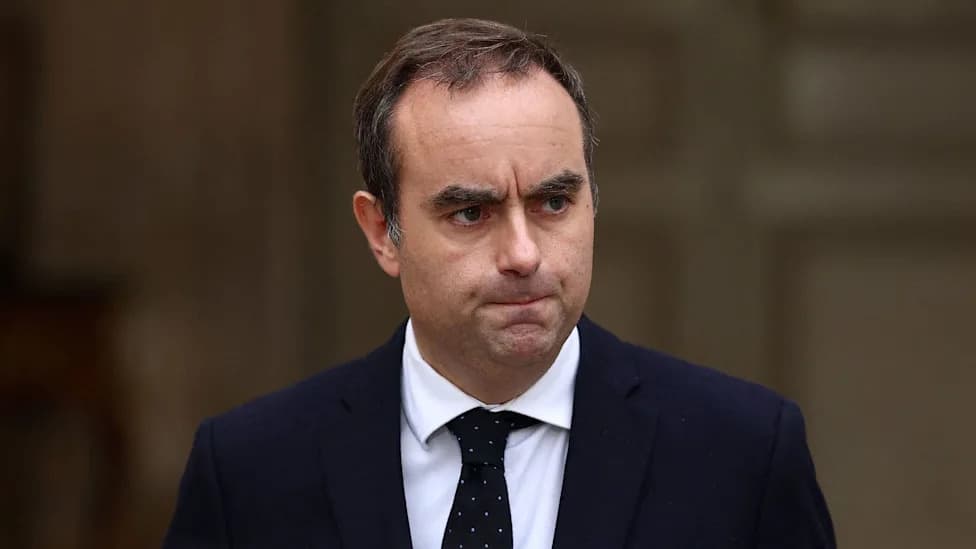
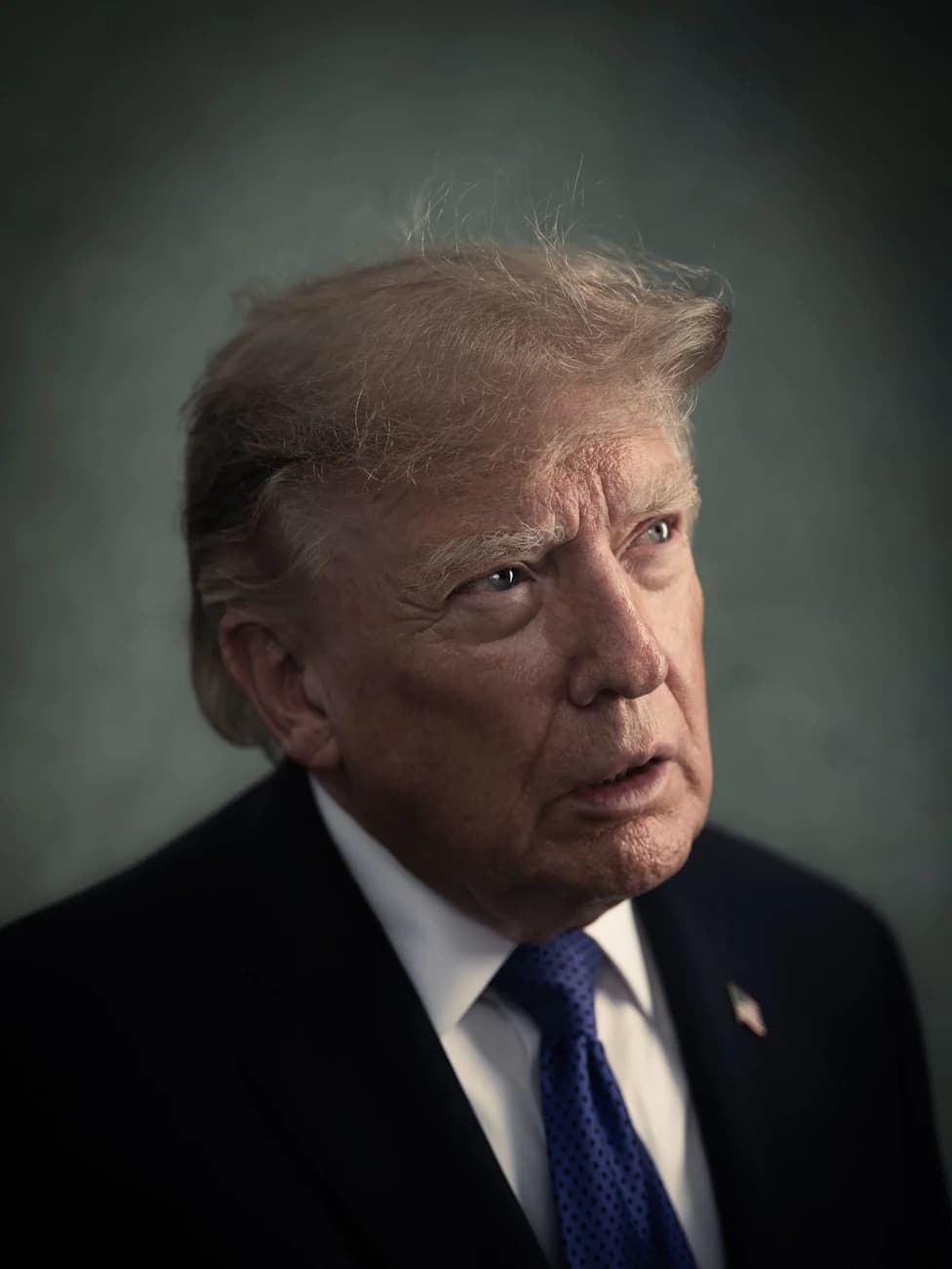
Prime Minister Sébastien Lecornu condemned reported violence during school blockades [EPA]
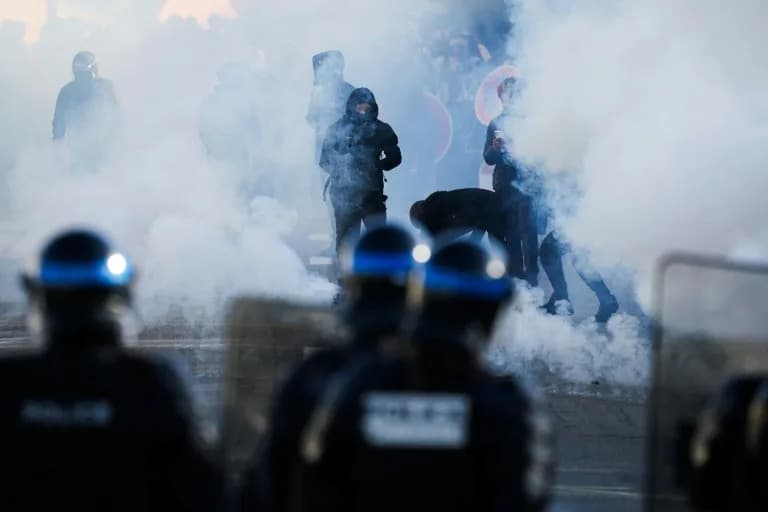
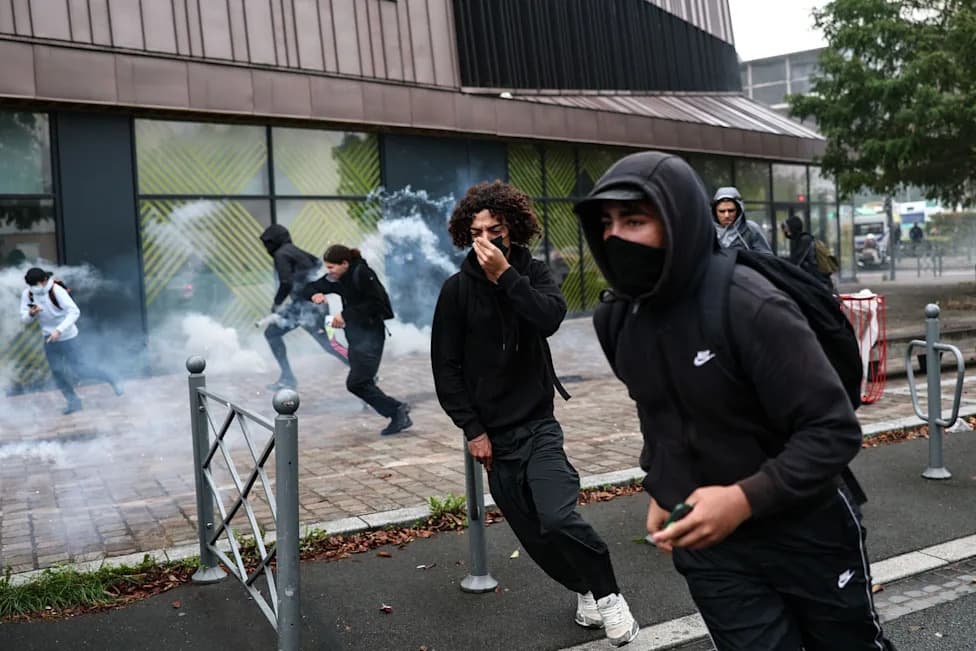
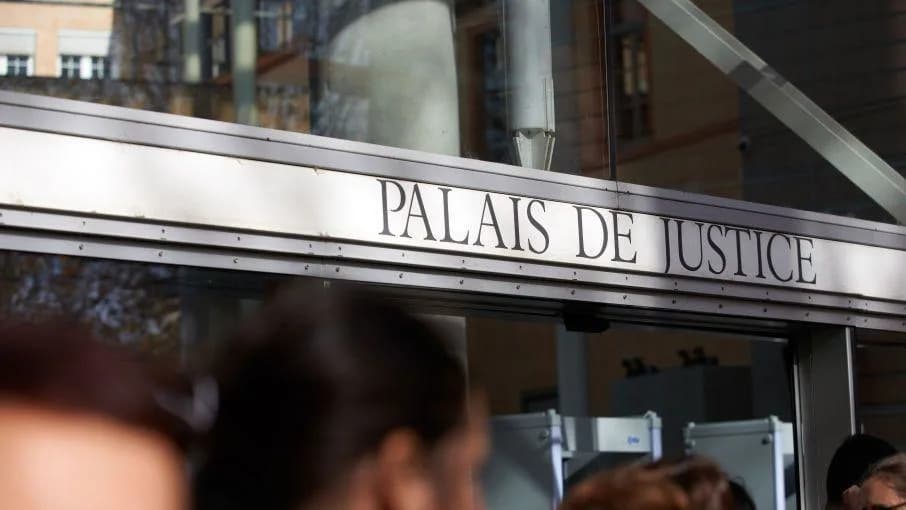
France's Prime Minister Sébastien Lecornu warned that any escalation of ongoing student demonstrations would be "irresponsible" after 164 people were arrested amid clashes at and around several lycées on Monday.
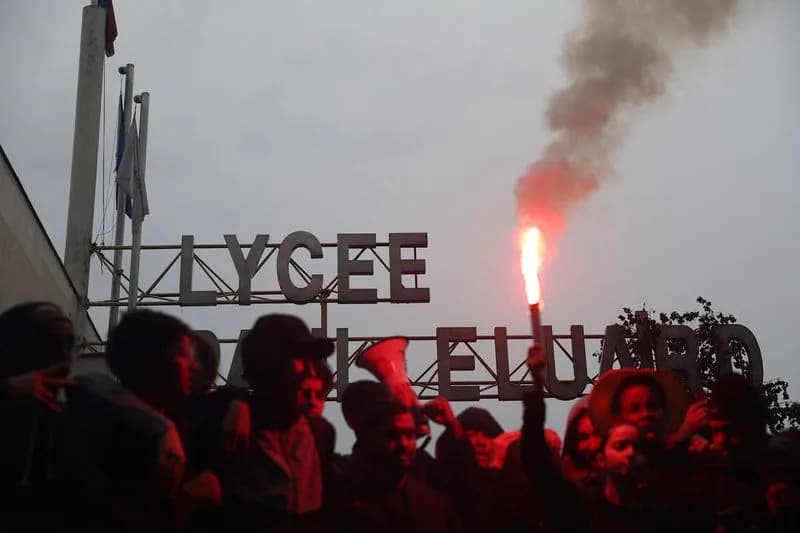
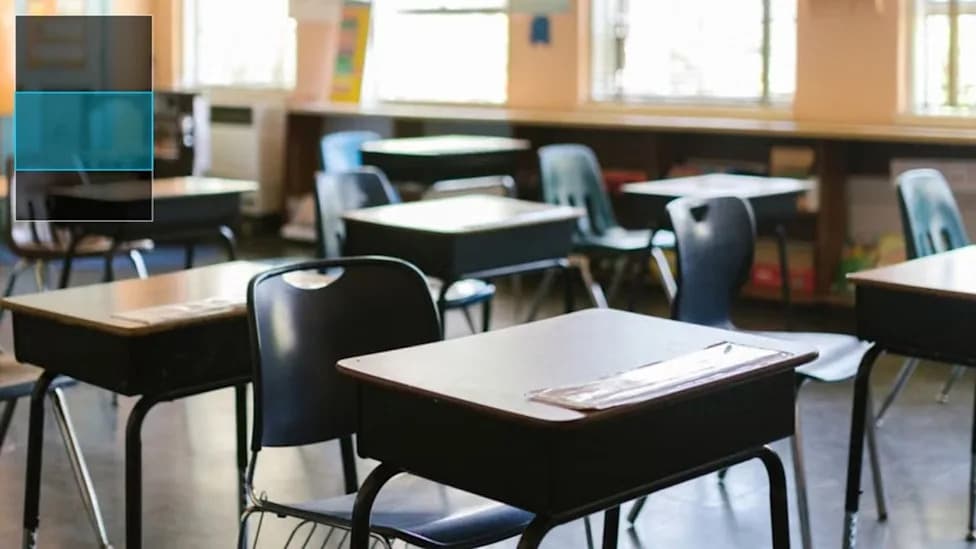
The unrest began last week in the Île-de-France region around Paris, where pupils have blockaded schools to protest overcrowded classes, teacher shortages and deteriorating facilities. The movement centred on France's lycées (the equivalent of sixth form in the UK or high school in the US) has since spread to other regions, including Alpes-Maritimes, Var, Marseille, Lille and Sedan.
"Fireworks, fires, violence near high schools: nothing justifies endangering students, staff, or police officers," Lecornu wrote on X, citing reports from the demonstrations.
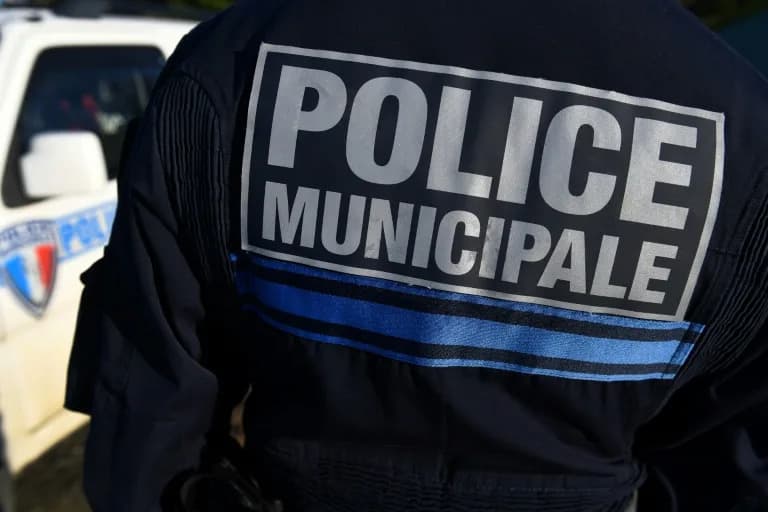
Interior Minister Laurent Nuñez said roughly 180 schools were affected on Monday and reported that 12 members of the security forces, 12 students and three school staff were injured. Authorities did not provide a detailed breakdown of those detained.
Police and local media described episodes of vandalism and fireworks aimed at officers. The AFP news agency reported blockades in four high schools in the southern departments of Alpes-Maritimes and Var, with protests also reported in Marseille, the Lille area and Sedan in the Ardennes.
The student union Union Syndicale Lycéenne defended the actions as a legitimate response to long-term problems: lack of teachers and staff, dilapidated buildings, overcrowded schedules and stress caused by Parcoursup. The union blamed a decade of underfunding and urged students to continue blockades in defence of their rights.
On the same day, unions representing teachers, hospital staff and civil servants called a day of walkouts to highlight issues such as low pay and poor working conditions, broadening the wider context of discontent in public services.
Lecornu said the difficulties facing high schools "must be heard and addressed," but added that "violence must be condemned unequivocally, and its perpetrators must answer for their actions." He also accused the far-left party La France Insoumise (LFI) of encouraging students to widen the protests.
Jean-Luc Mélenchon, leader of LFI, denied the accusation and blamed the government for a heavy-handed response, calling the participating students "harmless."
Nuñez characterised some disturbances as closer to urban violence than to traditional student protest: "A number of individuals were masked, equipped with fireworks in tubes and projectiles, who clearly wanted to confront the internal security forces," he said.
Since the protests began, several violent incidents between students and police have been reported. Broadcaster BFMTV said investigators have opened inquiries after a police officer fired a round from a crowd-control grenade launcher that injured a pupil. Authorities say multiple investigations are ongoing into clashes and the use of force.
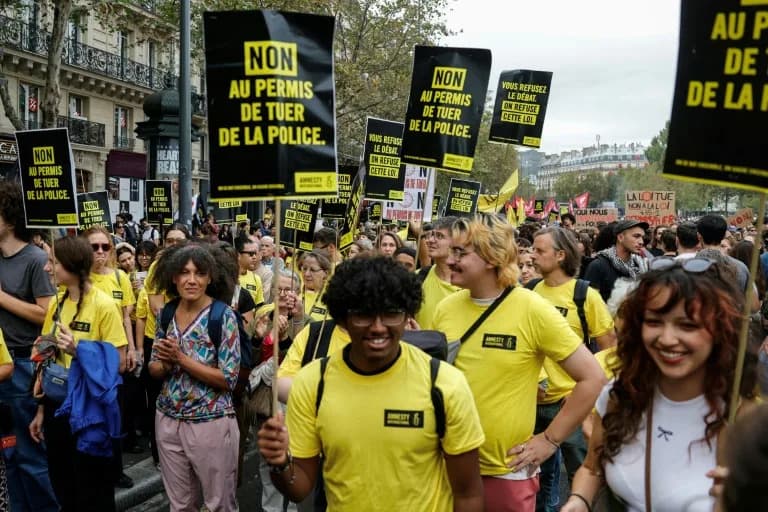
The events have intensified a national debate about school funding, staff shortages and protest tactics, with calls from some quarters for urgent talks to address long-standing problems while officials stress the need to protect safety and public order.
Help us improve.