The Central Elections Committee has voted to bar the two principal Arab-majority lists — the Joint List and Ra'am — and to disqualify Ofer Cassif and Sami Abu Shehadeh from Israel's Oct. 27 election. The Supreme Court will review the decisions next week and has overturned similar exclusions in the past. Critics allege double standards because petitions to disqualify far-right parties were rejected; if upheld, the rulings could leave roughly one-fifth of Israeli citizens without their main parliamentary representatives.
Israel Bars Main Arab Parties From Ballot Ahead Of October Vote — What It Means
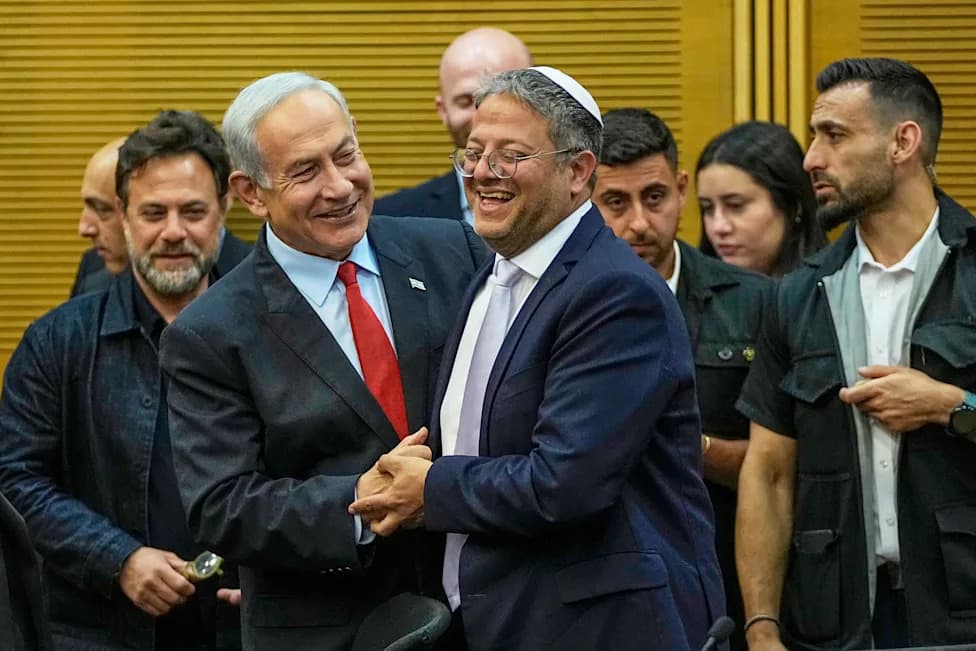
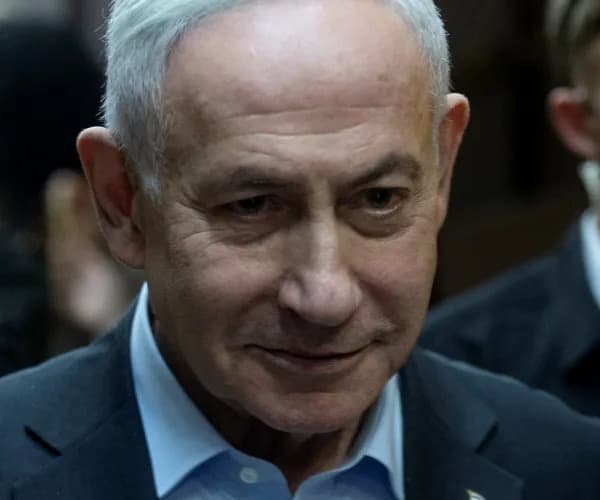
Israeli Prime Minister Benjamin Netanyahu and Israel's National Security Minister Itamar Ben-Gvir in the Knesset, Israel's parliament in Jerusalem [File: AP Photo/Ohad Zwigenberg]
Israel's Central Elections Committee has voted to disqualify the country's two main Arab-majority electoral lists — the Joint List and Ra'am — and to bar politicians Ofer Cassif and Sami Abu Shehadeh from running in the October 27 parliamentary election. The committee's rulings are not final: the Supreme Court is expected to review the decisions next week and has overturned similar exclusions in past elections.
What the Committee Decided
The committee voted 18–5 to bar Ra'am (the United Arab List) and, in a separate ballot, 18–5 to bar the Joint List (an alliance of Hadash, Balad and Ta'al). It also voted 18–5 to disqualify Ofer Cassif and 31–4 to disqualify Sami Abu Shehadeh, according to Adalah, the Palestinian rights group representing the parties and candidates.
Who Are These Parties?
The Joint List combines three parties: Hadash (a left-wing Jewish–Arab party), Ta'al (which advocates primarily for Palestinian citizens' rights) and Balad (which calls for equal civic rights for all residents). Running together helps smaller parties avoid falling below the 3.25% national threshold required to enter the 120-seat Knesset.
Ra'am, led by Mansour Abbas, is running separately. It has taken a pragmatic approach to coalition politics — including participation in Israel's 2021–2022 governing coalition — and currently holds five seats; the Hadash–Ta'al grouping also holds five seats in the outgoing Knesset while Balad currently has none.
Reasons Given And Legal Context
Right-wing petitioners, including Likud and Otzma Yehudit, accused the lists and some candidates of denying Israel's character as a Jewish and democratic state, supporting or legitimising armed struggle, or inciting racism. The case against Abu Shehadeh partly rests on an October 8, 2023 article in which he referred to Hamas's attack as "an important historic event militarily, politically and strategically." The attorney general said that wording could be read as support for armed struggle; Abu Shehadeh denies endorsing violence and says he supports peaceful political and civil struggle for equality.
Attorney General Gali Baharav-Miara opposed disqualifying the two lists and Cassif, saying the evidence did not meet the legal threshold for exclusion, but she took a different view on Abu Shehadeh.
Accusations Of Double Standards
Critics say the move exposes double standards: petitions to disqualify two far-right parties — Otzma Yehudit (linked to National Security Minister Itamar Ben-Gvir) and Religious Zionism (linked to Finance Minister Bezalel Smotrich) — were rejected by the committee, even though both ministers have advocated hardline policies toward Palestinians and face international scrutiny. Human-rights advocates have condemned the rulings as discriminatory and warned they could remove the principal parliamentary voice for Palestinian citizens of Israel, who make up roughly one-fifth of the population.
What Happens Next
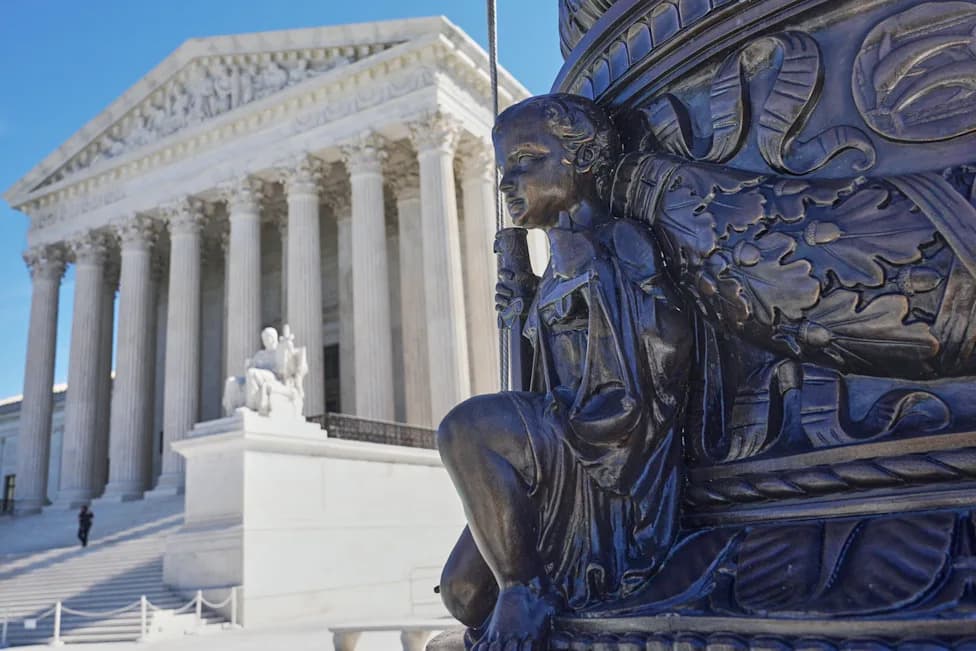
The Supreme Court will review the committee's decisions. Historically, the court has overturned past attempts to disqualify Arab parties and candidates, but outcomes can vary depending on legal arguments and the evidence presented. Adalah has announced it will challenge the rulings in the Supreme Court.
Political fallout: If the bans are upheld, Palestinian citizens would still be able to vote in the election, but the two main Arab-majority lists would be excluded from the ballot, significantly reshaping representation in the Knesset.
Key public responses include condemnation from some human-rights advocates, an outspoken rejection of the disqualifications from Ofer Cassif and other Arab-list leaders, and support from some opposition figures for barring specific candidates. Prime Minister Benjamin Netanyahu remains eligible to run despite facing separate legal challenges, including an ongoing corruption trial and an International Criminal Court arrest warrant, which he denies.
Help us improve.