Gadi Eisenkot, leader of the centre‑Right Yashar party and former IDF chief, has ruled out forming a government with Arab or ultra‑Orthodox parties unless they accept three core principles: recognise Hamas as a terrorist group, endorse the 1948 founding declaration, and acknowledge Israel as Jewish and democratic. Polls project his "change bloc" will win about 52–54 Knesset seats — short of the 61 needed for a majority — which means he would need outside support. Meanwhile, Finance Minister Bezalel Smotrich called for annexing parts of Gaza and southern Lebanon and for tougher action in the West Bank. The attorney general delayed the E1 settlement tender until after the 27 October election to avoid electioneering concerns.
Eisenkot Rules Out Arab and Ultra‑Orthodox Partners, Sets Firm Conditions for Any Coalition
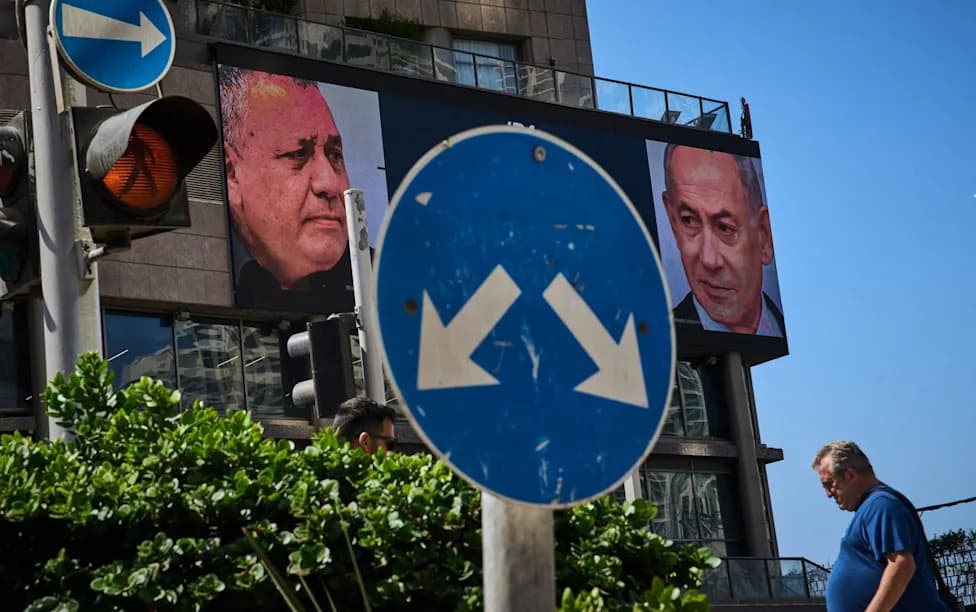
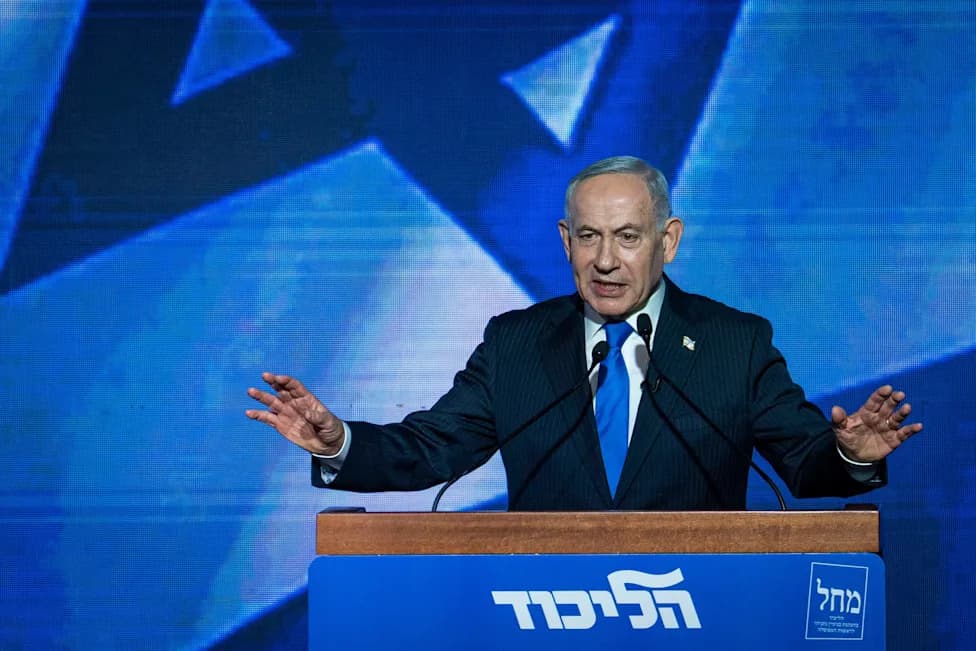
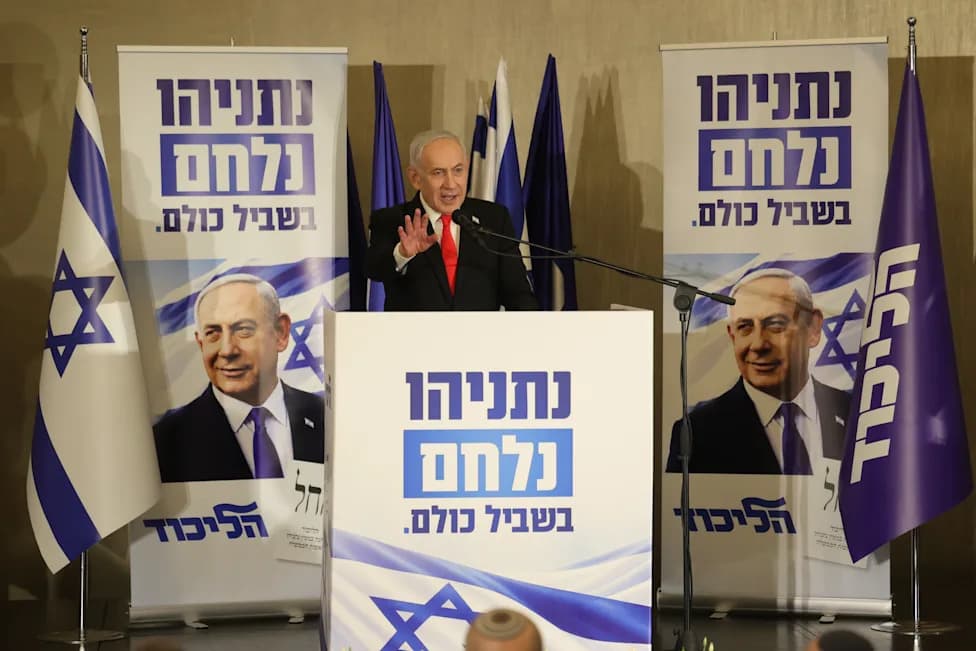
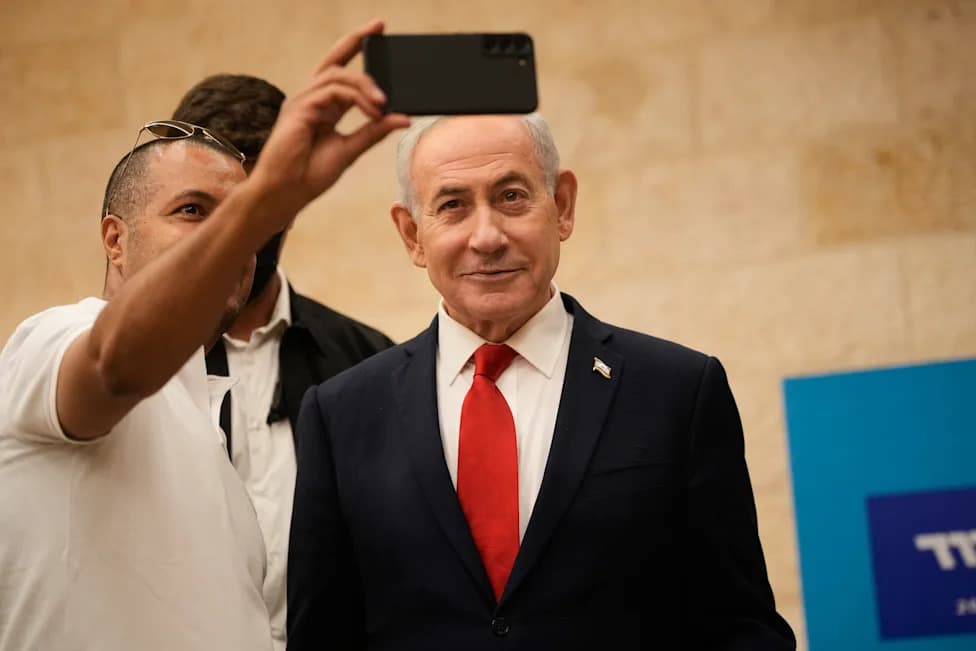
Israel goes to the polls on Oct 27, with Benjamin Netanyahu (right) facing a challenge from Gadi Eisenkot (left) - AP Photo/Oded Balilty
Gadi Eisenkot, leader of the centre‑Right Yashar party and a former Israel Defence Forces chief of staff, has ruled out forming a post‑election government that includes Arab or ultra‑Orthodox (Haredi) parties unless they explicitly accept a set of core principles.
In a Channel 12 interview on Saturday, Eisenkot — whose son was killed in the Gaza war — said any coalition partner must (1) recognise Hamas as a terrorist organisation, (2) endorse the 1948 declaration that established the State of Israel, and (3) acknowledge Israel as both a Jewish and democratic state.
"At the moment I don't see any Arab or Haredi parties who accept these principles, including Mansour Abbas, and therefore he won't be part of my next government," Eisenkot said.
All recent polls project Eisenkot's informal "change bloc" — an alliance of four Jewish‑Zionist parties — will win roughly 52–54 Knesset seats, short of the 61 seats needed to form a majority government and unseat Prime Minister Benjamin Netanyahu. While Yashar is expected to be the single largest party and could overtake Likud, the bloc's shortfall means Eisenkot would likely need outside support to govern.
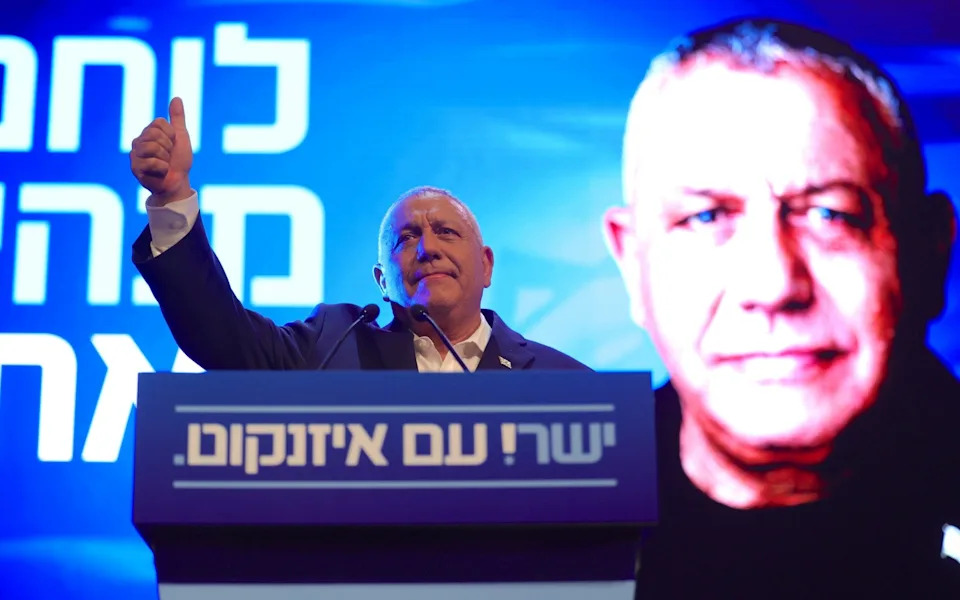
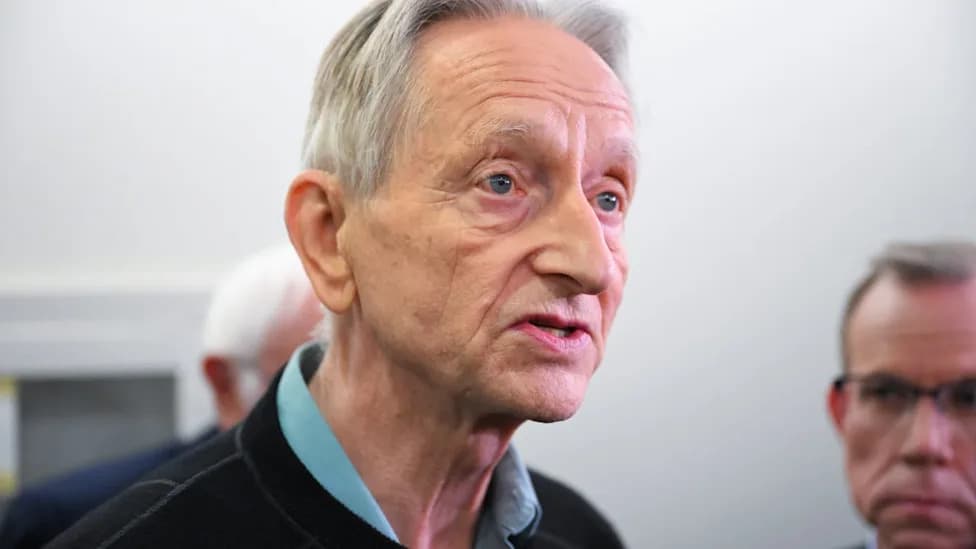
Gadi Eisenkot, a former general whose son was killed in the Gaza war, leads the Yashar opposition party - EPA/Shutterstock/Abir Sultan
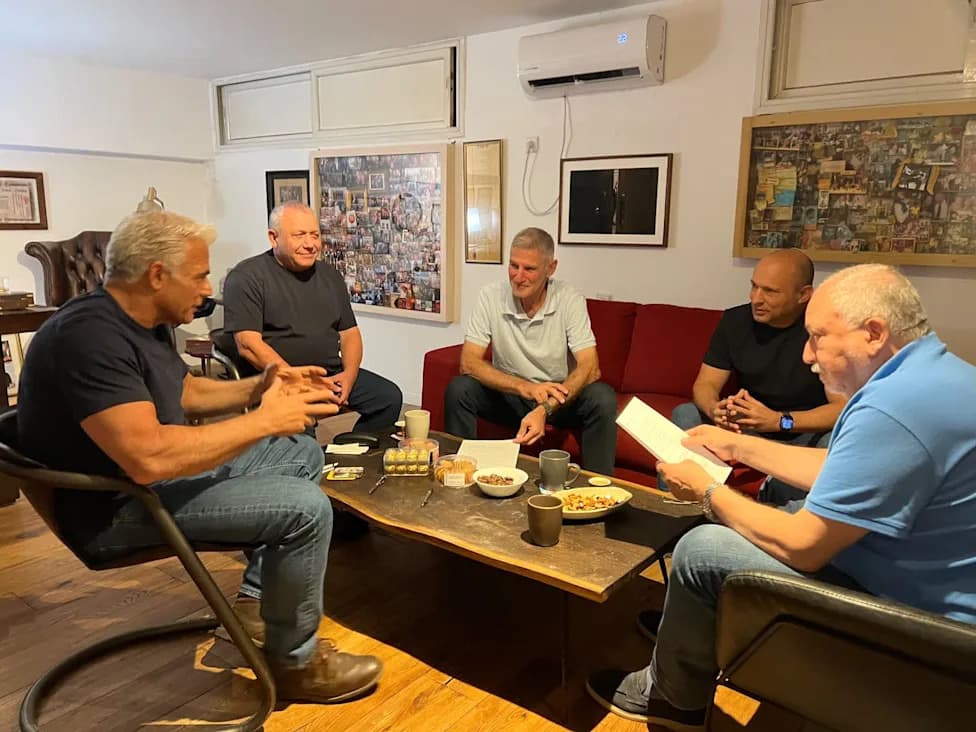
That backing could come from either Arab parties or the ultra‑Orthodox parties; Eisenkot's public rejection of both as potential partners complicates his route to a majority. On Saturday he met fellow change bloc leaders to coordinate strategy for the month before the election. The meeting, hosted by Yair Lapid, included Naftali Bennett, Yair Golan and Avigdor Liberman.
The group issued a joint statement pledging to work across ideological differences toward "the formation of a Zionist, statesmanlike government dedicated to repair and reconstruction."
Far‑Right Minister Calls for Annexation and Tougher West Bank Policy
Meanwhile, Finance Minister Bezalel Smotrich, head of the far‑right Religious Zionism party, pressed for aggressive measures against Israel's enemies. In an interview with Ynet he urged annexing parts of southern Lebanon and Gaza — "at least up to the Yellow Line in Gaza and up to the Litani [River] in Lebanon" — arguing that territorial gains would deter future attacks.

Bezalel Smotrich is Mr Netanyahu's finance minister and leads the far-Right Religious Zionist Party - EPA/Shutterstock/Abir Sultan
Smotrich also advocated stepping up operations in the West Bank (which he termed Judea and Samaria), calling for the dismantling of the Palestinian Authority and for security operations to remove "terror infrastructure, weapons and tunnels."
Attorney General Delays West Bank Tender
On Sunday, Israel's attorney general, Gali Baharav‑Miara, announced a one‑month postponement of the deadline for bids on the proposed E1 settlement plan in the West Bank. Her office said the delay — moving the deadline to after election day on 27 October — was intended to reduce concerns that the tender could be used for electioneering.
The developments leave Israel's political landscape in flux ahead of the vote, with coalition arithmetic, security policy debates and legal decisions all likely to shape post‑election negotiations and public discourse.
Help us improve.