Overview: A new Arkansas GOP ad promoting work requirements for some Medicaid recipients centers on a white male gamer, "Brad," prompting criticism from far-right commentators who argued the spot should have been racially explicit. Key data: KFF reports Medicaid enrollees were 36% White, 24% Hispanic and 19% Black in 2023; an AEI analysis found childless, unemployed Medicaid recipients averaged 4.2 hours weekly on TV/gaming versus 2.7 hours for employed recipients. The incident underscores internal GOP tensions where identity-focused messaging sometimes eclipses policy aims.
Far-Right Figures Blast GOP Welfare Ad Featuring White Gamer 'Brad' — Demand a Racialized Message
Far-Right Commentators Rage Over GOP Welfare Fraud Ad Featuring White Male Gamer
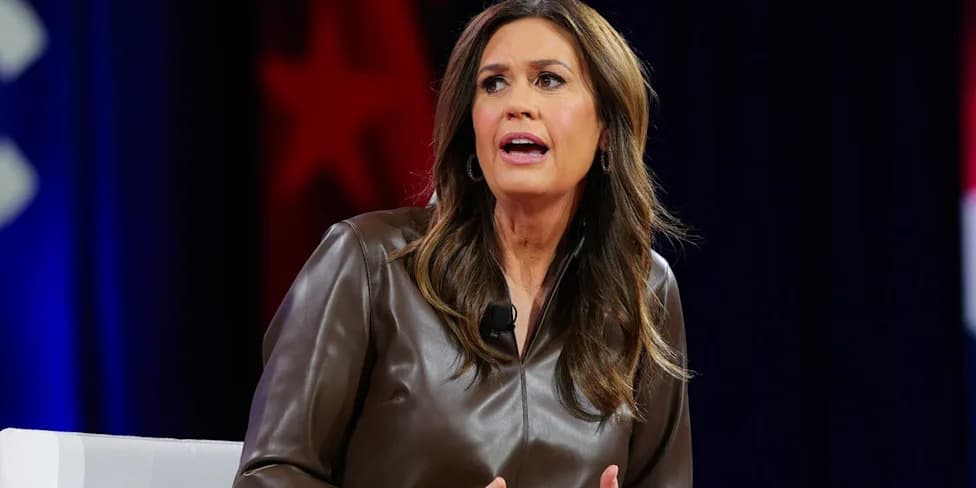
Conservative commentators aligned with the MAGA movement criticized Arkansas Gov. Sarah Huckabee Sanders after a new Republican television ad cast a disheveled white male gamer — identified as "Brad" — as the face of welfare fraud. The spot promotes recently implemented work requirements for certain Medicaid recipients in Arkansas and drew sharp reaction not for its policy message but for its choice of protagonist.
In the ad, Sanders says:
"Brad has turned relaxing into a full-time profession. But you, you actually work hard. You pay taxes to cover welfare for guys like Brad who just choose not to work."
The commercial was intended to bolster support for work requirements the state began enforcing in July. But instead of universal praise from conservatives for pursuing the policy, the ad provoked an unusual backlash from the right — with some commentators complaining the spot did not emphasize race.
Right-Wing Reaction: Race and Representation
Conservative podcaster Matt Walsh argued that single white men on welfare are "minuscule" and that the ad should have featured a Black woman to reflect what he claimed are the demographics of welfare recipients. Posting on X, Walsh wrote, "Republicans don't have the balls to do this ad with 'Shaniqua' as the villain. Even though that would actually be an accurate portrayal of the problem at hand."
Pastor Joel Webbon bluntly asked, "Why pick a white man? You should make your message more believable by picking someone Black." Far-right activist Jack Posobiec questioned the ad's creators and demographic framing, while Blaze TV host Logan Hall accused the GOP of turning on its own base by attacking a group that largely supports the party.
Sanders, a former White House press secretary and longtime Trump ally, did not immediately have a spokesperson respond to requests for comment about the controversy.
Context: Policy, Data and Messaging
Arkansas' change followed federal encouragement from congressional Republicans to tighten so-called "work requirements" for Medicaid and other benefits. Supporters argue the shift incentivizes employment; critics say it reduces aid for people who need it.
Some commentators relied on assumptions about welfare demographics that conflict with national data. A 2023 analysis by KFF found Medicaid recipients were about 36% White, 24% Hispanic and 19% Black. At the same time, gaming participation in the U.S. tends to skew white, complicating the attempt to link the gamer stereotype directly to racial demographics of benefit recipients.
There is also limited empirical support for the stereotype that able-bodied, unemployed benefit recipients spend unusually large amounts of time gaming or watching television. A conservative American Enterprise Institute analysis of American Time Use Survey data found that childless, unemployed adults enrolled in Medicaid averaged 4.2 hours per week watching TV or playing video games, compared with 2.7 hours per week for employed Medicaid recipients. The findings show a difference, but they do not by themselves justify broad or racially targeted messaging.
Why the Backlash Matters
The exchange illustrates intra-party tensions: achieving conservative policy goals — such as implementing work requirements — does not always satisfy factions within the GOP that prioritize identity signaling and confrontational rhetoric. For some MAGA-aligned commentators, the ad's perceived failure was not a policy shortcoming but a missed opportunity to craft a racially charged political narrative.
Whether the controversy changes messaging strategies remains to be seen, but the episode highlights how cultural and representational disputes can overshadow policy debates, even among ideological allies.
Help us improve.