New York City has rolled out two automated, touch-free "robotoilets" by Throne Labs as part of a $4 million pilot that will install 17 units citywide. Each visit is capped at 10 minutes; speakers warn users as the limit nears and an automated voice opens the door when time expires. Staff are alerted if occupants remain and may call police if someone refuses to leave. Critics and advocates warn the system could pose privacy, ADA, and access issues, especially for people with disabilities or those experiencing homelessness.
New York's 'Robotoilets' Auto-Open After 10 Minutes — Privacy and Accessibility Concerns Mount
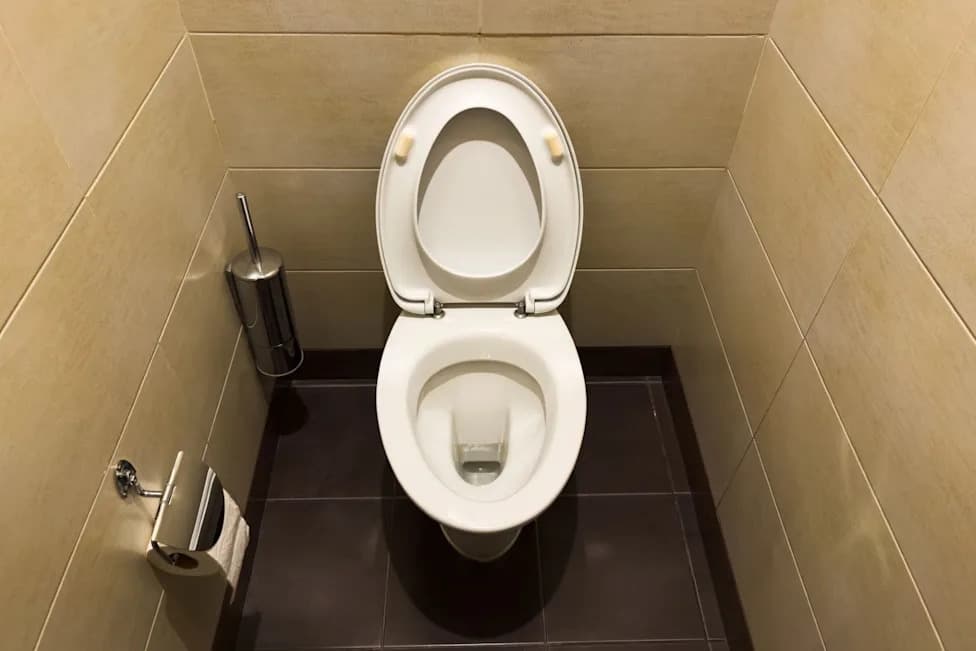
Photo Credit: iStock
New York City has begun piloting automated, touch-free public restrooms — nicknamed "robotoilets" — in an effort to improve access to clean facilities across the five boroughs. The new units, made by Throne Labs, are self-contained and touted as easier to place than traditional public bathrooms because they don’t require direct connections to city sewer or water mains.
Pilot Details
The pilot launched in September with two units and is backed by $4 million in funding; city officials plan to deploy a total of 17 units across all five boroughs. Entry to each unit is contactless: users can text a phone number displayed outside or tap a physical access card distributed by community organizations.
How the System Works
Each visit is capped at 10 minutes. According to reporting from Gothamist, a speaker issues a warning as an occupant approaches the time limit, and then an automated voice alerts users that their time has expired: 'Attention: Your use time has expired. The door is opening now.' If the occupant remains inside after the door opens, Throne Labs staff receive an alert and may respond in person; staff say they can contact police if a person refuses to leave.
Concerns and Criticism
The automatic timeout and door-opening feature has drawn significant criticism. When the pilot was reported by Dexerto and shared on Reddit’s r/Technology forum, many users responded with distrust of the automatic-opening function and concern about safety. Commenters asked, for example, why they should trust a toilet that can open on a timer.
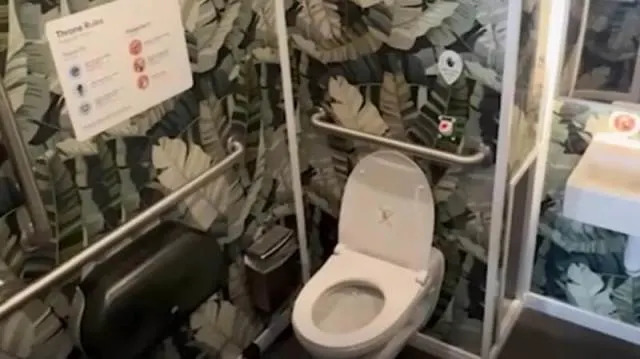
Photo Credit: Reddit
Advocates and disability-rights groups also warn the policy could conflict with the Americans with Disabilities Act because some people legitimately need longer than 10 minutes in a restroom due to medical conditions, caregiving responsibilities, or mobility impairments. Advocates for people experiencing homelessness say requiring a smartphone to text in or relying on a physical access card risks excluding the very populations the pilot aims to serve.
Broader Context
The robotoilet rollout touches on larger debates about technology, privacy, and surveillance in semi-private spaces. Similar controversies include schools in Wisconsin installing sensor systems in bathrooms and the use of embedded digital advertisements in mall and gas station restrooms — both of which have prompted public pushback over privacy and appropriateness.
City officials say the goal is to increase availability and cleanliness while improving turnover, but advocates and community groups are calling for clearer safeguards — such as exemptions, longer or adjustable time limits, and alternative access methods — to prevent unintended harm to vulnerable users.
Photo Credit: Reddit
Help us improve.