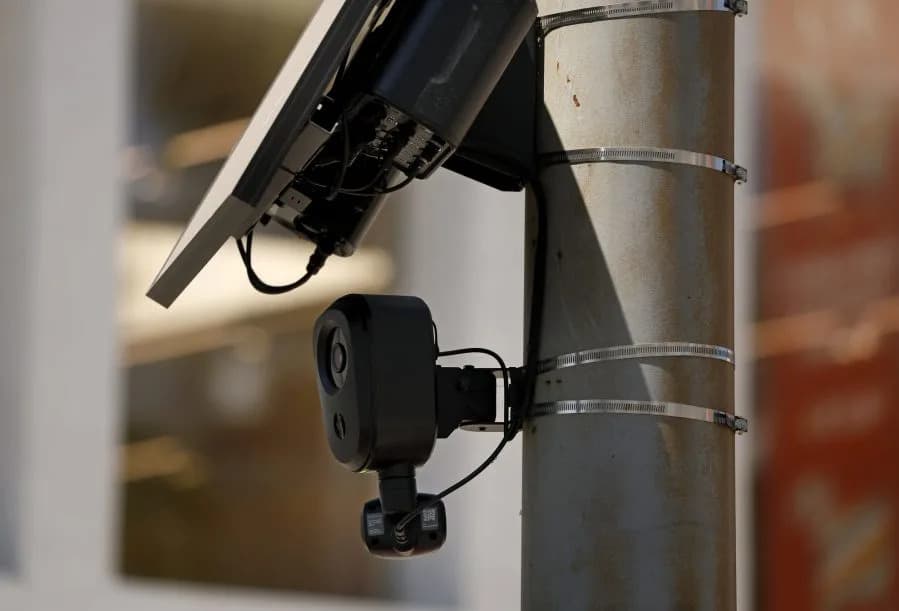
Noise cameras — systems that combine microphone arrays, video and sometimes license-plate readers — are being piloted or deployed in at least 10 U.S. jurisdictions. Programs range from data-collection pilots to active enforcement; New York operated 12 cameras in 2025 and issued 1,691 summonses from 15,994 recorded events. Technical testing, including by the California Highway Patrol, found limits in reliably tying noise to a specific vehicle, which is why many cities require human review. Privacy rules and retention policies vary, so communities should demand transparency before adopting these systems.
Noise-Detecting Cameras Spread Across U.S. Streets — What Drivers Need to Know

Bruce Campbell says Hollywood studios left ‘very sour’ taste after he was 'kicked out' of lead role
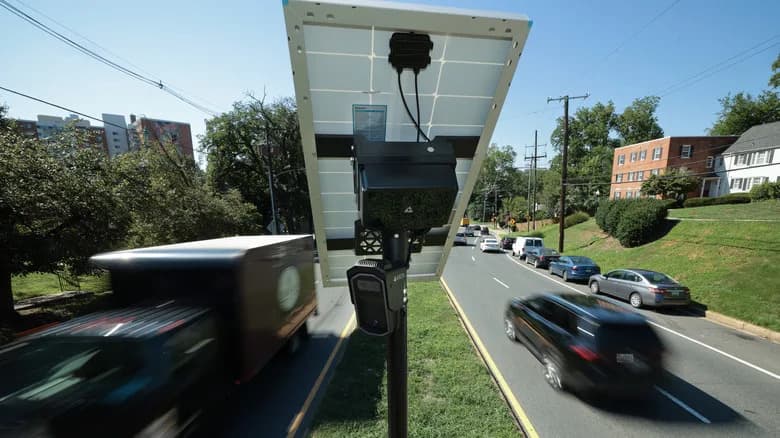
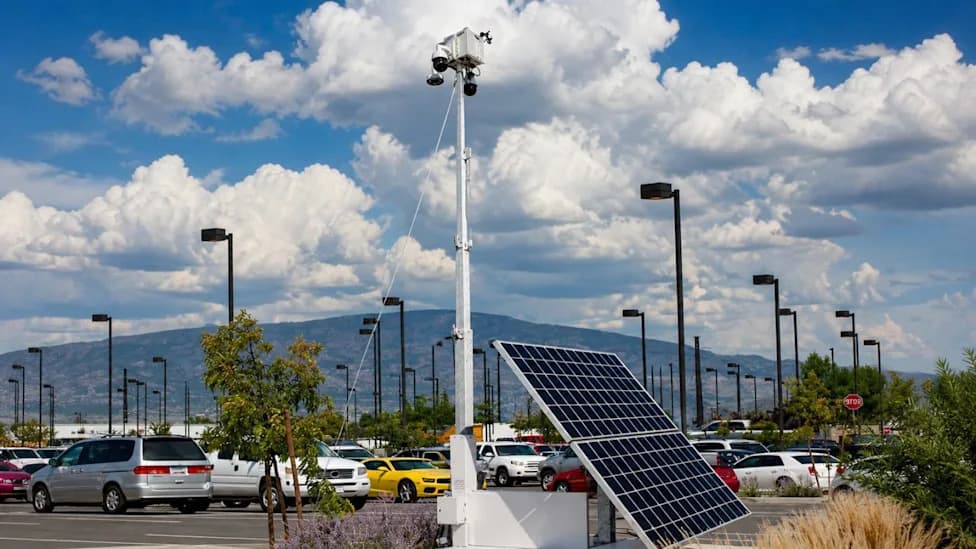
Communities across the United States are increasingly installing "noise cameras" — roadside systems that combine microphone arrays, video and sometimes automatic license-plate readers (LPRs) — to detect and document excessively loud vehicles. Programs vary: some collect data for planning, others issue warnings, and a few already generate fines. The technology promises relief for residents bothered by late-night roaring engines and street racing, but it also raises questions about accuracy, privacy and fair enforcement.
How Noise Cameras Work
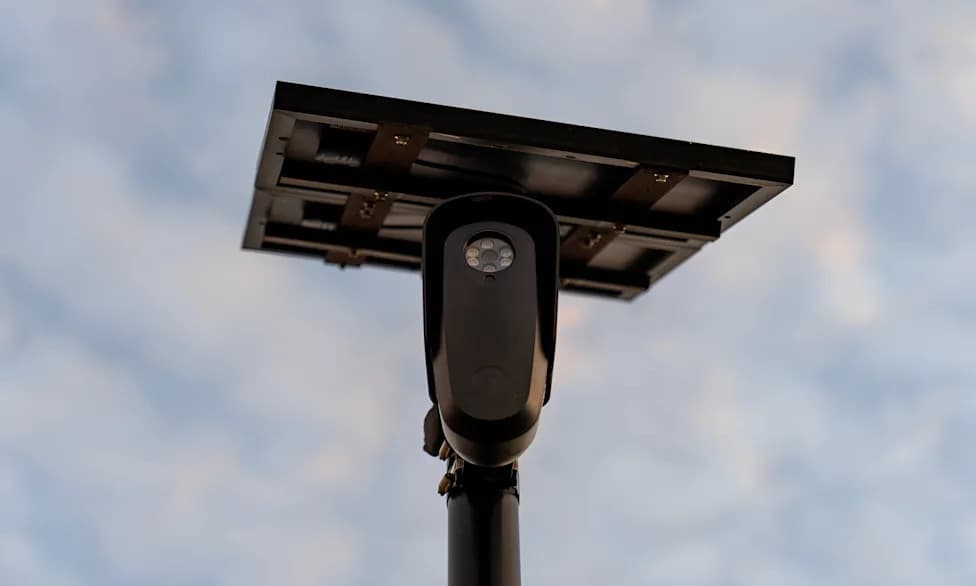
Noise cameras use multiple microphones arranged in an array to compare the time a sound reaches each microphone. Software triangulates the probable source and overlays a marker on video. When integrated with an LPR, the system can capture the vehicle’s plate after a flagged event. Manufacturers say their arrays can isolate a dominant source even amid other traffic sounds, but real-world conditions — lighting, traffic density and plate visibility — can complicate that process.
Where They’re Being Used
At least 10 U.S. jurisdictions have piloted or deployed noise-camera systems. New York City is one of the most developed programs: the Department of Environmental Protection operated 12 cameras in 2025, recording 15,994 noise events and issuing 1,691 summonses. New York’s program targets engine and muffler noise, certain horn violations and loud vehicle music; muffler violations carry minimum fines of $800 and can reach up to $2,625.
Other examples include:
- Knoxville, TN — Mobile noise-camera program using technology now listed through Intelligent Instruments; currently supports warnings rather than automated fines.
- Miami Beach, FL — Tested systems in a pilot; state law limited camera-only citations, and the city launched a Quiet Zone pilot enforced by officers in 2026.
- Avoca, IA — After a spring 2025 pilot targeting engine-compression braking, the town implemented a wider program using Intelligent Instruments with backend services from Sitestream.
- Oʻahu, HI — A two-year pilot launched in September 2025 collected noise data at planned locations but did not issue camera-generated tickets; events over 90 dB were flagged for analysis.
- Newport, RI and Albuquerque, NM — Used Sorama acoustic-imaging systems; Newport expanded its program and issues $250 fines in some cases, while Albuquerque ran a six-month data-collection pilot in 2025.
- Santa Fe, NM — Signed a five-year, up-to-$4 million contract with Jenoptik for combined automated speed and noise enforcement, with a warning phase before citations.
- University Park, MD and West Haven, CT — Joined county or municipal pilot programs with varying timelines and state law requirements for human review.
Vendors and Technology
No single company dominates the market. Key suppliers include:
- Intelligent Instruments (SoundVue) — Used in New York, Knoxville, Miami Beach and Avoca.
- Sorama — Dutch acoustic-imaging systems used by Newport and Albuquerque.
- Jenoptik — German smart-mobility firm contracted by Santa Fe for combined speed and noise enforcement.
- Other companies tested in evaluations include TNL, 24 Acoustics and Sitestream (backend services).
Technical Limits and the Need for Human Review
Laboratory and field tests show capability but also limitations. The California Highway Patrol evaluated devices from TNL, Intelligent Instruments and Jenoptik; only the Intelligent Instruments unit produced sufficient usable data for detailed analysis. CHP concluded that the tested systems were not reliable enough to act as standalone enforcement tools because of difficulties tying a sound to the correct vehicle and issues with lighting and plate readability. That explains why many jurisdictions require human review before issuing fines.
Privacy, Data Use and Local Rules
Privacy concerns extend beyond microphones hearing exhausts. Many systems capture license plates and store images or video. Rules vary by jurisdiction: New York says its cameras are positioned to avoid recording vehicle interiors or occupants, while Connecticut law mandates human review before citation and limits data handling. Cities and states should clearly explain what they record, who can access the data and how long it is retained.
What Drivers Should Do If They Get Cited
- Review the evidence: check the time, location, vehicle identification and the video marking the sound source.
- Confirm whether a human reviewer verified the event before a citation was issued.
- Learn the local appeals process and preserve any contradictory evidence (GPS logs, dashcam footage, witness statements).
Outlook
Noise cameras are part of a broader shift in roadside enforcement technology. They can help reduce late-night disturbances where police resources are limited, but technical and privacy challenges mean careful local policies are essential. Transparent rules, independent testing, human review and clear retention limits will be key as more communities consider these systems.
Would you want a noise camera on your street if it stopped loud cars from waking you at 2 a.m., or do microphones tied to license-plate technology cross a line? Contact your local officials and ask about accuracy, data handling and appeal procedures before a program is adopted.
Help us improve.