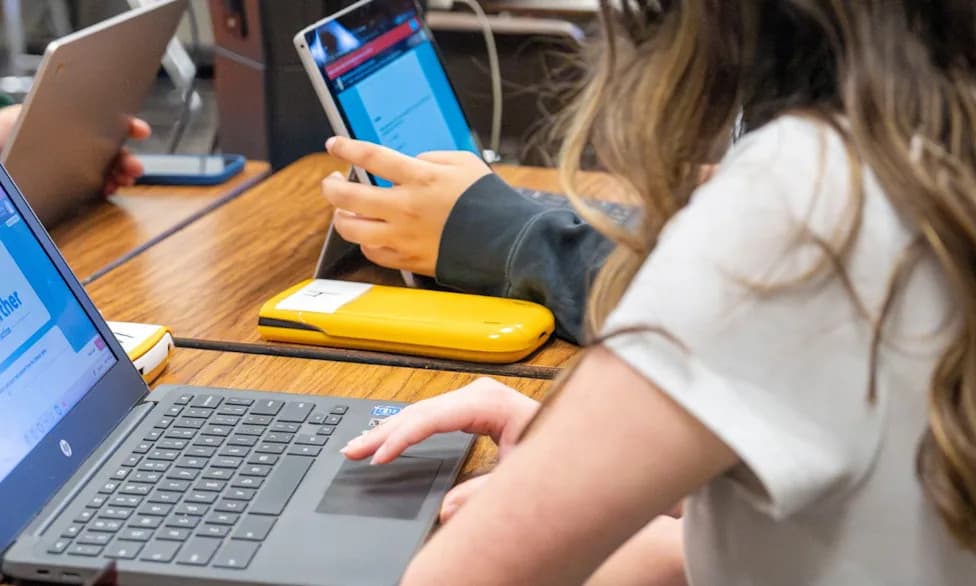
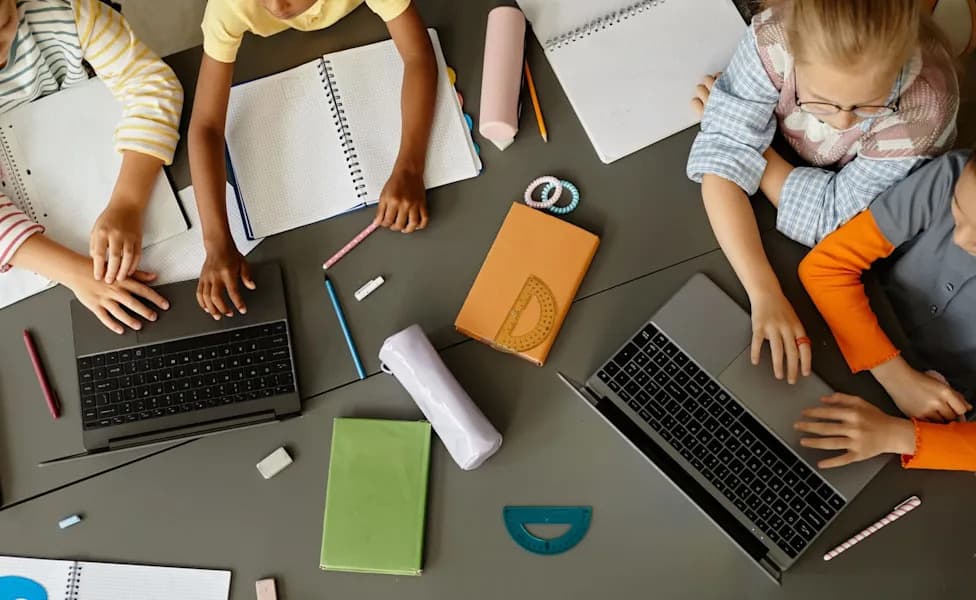
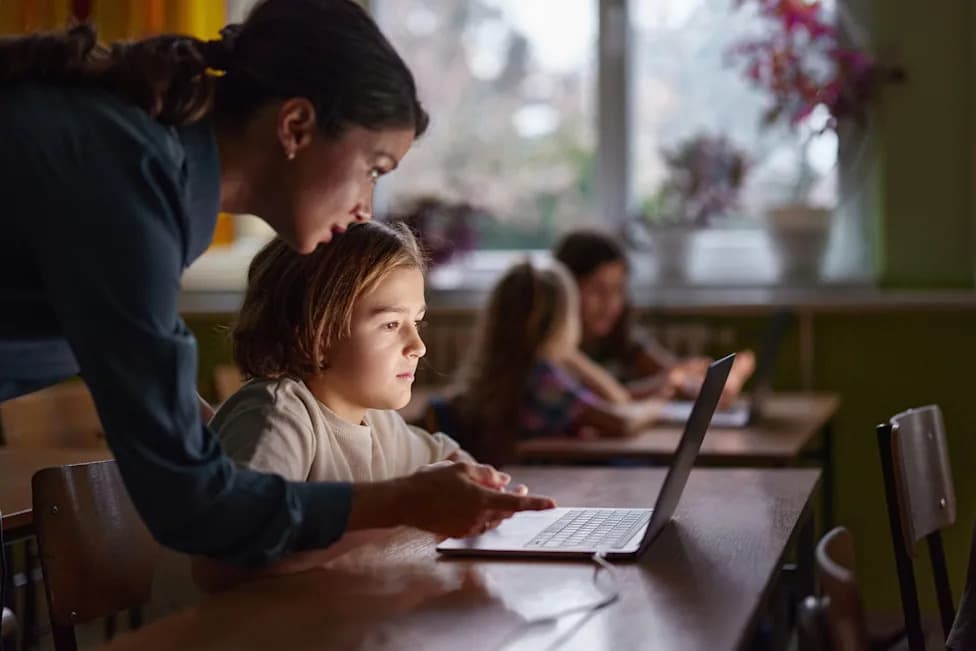
New York City students returned to public schools in September under a one-year moratorium on generative artificial intelligence — including chatbots and AI tutoring tools — for grades 2K through 8. The policy also introduces daily screen-time limits: no classroom screen time for the youngest grades, a 30-minute maximum for grades 3–5 and a 45-minute cap for grades 6–8.
Mixed Reactions From Families
I asked families on my 4,200-plus-member NYC School Secrets mailing list how they felt about what many described as one of the nation’s broadest classroom technology pauses. Most respondents said they supported the moratorium, though many also raised caveats and concerns about lost instructional tools and student preparedness.
"I am thrilled they implemented this and honestly wish it were for longer than a year," wrote Emily C., a Manhattan parent of a second grader. "I am hopeful after they see the positive effects of the moratorium for K–8th graders, it will be extended."
Support With Reservations
Many parents of younger children said their backing stemmed from fears they’ve read about potential harms of AI for early learners. Others with older children pointed to concrete classroom experiences shaping their views. Several respondents welcomed limited teacher use of AI where the policy permits it — for lesson planning, translation and family communication.
"I thought her using AI in that situation was resourceful and helped reduce 'parent noise' from her inbox," wrote a parent identified as JW about a first-year teacher who used AI to create weekly newsletters while managing a heavy workload.
Concerns About Cheating, Learning, and Preparedness
Some parents warned that unrestricted access to AI during assessments can undermine learning and mask students’ gaps. Luigi Kapaj, a data engineer, father of three and PTA co-president, voiced both support for limiting screens and concern about AI misuse:
"The problem with AI in classrooms comes down to two major issues: it is more harmful than helpful, and it is often wrong," Kapaj said. He described a student who used AI during a test and still earned a failing grade, arguing that AI-enabled answers can prevent accurate assessment of student learning.
Other parents argued the policy has gone too far, removing useful tools that support learning. One respondent criticized the loss of programs such as Delta Math and described reduced computer access in classes (including art) that previously used digital references and collaborative tools.
Queens parent Amelia M. expressed anxiety that older students could lose continuity in technology skills: "For the past three years there was use in every class and they've been taught how to work with the technology (Google Slides, Docs, Sheets). To skip a year of technology use altogether — which can be used without AI — will this set them back as ninth graders?"
Opportunity To Recalibrate
Other families see the moratorium as a chance to redefine how screens and technology are used in one-to-many classroom settings, especially for younger children who experienced heavy pandemic-era screen time. MT, a parent of children in pre-K and second grade, suggested taking lessons from older cohorts about healthy and purposeful technology use.
Only time will tell whether parents' hopes or worries are borne out. As the largest school district in the U.S., New York City’s experience this year will generate data many districts are likely to review as they develop their own AI and screen-time policies.