MUSC and Siemens have launched an accelerated, paid training program to tackle a growing shortage of CT technologists. The 27-week pathway combines nine weeks of classroom fundamentals, three weeks of clinical introduction and 13 weeks of supervised hands-on practice — including virtual scanners — and prepares trainees for CT certification. Enrollees already hold two-year associate degrees and registration in radiologic technology; the program aims to shorten onboarding and produce safer, work-ready clinicians more quickly.
MUSC and Siemens Launch Accelerated CT Technologist Program to Ease Staffing Shortage
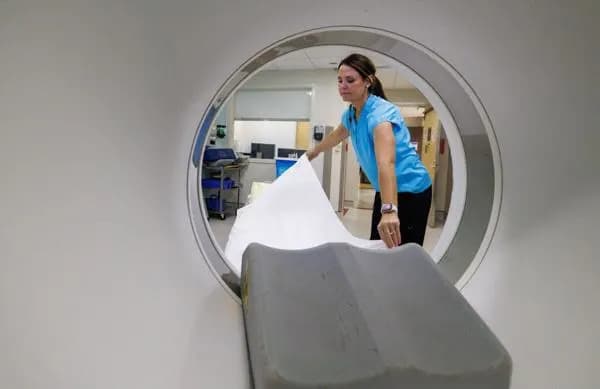
Heather Knight prepares for a CT scan at the Medical University of South Carolina on Monday, Sept. 21, 2026, in Charleston. Grace Beahm Alford/Staff
Robert Guercio made an unusual career shift: from gang intelligence and narcotics work in South Carolina's prisons to a classroom and clinical rotation at the Medical University of South Carolina (MUSC). In six months, he and three classmates hope to be ready to fill one of the most sought-after roles in health care — CT technologists.
"I can be nice to people," Guercio joked, underscoring the dramatic change of pace.
Heather Knight prepares a paitent for a CT scan at the Medical University of South Carolina on Monday, Sept. 21, 2026, in Charleston. Grace Beahm Alford/Staff
Partnership Aims To Close a Growing Gap
The four students are the inaugural cohort in a new partnership between MUSC and Siemens. The program combines focused classroom instruction with supervised, hands-on clinical experience. It is billed as an accelerated pathway that aims to produce competent, work-ready CT technologists in roughly half the usual time while helping MUSC and other providers address a widening staffing shortfall.
Why the Program Is Needed
Demand for CT technologists has roughly doubled since 2021, making an already scarce profession even harder to staff, according to analyst firm AMN Healthcare. In 2021 about one-third of CT vacancies could be filled readily; that rate has fallen to roughly one in five. Contributing factors include greater use of CT imaging and an aging population with rising rates of chronic illness.
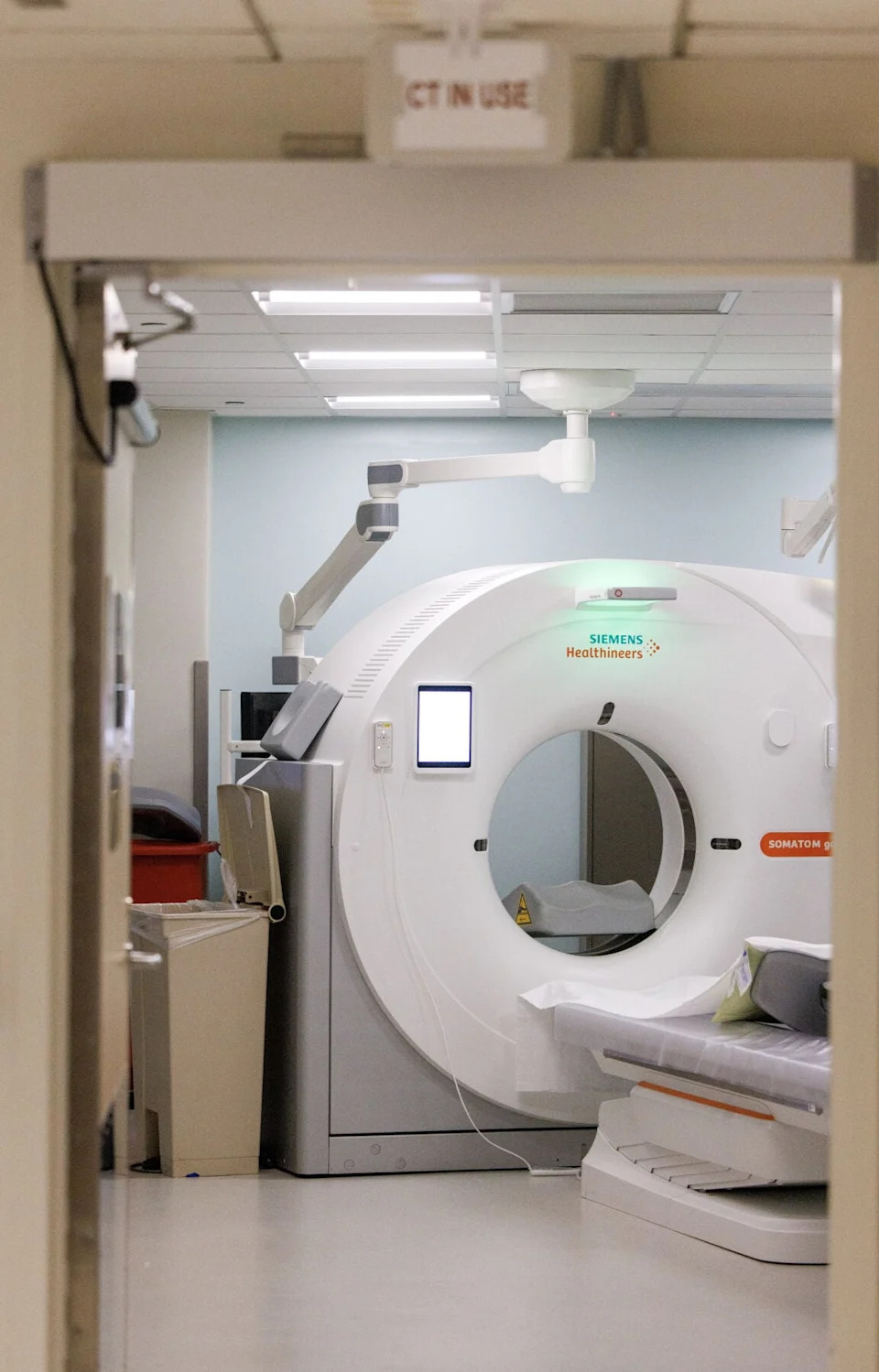
One of three CT scaners at the Medical University of South Carolina on Monday, Sept. 21, 2026, in Charleston. Grace Beahm Alford/Staff
"We sat down with Siemens and said one of the biggest problems we need to tackle are vacancies in the technologist field," said Jesse Goodwin, MUSC's chief innovation officer. "We needed to solve this together."
Program Structure And Training Highlights
Unlike many general radiologic programs — some of which are online and lack clinical exposure — MUSC's accelerated course focuses specifically on CT practice. The curriculum includes:
- Nine weeks of classroom fundamentals (anatomy, protocols, dose management and safety)
- Three weeks of clinical introduction
- Thirteen weeks of intensive, supervised hands-on training in clinics using MUSC equipment
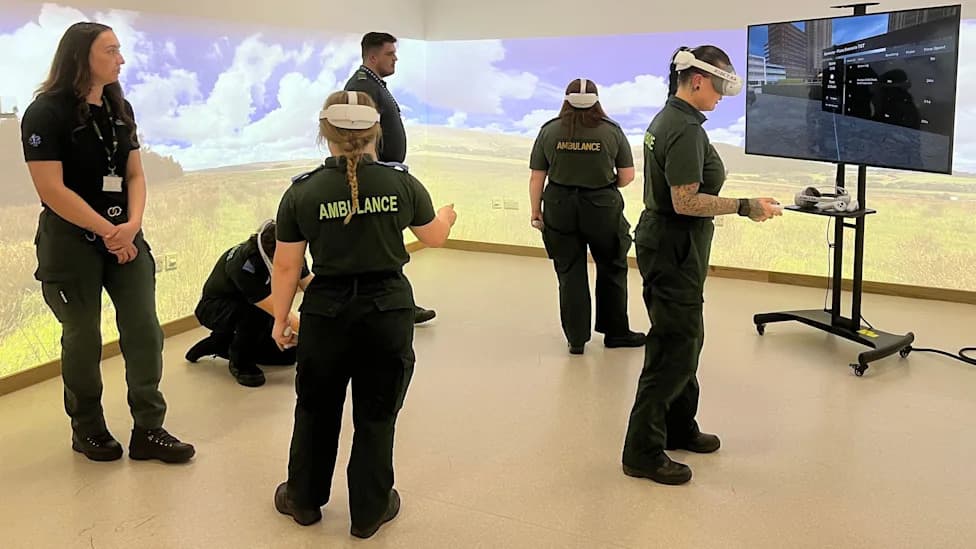
Students will also use virtual scanners to practice procedures and make mistakes safely without exposing patients to radiation. At the end of roughly 27 weeks, participants will be prepared to sit for the CT technologist certification exam.
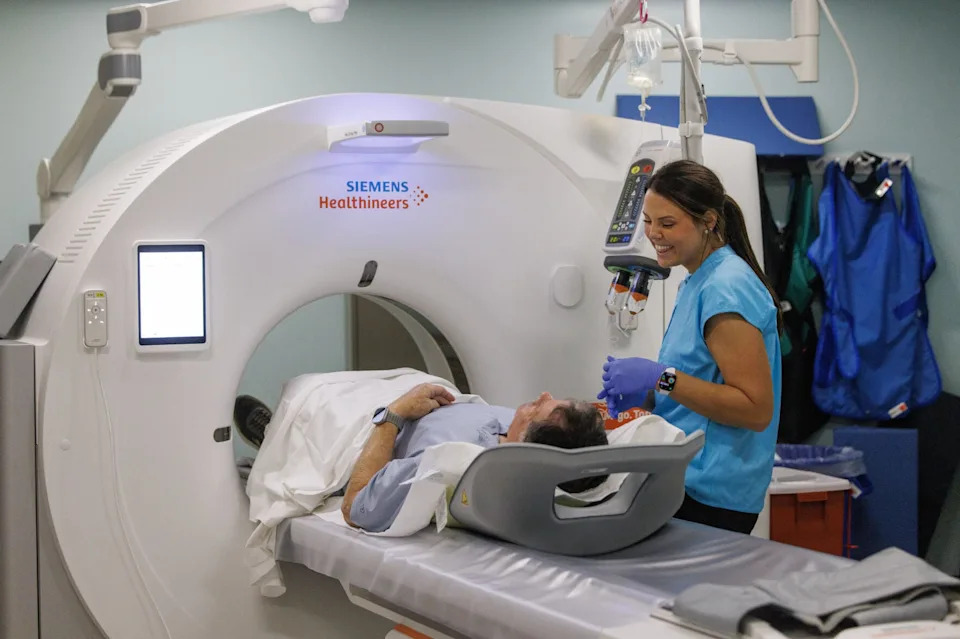
Heather Knight prepares a paitent for a CT scan at the Medical University of South Carolina on Monday, Sept. 21, 2026, in Charleston. Grace Beahm Alford/Staff
Who The Program Serves
All enrollees already hold two-year associate degrees and are registered radiologic technologists, which lets the program build on existing skills rather than starting from zero. The training is a paid, intensive program designed to shorten lengthy hospital onboarding — often 90 days or more — and reduce reliance on vendor-led, on-the-job coaching.
Voices From The Cohort
Students say clinical rotations exposed how thinly staffed many imaging departments are. William Golden, who spent four months in X-ray clinical rotations, noticed few staff in other imaging areas: "They need help." Guercio observed that hospitals are offering hiring incentives: "There's so many incentive bonuses." Kyle Walters, who studied exercise science, said hands-on X-ray training revealed multiple career paths within imaging: "It's not just one thing."
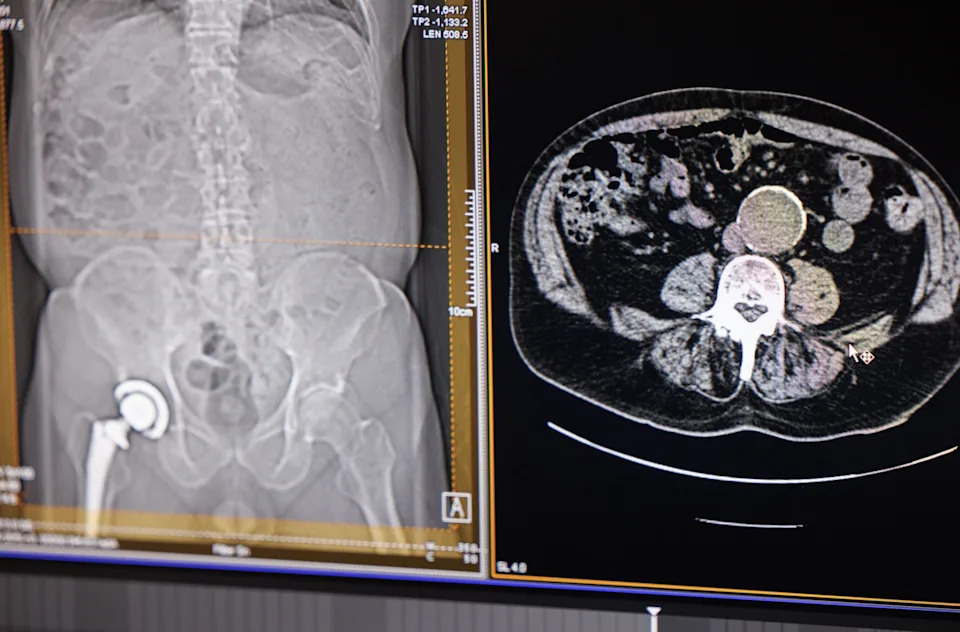
Heather Knight perfomes a CT scan on a paitent at the Medical University of South Carolina on Monday, Sept. 21, 2026, in Charleston. Grace Beahm Alford/Staff
Cliff Wooten, the CT course instructor, emphasized the program's safety and quality goals: "We're trying to take all of this knowledge and make a better CT tech in a shorter amount of time. It's a safety issue, better serving the community, raising the standard of health care in Charleston and in South Carolina in general."
The program represents a collaborative response to a clear workforce need: accelerated, competency-based training that gets qualified technologists into clinical roles faster and with less vendor-dependent onboarding.
Photo caption references in the original article (Heather Knight preparing patients for CT scans; images dated Sept. 21, 2026) were consolidated into this narrative for clarity.
Help us improve.