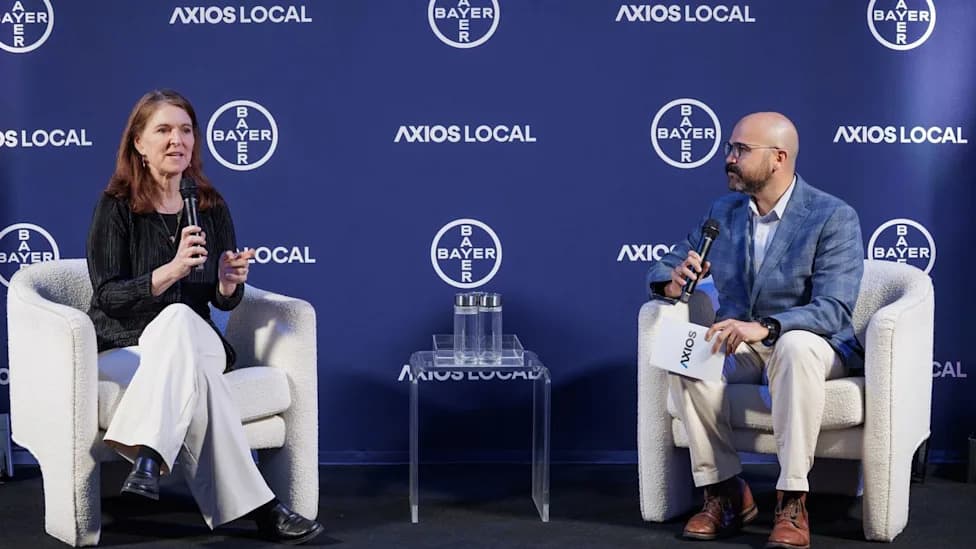
U.S. Anesthesia Partners substantially redesigned its 2025 Future Leaders in Anesthesia conference to prepare trainees for a rapidly changing clinical and technological landscape. The program shortens sessions for practical learning, adds a CRNA program director track and a board-prep session led by USAP examiners, expands industry participation, launches original research (focus groups and a national student survey), and introduces a philanthropic USAP Cares initiative. These efforts aim to ready new clinicians for today’s operating room amid staffing pressures and accelerating AI adoption.
U.S. Anesthesia Partners Rebuilds Future Leaders Conference To Prepare Clinicians For A Tech-Driven, Tight Labor Market
By Neal Grabarkewitz
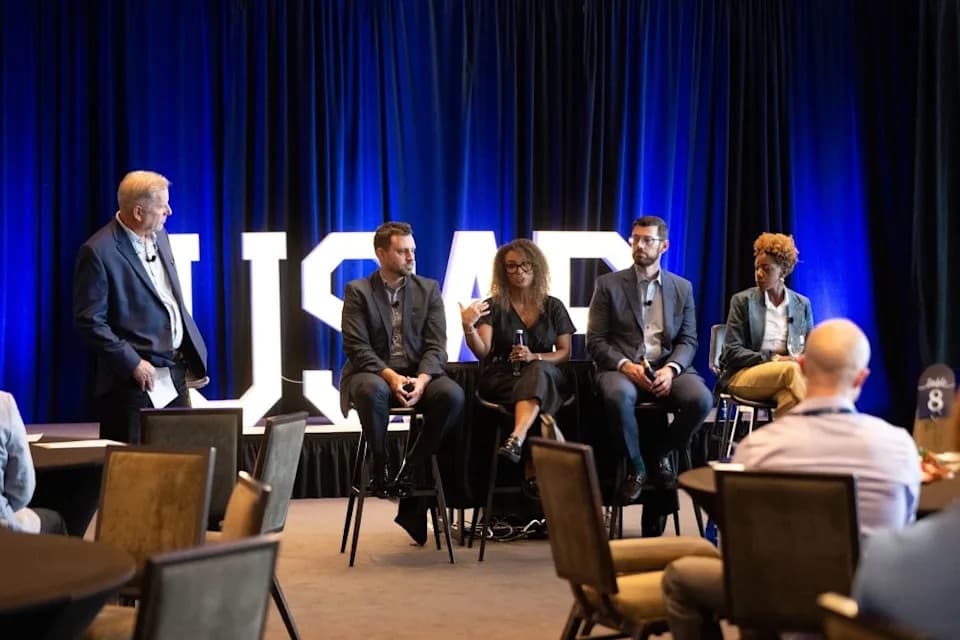
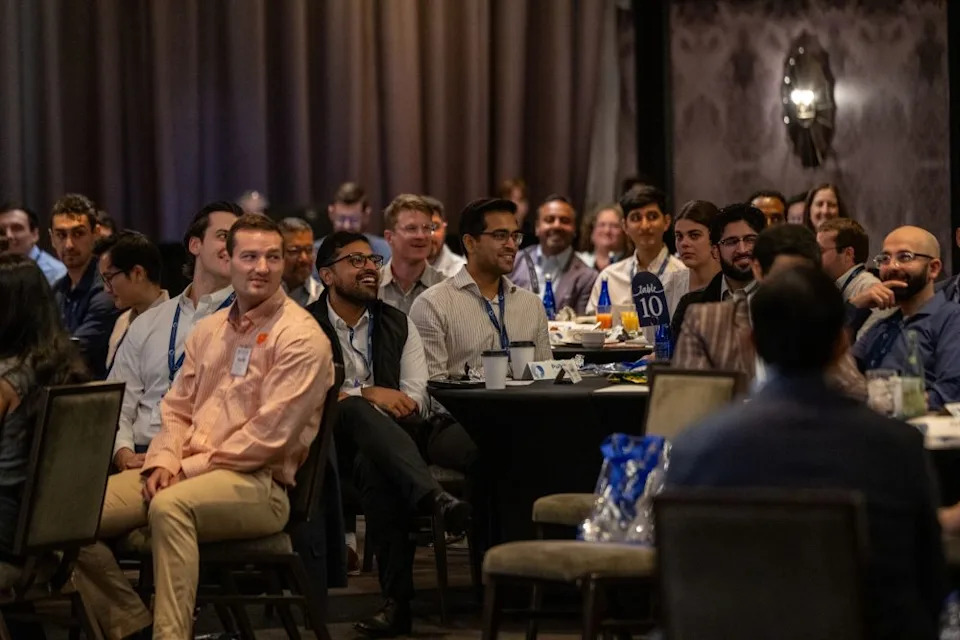
Each September, a select group of physician residents and student nurse anesthetists gather in Austin for U.S. Anesthesia Partners’ Future Leaders in Anesthesia (FLA) conference. For 2025, organizers substantially redesigned the program to reflect a clear reality: the role these trainees are entering is changing rapidly, and training must evolve with it.
What Still Matters—and What’s Changing
The core responsibilities of anesthesia clinicians remain the same and are often misunderstood by the public. During operations, anesthesiologists and CRNAs continuously manage the patient’s airway, breathing, heart rate and blood pressure, titrating medications in real time as conditions change. They protect cerebral blood flow during risky procedures, intervene in trauma and critical care, lead advanced life support, and manage pain—tasks that make anesthesia one of the safest specialties in modern medicine.
What has shifted is the surrounding context. The anesthesia job board GasWork reported more than 14,400 openings against roughly 125,000 full-time anesthesia clinician positions nationwide. The share of U.S. facilities reporting anesthesia staffing shortages more than doubled between 2020 and late 2022, and demographic trends mean more than one-fifth of the workforce could be retirement-eligible within a decade.
Concurrently, artificial intelligence and related technologies are being adopted in operating rooms faster than many training programs have updated their curricula. AI is not a replacement for clinical judgment; rather, it amplifies clinicians’ situational awareness through machine learning that flags risk patterns, computer vision that monitors the environment, and ambient documentation tools that reclaim attention from note-taking.
Why FLA 2025 Looks Different
Preparing clinicians for a demanding bedside role amid a tightening labor market and rapidly emerging technology is the chief reason FLA was redesigned. The 2025 program focuses on actionable learning, practical career preparation and leadership development that extends beyond technical skills.
Key Changes At A Glance
- Tighter, More Practical Sessions: Presentations are shorter and focused—closer to TED-style talks—so attendees leave with immediately applicable skills and insights.
- CRNA Program Director Track: A dedicated stream provides targeted content for program leaders rather than treating them as chaperones.
- Board-Prep Led By USAP Examiners: For the first time, residents can access exam-focused review taught by current USAP board examiners, a frequent request from past attendees.
- Expanded Industry Participation: More pharmaceutical and vendor partners are involved than in previous years, offering exposure to real-world products and solutions.
- USAP Cares Philanthropy: A new community component partners with Pop-Up Birthday in Austin to bring birthday celebrations to foster children—reinforcing the conference’s leadership and service mission.
Research And Workforce Insight
FLA 2025 also serves as a research launchpad. Pre-conference focus groups will capture qualitative attendee perspectives on where the field is headed, and USAP is partnering with a CRNA-owned research firm to run a national survey of anesthesia students exploring compensation, career motivations and information consumption. Organizers emphasize these studies are intended to provide objective data for the specialty—not to promote USAP specifically.
None of these initiatives will, by themselves, solve the workforce shortage. Broader solutions will require changes in reimbursement, expanded training capacity and policy actions that shape the pipeline of new clinicians.
What a conference like Future Leaders in Anesthesia can do is ensure that the clinicians who enter the field are prepared for the job as it exists today—balancing demanding clinical work, workforce realities and fast-evolving technologies—rather than the role described by curricula written years earlier.
Contact: Exec Edge — [email protected]
Photo credits: U.S. Anesthesia Partners
Help us improve.