When Wendell Berry died on Aug. 31, 2026, many rural Christian farmers mourned a mentor who helped them reconcile faith with ecological stewardship. Over 16 months of fieldwork (2023–2024), researchers found that more than 70 "ex‑conventional" producers shifted from monocropping and heavy tillage to regenerative practices such as no‑till, cover crops and rotational grazing, improving soil health and biodiversity. Yet these farmers often faced social resistance — sometimes from their churches — and credited Berry with giving them faith‑rooted language to defend and explain their choices.
Wendell Berry’s Legacy: How Christian Farmers Reconciled Faith With Regenerative Farming
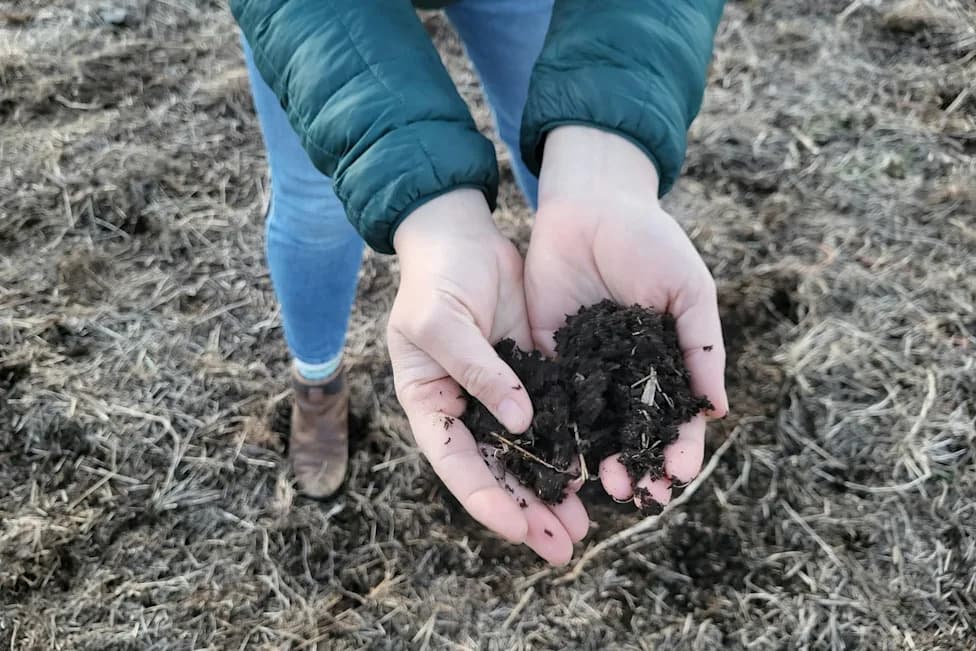
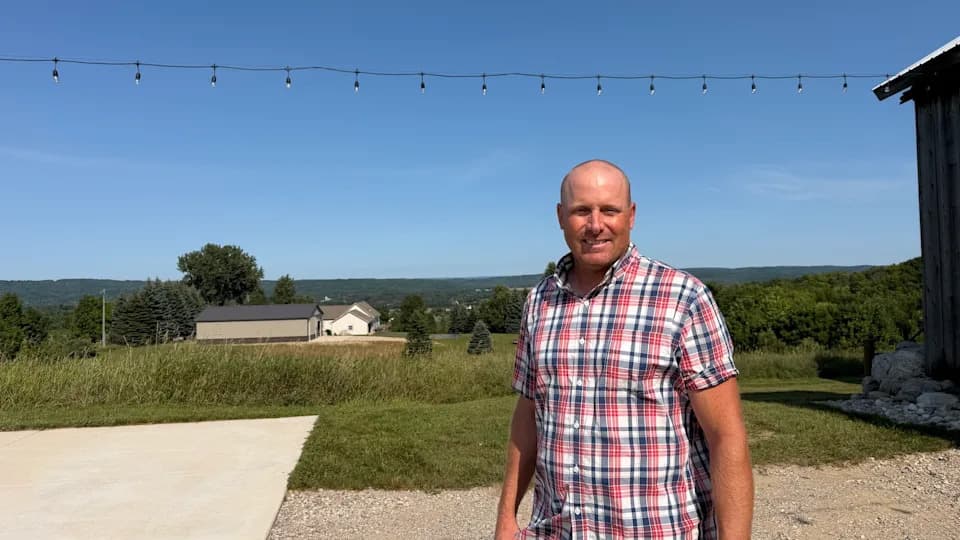
Jennifer, a seventh-generation cattle rancher in Georgia, inspects soil quality on her family's land. Sydney Giacalone
Late on the evening of Aug. 31, 2026, I missed a call from Jennifer, a seventh‑generation cattle rancher in Georgia and one of more than 70 family farmers and ranchers I had been studying across the rural U.S. South and Midwest. A brief text — "Wendell Berry passed" — conveyed the depth of grief she and many others felt for the Kentucky farmer, writer and activist whose work helped them rethink how they stewarded land.
Over 16 months of ethnographic research in 2023–2024, I interviewed and lived alongside what I call "ex‑conventional" farmers: producers who had broken with entrenched agricultural and social norms to adopt more sustainable practices. Many had managed family farms for generations using conventional, industrial methods such as monocropping, intensive tillage and heavy petrochemical inputs. In recent years, they described a deliberate shift toward regenerative approaches to repair soil, water and ecological health.
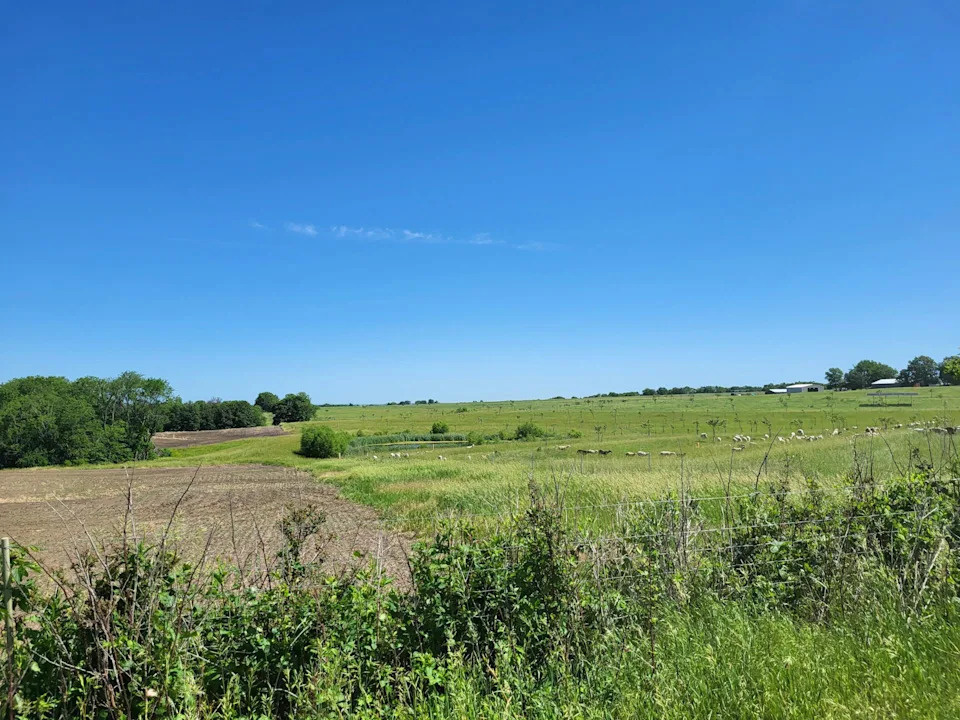
A conventional farm, left, sits next to an 'ex-conventional' regenerative pasture. Sydney Giacalone
From Conventional Methods to Regenerative Practices
Farmers I studied reported practical changes that included reducing or eliminating synthetic fertilizers and pesticides, abandoning routine tillage (no‑till), increasing plant diversity with cover crops, and adopting regenerative grazing systems that rotate livestock to allow pastures time to recover. Over time these practices produced measurable soil benefits — less erosion, improved water infiltration and greater organic matter — as well as wider biodiversity and often better animal welfare.
Social Challenges, Including in Church
Although the technical transition could be straightforward, the social consequences were often harder. Several producers described feeling ostracized by family and neighbors who read environmental concern as suspicious or hostile to rural identity. An unexpected and painful source of pushback for many was their own churches.
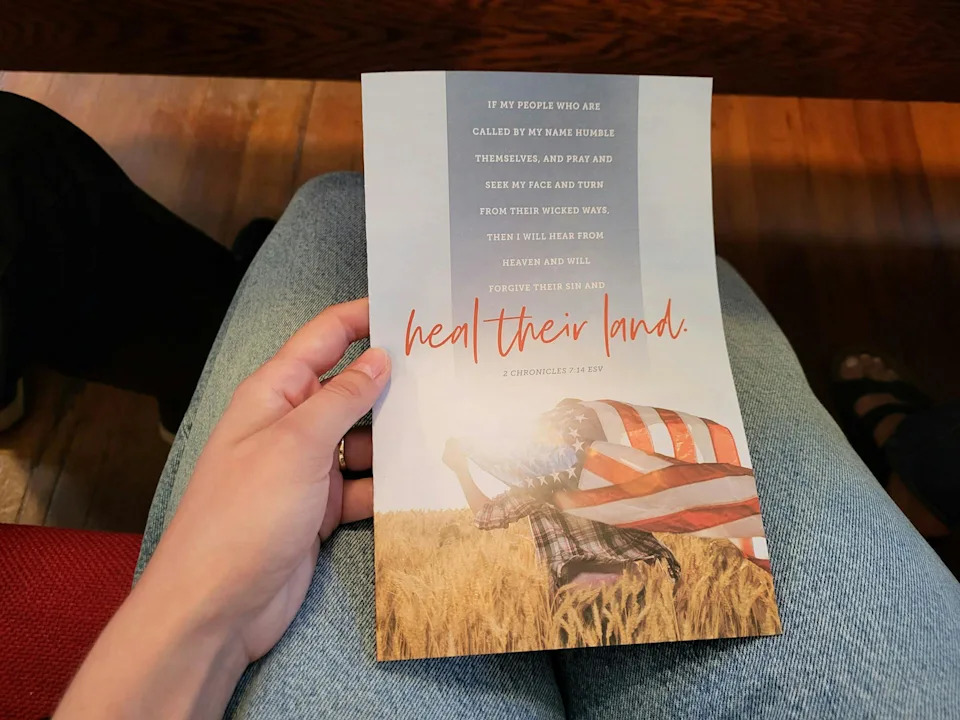
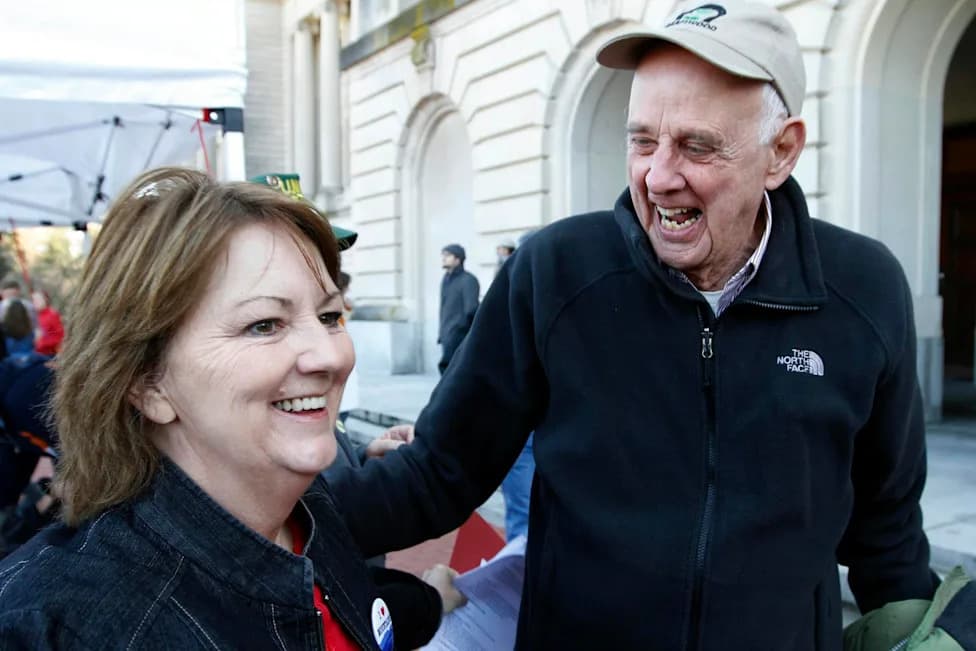
Some farmers felt like their churches saw critiques of conventional farming as a challenge to American rural values. Sydney Giacalone
"Why aren't we taking care of our creation that God gave us, right?" — Angela, Tennessee livestock farmer
Interviewees spanned a broad political range, but almost all were raised in Protestant Christian households. When they concluded their practices had harmed the land, many framed repair as a moral, faith‑based duty. Yet some congregations reacted defensively: environmental care was sometimes dismissed as secular activism, or — in more extreme responses — as irrelevant because of apocalyptic beliefs.
Several farmers recounted encountering what scholars call "apocalyptic conspiracism": a worldview that prioritizes evangelism over addressing worldly problems and may combine distrust of science with a belief that environmental decline signals imminent end times. That stance can lead church leaders or members to see conservation as unnecessary or even suspect.
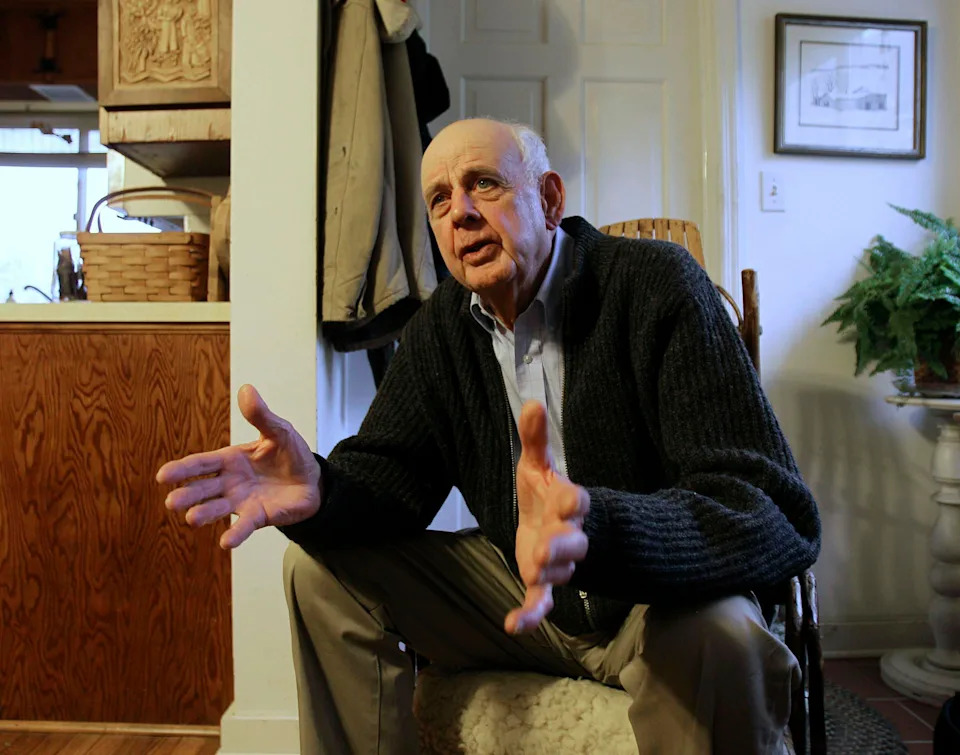
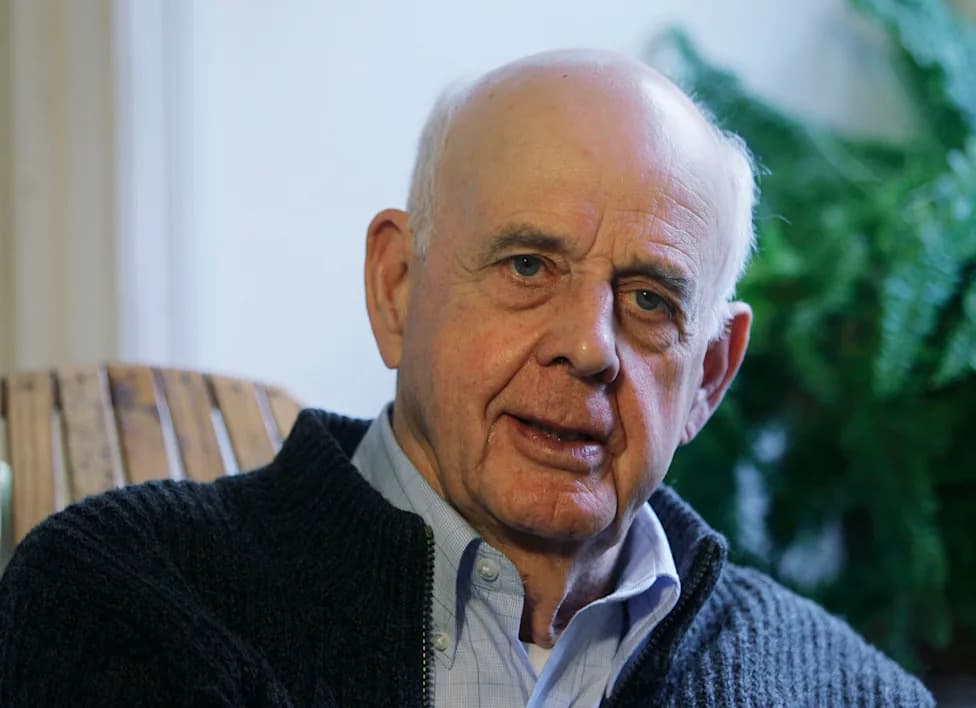
Author Wendell Berry talks with a reporter at his home in Port Royal, Ky., on March 10, 2011.AP Photo/Ed Reinke
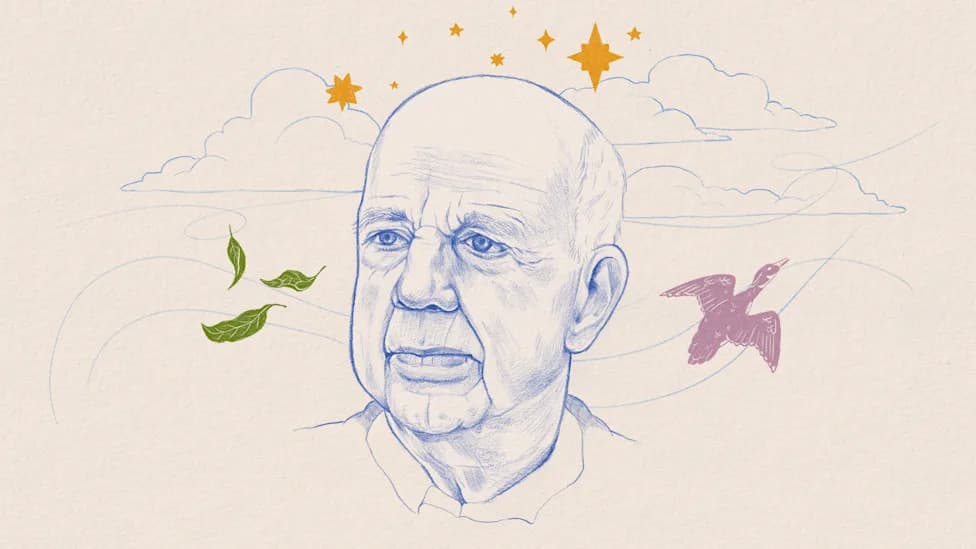
Wendell Berry’s Role
For many of the faith‑driven farmers I spoke with, Wendell Berry provided language and moral grounding to bridge faith and stewardship. Harry, a local theologian and youth educator in Georgia, said simply: "Wendell Berry opened my eyes." Jennifer and several others echoed that sentiment. Farmers described Berry as a model who resisted tidy partisan labels and offered a way to talk about land care that resonated with rural Christian values.
"Being a Christian is not just about going to heaven when you die — that's escapism. It's also bringing about healing and regeneration and reconciliation right here." — Drew, Midwestern farmer
Berry’s essays and fiction helped these producers explain practical practices — like cover crops and rotational grazing — in terms that honored scripture, rural heritage and science. A few even met Berry in person and credited him with helping them navigate criticism from both farming and church communities.
What This Means Going Forward
The experiences of these "ex‑conventional" farmers suggest that cultural and theological framing is as important as technical advice when encouraging sustainable agricultural change. Trusted voices such as Wendell Berry can give farmers relatable ways to connect faith, science and stewardship, reducing stigma and opening room for dialogue in communities where conservation might otherwise be dismissed.
Notes: This article is republished from The Conversation. It was originally published on September 17, 2026, and written by Sydney Giacalone, University of Virginia. The research referenced here involved ethnographic fieldwork with more than 70 family farmers and ranchers across the rural U.S. South and Midwest during 2023–2024.
Help us improve.