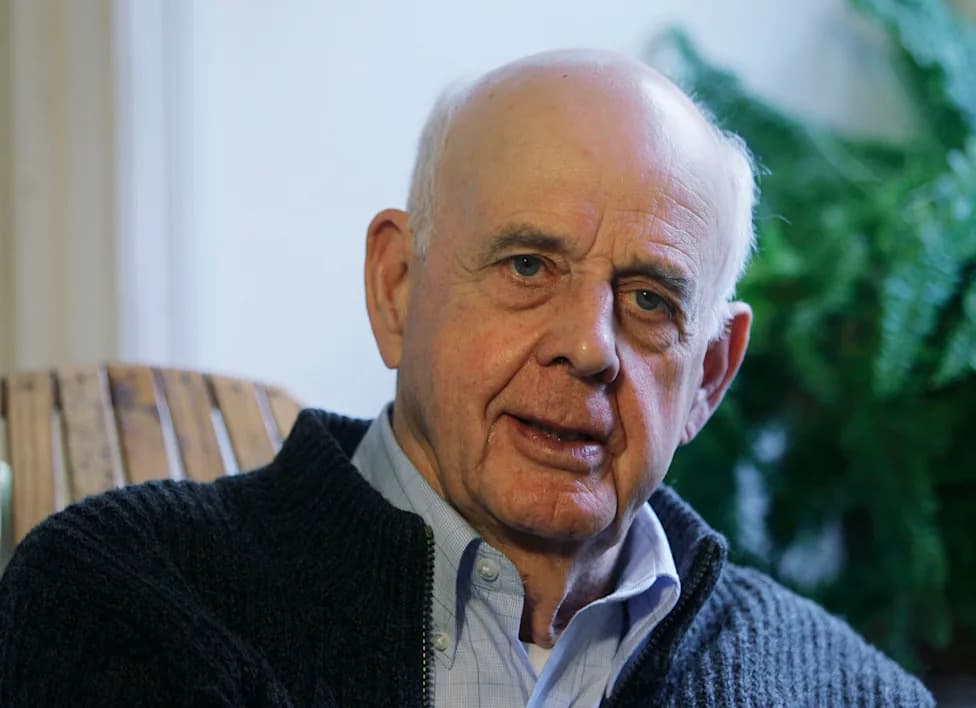
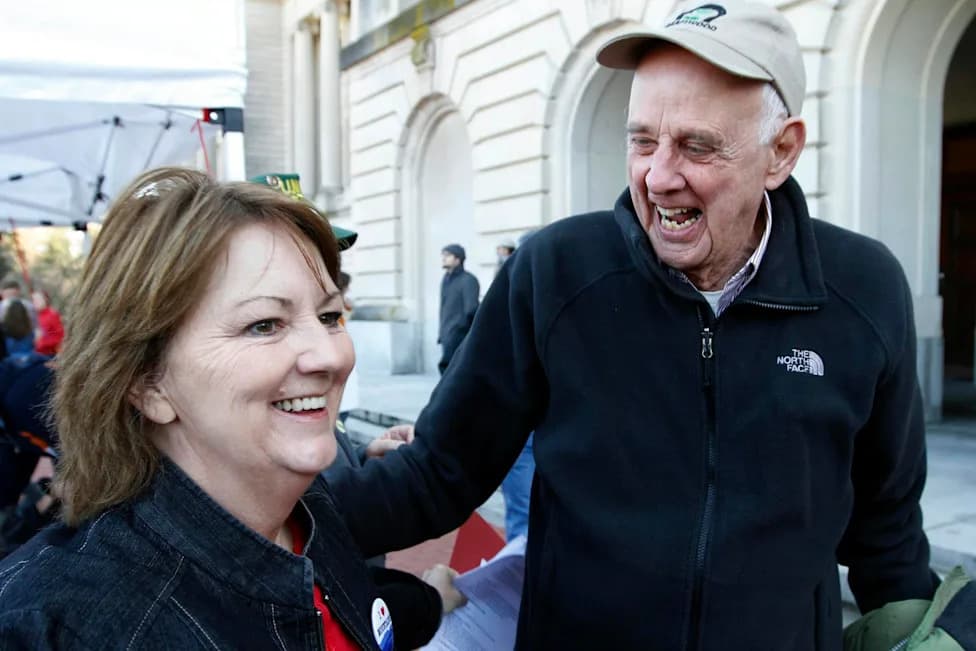
Wendell Berry, who died last week at 92, wrote more than 50 books from his Kentucky farmhouse and argued that meaningful change begins with small, daily acts of stewardship. A critic of technological alienation, he combined literary work with direct activism—arrested in 1979 and 2011 for environmental protests—and withdrew his papers from the University of Kentucky over coal money. Berry rejected easy political labels, urging people to tend soil and communities as the most honest path to healing land and society.
Wendell Berry’s Life on Earth: A Writer-Farmer’s Case for Small Acts and Deep Stewardship
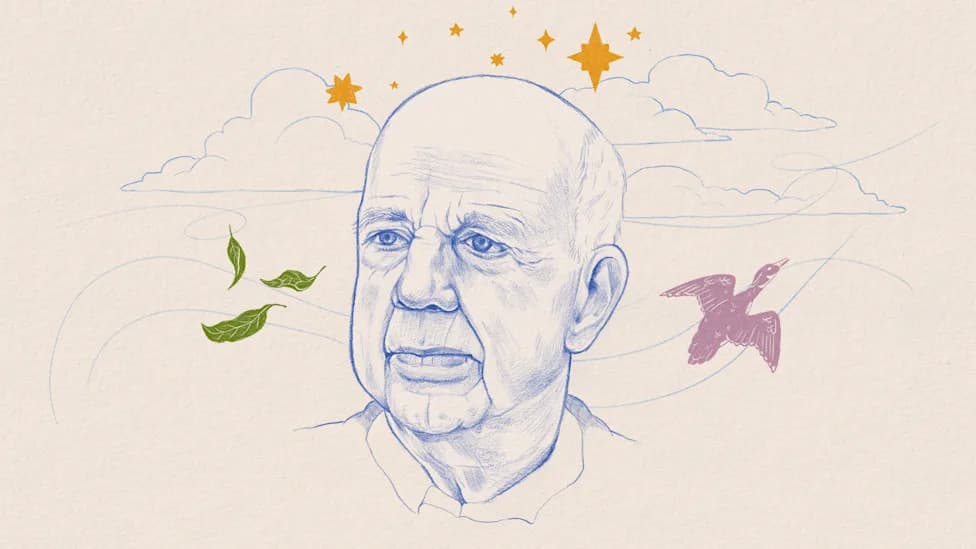
Wendell Berry’s life on Earth
Wendell Berry lived deliberately: he wrote more than 50 books of poetry, fiction, and essays largely with pencil and paper from his farmhouse in Henry County, Kentucky, and he resisted technologies that he believed could alienate people from meaningful work. He died last week at 92, leaving a body of work and a life that modeled the ethic he preached—small, steady acts of care for land and community.
Living Small, Thinking Deep
Berry’s answer to the question of how to live rightly was modest and persistent: honor the Earth's beauty and do a little each day to repair the harm people have done. In his 1972 essay "Think Little," he warned that public crises are also private ones and argued that political lobbying alone could not heal the rupture between modern life and the land. "The changes that are required are fundamental changes in the way we are living," he wrote.
"There is no public crisis that is not also private." — Wendell Berry, "Think Little" (1972)
Poetry, Practice, and Political Action
Berry fused literary craft with hands-on stewardship. One of his most famous poems, "Manifesto: Mad Farmer Liberation Front," urges readers to "Invest in the millennium. Plant sequoias. / Say that your main crop is the forest / that you did not plant." His work stressed cycles of death and rebirth in nature rather than apocalyptic finality; yet he did not shy from protest. He was arrested in 1979 for opposing a nuclear plant in Indiana and again in 2011 during a sit-in protesting mountaintop removal coal mining in Kentucky. Into the 2010s he continued to oppose coal, including blocking the gates of a coal-fired power plant in Washington, D.C., and withdrawing his papers from the University of Kentucky after the school accepted a $7 million donation from Alliance Coal.
A Skeptic of Technology and Of Easy Labels
After his Harper's Magazine essay "Why I Am Not Going to Buy a Computer" (1987), critics sometimes labeled Berry a Luddite. He understood the reference—like the Luddites of the early 19th century, he resisted machinery and systems that diminished the dignity of work—but his refusal was rooted in a desire to avoid letting technology estrange him from the land and the craft of writing. He was occasionally dismissed as a curmudgeon, but his convictions were more subtle than the label implied.
Beliefs That Crossed Political Lines
Berry’s opinions did not map neatly onto contemporary political categories. He held that marriage and family could strengthen community but opposed state power to legislate personal life. Religious in sensibility, he often invoked Biblical stories and Psalms while also describing himself as a sporadic churchgoer who liked to spend fine Sunday mornings walking in the woods. He rejected dualisms—between human and natural, body and soul, believer and nonbeliever—which helped his ideas resonate across class and political lines.
From "A Discipline": "it approaches / on every side, there is no other place / to turn... It is the time's discipline to think / of the death of all living, and yet live."
The Politics of Tending
For Berry, healing the land required patient, local work: learning a plot's rhythms, planting trees, tending seedlings. Such acts are political in the deepest sense because they affirm responsibility to place and future generations. The stewardship he recommended accepts compromise and imperfection while insisting on moral honesty: try to leave things better than you found them, even if full restoration may take generations.
Originally published by Grist with the headline "Wendell Berry's Life on Earth" on Sep 9, 2026.
Help us improve.