Totnes Castle was wrapped in a giant rainbow banner as the centrepiece of Totnes Pride's "Capture the Castle" display, drawing both criticism and support. Organisers say the striking image highlights a four-day festival with over 40 arts and culture events and celebrates the town's creative and inclusive spirit. South Devon MP Caroline Voaden backed the festival, noting its message of equality and potential local economic benefits. The story also recalls earlier debates over public funding for Pride and a blocked proposal for a permanent rainbow crossing in 2018.
Totnes Castle Wrapped In Giant Pride Flag Prompts Local Debate Over 'Capture the Castle' Display
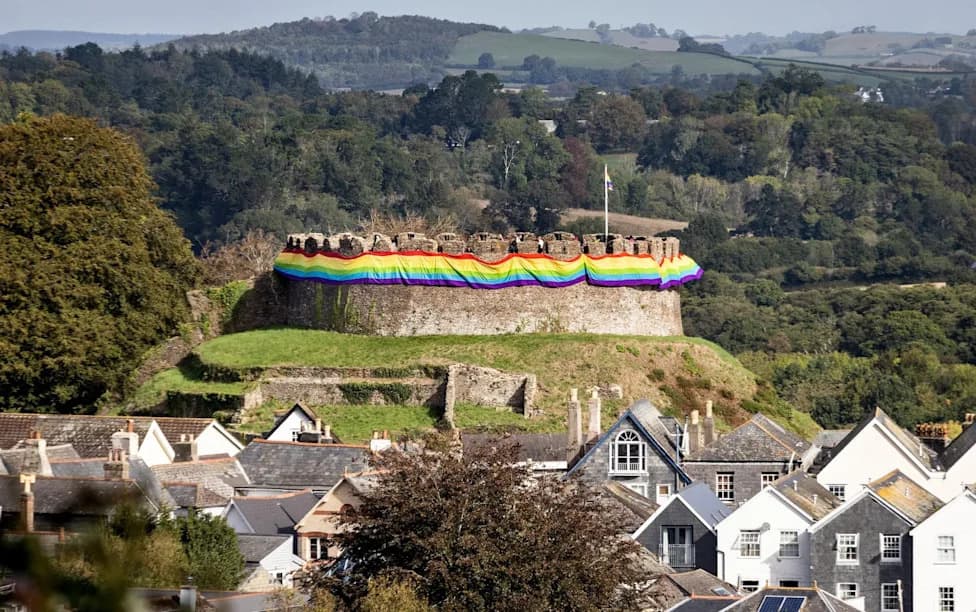
A Pride flag was wrapped around Totnes Castle in a display called Capture the Castle - Mark Passmore Photography
Totnes Castle was wrapped in a vast rainbow banner as part of Totnes Pride's "Capture the Castle" installation, a bold visual that now dominates the skyline above the Devon market town. The display, intended as a celebratory centrepiece for a four-day festival, drew both praise and criticism from residents and online commentators.
Organisers Defend The Installation
A Totnes Pride spokesman said the dramatic image was designed to be the defining visual of this year’s festival and to draw attention to an ambitious arts programme: "Capture the Castle is the image that will define this year's festival, but what we've built around it is a genuinely ambitious arts and culture programme – over 40 events." Organisers said the four-day programme showcases Totnes’s creative community, its love of live music and dance, its connection to the River Dart and support for local artists and writers, and that the town is "a place that welcomes people from all walks of life."
Local Reaction
The installation prompted online criticism from some locals. One commenter called it 'Absolutely ridiculous. Who paid for that? Was it taxpayers?' while another described it as 'disgusting.' Supporters, including festival-goers and local arts groups, argued the display celebrates inclusion and brings visitors and economic activity to the town.
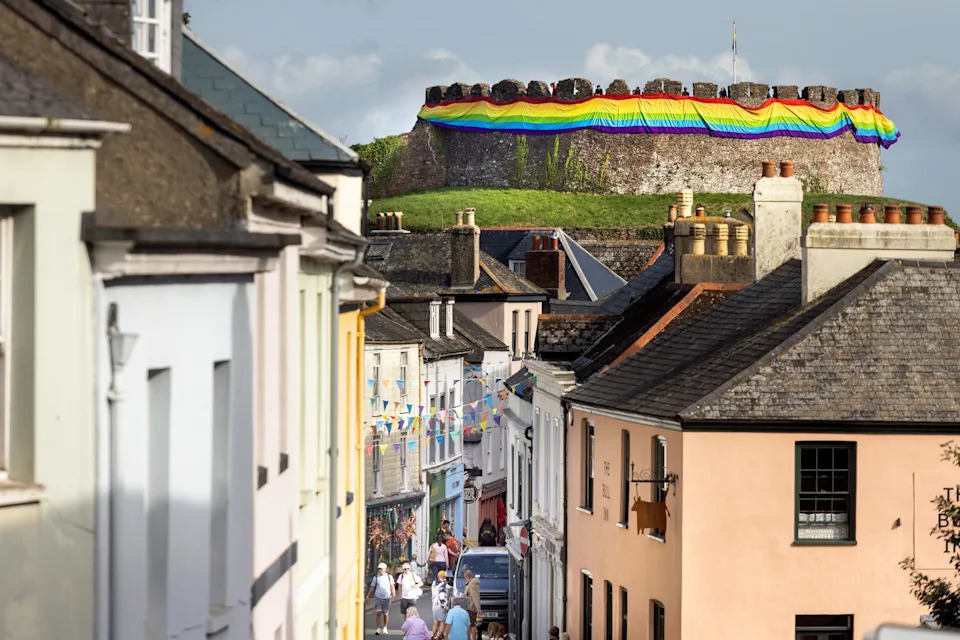
A spokesman for Totnes Pride said the flag would be the defining image of this year's festival - Mark Passmore Photography
Political Support And Funding Questions
Caroline Voaden, the Member of Parliament for South Devon, publicly backed the festival: "I'm so proud of the scale, diversity and quality of the Pride festival Totnes has produced, which – as well as sending a clear message of equality and inclusion – will also boost our local economy and growing profile as a centre for progressive arts and culture." She added: "It's so great to see Totnes buzzing with energy and fun and queer love. Everyone deserves to be who they are, to love who they love and to live with dignity and respect."
Totnes Pride has previously received community grant funding from the town council, and the use of public money for Pride activities has been debated locally in prior years.
Past Controversy: Rainbow Crossing
The town also saw a row over proposals for a permanent rainbow zebra crossing to replace a temporary installation. Critics raised safety concerns that a brightly striped crossing might confuse drivers and pedestrians. In 2018, Devon County Council's highways committee refused permission for a permanent crossing, citing the potential for confusion.
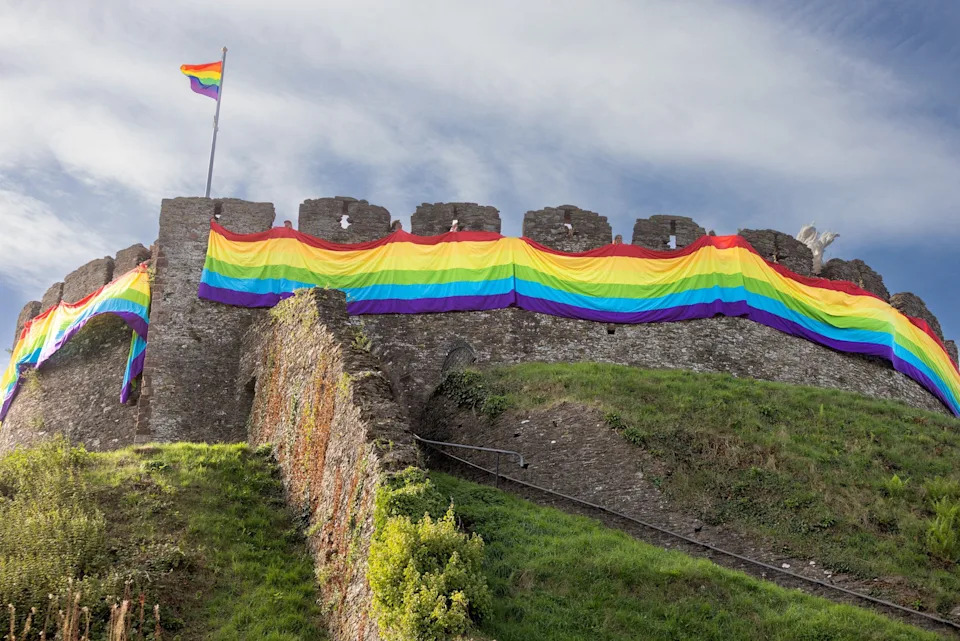
Caroline Voaden, the MP for South Devon, backed the festival, saying: "I'm so proud of the scale, diversity and quality of the Pride festival Totnes has produced - Mark Passmore Photography
A Brief History Of Totnes Castle
Totnes Castle stands at the highest point of the hilltop town and dates back to soon after the Norman Conquest. Historians believe the first fortifications were erected by Breton Juhel of Totnes, a lieutenant of William the Conqueror, after he received the feudal barony of Totnes in 1068.
The earliest castle was likely composed of a wooden palisade and tower. Later stone defences, including a shell keep and curtain walls, were probably added under William de Braose, 3rd Lord of Bramber. By 1326 the castle had fallen into ruin and passed to the de la Zouch family; a royal order led to repairs using Devonian limestone and red sandstone. The fortress declined again after the Wars of the Roses and was occupied during the Civil War, although it did not see notable military action at that time.
Image credit: Mark Passmore Photography
Help us improve.