An MH-47G Chinook from the Army's 160th SOAR landed on an uncrewed barge at sea and completed a refuel, showing how autonomous vessels can extend helicopter reach for long-range special operations. The barge used Sea Machines' SM300 autonomy system, which provides navigation, route execution and remote supervisory control and adapts to different propulsion setups. Mobile refueling nodes can expand operational reach—particularly in the Pacific—by moving logistics closer to objectives without modifying aircraft. Barges remain vulnerable to threats and weather, so the approach supplements rather than replaces existing refueling and support options.
First for U.S. Army: MH-47G Chinook Completes At‑Sea Refuel From Autonomous Barge
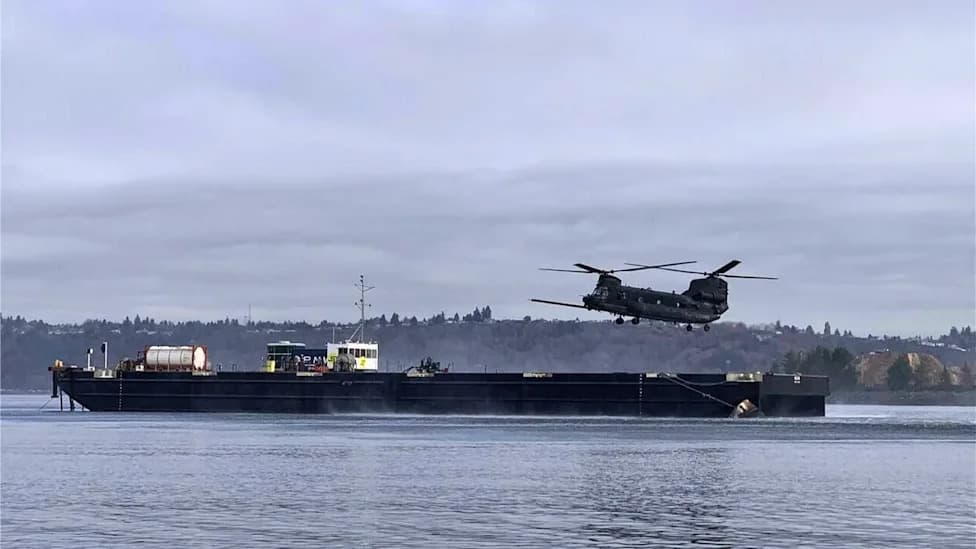
First for US Army: MH-47G Chinook helicopter refuels from autonomous barge at sea
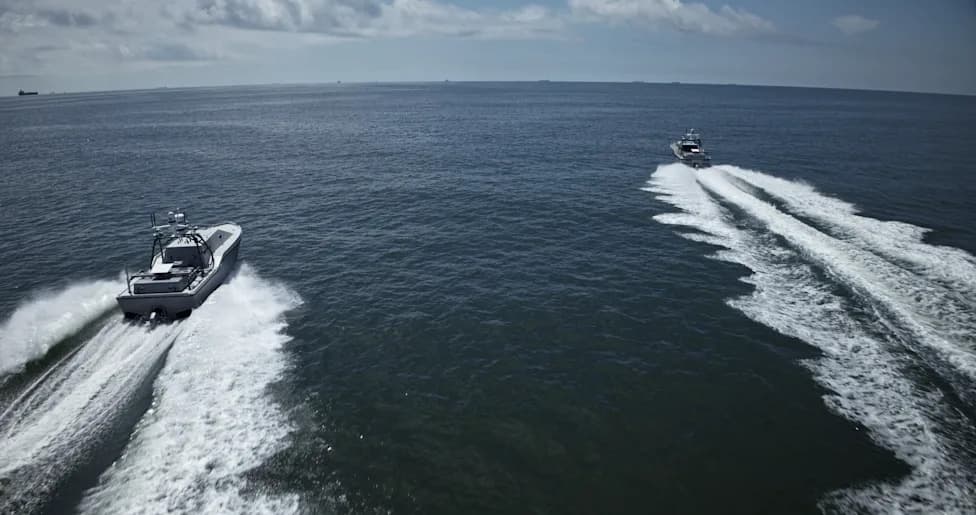
An MH-47G Chinook from the U.S. Army's 160th Special Operations Aviation Regiment — the Night Stalkers — landed on an uncrewed barge at sea and completed a refueling, demonstrating a new way to sustain special operations helicopters on long missions far from land.
What Happened
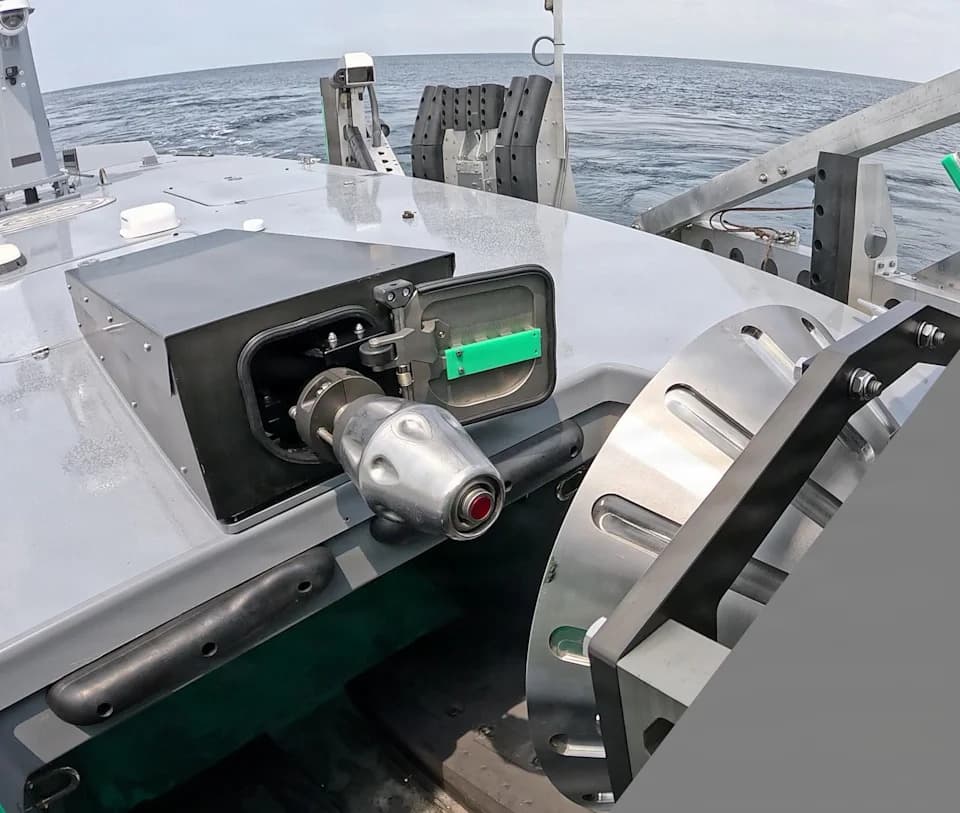
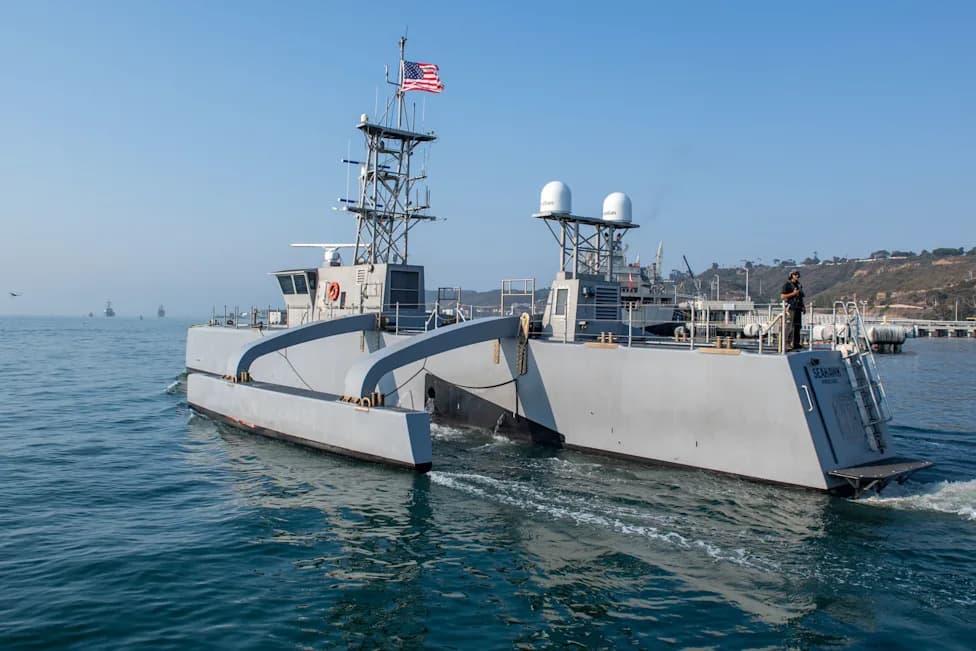
The test used a barge equipped with Sea Machines Robotics' SM300 autonomy system. According to the company, the SM300 provides automated navigation, route execution and remote supervisory control, and can be adapted to a wide range of propulsion and steering configurations depending on the hull.
About the Aircraft
The MH-47G is a heavily modified variant of the CH-47 Chinook tailored for special operations. It combines heavy-lift capability with specialized avionics, navigation suites and defensive systems to support long-range infiltration, extraction and resupply missions in austere environments.
Operational Implications
Pairing a special operations Chinook with an autonomous refueling barge creates a mobile replenishment node that can move with an operation instead of remaining fixed at a base or airfield. That approach can extend the MH-47G's effective range without modifying the aircraft, because logistics assets are positioned closer to objectives rather than forcing helicopters to carry additional fuel.
For the 160th SOAR — whose missions depend on long range, precise timing and surprise — the added flexibility could be significant. A distributed network of small autonomous barges positioned along likely routes would enable infiltration or extraction in places where airfields are scarce, predictable, or unavailable.
Where It Matters Most
The concept is particularly relevant to the Pacific theater, where island chains, long overwater distances and a limited number of forward airfields constrain traditional helicopter operations. Multiple autonomous vessels spread across a maritime area could offer several potential replenishment points, making logistics harder for an adversary to predict or target.
Limitations and Risks
These barges would remain vulnerable to surveillance, electronic warfare, missile strike and severe weather, and they offer nowhere near the protection of a major naval ship. Their value lies in mobility and distribution: dispersing logistical dependence across many smaller nodes rather than concentrating it in a single, high-value platform.
Scalability
Sea Machines designed the SM300 to scale across vessel sizes using a common core architecture, reducing the need to build an entirely new control system when moving from small autonomous craft to larger logistics hulls.
Bottom line: Autonomous refueling barges are not a replacement for aerial refueling, crewed support ships or shore infrastructure, but they add a flexible, distributed option planners can use based on distance, threat environment and terrain.
Help us improve.