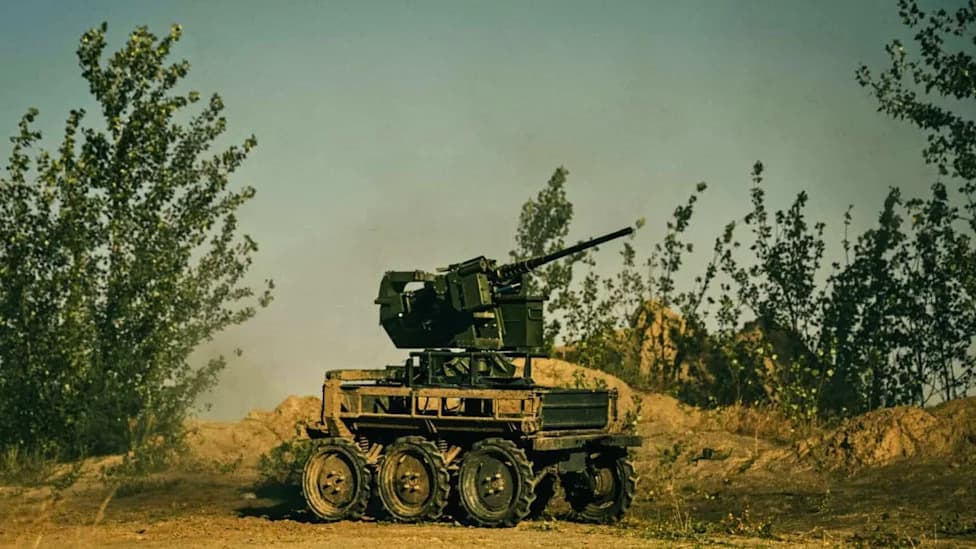
Ukraine has deployed an amphibious unmanned ground vehicle on its first operational resupply mission, moving supplies roughly 25 miles across mixed land and water to reach frontline troops. Developed under the Brave 1 defence-technology cluster, the platform can switch between land and water within seconds and is intended to overcome rivers, canals and marshes that impede convoys. The ministry says UGV missions have more than tripled this year, while separate drone operations have delivered kamikaze ground robots deep into Russian-held areas.
Ukraine Deploys Amphibious War Robot in First Land-and-Water Resupply Mission
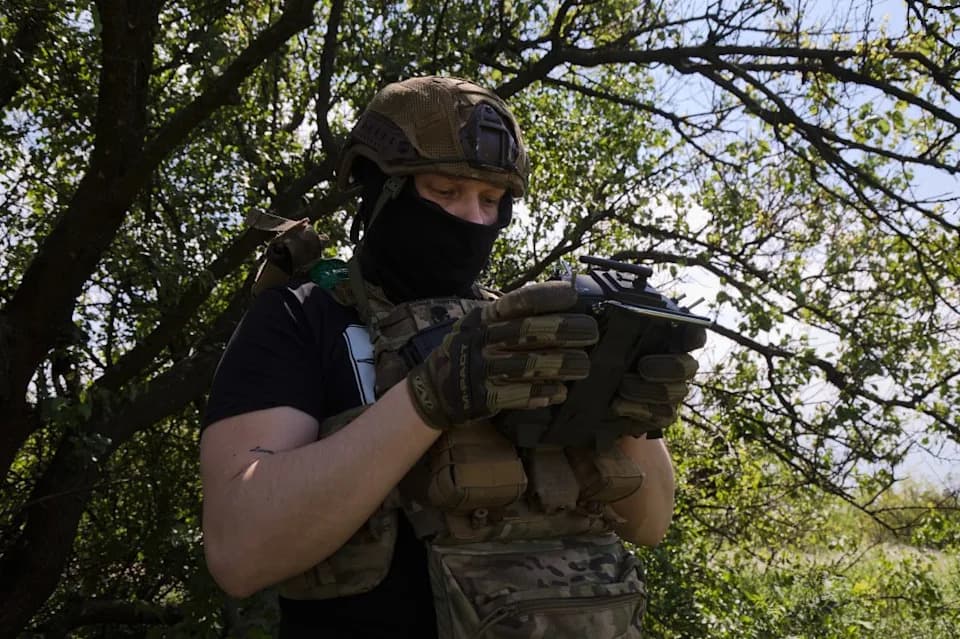
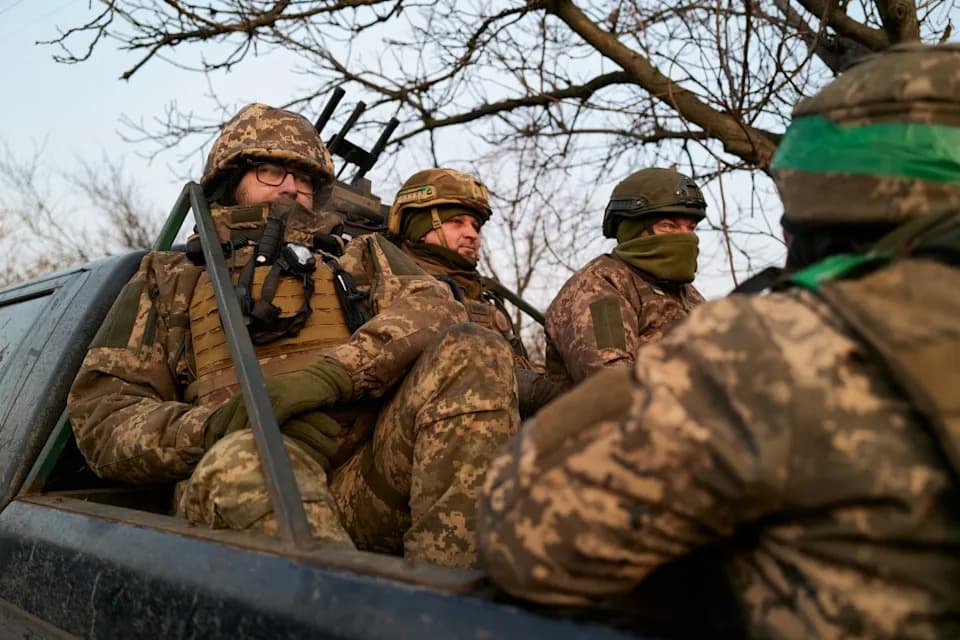
This illustrative image from May 23, 2026 shows the 109th Brigade of the Armed Forces of Ukraine operate Vampire heavy bomber drones along the fortress belt in the Donetsk region. Ukraine has touted an amphibious unmanned ground vehicle that has supplied the frontline.
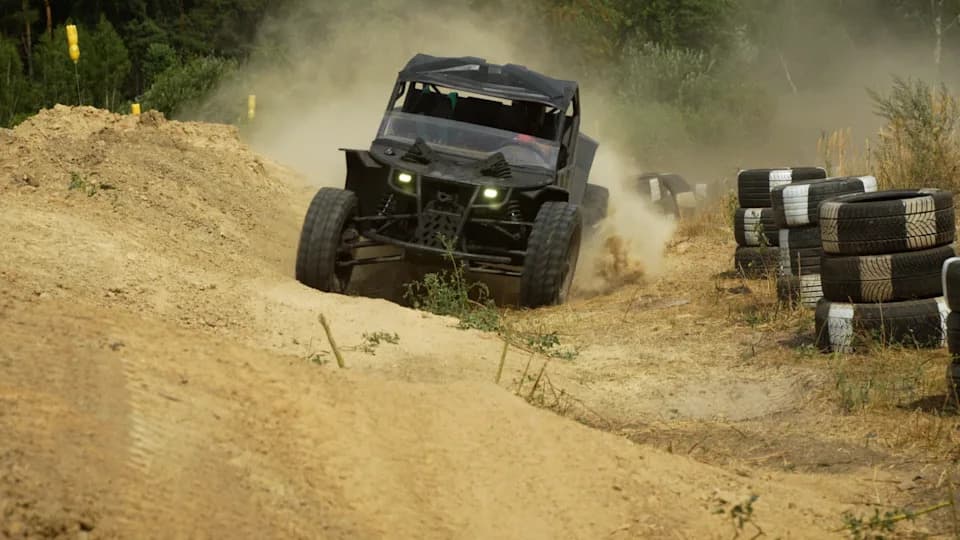
Ukraine's defence ministry says it has for the first time operationally deployed an amphibious unmanned ground vehicle (UGV) that traversed mixed land and water to deliver ammunition and supplies to frontline troops, marking a notable advance in battlefield logistics.
Officials said the robotic platform carried provisions for roughly 25 miles of terrain that included open ground, rivers, canals and marshland, and was able to shift from travelling on land to moving through water within seconds. The ministry released infrared footage it said shows the vehicle operating across both ground and water during the mission.
Development and Fielding
The vehicle was developed under Ukraine's state-supported defence-technology cluster Brave 1, which connects domestic developers with the military and government. According to the ministry, troops tested the platform over several months and adapted it to battlefield conditions before its field deployment.
Role of UGVs and Drones
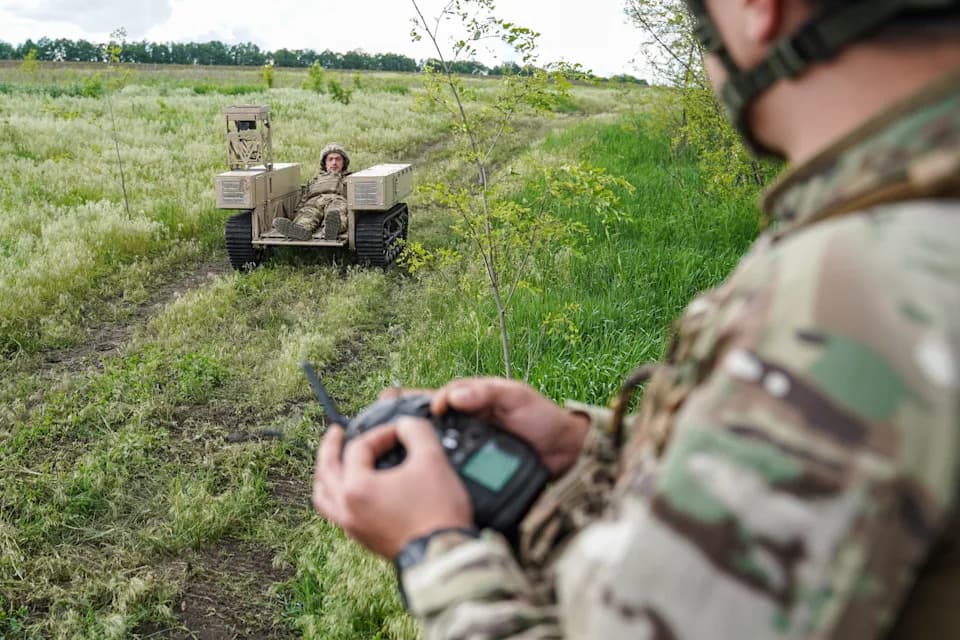
Unmanned ground vehicles are increasingly integrated into Ukrainian tactics, undertaking logistics, reconnaissance and assault tasks previously performed by infantry. The defence ministry said missions by ground-based robotic systems have more than tripled since the start of the year. In August alone, drones reportedly completed more than 25,000 logistics and evacuation tasks on the front line.
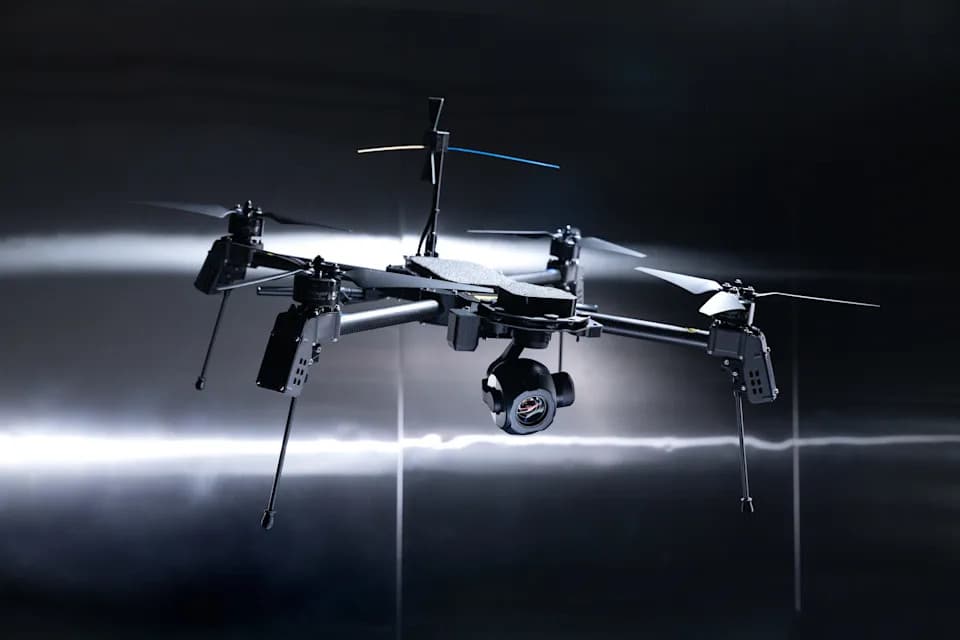
Separately, Ukraine's Third Army Corps has publicised an operation in which heavy "bomber" drones delivered suicide ground robots more than six miles into Russian-held rear areas. Ukrainian outlets noted earlier instances of airborne delivery of ground robots, but commanders said this was the first time kamikaze ground systems were delivered by air at that distance.
"One robot gets more opportunities to perform missions in different terrains," the defence ministry said in a translated statement, emphasising the greater flexibility an amphibious platform provides for resupply and support missions.
Operational Context
Brigadier General Andrii Biletskyi of the Third Army Corps has been publicising progress in Operation Vivaldi in the Lyman direction, saying his forces liberated 51 square kilometres in the operation's third phase and 176 square kilometres across three announced phases combined.
Retired Australian Army Major General Mick Ryan wrote that the renewed emphasis on manoeuvre warfare and the integration of UGVs with traditional formations represent a large, real-time experiment for developing new tactics to break out of static, positional operations.
At the same time, the Russian military has increased use of jet-powered Geran drones. Kyiv is responding by developing and fielding faster interceptors to address gaps in air defence.
Newsweek has contacted the Ukrainian defence ministry for comment.
Help us improve.