On 26 August a glacial mountain collapse on the China–Nepal border caused a tsunami-like flood that killed over 1,400 people and left thousands missing. China tightly controlled coverage, removing eyewitness footage and penalising some who questioned official figures, while Nepal pressured platforms to take down fabricated visuals but continued regular public updates. AFP fact-checkers debunked dozens of false claims, including misattributed Alaska footage and AI-generated videos. Rights groups say China's restrictions increased mistrust, whereas Nepal largely handled misinformation within a more open information space.
China and Nepal Clash Over Flood Misinformation After Devastating Himalayan Glacial Collapse
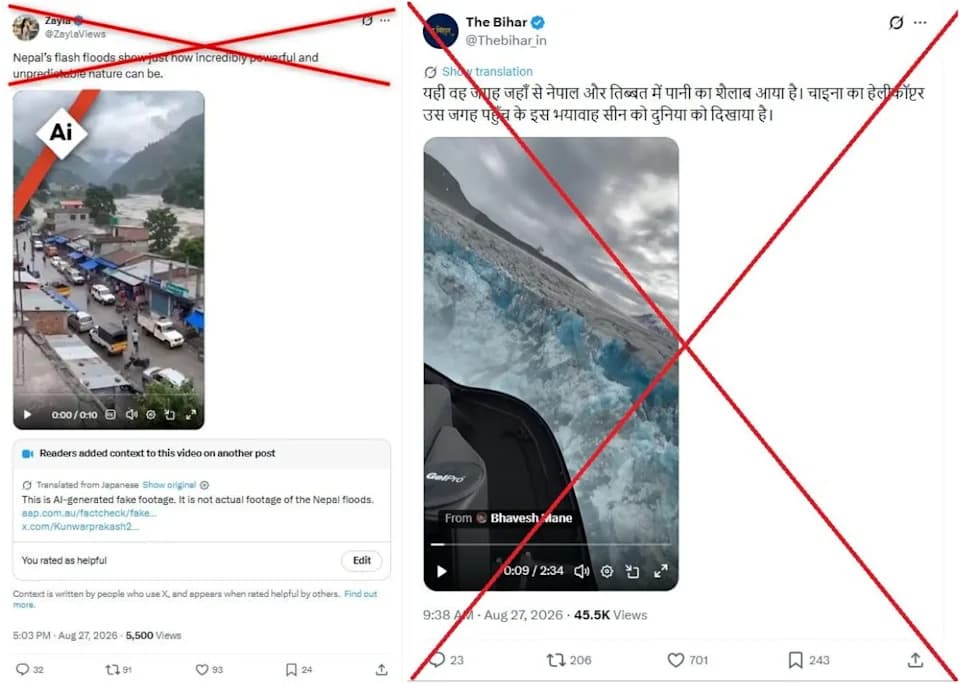
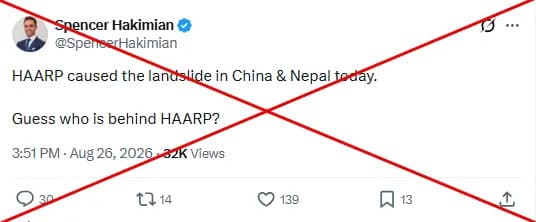
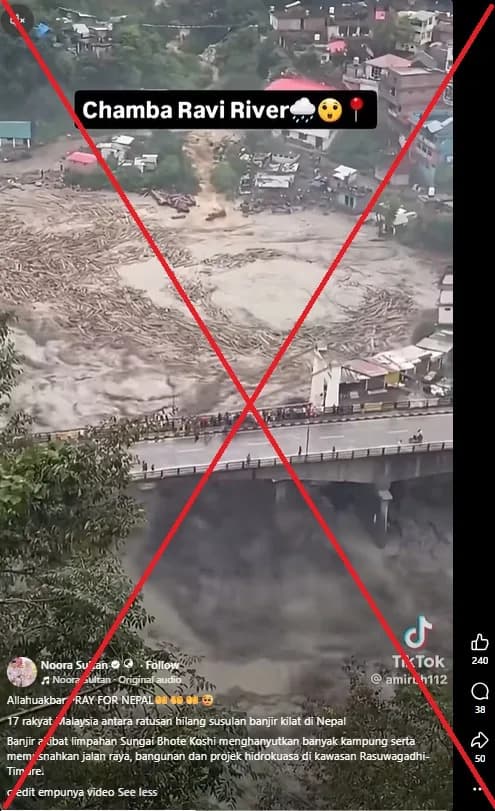
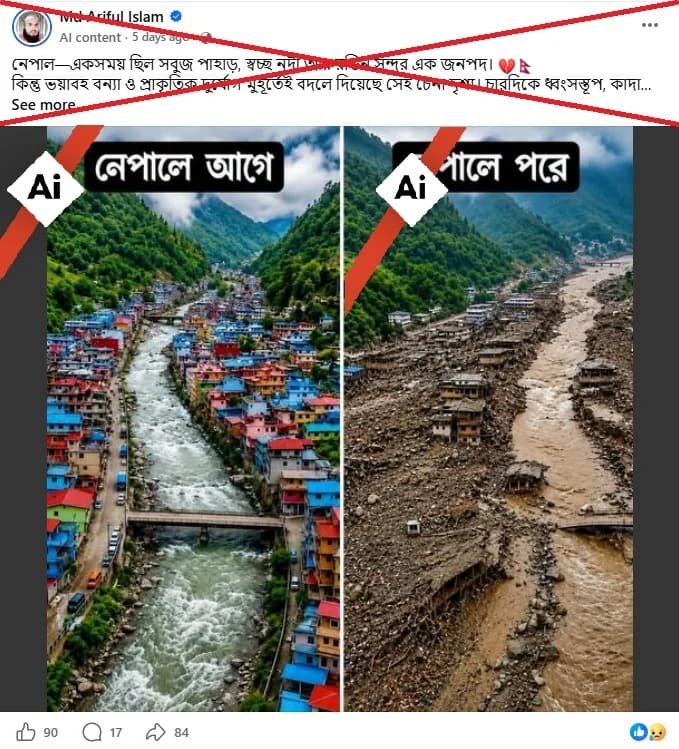
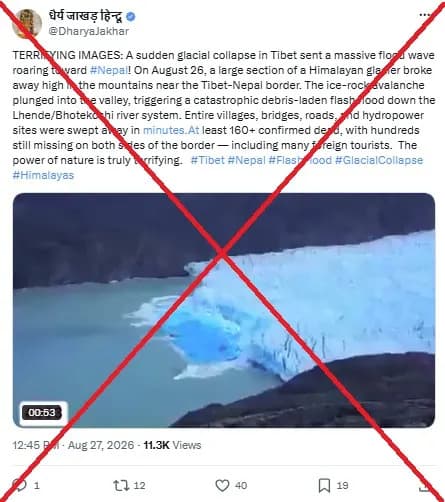
Screenshots of the false posts on X, with red crosses and an AI symbol added by AFP
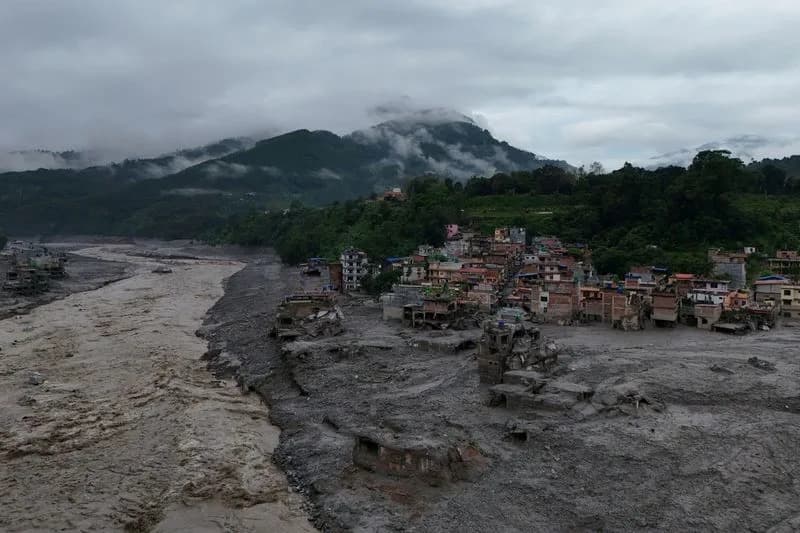
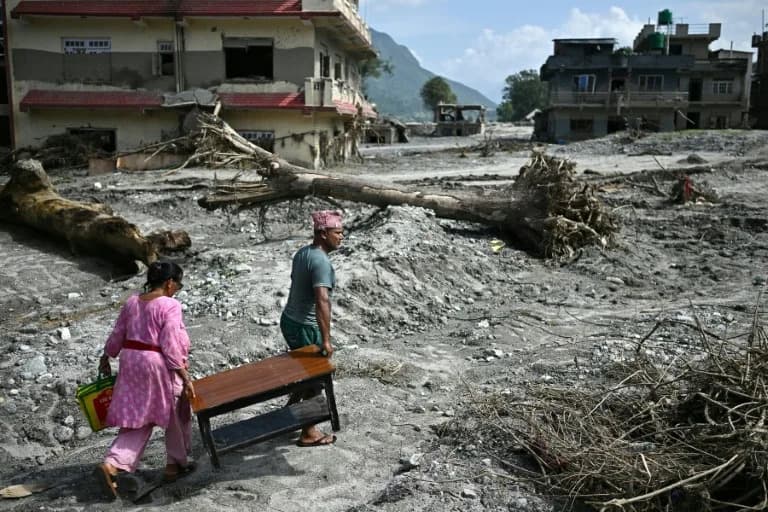
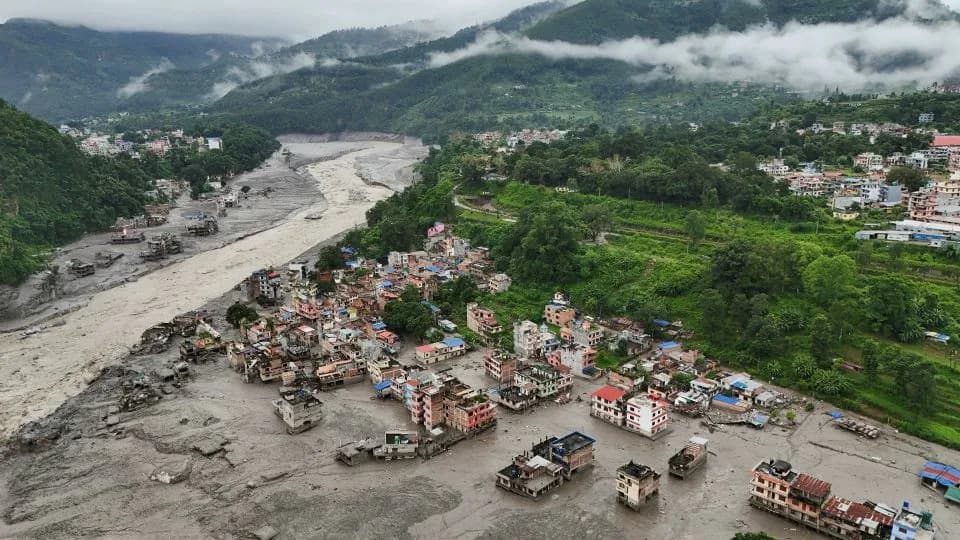
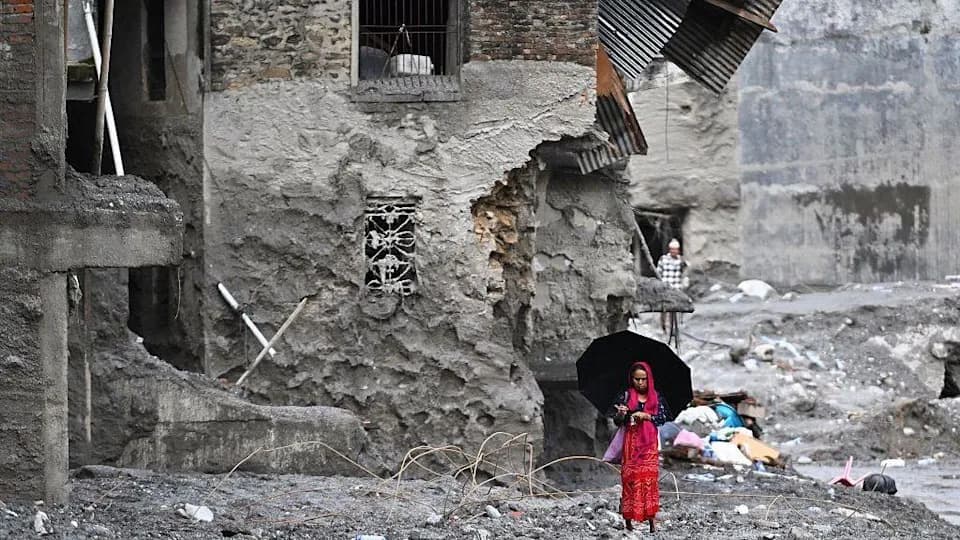
On 26 August a glacial mountain collapse on the China–Nepal border sent a tsunami-like surge of water, mud and debris that left more than 1,400 people dead and thousands missing. The disaster devastated communities on both sides of the border and triggered an intense online information battle as authorities and platforms sought to curb false or misleading material.
Different Government Responses
China has taken a tightly controlled approach: state media emphasized official search-and-recovery operations in Tibet, many eyewitness videos and independently recorded clips have largely vanished from Chinese platforms, and authorities say they penalised people for spreading falsehoods online. Beijing's foreign ministry defended its handling of information as "open, transparent and timely," and organised a limited trip for a small number of foreign journalists to the Tibetan epicentre.
Nepal combined active platform engagement with relative openness. Kathmandu pressured social media firms and news outlets to remove fabricated visuals and fraudulent appeals, while continuing to publish regular death-toll updates and allowing direct commentary from victims' families. The independent Press Council Nepal says it asked more than 100 accounts to remove content and most complied; Nepali police also arrested at least one person over a fake donation post.
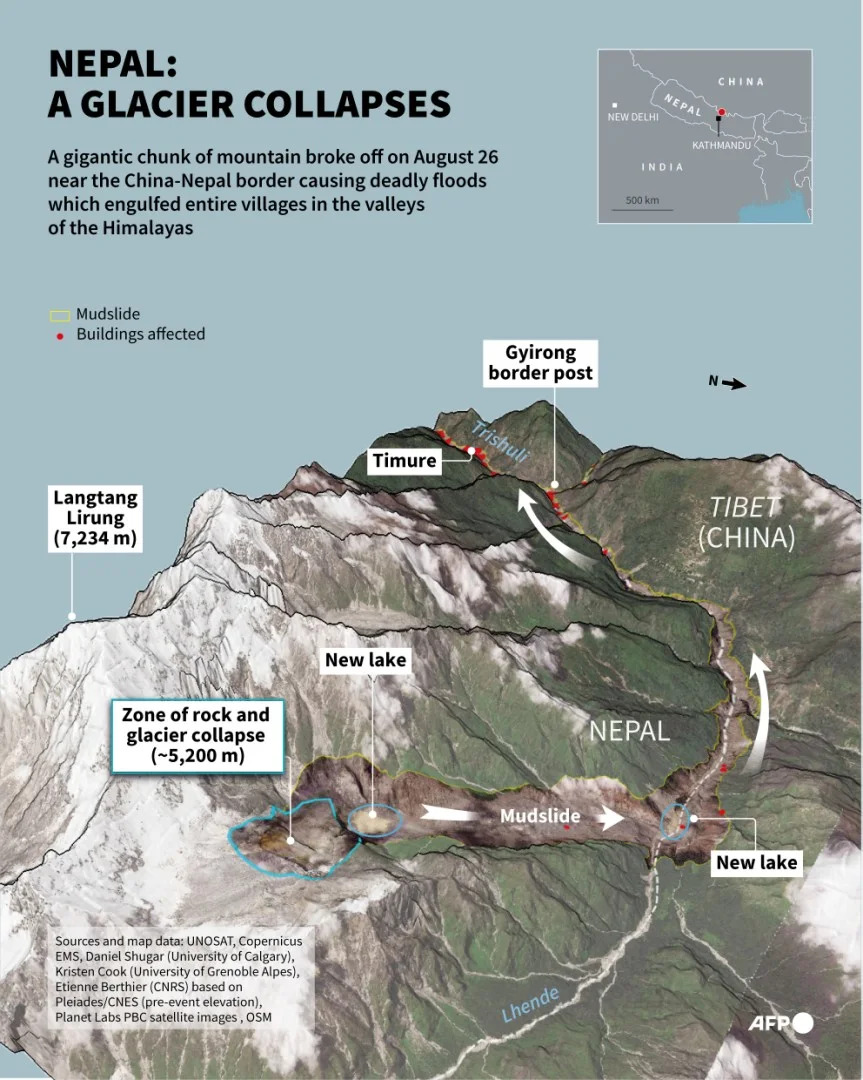
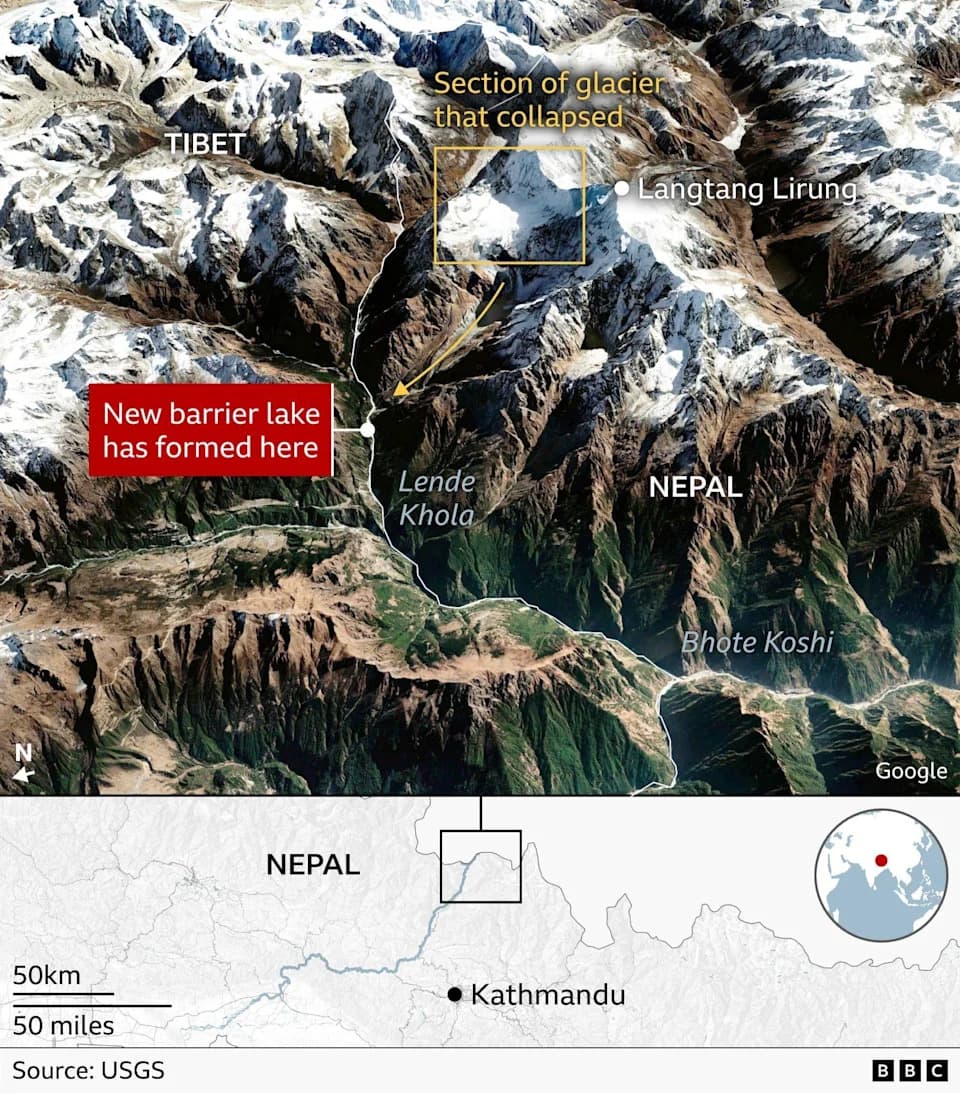
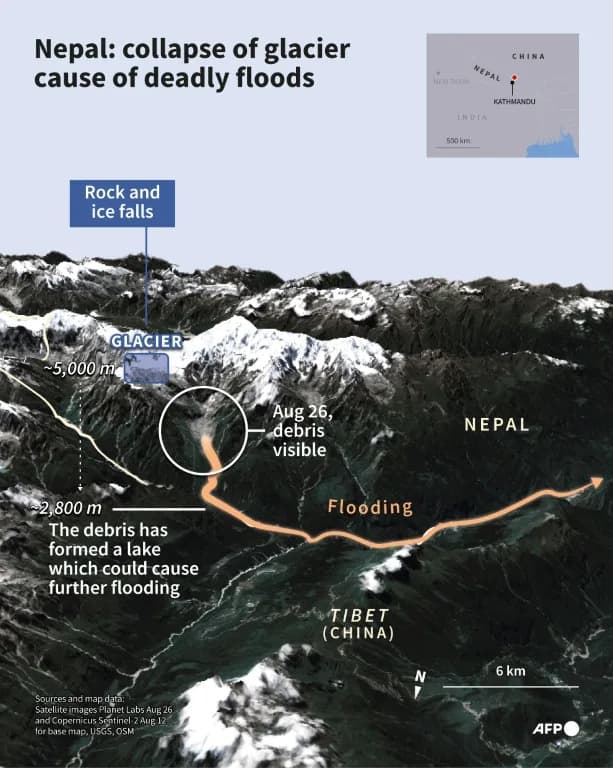
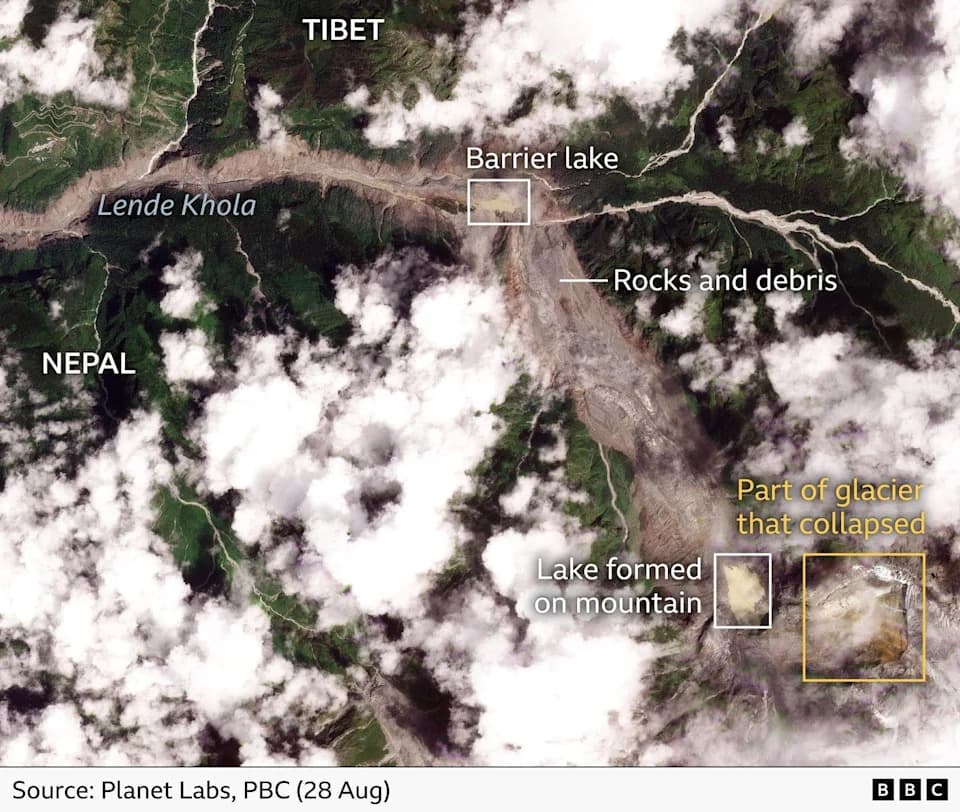
Infographic with 3D representation of satellite images showing Langtang Lirung mountain peak in Nepal, where a glacial and mountain collapse caused deadly floods in Tibet (China) and Nepal on August 26, according to scientistsSophie RAMISLuca MATTEUCCIAFP
Misinformation: What Was Removed — And What Was Real
AFP fact-checkers debunked dozens of viral claims in multiple languages. False posts included an earlier Alaska Glacier video misrepresented as footage of the collapse and several AI-generated clips showing floods that never occurred. Platforms including Meta and TikTok have held talks with Nepali authorities to speed removal of AI-manipulated content, graphic images and fraudulent aid schemes; both companies fund AFP's fact-checking work.
"Things can spread very quickly," said Umesh Shrestha, chair of Press Council Nepal, underscoring the challenge authorities face during disasters.
Numbers And Geography
Official tallies reflect a stark difference: Nepal’s disaster agency reported rescuers had recovered 1,369 bodies and about 5,132 people remained missing, while Chinese state media reported 43 dead and 519 missing. Experts say the disparity partly reflects the disaster's geography: the collapse originated in downstream Nepal and the debris flow destroyed China’s high-altitude border post in Tibet and swept downriver across Nepal. Bodies on the Chinese side may have been buried under thick layers of mud and rubble, complicating recovery.
Implications For Trust And Reporting
Reporters Without Borders and other rights groups warn that Beijing’s restrictions have fostered an "atmosphere of mistrust," while RSF says Nepal has largely treated misinformation within a relatively open information environment. The episode highlights the tension between rapid removal of harmful fabrications and the need for transparency and eyewitness reporting during major disasters.
The flood and the subsequent information policing underline how quickly false or manipulated material can spread in crisis moments — and how different political systems manage the balance between preventing harm and preserving public trust.
Help us improve.