The article explores why repeated attempts to establish humanitarian truces in Sudan have failed despite intense international pressure. It traces the conflict to April 2023, notes the spread to 13 of 18 states and the displacement of roughly 14 million people, and reviews failed initiatives such as the Jeddah Declaration and regional pauses. Analysts argue the political ambitions of SAF leader Abdel Fattah al‑Burhan and RSF commander Mohamed Hamdan Dagalo (Hemedti) are a core reason truces collapse, while experts warn that punitive diplomacy alone has not produced peace.
Why Sudan's Ceasefires Keep Collapsing — Who's Blocking Aid and Peace?
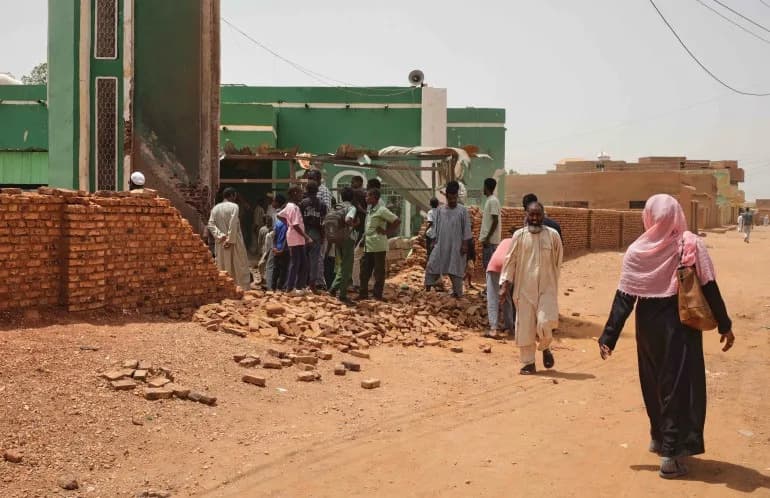
People clear debris from a mosque that residents said was damaged in a drone attack in Khartoum, Sudan, Wednesday, August 12, 2026 [Marwan Ali/AP]
Efforts to secure temporary truces in Sudan continue to stall as fighting persists and the humanitarian emergency deepens. Repeated attempts — from the May 2023 Jeddah Declaration to regional pauses and the US‑led ALPS initiative — have failed to stop violence long enough to deliver sustained, life‑saving relief.
Background
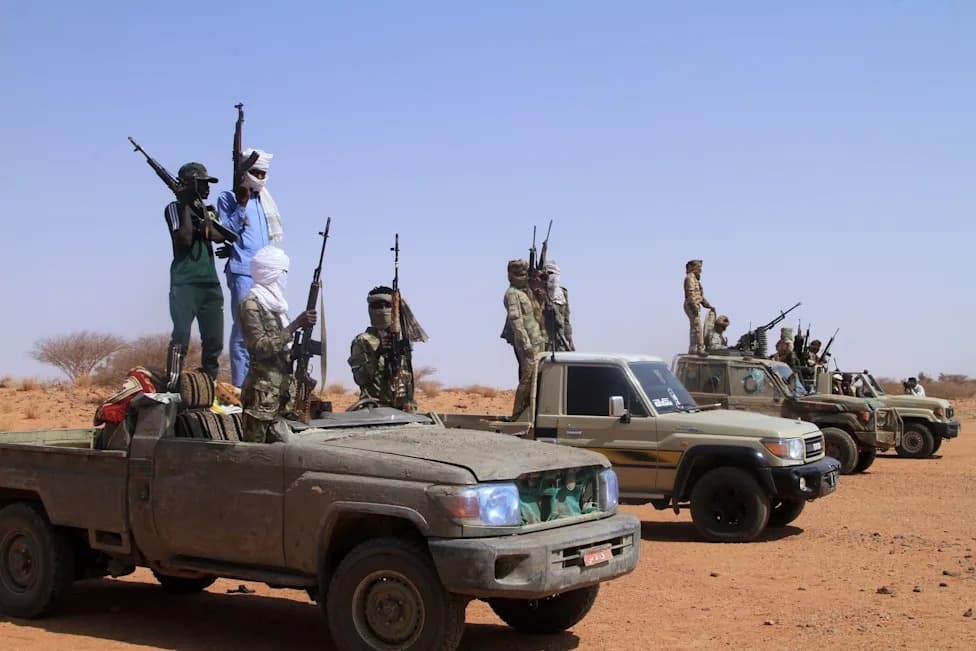
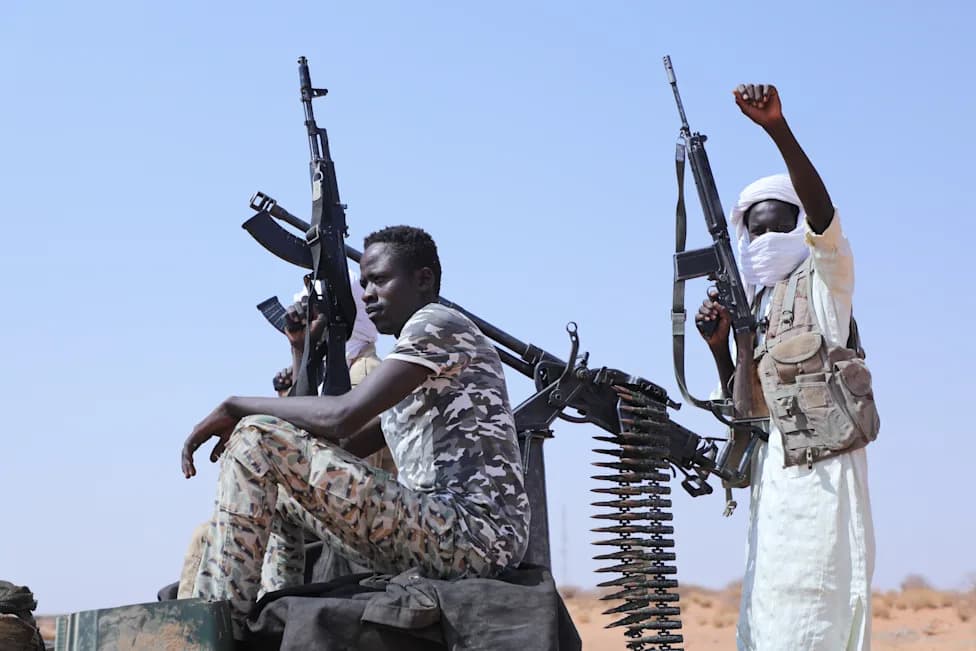
The civil war that began in April 2023 after escalating tensions between the Sudanese Armed Forces (SAF) and the Rapid Support Forces (RSF) has spread to 13 of Sudan's 18 states. The conflict has forcibly displaced roughly 14 million people, produced one of the world’s most acute humanitarian crises, and left tens of thousands dead.
Why Truces Keep Failing
Several short‑term and local ceasefires have been brokered by international and regional actors but repeatedly collapsed. The Jeddah Declaration (May 2023), mediated by the United States and Saudi Arabia, briefly opened corridors for aid but was undermined by repeated violations. Regional efforts through the Intergovernmental Authority on Development (IGAD) and the African Union (AU) likewise unravelled when localized pauses broke down — sometimes hours after they began.
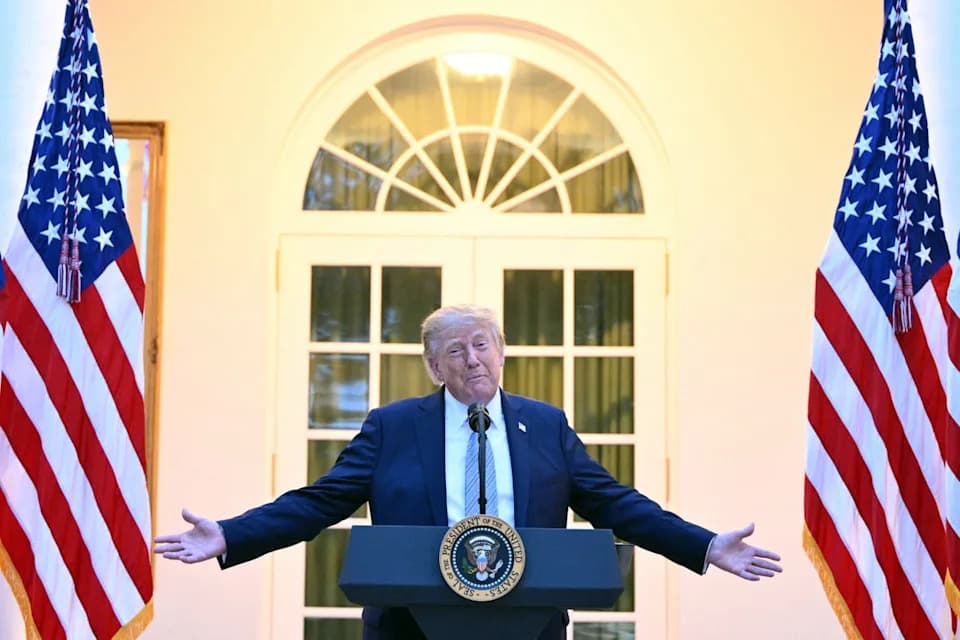
The United States has significantly increased diplomatic engagement, leading the Aligned for Advancing Lifesaving and Peace in Sudan (ALPS) initiative alongside Switzerland, Saudi Arabia, Egypt, the UAE, the UN and the AU. Washington has also pledged $375 million for humanitarian operations and renewed calls for a 90‑day nationwide humanitarian truce and unfettered access for emergency relief.
Political Drivers
Analysts and Sudanese observers point to the political ambitions of the conflict’s leaders as a central reason truces collapse. SAF chief Lieutenant General Abdel Fattah al‑Burhan and RSF commander Mohamed Hamdan Dagalo (Hemedti) both have incentives to press battlefield advantages or negotiate from positions of strength rather than accept compromises that would limit their power.
“All these efforts that serve the interest of the Sudanese people primarily were rejected by the army,” said Fathi Abu Ammar, editor‑in‑chief of Al‑Wasat, arguing that the military leadership has deliberately stalled talks to maintain control.
Proponents of the SAF say recent military gains reduce the incentive to compromise. RSF backers and some analysts, however, argue that the militia’s diplomatic position has weakened, shifting the conflict’s dynamics even as frontline fighting continues.
Diplomacy: Pressure Versus Incentives
Experts say much of international policy has focused on punitive measures — sanctions, diplomatic isolation and public condemnations — while offering few credible incentives for peace. Cameron Hudson, a former adviser to the US envoy to Sudan, contends that relying solely on pressure has not worked and that Washington should consider incentives or negotiated mechanisms that draw combatants into meaningful talks.
Outlook
Fighting continues across multiple fronts, with both sides claiming gains. The recurrent collapse of truces leaves millions cut off from life‑saving aid and raises the prospect of a protracted humanitarian catastrophe unless diplomats can secure durable, verifiable pauses and credible political pathways that address the leaders’ incentives to fight.
Photo: People clear debris from a mosque residents said was damaged in a drone attack in Khartoum, Sudan, Wednesday, August 12, 2026. [Marwan Ali/AP]
Help us improve.