The FDA says Sierra Nevada Cheese Company has recalled four Graziers raw‑milk cheeses—medium cheddar, sharp cheddar, jalapeño jack and Monterey jack—after they were linked to a multi‑state E. coli outbreak. Investigators have identified 13 confirmed cases and at least eight hospitalizations so far. The agency urges consumers not to eat or sell the cheeses, to return them for a refund, and to clean any surfaces that may have been exposed while investigators continue to determine the outbreak source.
Sierra Nevada Recalls Four Graziers Raw‑Milk Cheeses Linked to Multi‑State E. coli Outbreak
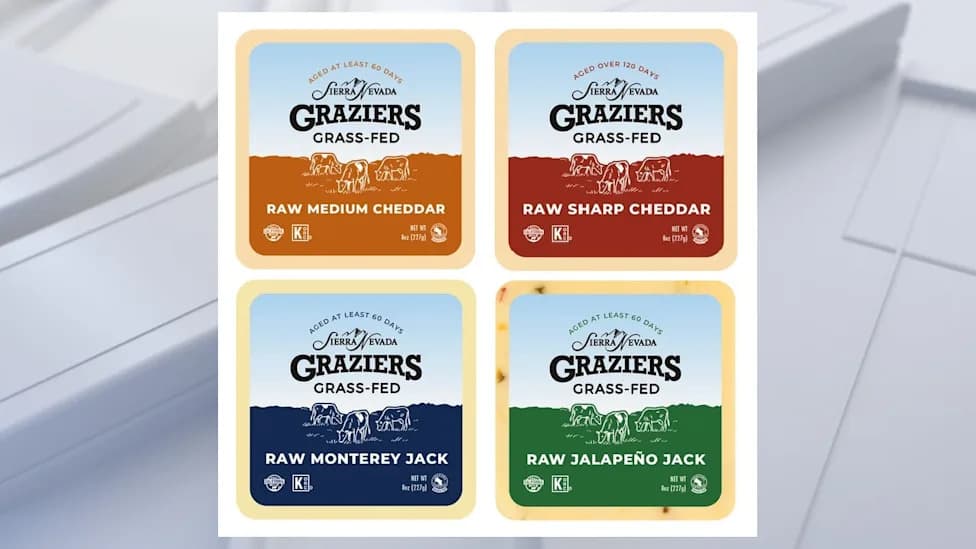
Four varieties of Sierra Nevada Graziers grass-fed raw milk cheeses, medium cheddar, sharp cheddar, jalapeño jack, and Monterey jack, have been recalled after being linked to an E. coli outbreak. (Source: FDA)
Sierra Nevada Cheese Company has recalled four varieties of its Graziers grass‑fed raw‑milk cheeses after federal investigators linked the products to a multi‑state E. coli outbreak, the Food and Drug Administration (FDA) said.
What was recalled
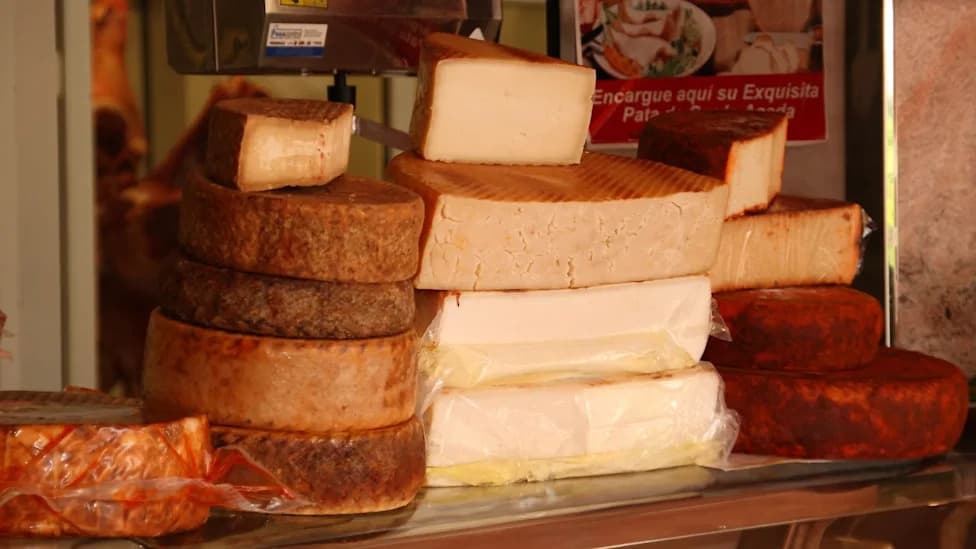
The recall includes Graziers Medium Cheddar, Sharp Cheddar, Jalapeño Jack and Monterey Jack. Products were sold in 8‑oz and 16‑oz consumer packages and in 5‑lb loaves distributed to food‑service customers and wholesalers. The cheeses were available online and in retail stores nationwide.
Outbreak details
As of the FDA update, investigators have identified 13 confirmed cases across multiple states, and at least eight people have required hospitalization. State and local health authorities continue to interview patients to determine exposures and track the outbreak.
FDA guidance for consumers and businesses
- Do not eat, serve, or sell any recalled Graziers raw‑milk cheeses.
- Return purchased products to the place of purchase for a full refund.
- Because these cheeses have a long shelf life, check refrigerators and freezers to ensure you do not still have the product.
- Thoroughly clean and sanitize any surfaces, utensils, containers or refrigerators that may have come into contact with the cheese to avoid cross‑contamination; follow FDA safe‑handling guidance.
Symptoms to watch for
Symptoms of E. coli infection typically appear several days after exposure and can include severe stomach cramps, diarrhea (which may be bloody), fever, nausea and vomiting. Some strains can cause serious, life‑threatening complications such as kidney failure, dangerously high blood pressure and neurological problems—especially in young children, older adults and people with weakened immune systems.
Ongoing investigation
The FDA said investigators are continuing to confirm the outbreak source and determine whether additional products are affected. Consumers with questions should consult the FDA announcement or contact their local health department.
Where this report came from
This article is based on information provided by the Food and Drug Administration. The story was reported from Orlando.
Help us improve.