Dirty Truth Report: The Sierra Club gave 76 major U.S. utilities an aggregate score of 7/100 (F), finding that 41% have pulled back on climate commitments since 2024. Only 25% of coal capacity is now projected to retire by 2030, and planned gas additions could equal roughly 25% of U.S. electricity demand, much tied to AI data‑center growth. The group urges faster coal retirements, a halt to new gas builds, and accelerated deployment of solar, wind, and storage.
U.S. Utilities Flunk Clean‑Energy Test: Coal Retirements Slow, Gas Plans Surge, Climate Targets Slip

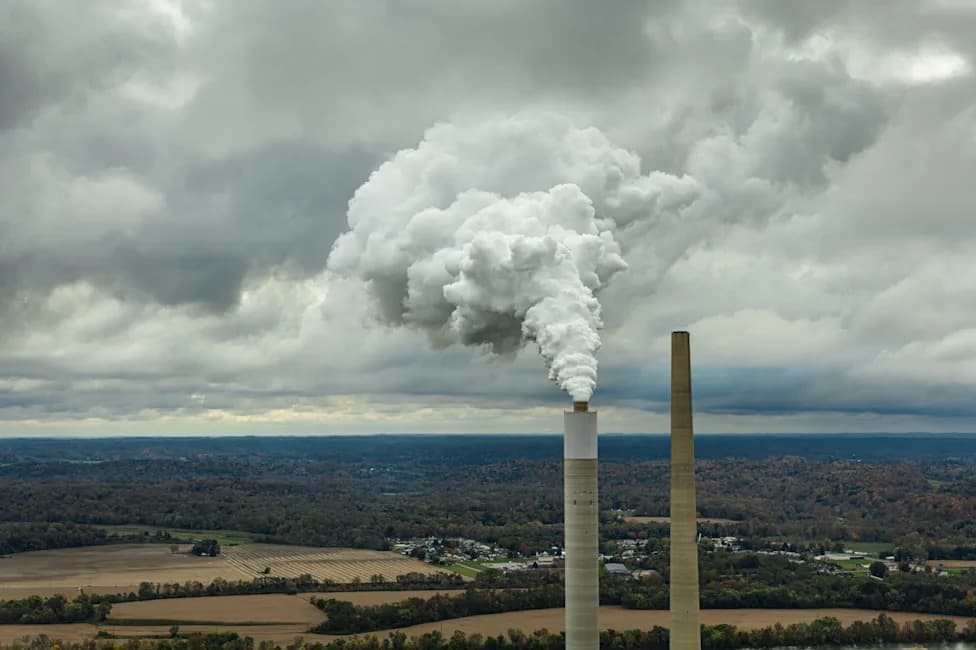
Photo Credit: iStock
A new Sierra Club analysis finds that many of the nation’s largest electric utilities are moving backward on clean energy, keeping coal and gas in their power mixes and rolling back previously announced climate commitments.
The group’s Dirty Truth Report evaluated 76 operating companies owned by 50 parent firms (the companies that own the most fossil generation) and gave the group an aggregate score of 7 out of 100 — an F. The report, based on utility plans as of mid‑2026, says 41% of the utilities have retreated from climate goals in the past two years.
Key Findings
Coal retirements are slowing. Utilities now project only 25% of coal-fired capacity will be retired by 2030 — down from 29% projected in 2025, 30% in 2024, and 35% in 2023. The report warns that pace is insufficient to prevent the worst health and economic harms from air pollution and climate change.
Planned gas additions are large. Utilities are planning enough new gas-fired generation to equal roughly one-quarter of typical U.S. electricity demand, with a significant portion of that growth tied to anticipated AI data-center demand.
Delays have costs. The Sierra Club argues that conservative planning and postponed action deprived utilities of opportunities to use clean-energy tax credits and other incentives that would have lowered the cost of replacing old coal plants with cheaper, cleaner resources.
"We studied the 50 parent companies that own the most fossil fuel generation, comprised of 76 operating companies, which collectively own half of all remaining coal and gas generation in the U.S. … The utilities studied scored 7/100, earning an F, worsening their overall score by 11 points since 2021," the Sierra Club summarized.
What This Means For Customers And Communities
- Higher power bills: extended coal plant operations and new gas capacity lock in fuel and maintenance costs that will be passed to customers.
- Worse air quality and health impacts: slower coal retirements prolong emissions of toxic pollutants.
- Slower clean infrastructure deployment: because these utilities control more than half of the nation’s remaining coal and gas fleet, their investment decisions shape national emissions and the pace of renewable buildout.
Where Policy And Action Can Help
The Sierra Club recommends three core fixes reflected in its grading: accelerate coal retirements, stop building new gas capacity, and replace fossil generation with more solar, wind, and battery storage. Community members can also engage by weighing in at public utility commission proceedings, supporting state and local renewable policies, and demanding that corporate climate promises align with actual investment plans.
Recent Examples Highlighted
- A major Utah utility chose to keep coal plants operating despite alternatives.
- A Department of Energy order signaled a policy shift that may favor fossil infrastructure, potentially slowing cleaner power growth.
- Several large energy firms have stepped back from climate commitments as federal support for fossil expansion reemerges.
Taken together, the report paints a sobering picture: rather than speeding a transition to cheaper, cleaner energy, many influential utilities are preserving fossil assets and commitments that risk higher costs, more pollution, and a slower response to climate threats.
Help us improve.