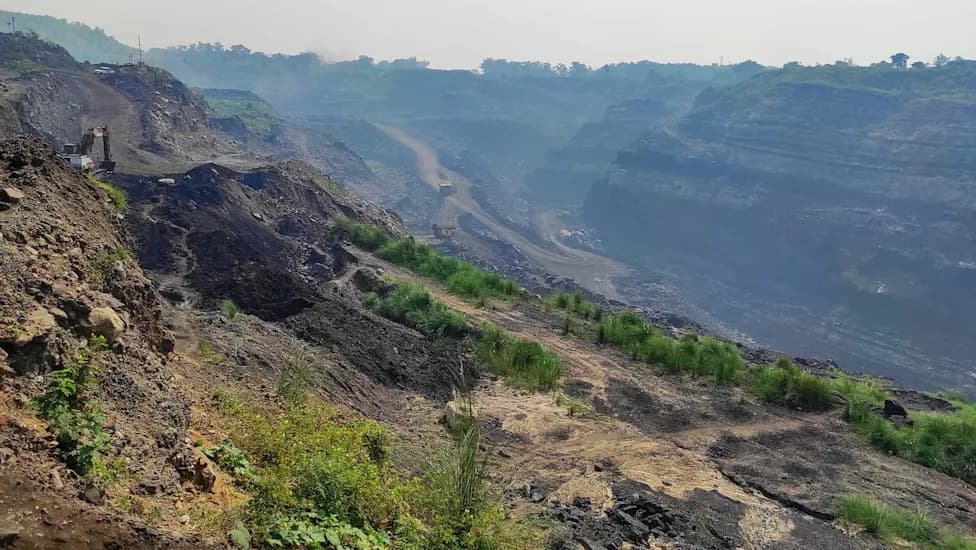
Coal Still Dominates Global Power: Coal remains the world’s largest single source of electricity because it is inexpensive, widely available and supported by established supply chains. Health and Climate Costs: Coal emits nearly twice the CO2 per BTU as natural gas and its particulates are tied to tens of thousands of U.S. deaths annually. Transition Is Underway but Slow: Renewables are growing and getting cheaper, yet coal’s roughly 33% global share and new long-lived plants—particularly in Asia—mean coal will stay significant for years.
Why Coal Still Powers Much of the World — And Why That’s Hard to Change
digital777nomad/Shutterstock
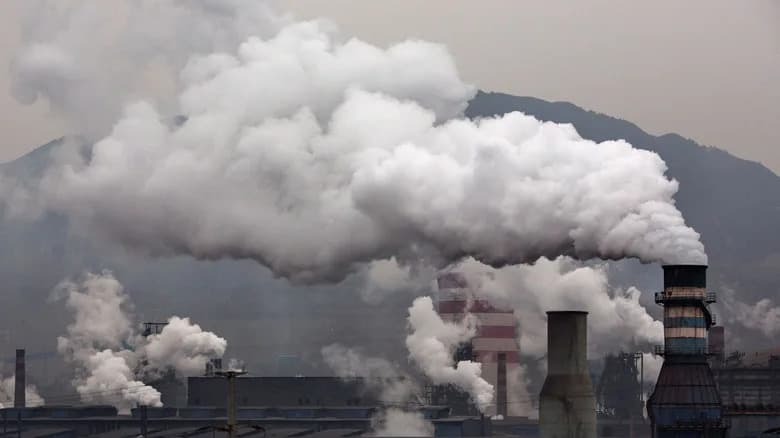
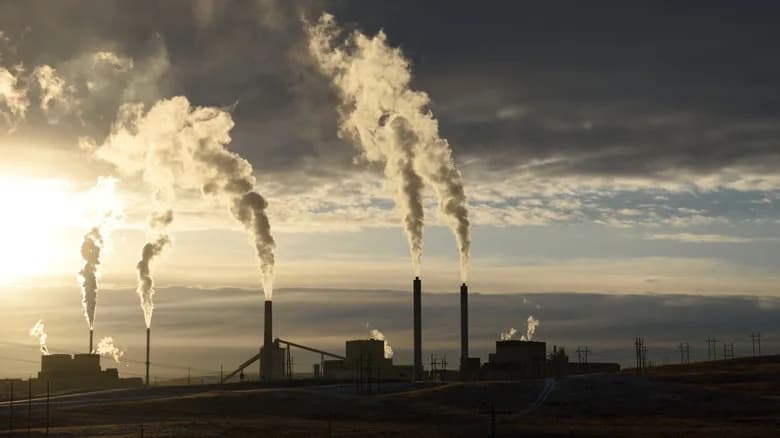
Coal remains the single largest source of electricity generation worldwide, despite its well-documented harms to climate and public health. Per unit of energy, coal emits nearly twice the CO2 of natural gas, and fine particulates from coal combustion have been linked to tens of thousands of premature deaths in the United States each year.
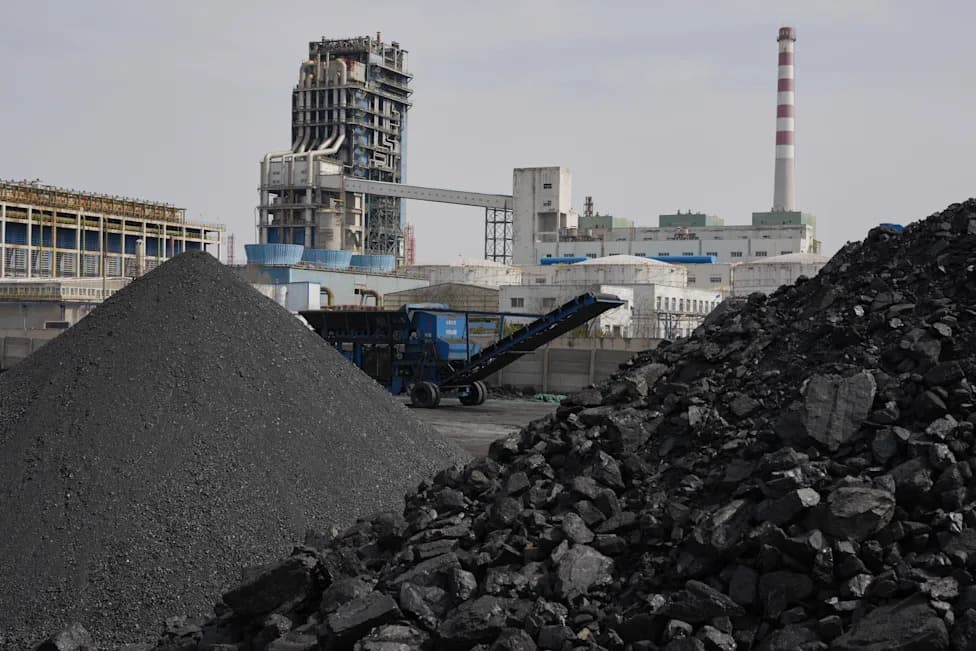
The primary reasons coal persists are economic and logistical. When environmental and health costs are not fully priced in, coal is often the cheapest option. A long-established supply chain—mines, railways, ports and power plants—moves coal efficiently, and coal deposits are widely distributed, making the fuel accessible and relatively simple to transport.
Different Trends Around the World
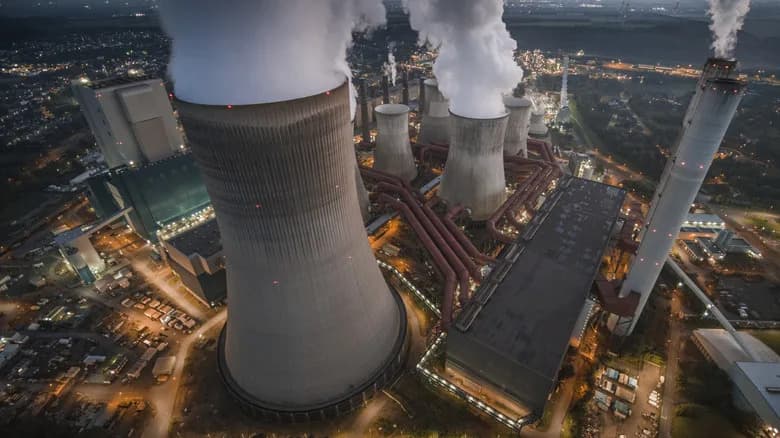
In the United States, coal’s share of electricity fell from roughly 50% to under 30% as cheap shale gas and rising renewables displaced a portion of coal-fired generation. Globally, however, coal use remains strong: China consumes approximately half of the world’s annual coal output, and new coal-fired plants continue to be built in parts of Asia, including the Philippines and Indonesia. Because these plants are typically designed for around a 40-year service life, newly built capacity tends to lock in emissions for decades.

Mf-guddyx/Getty Images
Reserves and the Energy Mix
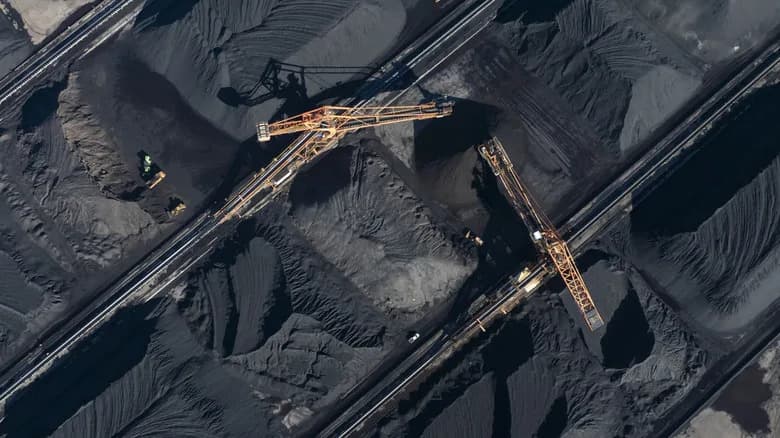
According to the U.S. Energy Information Administration, proved recoverable coal reserves totaled about 1.16 trillion short tons as of December 31, 2021, with roughly 22% of that amount in the United States. At projected U.S. 2026 consumption rates, those reserves would theoretically last about 418 years. Major reserve holders include Russia, Australia, China and India.
The Renewable Transition
Renewable energy is the long-term direction for power generation: costs for wind and solar have fallen dramatically, and improved battery storage is easing variability concerns. Still, the global transition is gradual. Fossil fuels (coal, oil and gas) still account for about 57% of global electricity production, while renewables—including wind, solar, nuclear and hydro—make up roughly 43%. Coal alone represents around 33% of worldwide electricity generation, meaning it will remain a major source for years in many regions.
Bottom line: Coal’s low market price, extensive infrastructure and large reserves make it difficult to retire quickly—especially in places where cleaner alternatives are not yet economical or fully deployed. Policy choices, investment in renewables and clean-energy infrastructure, and the pricing of environmental and health impacts will determine how fast coal declines.
Help us improve.