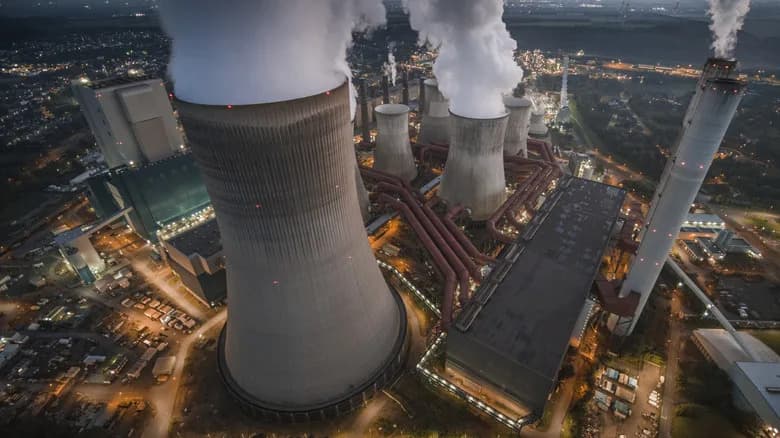
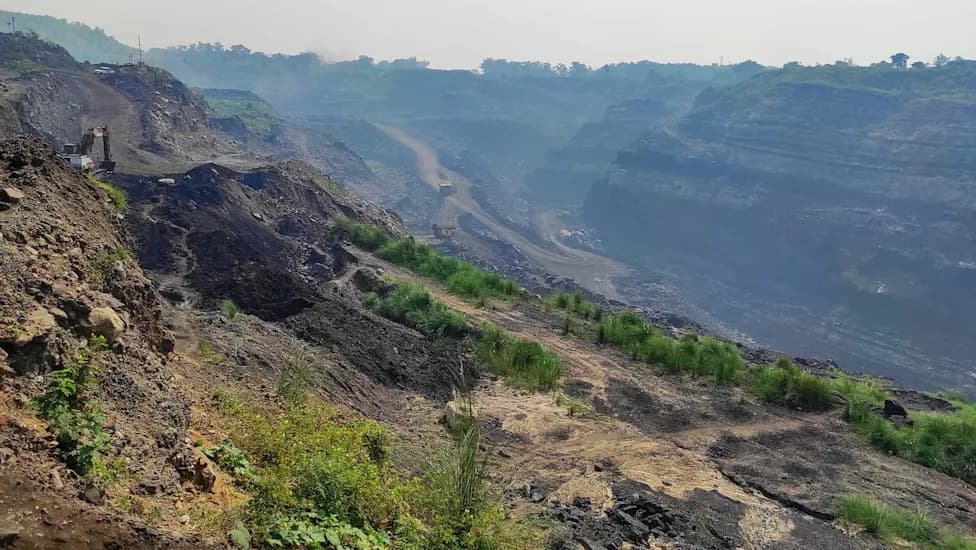
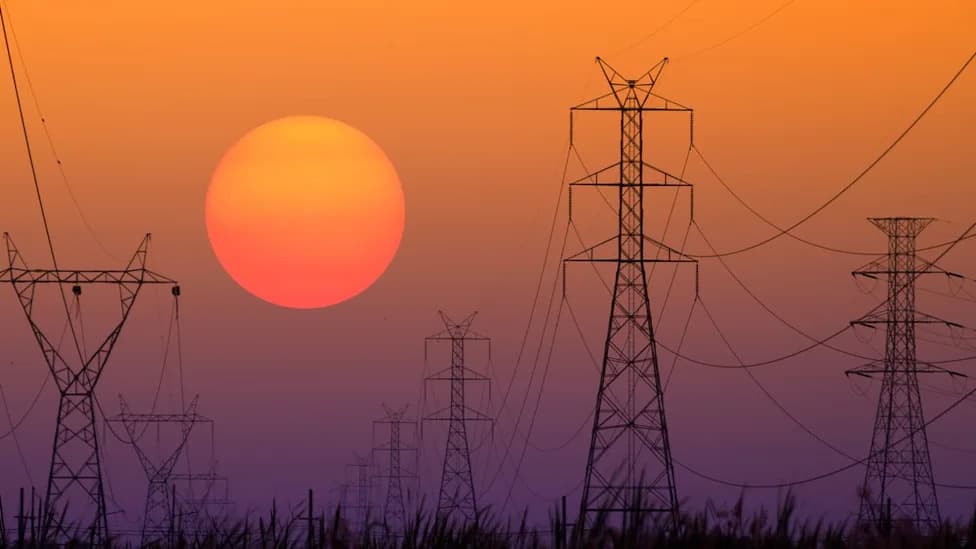
China accounted for over 56% of global coal consumption in 2024, burning nearly 5.5 billion short tons. Despite producing more than one-third of its energy from renewables in 2024, China emitted about 11 billion metric tons of CO2 and commissioned 50+ large coal units in 2025 to shore up energy security. Coal plants ran at roughly 50% average utilization in 2024, suggesting much capacity is used as backup for intermittent renewables. China’s 15th Five-Year Plan (2026–2030) targets 16–20% growth in energy capacity with a focus on renewables, but expanding coal remains a risk to meeting Paris Agreement goals.
China Burned More Than Half Of The World's Coal In 2024 — What That Means For Climate Goals
Kevin Frayer/Getty Images
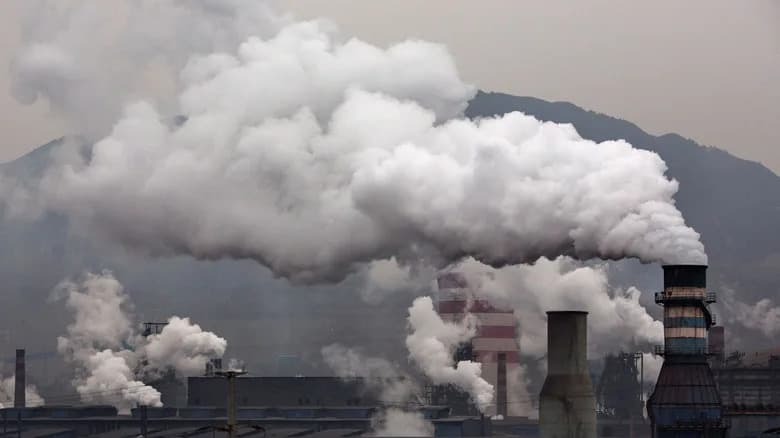
China consumed more coal in 2024 than the rest of the world combined. Coal helped fuel the industrial revolution and powered economies for centuries, but it is also a leading source of greenhouse-gas emissions. The scale of China's coal use has outsized consequences for global climate efforts.
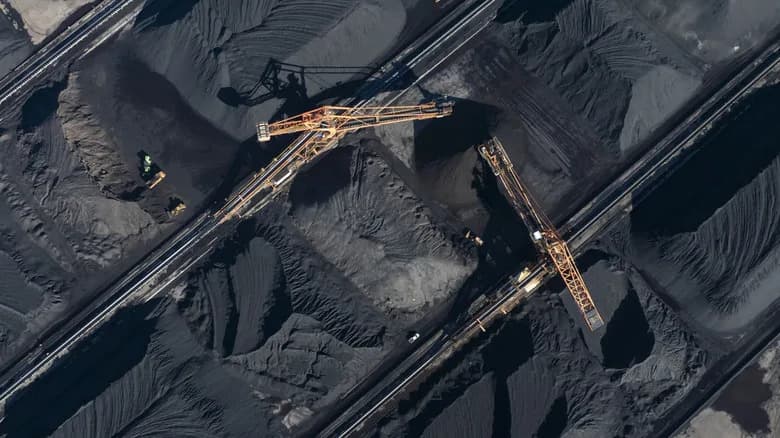
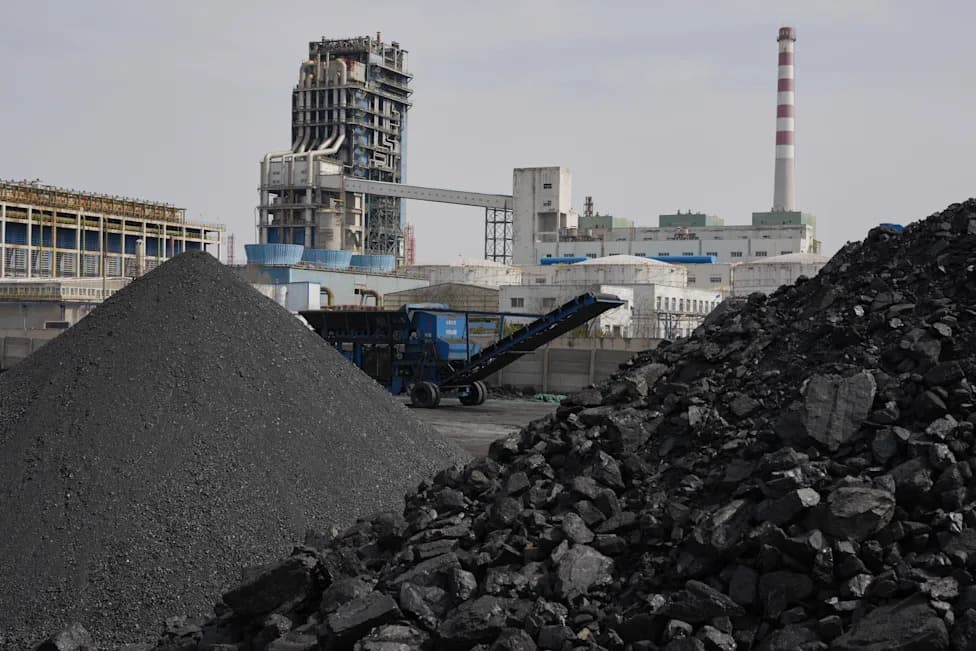
How big is China’s coal consumption? In 2024 China accounted for over 56% of global coal consumption, burning nearly 5.5 billion short tons. India was the second-largest consumer at about 1.25 billion short tons (roughly 14% of the world total), while the United States consumed about 372 million short tons (around 4%). Including Russia and Indonesia, just five countries were responsible for more than 80% of global coal use.

MarinaSheina/Shutterstock
Why is China still building coal plants? After halting nearly 100 proposed coal projects around 2017, China reversed course and in 2025 commissioned more than 50 large coal units, each about 1 gigawatt or larger—individual units capable of powering up to roughly 2 million homes. The reversal was driven by power shortfalls in 2020 and 2022 that exposed weaknesses in grid management and plant availability, prompting policymakers to prioritize energy security alongside the rollout of renewables.
Does more capacity mean more emissions? Not necessarily. Research cited by Carbon Brief found China’s coal fleet operated at an average utilization rate near 50% in 2024, indicating much of this capacity functions as backup for intermittent renewable sources rather than running continuously. Still, adding capacity can entrench coal in the system and slow the pace of decarbonization if coal plants remain economically favored over time.
ABCDstock/Shutterstock
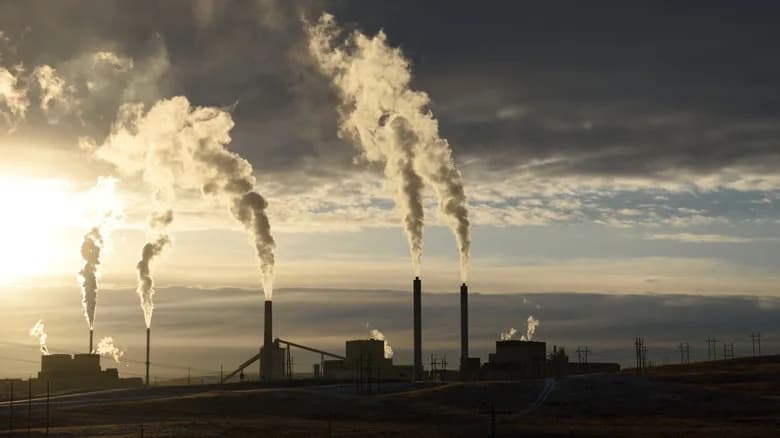
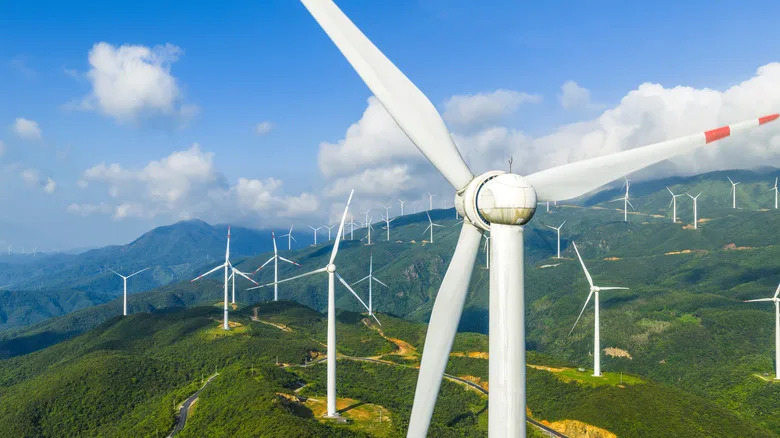
Where do renewables and emissions stand? China is investing heavily in clean energy: in 2024 more than one-third of its energy supply (>33%) came from renewable sources. Despite that, China emitted roughly 11 billion metric tons of carbon dioxide in 2024—about 2.5 times U.S. emissions that year. China also manufactures and exports renewable-energy technologies to other countries, helping global decarbonization efforts even as domestic coal use remains high.
What about policy commitments? In early 2026 China released details of its 15th Five-Year Plan (covering 2026–2030), which targets a 16–20% increase in energy-production capacity with a strong emphasis on renewables. However, continued investment in coal capacity poses a risk to meeting short-term emissions reductions and could undermine global progress toward the Paris Agreement target of limiting warming to 1.5°C.
Bottom line
China’s energy choices have global consequences. Expanding renewable capacity and integrating it effectively into the grid could reduce reliance on coal over time, but recent additions of large coal units underscore the tension between immediate energy security and long-term climate commitments.
Help us improve.