Two decades after its launch, RGGI helped halve power‑sector emissions in the Northeast and generated over $10 billion for state energy programs, but the initiative now faces renewed scrutiny. Allowance prices have climbed from $3.07 in 2008 to $37.65 recently, and emissions have begun to tick upward as easy coal‑to‑gas gains were exhausted. Critics warn of higher bills and power imports from non‑RGGI states, while supporters point to large projected emissions avoidance and consumer savings from auction investments. Policymakers must decide whether to reform, replace or reinforce RGGI with stronger complementary policies.
RGGI At a Crossroads: Is the Northeast Ready to Rethink Its Cap‑and‑Trade Program?
Is it time to rethink the Northeast's cap-and-trade system?
Two decades after its launch, the Regional Greenhouse Gas Initiative (RGGI) is at a turning point. The multistate cap‑and‑trade program helped cut power‑sector emissions in the Northeast roughly in half and generated more than $10 billion for state energy programs, but rising allowance prices, stalled renewable deployment and recent upticks in emissions have renewed debate about the program’s future.
What RGGI Was Designed To Do
RGGI requires large electricity generators in participating states to purchase an allowance for every short ton of CO2 they emit. The overall emissions cap declines annually, and allowances are initially allocated through quarterly auctions. States retain the auction proceeds to invest in energy efficiency, clean energy, climate adaptation and bill assistance.
Early Successes
When RGGI held its first auction in 2008, the clearing price was $3.07 per ton. Emissions in the nine consistently participating states fell from a peak of about 117.5 million short tons in 2010 to 61.9 million short tons in 2020. Much of that decline resulted from the widespread retirement of coal plants across the region: in 2007 coal supplied roughly 15% of generation in seven Northeastern states, and today no coal plants operate in those states.
Why RGGI Is Under Strain
Despite early gains, the program faces mounting challenges. The most recent auction cleared at $37.65 per allowance—more than twelve times the opening auction price—while emissions have stopped falling and have inched upward since 2020 as the low‑hanging coal‑to‑gas reductions were exhausted.
“The earlier RGGI era was easier and cheaper. We're at a point where it's not as easy and not as affordable to decarbonize.” — Paolo Moncada Tamayo, Acadia Center
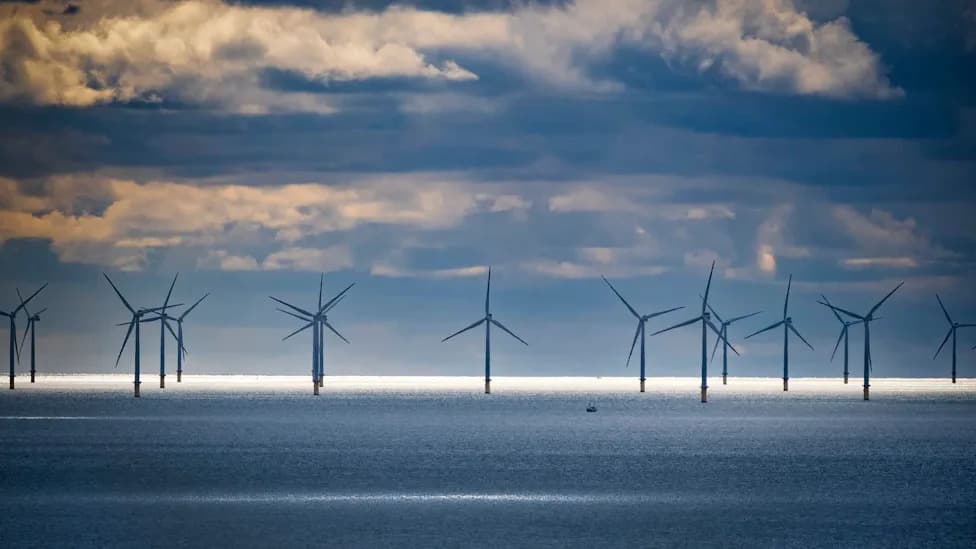
Observers point to several barriers limiting further emissions reductions: federal legal and regulatory headwinds delaying offshore wind, transmission congestion and inconsistent local permitting that slow project development, and state renewable policies that many experts consider insufficiently ambitious.
Concerns About Market Leakage And Competitiveness
Critics say RGGI can encourage utilities to import cheaper, higher‑emitting power from neighboring nonparticipating states—particularly where generators in the PJM Interconnection region do not face a carbon price—placing RGGI‑region plants at a competitive disadvantage. Business groups in some states, notably New Jersey, are pressing policymakers to withdraw from RGGI or adopt alternate fixed fees for domestic generators.
Arguments For Keeping And Reforming RGGI
Supporters counter that auction proceeds fund tangible investments. Projections cited in recent analyses estimate that proceeds invested in 2024 alone will avoid a substantial amount of carbon over the lifetime of those measures, and that RGGI‑funded programs planned for New England in 2025 could generate roughly $1.3 billion in lifetime consumer savings through efficiency, electrification and bill assistance.
“We can't lose sight of that just because of a moment of high prices.” — Paolo Moncada Tamayo
Choices Ahead
Policymakers face a narrow set of options: reform RGGI (for example, tighten complementary clean electricity and heating standards, alter allowance supply controls, or strengthen investments), replace it with alternative state policies, or combine approaches to better align price signals with accelerated renewable deployment and grid upgrades. Experts say meaningful additional policy shifts will be needed to reach deeper decarbonization.
Bottom line: RGGI produced measurable early climate and consumer benefits, but rising allowance costs, stalled clean‑energy deployment and competitive dynamics with nonparticipating states mean the program’s design and role should be reexamined as the region pursues the next phase of decarbonization.
Help us improve.