Hyundai says it will not—and does not—use nickel from Raja Ampat, a decision Greenpeace credits to an international campaign following the report Unprotected Paradise. Indonesia revoked four of five mining permits in Raja Ampat in 2025, and activists are calling for formal restrictions on mining and stronger protections for Indigenous peoples and coastal communities. The development highlights growing scrutiny of EV battery supply chains and calls for greater transparency from automakers.
Hyundai Says It Won't Source Nickel From Raja Ampat After Global Campaign
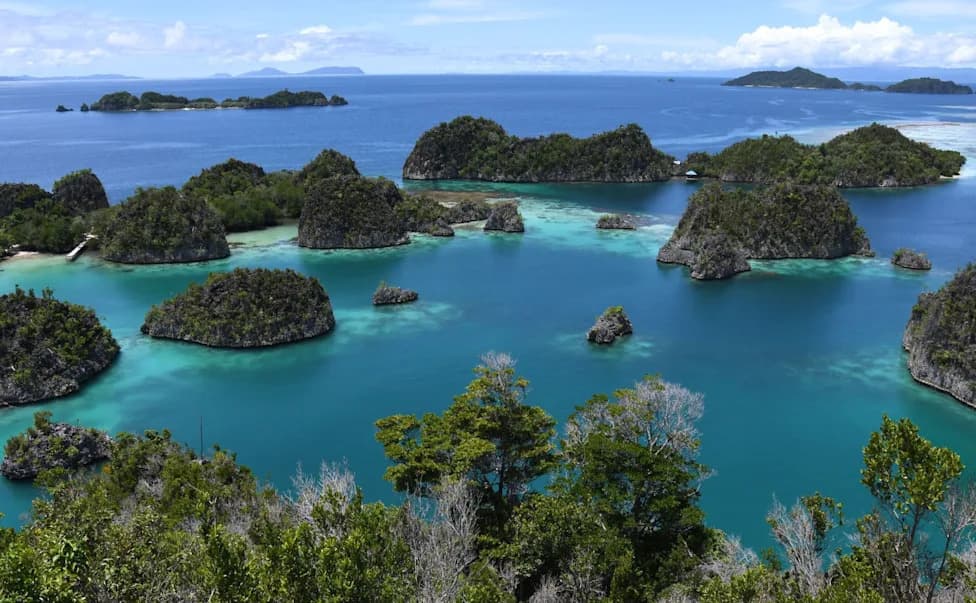
Photo Credit: Getty Images
Hyundai has publicly confirmed it does not use — and does not plan to use — nickel mined from Indonesia's Raja Ampat in its electric vehicles, a move Greenpeace and local communities say reflects the power of international public pressure.
What Happened
In an Instagram post, Greenpeace International hailed Hyundai's statement as a victory for activists who pushed mining in the ecologically sensitive archipelago into the global spotlight. The group linked the outcome to a wider campaign that followed Greenpeace Indonesia's report Unprotected Paradise, which exposed the risks to high-value ecosystems, Indigenous peoples, and coastal communities.
Permits, Responses and Accountability
Jakarta revoked four of five mining permits in Raja Ampat in 2025, a decision Greenpeace credits in part to public pressure. The Business and Human Rights Resource Centre asked 25 major automakers to disclose the origins of raw materials in their EV batteries; according to Greenpeace, only Hyundai publicly responded.
"Raja Ampat needs more than promises. It needs lasting protection, including officially restricting mining in high-value ecosystems, and respecting the rights of Indigenous peoples and coastal communities," Greenpeace said.
Nickel is used in many lithium-ion EV batteries, so sourcing choices have environmental and social consequences that extend beyond factory floors. As demand for electric vehicles grows, communities, campaigners and consumers are pushing for greater transparency and stronger safeguards.
Next Steps Advocates Want
- Official limits on mining in sensitive ecosystems
- Stronger legal protections for Indigenous peoples and coastal communities
- Clearer supply-chain transparency from automakers and governments
Related Developments
- Experts caution that critics sometimes overstate mining burdens even as sourcing deserves scrutiny
- Indigenous leaders report harsh repression around some mining projects
- Automakers and researchers are exploring battery chemistries (for example, sodium-ion) that could reduce nickel demand
Help us improve.