The Israeli Navy is considering buying Boeing’s P-8 Poseidon to enhance anti-submarine warfare and extend covert maritime operations, sources told Walla. Navy commander Maj.-Gen. Eyal Harel recently discussed the platform with Boeing and may include the requirement in the navy’s strategic plan to be presented to the General Staff later this year. The P-8 offers advanced acoustic sensors, torpedo and missile options, AI-enabled systems, long endurance and aerial refuelling capability. A U.S. export approval would be required; if granted, Israel would be the first operator of the type in the Middle East.
Israel Weighs Boeing P-8 Poseidon Purchase To Boost Anti-Submarine, Covert Maritime Reach
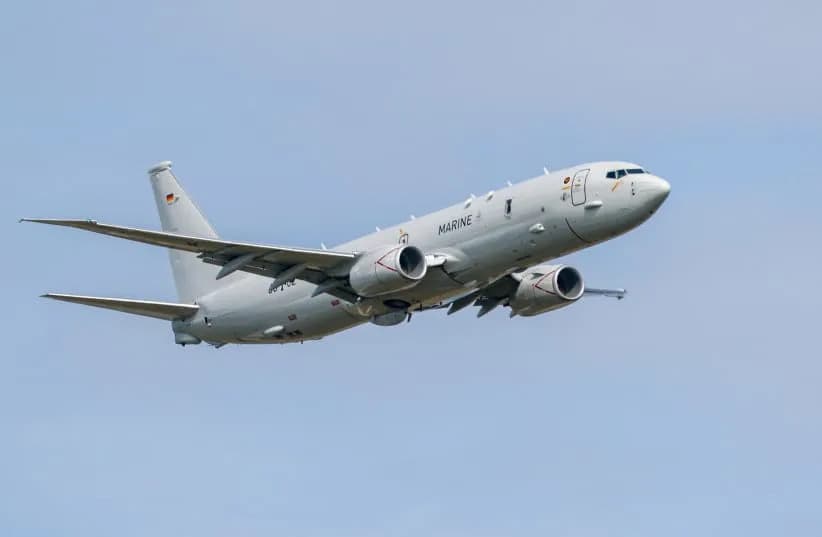
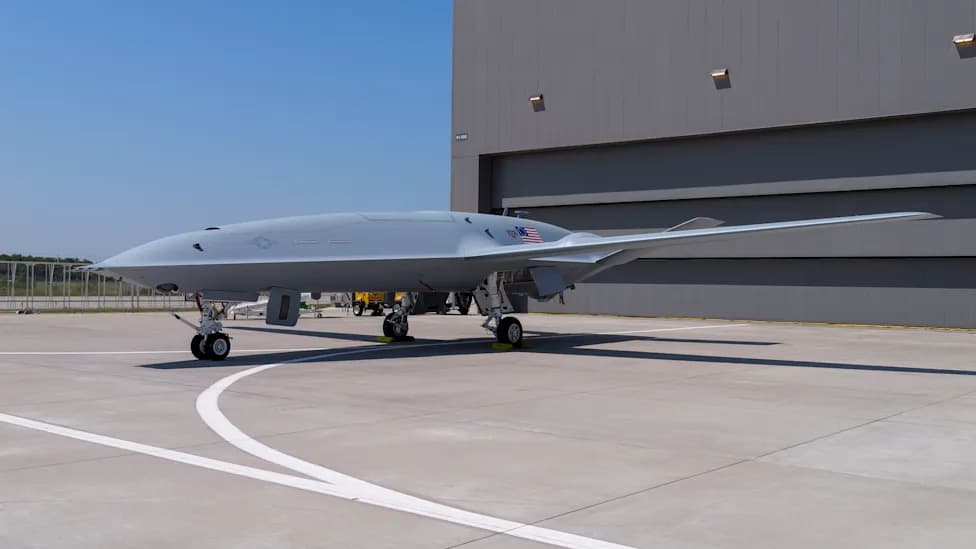
A Boeing P-8 Poseidon reconnaissance aircraft of the German forces is pictured during the Armed Forces Day at the Nordholz Naval Airbase in Nordholz, Germany, on June 06, 2026. Along with nine other locations, Nordholz hosts the Armed Forces Day 2026. (credit: FOCKE STRANGMANN / AFP via Getty Images)
The Israeli Navy is actively evaluating the acquisition of Boeing’s P-8 Poseidon maritime patrol aircraft as it seeks to extend covert operational reach beyond Israel’s borders and strengthen anti-submarine capabilities, sources told Walla.
Acquisition Talks Underway
Several weeks ago, Navy Commander Maj.-Gen. Eyal Harel met with a senior Boeing executive to review the aircraft’s latest platform developments and weapons options. A Defense Ministry source confirmed Israel is seriously considering the P-8 and that the requirement could be included in the navy’s strategic plan, due to be presented to the General Staff at the end of the year.
What the P-8 Offers
Operationally known as the P-8 Poseidon and built on the Boeing 737 airframe, the aircraft is widely regarded as a leading maritime reconnaissance and anti-submarine platform. Key capabilities include:
- Advanced acoustic sensors and sonobuoy deployment for submarine detection
- Torpedo delivery options and the ability to carry missiles against surface and land targets
- Long endurance missions with aerial refuelling and high cruise speed (about 850 km/h)
- Powerful search radar, intelligence-collection systems, and growing artificial intelligence integration
- Roles in search-and-rescue, maritime strike, and as a node in a networked battlefield
International Operators and U.S. Approval
The P-8 is currently operated by the United States, India, Australia, the United Kingdom, Canada, Norway, New Zealand, South Korea and Germany. Because the platform contains U.S.-sourced technology, any Israeli purchase would require U.S. approval; if granted, Israel would be the first country in the Middle East to field the type.
Strategic Context: Growing Regional Submarine Activity
Assessments by the National Security Council, the Defense Ministry and the IDF point to a notable expansion in naval forces operating in the Red Sea, the Gulf and the Mediterranean, attributed in part to regional tensions involving the Houthis, Iran and other actors. The cited submarine inventories include: France (10), the United Kingdom (11), Italy (8), Germany (6), Norway (6), Egypt (8), Turkey (14) and Greece (9).
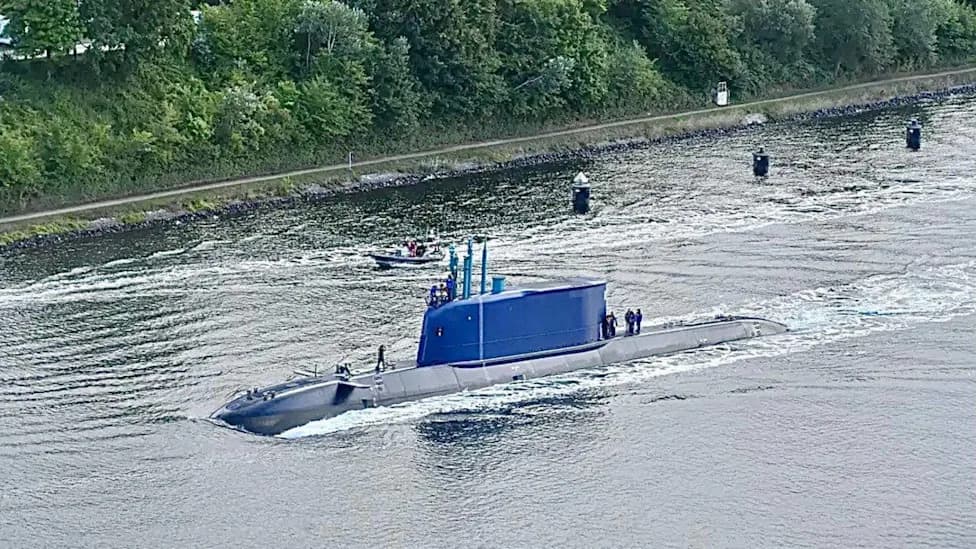
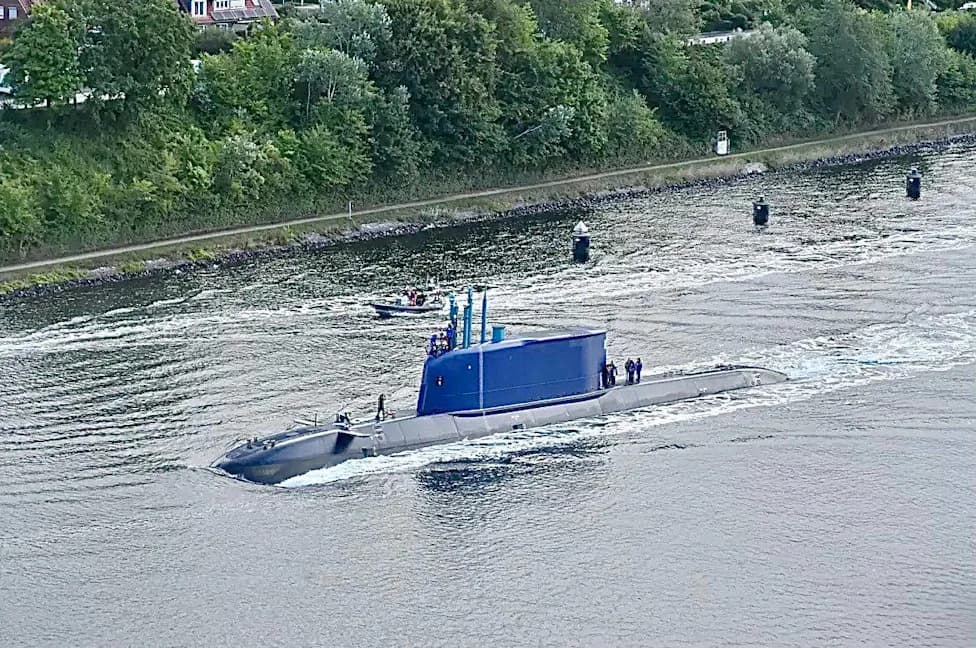
Israel currently operates six submarines, with two additional boats planned or under construction. Political and defense leaders are still debating whether to expand the fleet to eight vessels or retain a six-boat fleet by retiring older boats as new ones enter service.
Next Steps
The navy commander intends to formalize the P-8 requirement within the navy’s strategic plan this year. Any timeline for procurement will depend on internal approvals, budget decisions and export clearance from the United States.
Help us improve.