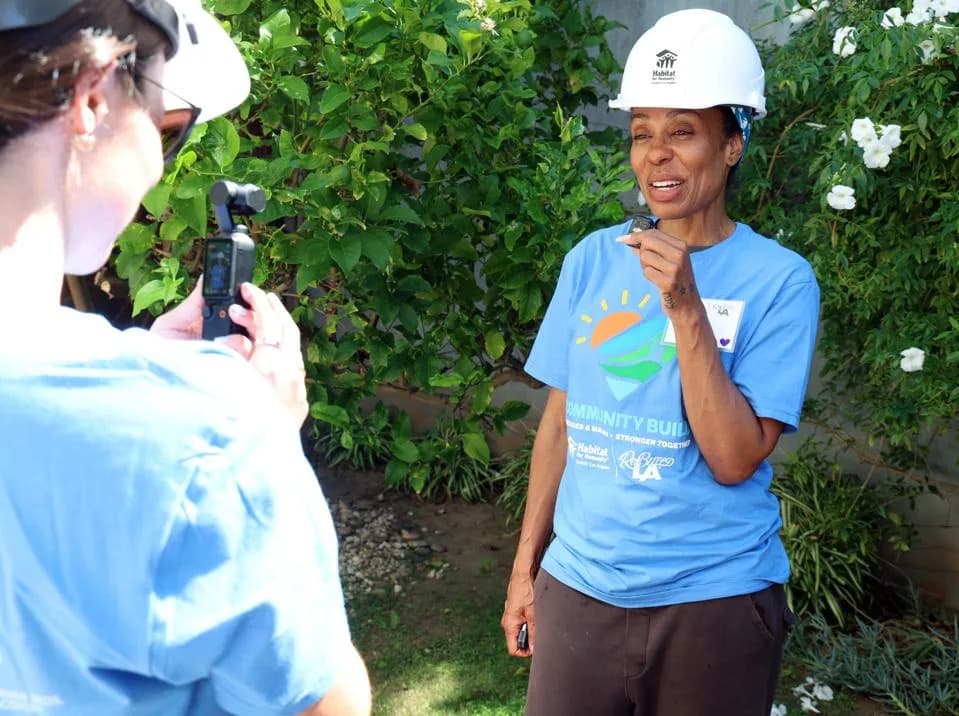
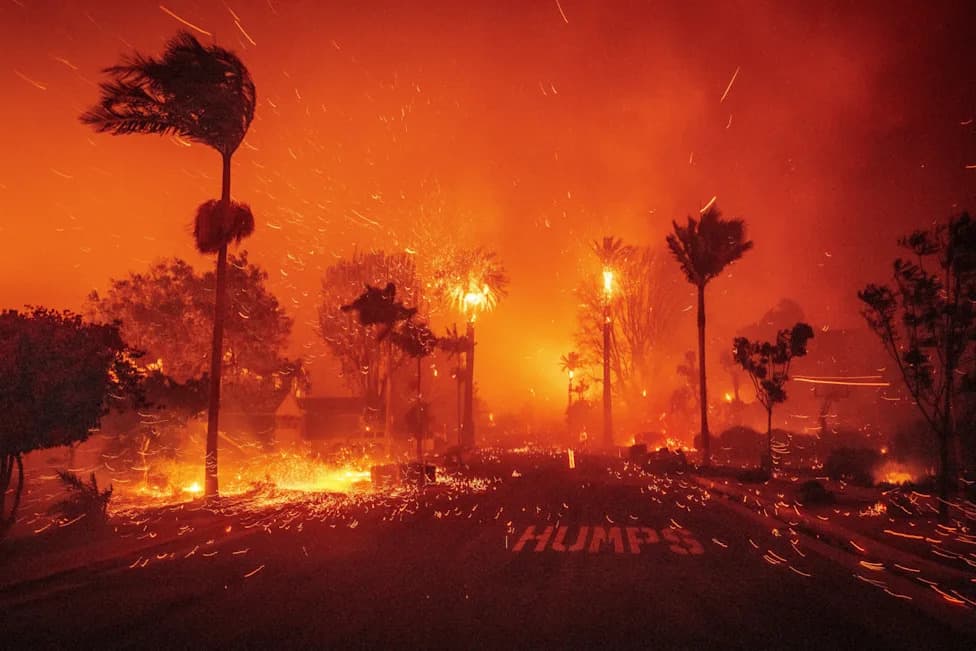
The Every Fire Survivor's Network and a UCLA research team have launched the L.A. Fire Survivor Insurance Survey at FireSurvey.org to collect survivor reports on insurer performance after the Eaton and Palisades fires. The survey aims to produce an insurer-by-insurer public dataset and interactive visualizations that reveal patterns of delays, denials, or adequate payouts. Organizers hope the findings will support regulatory action, journalism, research, litigation, and policy changes. Survivors are encouraged to participate to ensure their experiences are counted.
L.A. Fire Survivors Launch Survey to Track Which Insurers Paid — and Which Delayed or Denied Claims
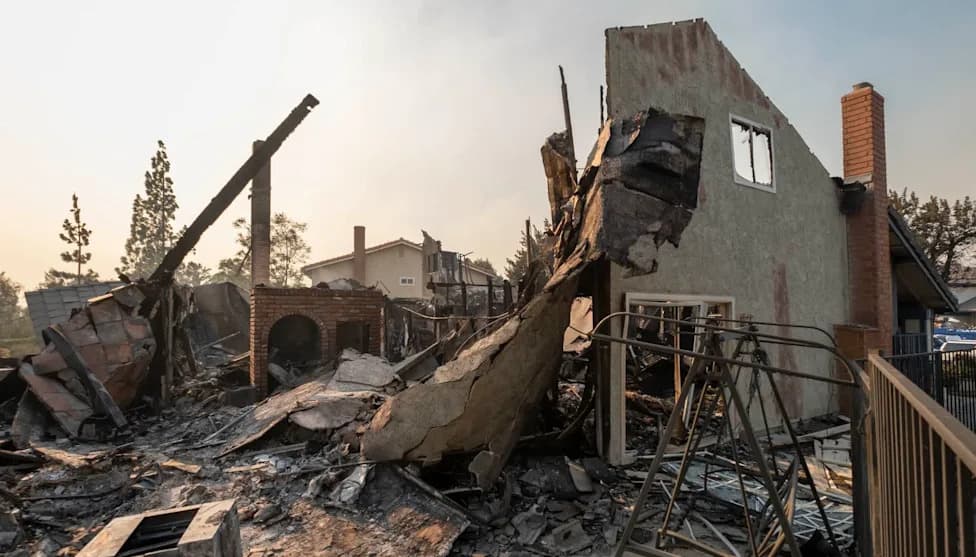
Photo Credit: iStock
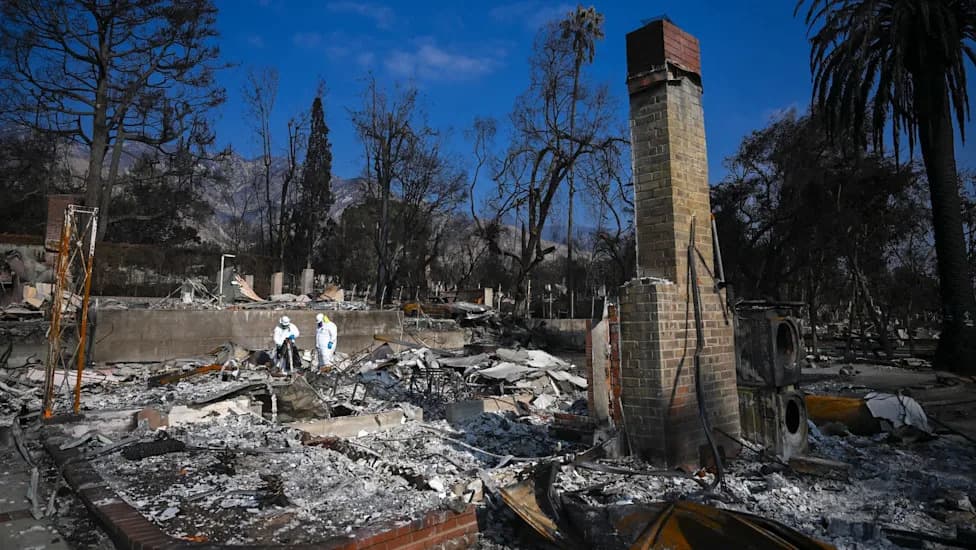
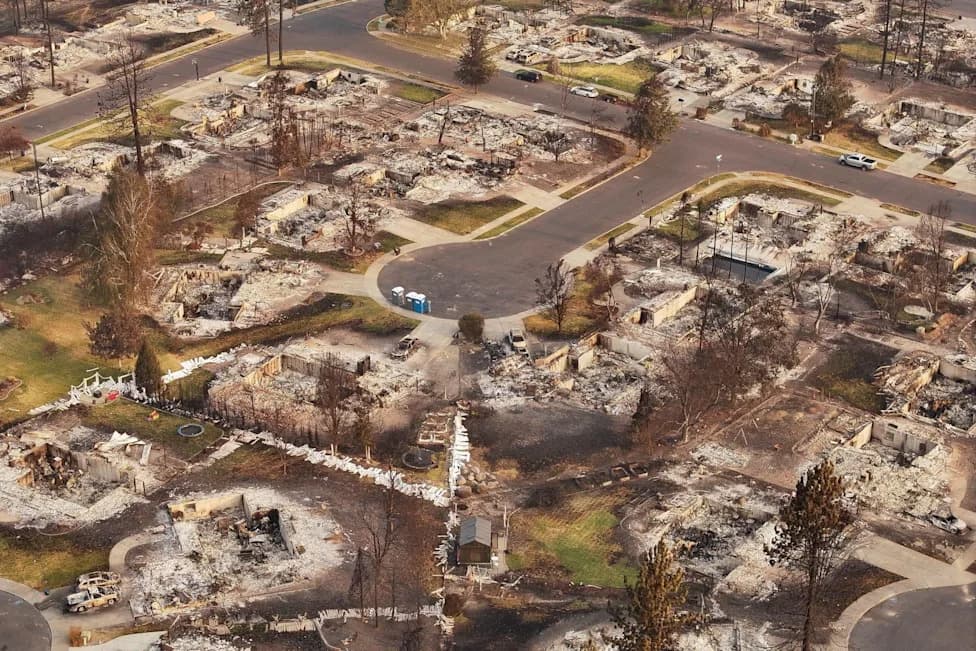
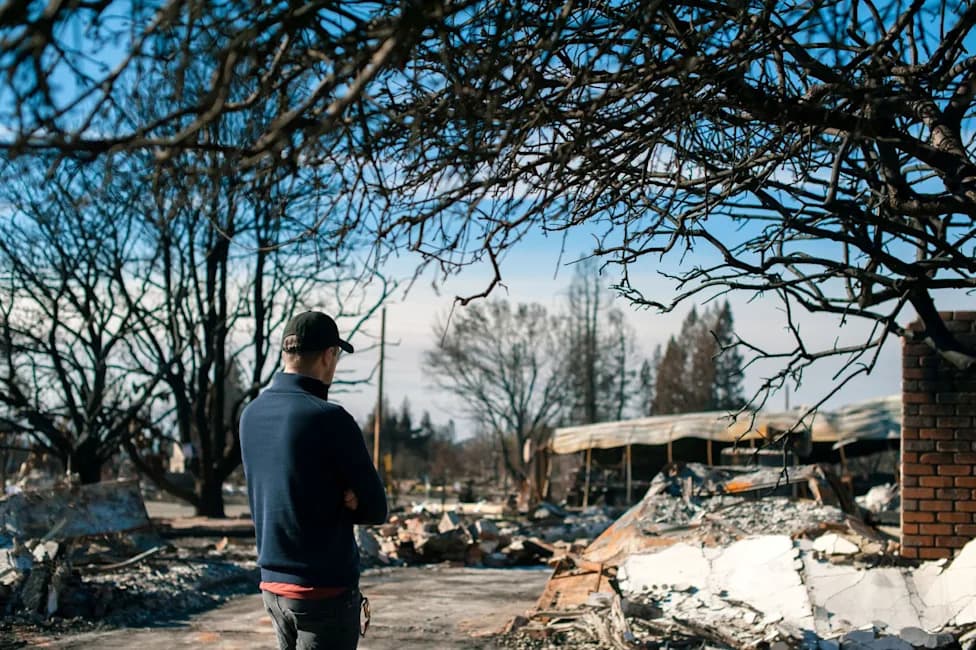
A new effort in Los Angeles aims to turn thousands of private insurance experiences into a public record that can show which insurers helped families rebuild after the Eaton and Palisades fires—and which made recovery harder.
What The Survey Is
Every Fire Survivor's Network (EFSN), working with a UCLA research team and advising partner Aimery Thomas of The Future Organization, has launched the L.A. Fire Survivor Insurance Survey at FireSurvey.org. The questionnaire invites families who lost homes to report how their insurer handled claims. The survey will remain open until it collects enough responses for statistically meaningful, insurer-by-insurer analysis.
Why It Matters
Reporting by Downtown Los Angeles and the Los Angeles Times found that only 38% of families who lost homes in the five largest California wildfires before 2025 had rebuilt after eight years—and the biggest factor was whether insurers paid claims in full and on time. Department of Angels estimates that roughly 70% of insured L.A. fire survivors are experiencing delays, denials, or underpayments, according to Downtown Los Angeles reporting.
Goals And Methodology
Organizers say the survey is designed to build a first-of-its-kind public dataset that can distinguish isolated incidents from repeated patterns. Questions were crafted to assess whether insurers met their legal and contractual duties, how claims for smoke damage were handled, whether homeowners were effectively nonrenewed and shifted to the FAIR Plan before fires, and whether families were underinsured.
The UCLA team will compile and analyze responses and help create public data-visualization tools for survivors, journalists, researchers, regulators, and policymakers. Aimery Thomas will advise on survey architecture, methodology, and data security and will help review survivors' reports about insurers.
Intended Uses And Public Resources
Organizers plan to publish three free public resources based on the survey findings. They say the dataset could inform regulatory enforcement, policymaking, investigative journalism, litigation, and law-enforcement inquiries where warranted.
- Public insurer-by-insurer performance summaries to highlight patterns of delays, denials, and adequate payouts.
- Interactive visualizations to help compare experiences across companies and geographic areas.
- Raw anonymized data and methodology notes to support researchers, reporters, and regulators.
Voices From The Effort
"Some insurers count on wearing families down until they run out of money or energy to fight back," said Joy Chen, executive director of EFSN.
"Insurance companies sell policies, but what they are really selling is trust," said Aimery Thomas. "This survey is designed to measure what happens when that promise is tested and show which insurers delivered."
Gabriella Carmona, senior research analyst at the UCLA Luskin School of Public Affairs, described the project as an effort to turn personal hardship into evidence that can drive policy and accountability.
How Survivors Can Help
Organizers urge survivors to participate whether their insurer delayed, denied, underpaid, or met obligations. The dataset will be more useful the broader and more diverse the response pool. Visit FireSurvey.org to share your experience.
Those who want to support broader recovery and resilience work are also encouraged to consider donating to climate and community-recovery causes.
Related Reporting
This survey adds to recent reporting about post-wildfire insurance problems: lawsuits by Los Angeles fire victims against insurers, claims that some insurers dropped coverage in high-risk areas, disputes over smoke-damage payouts and hidden return costs, and warnings that wildfire losses could strain insurance markets far beyond fire zones.
Help us improve.