The author recounts how his Pacific Palisades home burned on Jan. 8, 2025, after a sequence of institutional failures—from drained reservoirs and delayed fire responses to stand-down orders—allowed the fire to consume his neighborhood. He launched the podcast BURNED to investigate the response and demand accountability. Drawing lessons from the disaster, he argues that stronger, better-resourced government institutions are necessary to confront climate-driven risks and restore public trust.
Burned on My 16th Birthday: How Government Failures Turned a Fire Into a Catastrophe
FR171736 AP
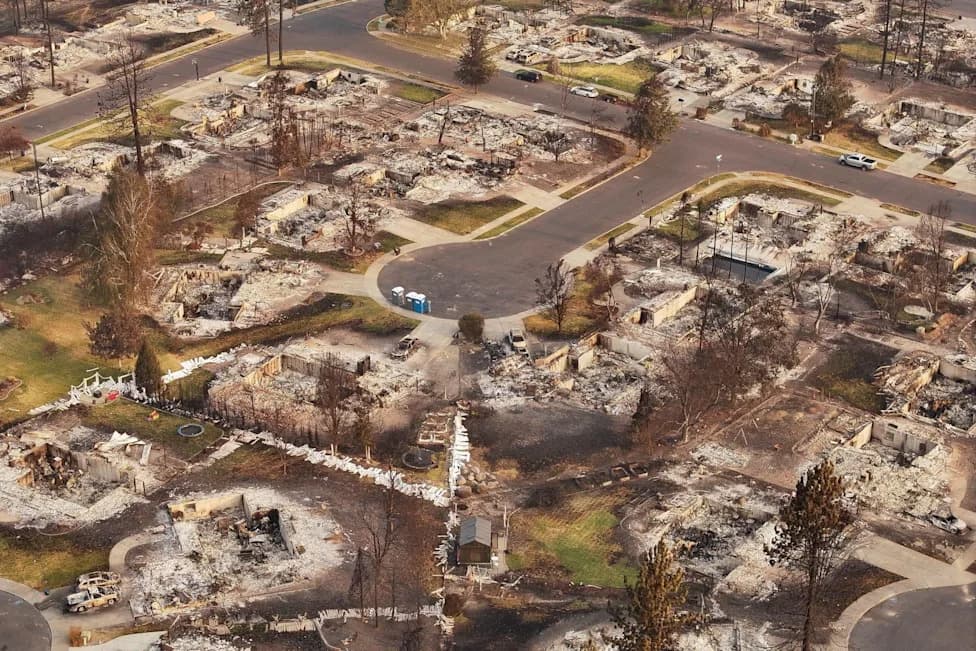
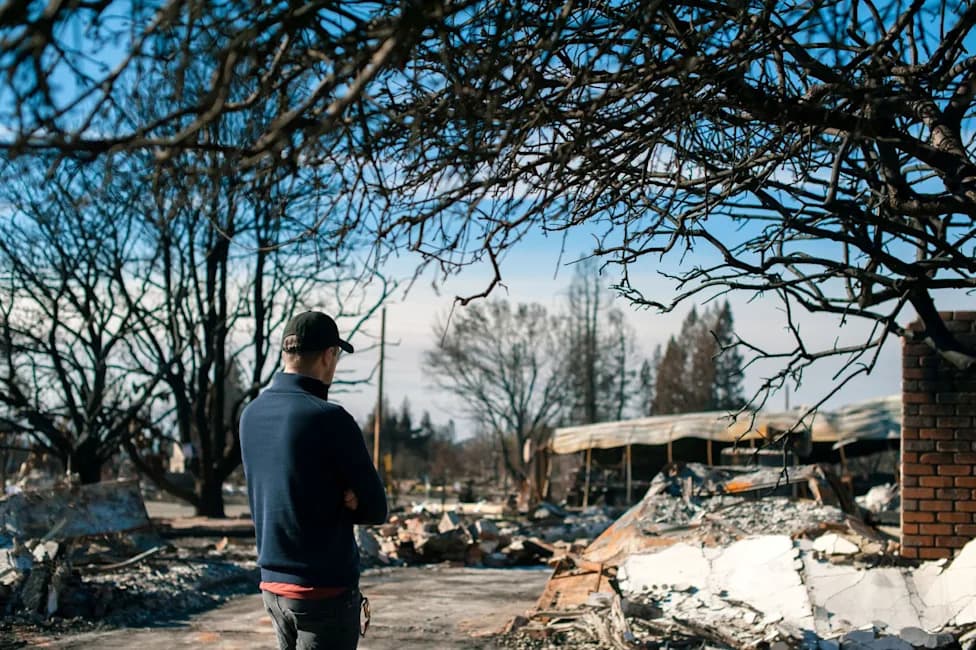
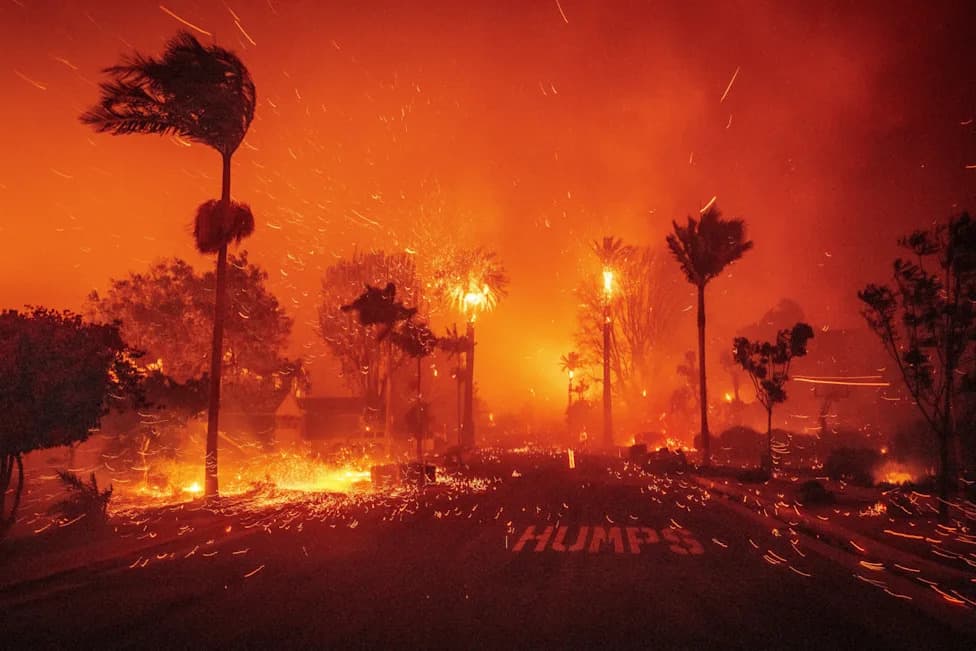
The night I turned 16, the largest candle on my birthday cake was not a novelty wick but my own house—engulfed as the Palisades fire approached and then destroyed our home.
I grew up in Pacific Palisades, a neighborhood in northeast Los Angeles whose name evokes a fortress. I never imagined my house—or our entire community—could be wiped out overnight. Yet that is what happened the morning of Jan. 8, 2025.
My family’s house was built with fire-resistant materials and equipped with modern sprinkler systems intended to withstand prolonged exposure to flames. Still, those protections could not overcome a series of cascading institutional failures that left our community exposed when we needed government services most.
What Went Wrong
Months before the Jan. 1, 2025 Lachman Fire, the Los Angeles Department of Water and Power drained the Santa Ynez Reservoir without a credible contingency plan to preserve water pressure for Palisades hydrants. While crews were still fighting the Lachman Fire, a battalion chief reportedly ordered fire crews off the scene.
On Jan. 7, high winds re-ignited the hills. Fire Station 23—only five minutes from the initial flames—did not respond immediately; crews were reportedly away on a "training exercise," delaying a response by nearly thirty minutes. As the blaze spread, opportunities to protect homes using private pools and other resources were not pursued because ladder and hose companies were ordered to stand down. Those stand-down orders persisted into the morning of Jan. 8, even after water pressure was restored and time remained to save homes.
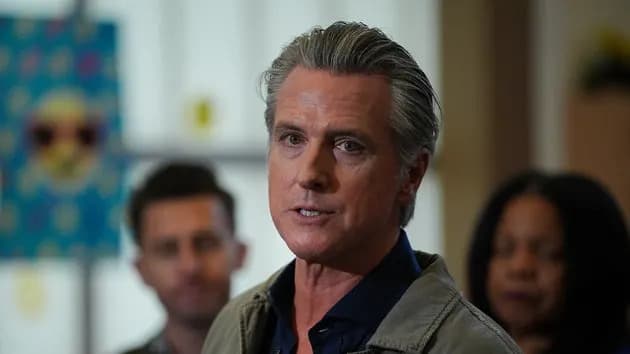
Response coordination faltered at the highest levels as well. Mayor Karen Bass was traveling in Ghana, and acting mayor Marqueece Harris-Dawson appeared not to know he could declare a Class One emergency—a step that would have mobilized additional engines and police to direct evacuations. Only after massive destruction did the governor declare a state emergency to unlock aid and funding.
Requests for accountability have been met with silence. Fire Chief Kristin Crowley declined to issue an after-action report on the response, and the city has resisted public-records requests for internal communications from Jan. 7–8. Meanwhile, officials have sought to refocus public attention on an alleged arsonist—a suspected Uber driver—rather than explain systemic failures.
From Loss to Action
My family lost our home on Jan. 8. The loss ended my blind faith in government—but it also sparked action. I launched BURNED, a podcast investigating the government failures that destroyed my community. The series aims to hold officials accountable and to ask difficult questions about preparedness, decision-making, and responsibility.
I draw two urgent conclusions from this experience. First, prolonged one-party dominance in Los Angeles has bred institutional complacency, bureaucratic dysfunction, and weak accountability. Second, confronting climate-driven disasters and emerging risks like AI requires stronger, better-resourced public institutions—not less government.
Democratic Socialism, for me, is a framework for demanding institutions that deliver: robust public resources, democratic oversight, and real accountability. That movement’s entry into local politics—challenging entrenched machines—can help restore checks and incentives that protect communities.
I loved my home and my town. Losing both has deepened my commitment to fighting for a government that can protect its people. Holding leaders accountable is not merely political—it’s an act of love for a city mismanaged for too long.
Hal Craig is a high school senior at Harvard-Westlake in Los Angeles and lives with his family in Encino, Calif.
Help us improve.