Chris Gordon, a 43-year-old former RAF Chinook pilot and Distinguished Flying Cross recipient, has been diagnosed with severe aplastic anaemia and needs a stem cell transplant within months. While he receives blood transfusions twice weekly, doctors are searching global donor registers after his brother proved only a partial match. Gordon, who is half-Jamaican and now lives in Los Angeles, is working with charity DKMS to urge more people—especially from ethnic minority backgrounds—to sign up for a free cheek-swab kit. Signing up is quick and could save a life.
Chris Gordon, Decorated RAF Pilot, Appeals for Stem Cell Donors After Life-Threatening Diagnosis
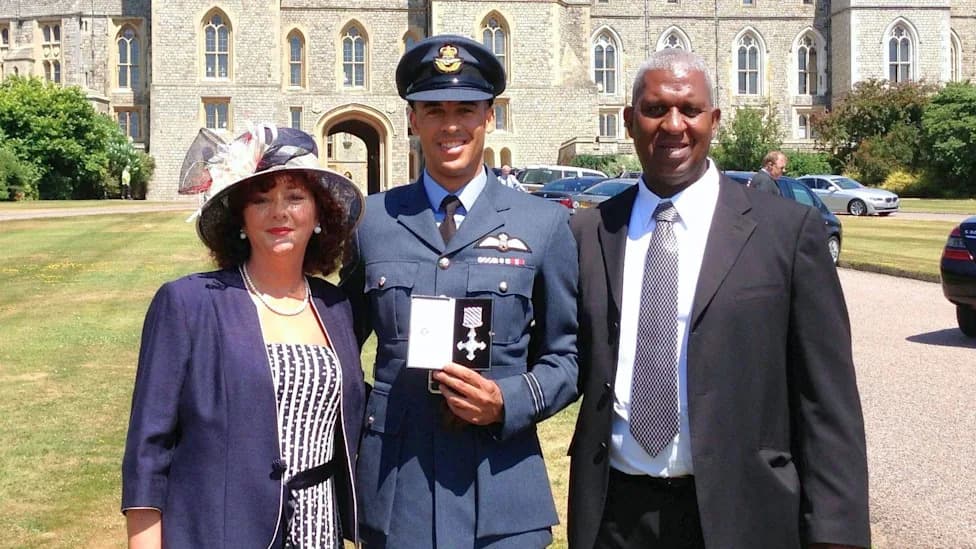
Former RAF Chinook pilot Chris Gordon, 43, received a medal for gallantry from the late Queen Elizabeth II in 2013 for his life-saving work during the war in Afghanistan [PA]
Chris Gordon, a decorated former RAF Chinook pilot, has issued a public appeal for people to join the stem cell donor register after being diagnosed with severe aplastic anaemia — a rare, life-threatening blood disorder that requires a transplant within months.
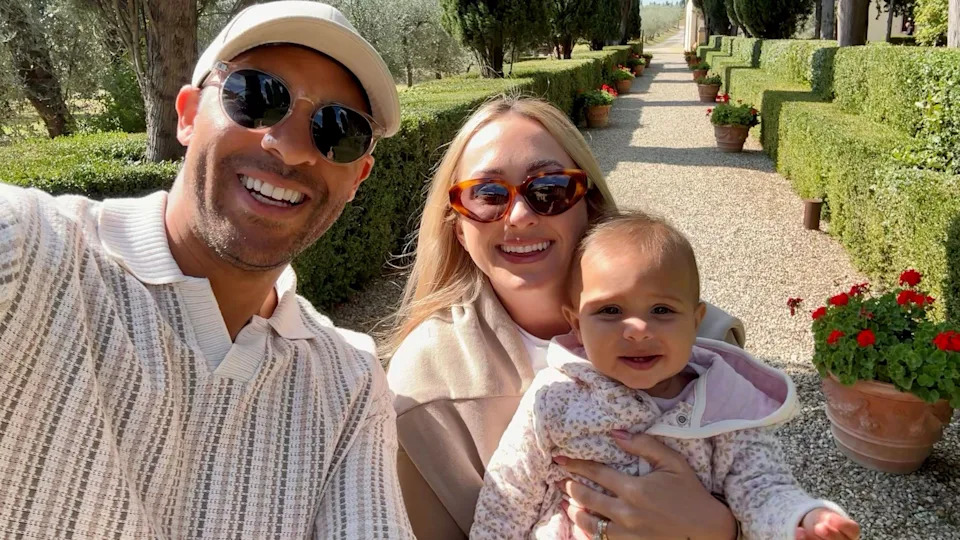
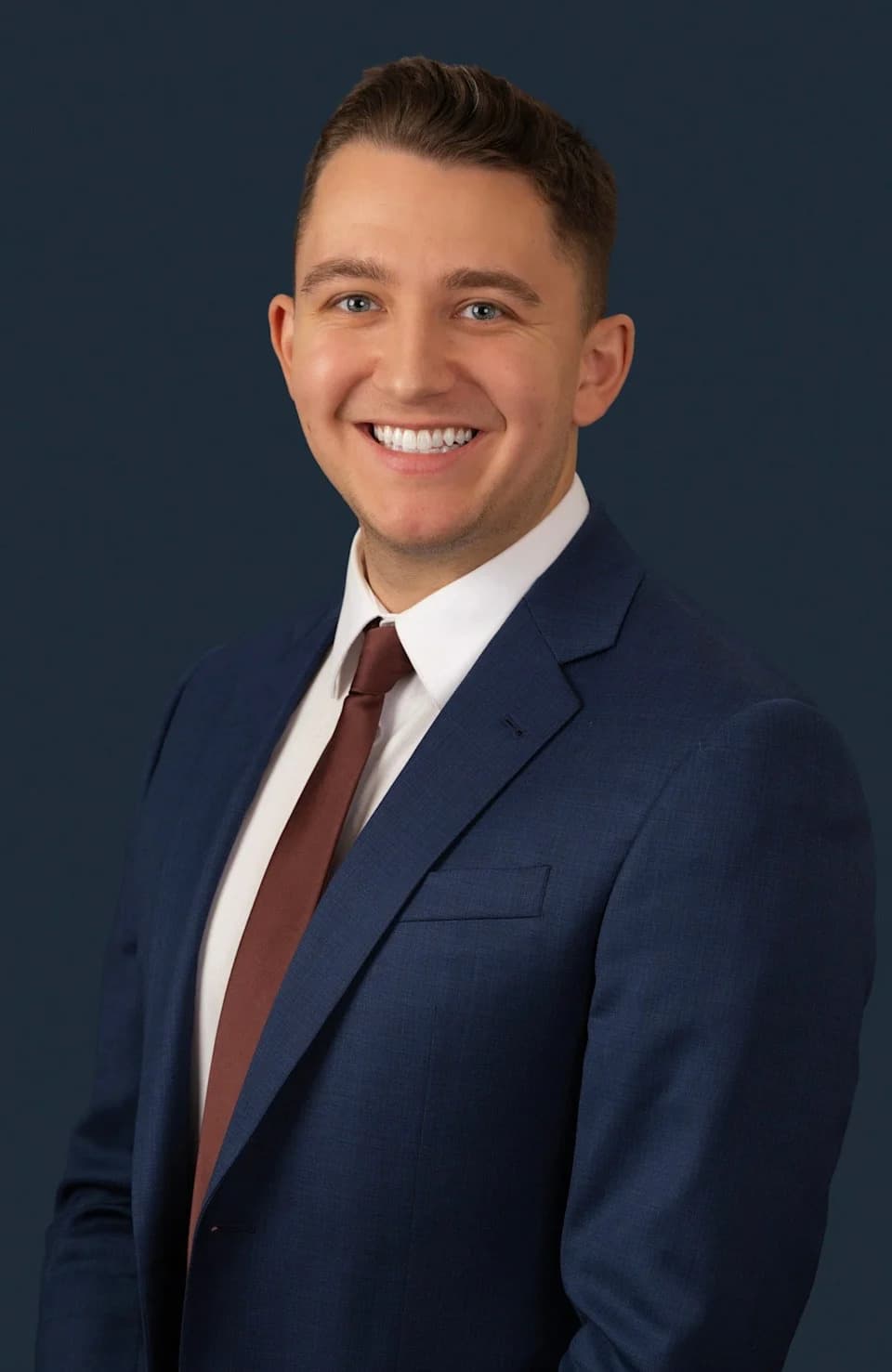
Chris Gordon, who is now living in Los Angeles, is a director at a helicopter company [PA]
Gordon, 43, from Manchester, served 14 years with the Royal Air Force and was awarded the Distinguished Flying Cross by Queen Elizabeth II in 2013 after using his helicopter to shield and evacuate 31 British and Afghan troops under fire, even after losing an engine.
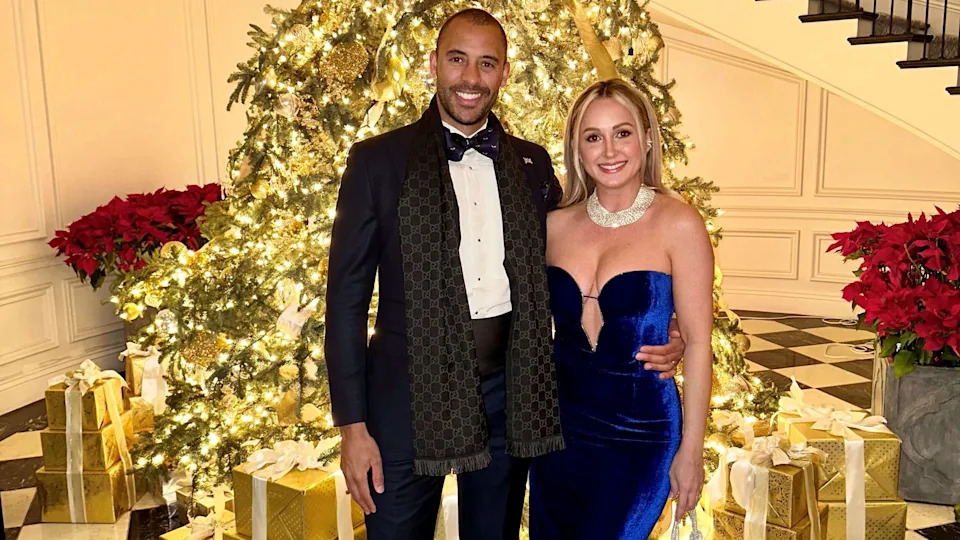
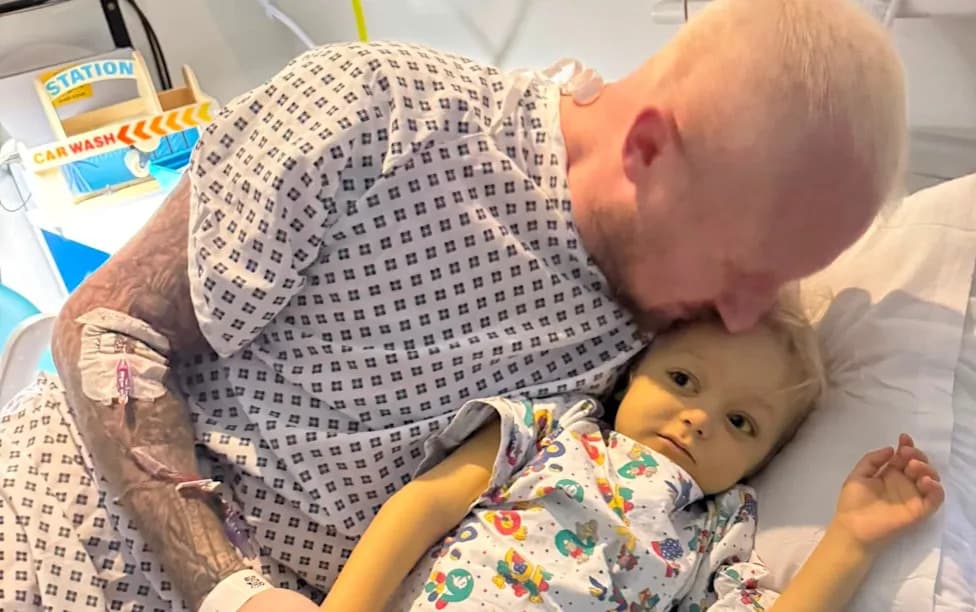
While Chris Gordon waits for a match he is having blood transfusions twice a week [PA]
Now based in Los Angeles and working as a director at a helicopter company, Gordon is receiving blood transfusions twice a week while medical teams search global stem cell registers for a full match. His brother Jonathan was tested but is only a partial match.
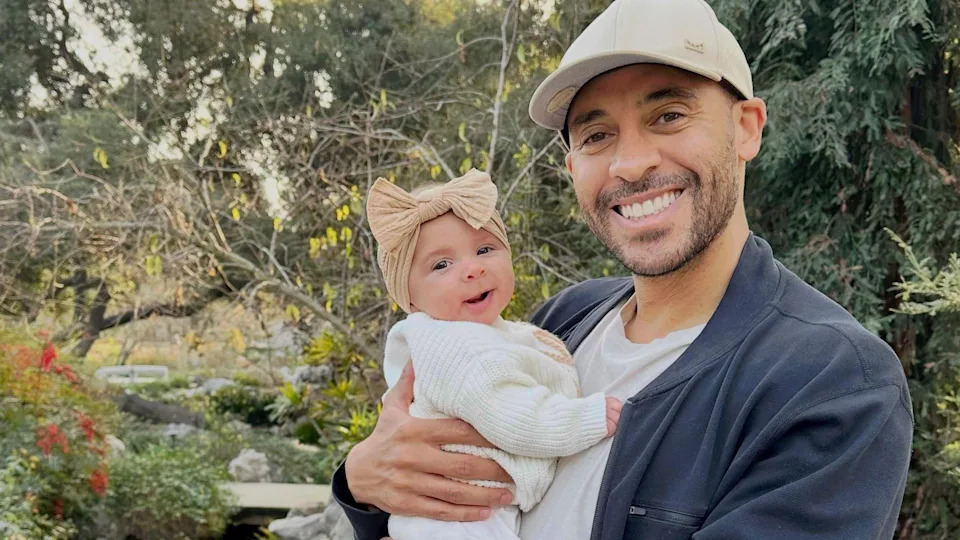
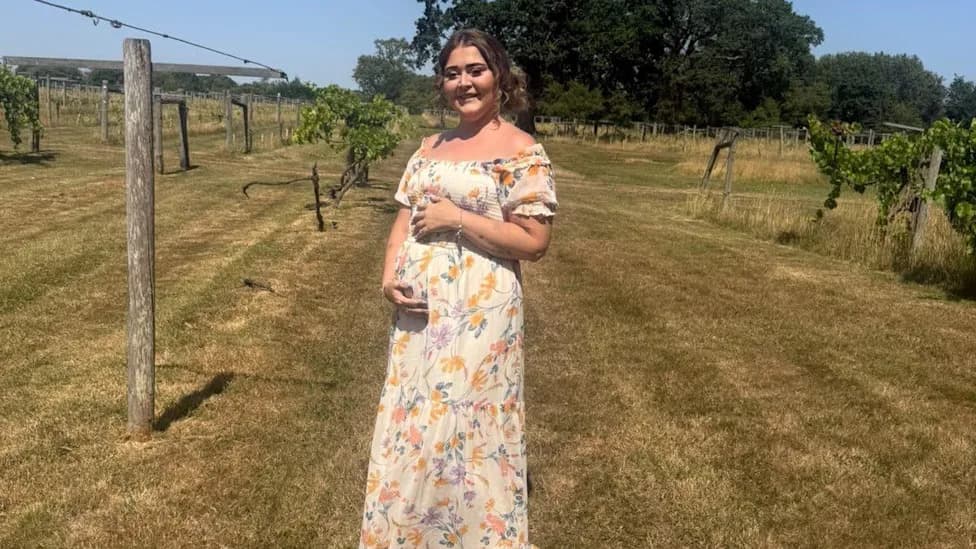
Chris Gordon is expecting a baby boy 'within weeks' [PA]
"In Afghanistan I saw courage and leadership at their best; people stepping forward when others needed help. Now I find myself needing help from other people," Gordon said. "A potential donor could be anyone, anywhere in the world. But I need them to join the donor register so they can be identified as a match."
Gordon, who is half-Jamaican, is working with the blood cancer charity DKMS to encourage people — especially those from ethnic minority backgrounds — to sign up. DKMS warns that donor matching is strongly linked to ethnic heritage, and people from some backgrounds are underrepresented on registers.
How to sign up: DKMS says signing up is straightforward: a few health questions and a free cheek-swab kit ordered from the charity's website. Most registrants will never be called to donate, but if you are a match your donation could save a life.
"For Chris, and patients like him around the world, the right person joining the stem cell donor register could give them their lives back," said DKMS spokesperson Bronagh Hughes. "Signing up only takes a few minutes, but one day you could be called to give someone a second chance."
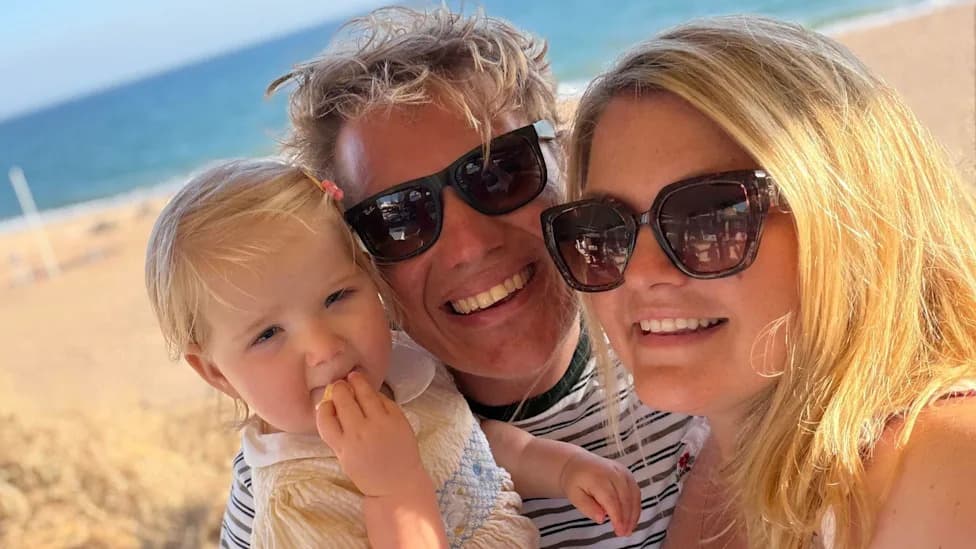
Gordon lives with his wife and their two-year-old daughter and is expecting a baby boy in the coming weeks. He is urging people who are able to consider registering as potential donors to increase the chances that patients like him can find lifesaving matches.
Help us improve.