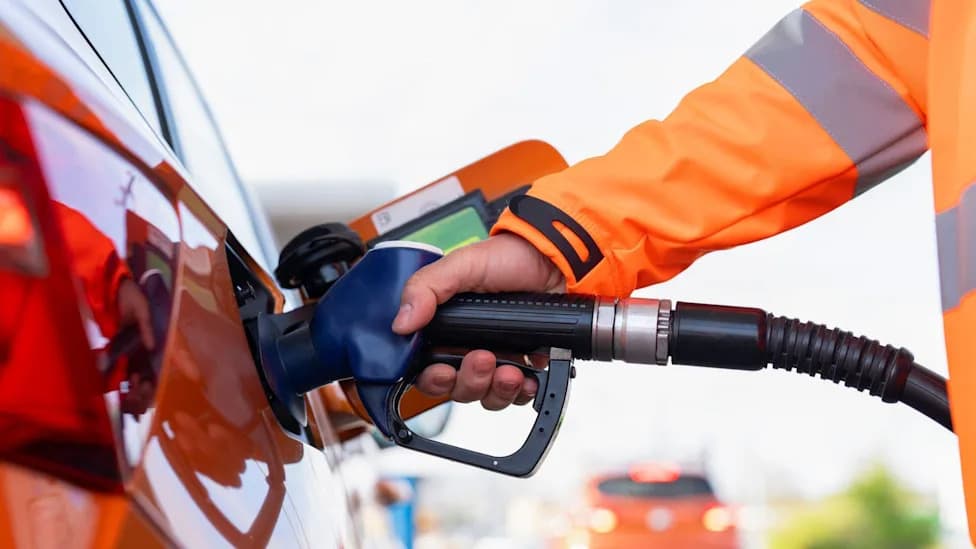
Fishermen in South West England warn that soaring fuel costs — with some skippers facing daily bills near £3,000 — could force them to stop fishing unless the government offers short-term subsidies. Industry leaders want an emergency aid package similar to the EU's roughly 20p-per-litre support, arguing a £360m development fund cannot address immediate price spikes. Ministers point to tax relief and duty arrangements but say they prefer long-term measures while monitoring the crisis.
South West Fishermen Warn Rising Fuel Costs Could Force Crews Ashore
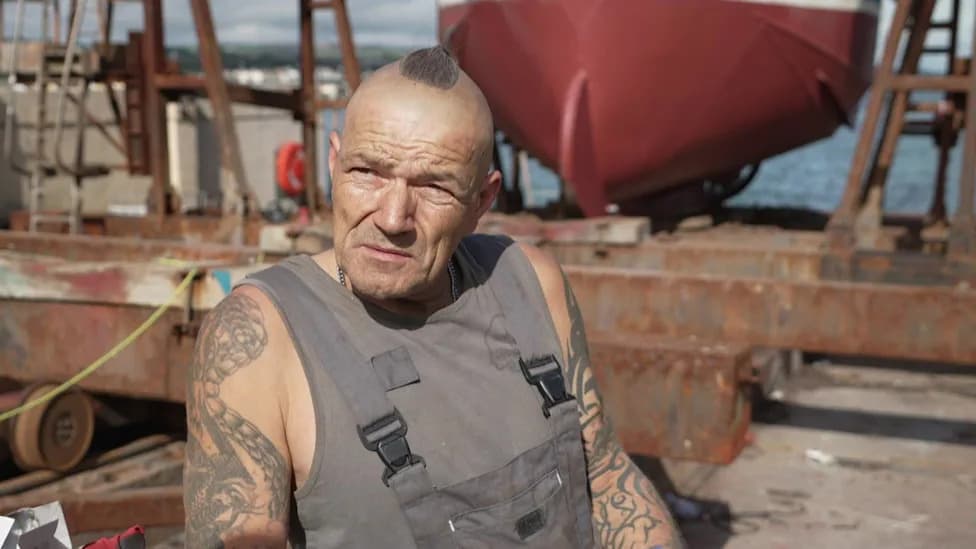
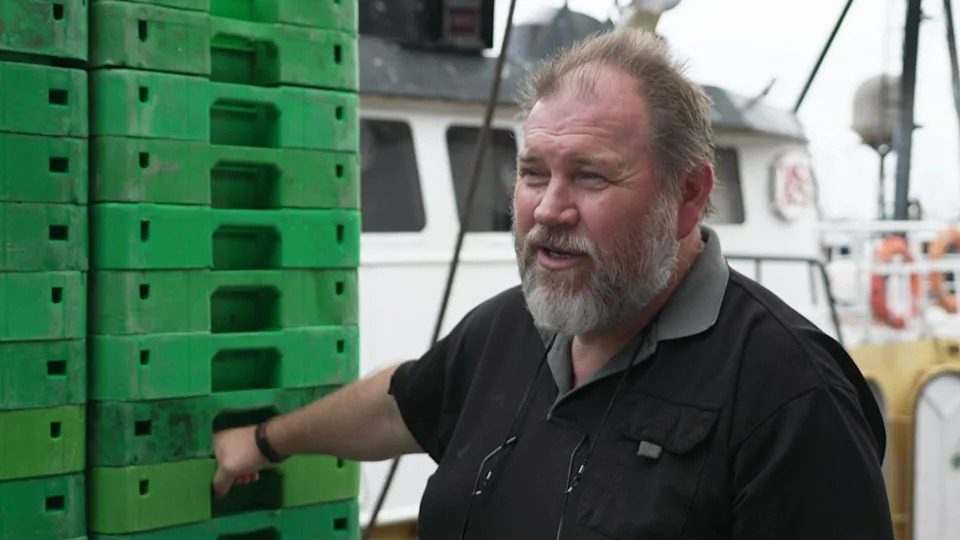
Fisherman Nathan Cock said the industry had asked repeatedly for help [BBC]
Fishermen across South West England say surging fuel bills are pushing many to the brink and warn they may be forced out of business unless ministers provide short-term financial relief.
Industry Urges Immediate Support
Representatives and skippers have urged the UK government to follow the example of some EU states and introduce emergency subsidies to relieve crushing diesel costs. Paul Trebilcock of fish supplier W Stevens and Sons criticised what he described as unequal treatment after EU fleets received fuel support while local fishermen received no equivalent aid. "The EU gives about 20p of subsidy per litre to their fleets but our government does nothing — it beggars belief," he said.
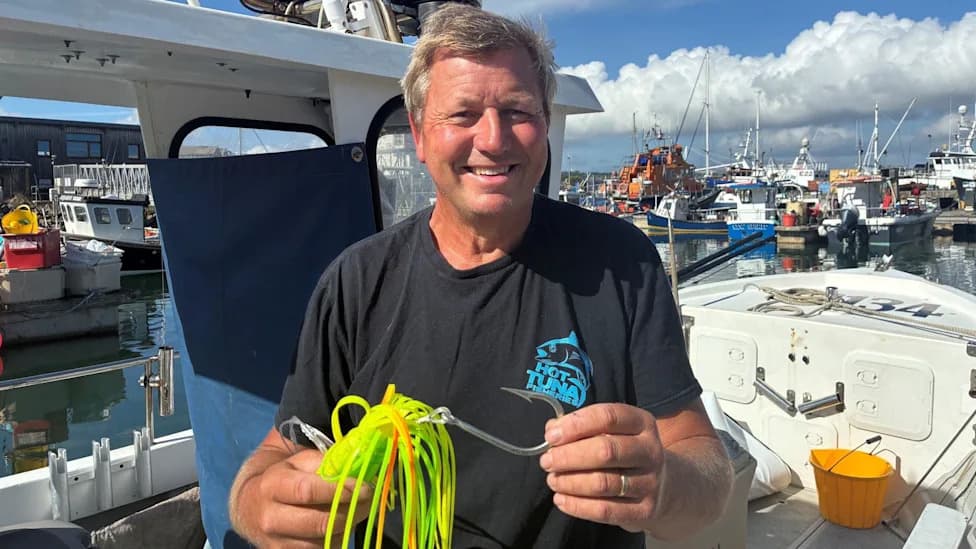
Fisherman Steve Moseley said the £3,000 daily bill for his fuel was unsustainable [BBC]
Skippers Describe Unsustainable Costs
Skippers operating from Newlyn and other ports described how fuel costs have made routine trips uneconomic. Steve Moseley, skipper of the trawler Billy Rowney, said his daily fuel bill had reached roughly £3,000. "You're getting borderline to where you're going to say, hang on a minute, is this worth still doing?" he said.
"You've got to start thinking, what else are we going to do? Because if the fuel goes up much more, then you're not going to go to sea just to catch stuff and not earn any money." — Lee Harvey, skipper of Dream Catcher
"We've been asking repeatedly for help with fuel and we've had nothing, nothing whatsoever. It's not acceptable." — Nathan Cock, skipper of Our Rachael
Government Response And Industry Proposals
A Defra spokesperson said the government is supporting the fishing sector through tax relief on fuel and a £360 million commitment via the Fishing and Coastal Growth Fund. Officials point to arrangements that effectively make diesel duty-free for many fishing activities by combining an 80% reduction in red diesel duty with marine voyage relief to reclaim the remaining 20%.
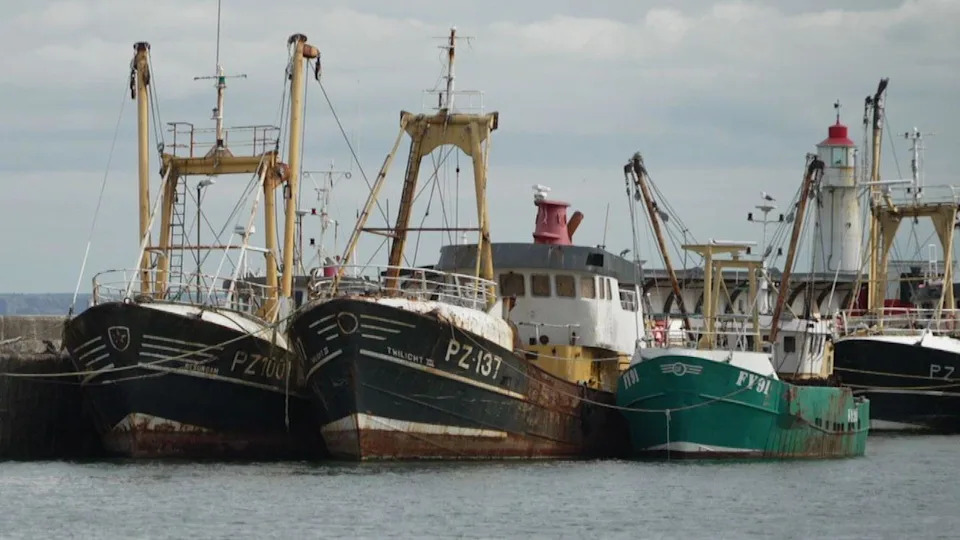
Fishermen said they were considering tying up their boats due to the cost of fuel [BBC]
Industry leaders say that while the fund supports long-term development, it cannot be used to offset an immediate fuel-price shock. Chris Ranford of the Cornwall Fish Producers Association has urged ministers to consider bringing forward parts of that multi-year fund as a short-term crisis package to match emergency support provided elsewhere in Europe.
Food Security And The Local Impact
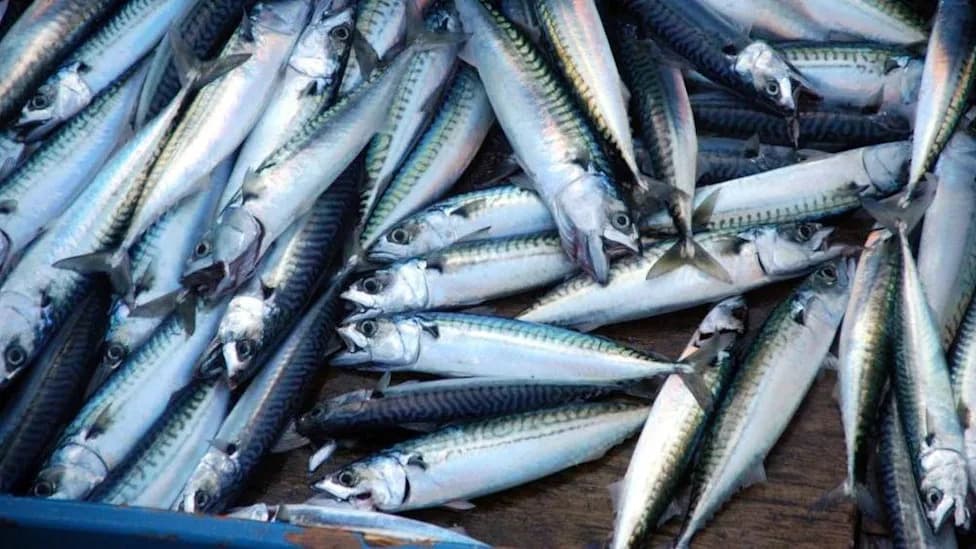
Proponents argue the sector is important for local food security and low-carbon protein. Trebilcock highlighted that Cornwall lands around 20,000 tonnes of seafood a year — enough, he estimated, to supply the South West with one portion of seafood per person per week if current catches are maintained.
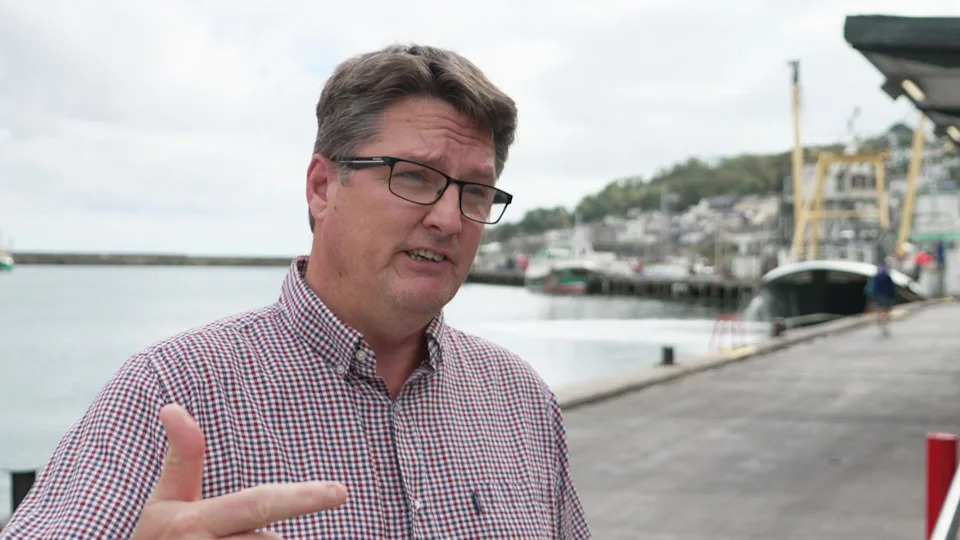
Paul Trebilcock said the fishing industry made a major contribution to food security while also providing healthy low-carbon protein [BBC]
Outlook
With skippers weighing whether to tie up their boats and leave the trade, industry representatives and local MPs say urgent, targeted relief is needed to prevent a decline in coastal fishing capacity and to protect local food supplies. Ministers say they favour longer-term measures to reduce costs but have not ruled out monitoring the situation for potential further intervention.
Source: Reporting from BBC local coverage and statements from industry and Defra representatives.
Help us improve.