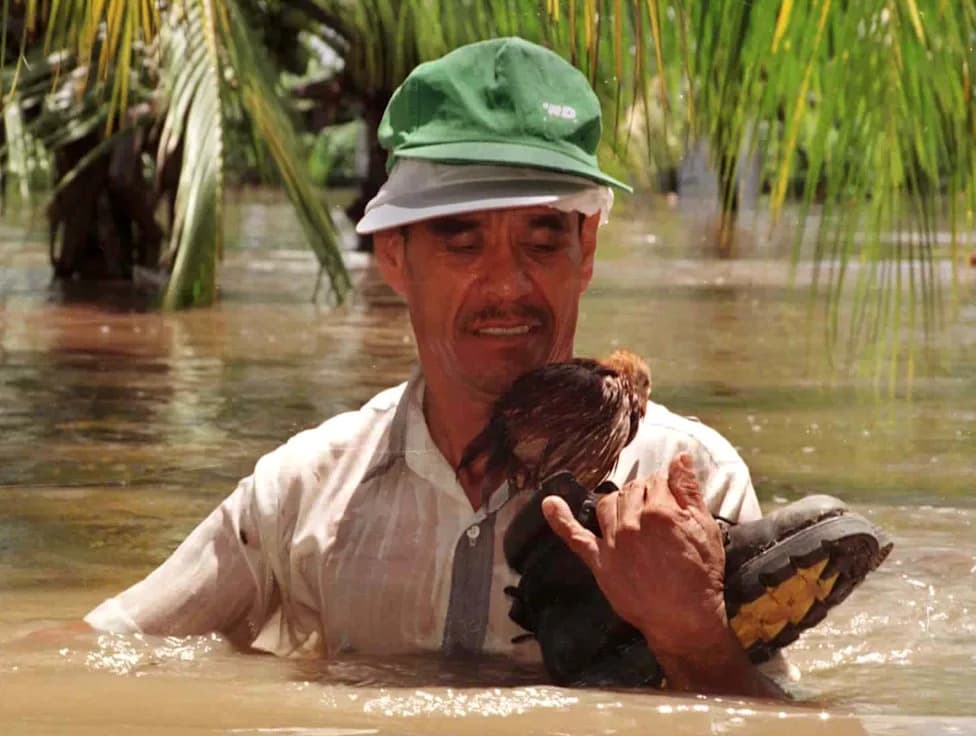
Record El Niño Is Reshaping Global Menus. Top chefs warn that droughts, floods and shifting ocean patterns are already disrupting ingredient supplies and transport. Examples include scarce ants in Brazil, cocoa-free chocolate experiments in Denmark, and warmer-water fish in Japan. The 2024 Mediterranean storms that devastated crops and killed nearly 250 people underscore how extreme weather can damage both ingredients and restaurant businesses.
Record El Niño Forces Top Chefs To Rewrite Menus As Weather Disrupts Food Supplies
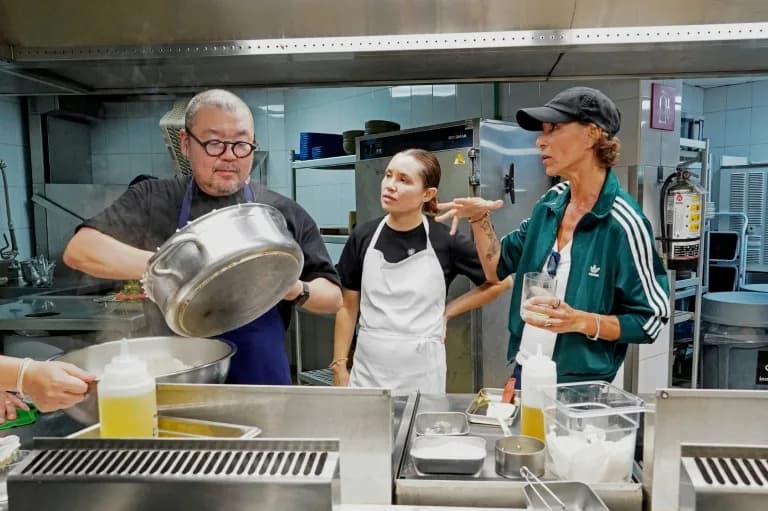
Internationally renowned chefs gathered at the Apapaxoa gastronomic festival on Mexico's Caribbean coast (Elizabeth Ruiz)
A record-setting El Niño is already reshaping global kitchens as droughts, floods and heatwaves unsettle food production, transport and availability. Leading chefs gathered at the Apapaxoa gastronomic festival on Mexico’s Caribbean coast described how extreme weather is forcing them to rethink recipes, sourcing and service.
Ingredients Vanish, Menus Shift
Alex Atala of Sao Paulo’s D.O.M. said he now builds an annual menu that he revises multiple times a week because certain ingredients simply do not arrive. "Ants, for example, this year are only available for customers who specifically ask to try them," he told AFP, noting that disrupted transport—flooded roads or wildfires—often leaves perishable items spoiled by the time they reach kitchens.
"The disappearance of an ingredient is also a cultural loss," Atala warned, linking supply shocks to the erosion of culinary traditions.
Damage Across Regions
Spain’s Quique Dacosta described how torrential rains in Valencia in 2024 devastated vineyards, orange groves and fields that supply Albufera rice—a key paella ingredient—and contributed to nearly 250 deaths. The event, he said, "directly attacks the raw materials that are the natural foundation on which we build our cuisine." Dacosta also noted that stormy seasons drive away diners, leaving restaurants vulnerable to sudden drops in bookings.
In contrast, some regions are seeing quieter seasons. Chef Roberto Solis pointed out that the Mexican Caribbean experienced its first year without the usual hurricanes, a shift that alters ocean currents, plankton distribution and, ultimately, the seafood available to coastal restaurants.
Innovation And Local Substitutes
Danish chef Rasmus Munk urged peers to plan for food resilience. His Copenhagen restaurant, Alchemist, is experimenting with cocoa-free chocolate made from brewer’s spent grain (BSG) to reduce dependence on vulnerable global cocoa supplies. "The non-chocolate we’re making now is made from BSG," he said, noting its potential as a local, fibrous alternative.
Japan’s chefs are also adapting: El Niño-driven shifts in ocean migration have brought different, warmer-water fish to markets. "In Japan it’s not a problem, there’s always product available," said Yusuke Takada of La Cime in Osaka, while acknowledging broader concerns voiced by the international chefs.
Water, Logistics And The Business Of Dining
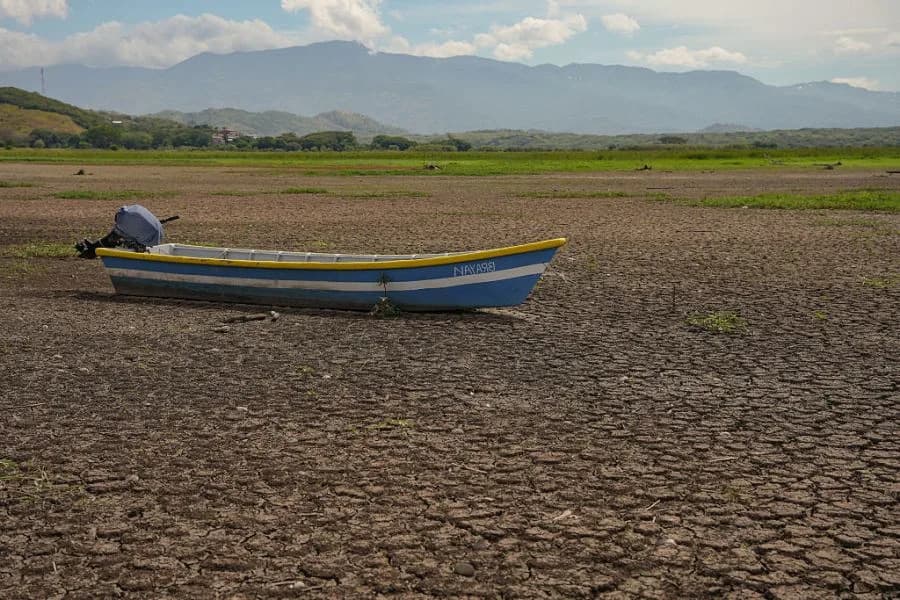
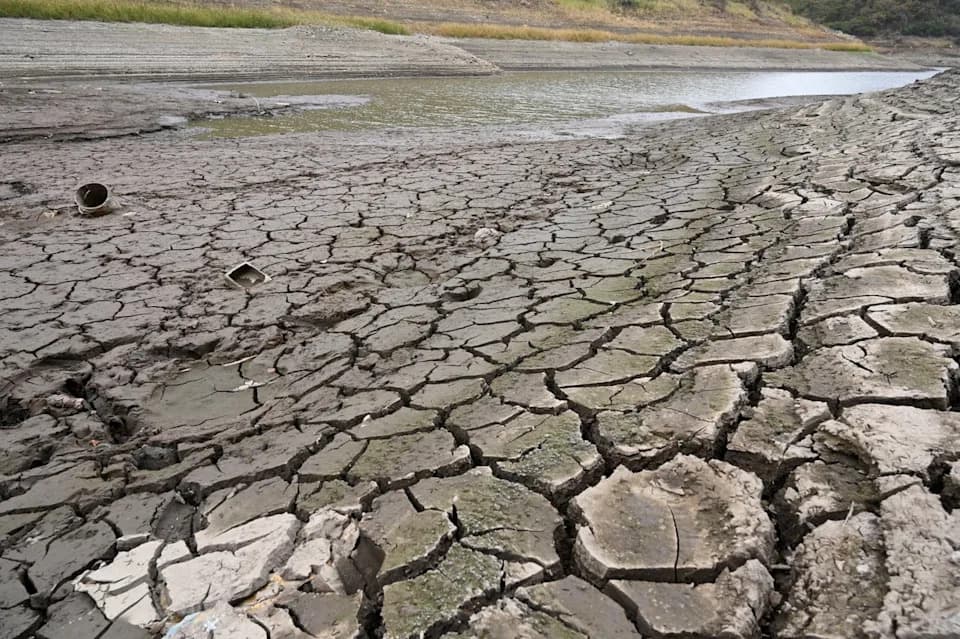
At El Chato in Bogotá, Alvaro Clavijo warned that water shortages are a critical threat after drought-driven rationing began affecting restaurants in 2024. Across regions, chefs highlighted that transportation delays, changing pest and pest-control dynamics, and shifting seasonal windows all increase costs and complicate menu planning.
Dominique Crenn, the San Francisco-based chef, summed up the sentiment: "El Niño is changing everything." For chefs, the immediate response has been practical—rewiring pantries, finding local substitutes and rethinking supply chains—while also trying to communicate the gravity of climate impacts to diners.
What This Means For Diners: Expect more seasonal menus, occasional substitutions, and creative alternatives as restaurants adapt. The culinary world’s pivot highlights a larger reality: climate-driven disruptions are cascading through food systems worldwide, affecting taste, tradition and the economics of dining.
Help us improve.