The BBC's new investigation reopens debate over the 2002 death of Ethel Hall and the 2008 convictions of nurse Colin Norris. New analysis points to possible syringe confusion on a busy ward and more recent research showing severe hypoglycaemia can occur naturally in frail elderly patients. Experts remain divided: prosecutors say refractory low blood sugar points to injected insulin, while defence and some clinicians say accident or natural collapse could explain the findings. The Court of Appeal dismissed Norris's latest appeal in June 2025, but some family members now call for a retrial to settle lingering doubts.
Murder Or Medical Mix-Up? Fresh Questions Over Nurse Colin Norris Case
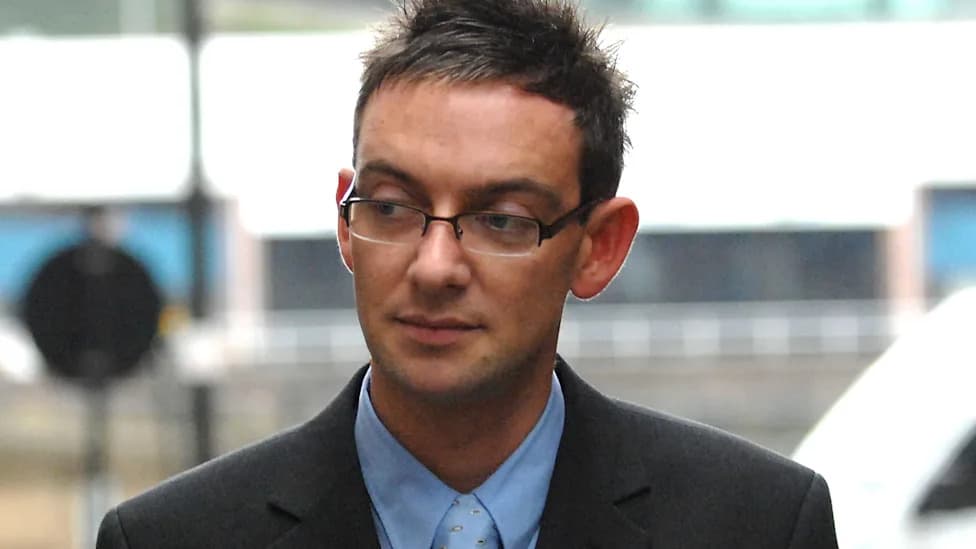
Colin Norris has been in prison for 18 years [PA Media]
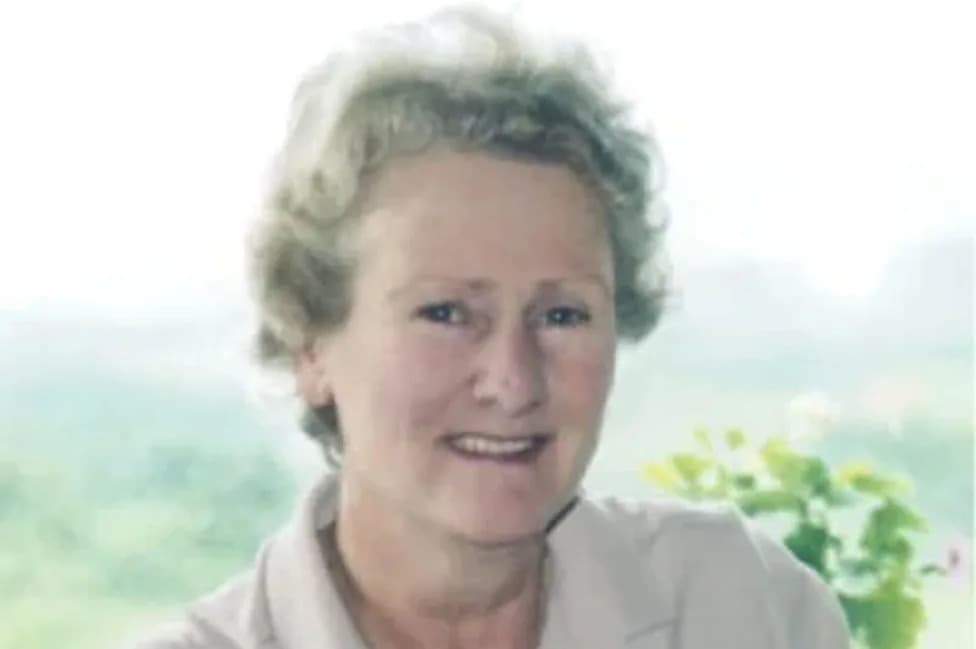
For nearly two decades the death of 86-year-old Ethel Hall has haunted her family and divided opinion across the UK. Convicted in 2008 of four murders and an attempted murder, former staff nurse Colin Norris has always insisted the deaths were not deliberate. A new BBC podcast, paired with subsequent reviews of medical records and scientific evidence, now raises fresh doubts about whether Ethel's collapse was caused by intentional insulin poisoning, an accidental syringe mix-up, or natural complications in a frail patient.

Ethel Hall was in hospital recovering from a broken hip [PA Media]
What Happened To Ethel Hall?
In 2002 Ethel was recovering from a fractured hip at a Leeds hospital when she was found in a hypoglycaemic coma at about 05:00. Clinicians drew blood samples; an immunoassay later showed a very high insulin concentration. Ethel died 21 days after the collapse, and her death triggered a murder investigation that eventually led to Colin Norris's conviction.
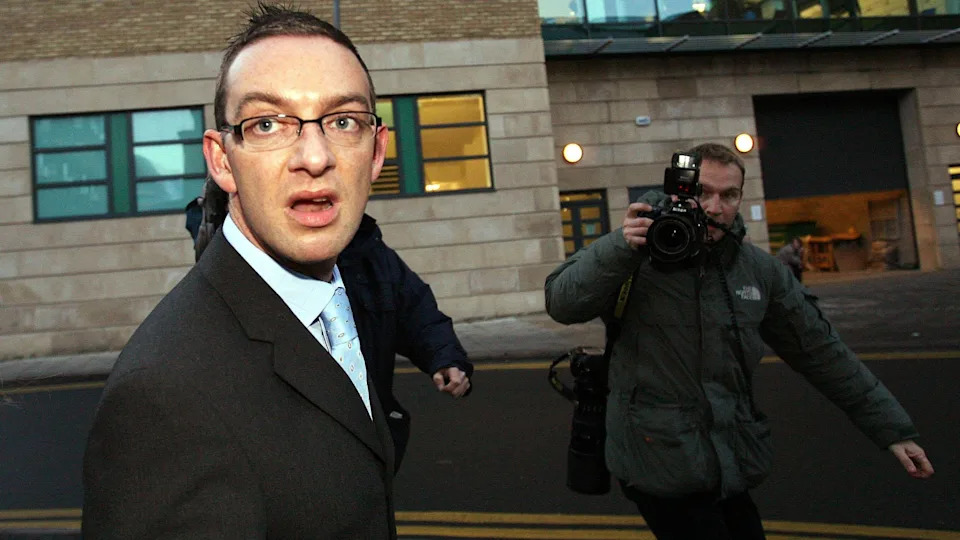
Colin Norris was convicted of four murders in 2008 [PA Media]
How The Investigation Expanded
Police carried out a retrospective review of deaths on wards where Norris had worked and identified three other unexplained severe hypoglycaemic deaths and one non-fatal collapse. No blood samples were available from those earlier episodes, but prosecution medical experts highlighted repeated low blood sugar readings in the patient charts and said such persistent hypoglycaemia in non-diabetics is exceptionally rare and therefore strongly suggestive of deliberate insulin administration.

Norris was found to have injected patients at Leeds General Infirmary and the city's St James's Hospital in 2002 [PA Media]
New Science And A Re-Examination
Over the years new scientific studies have shown that severe hypoglycaemia may be more common among frail, elderly patients—particularly those on antibiotics, opioids or other medicines that can affect blood sugar—than was once thought. Defence experts argued during Norris's long-running appeals that the clinical patterns recorded in several patients could occur naturally in vulnerable older people. Crown experts countered that the documented readings were refractory to treatment, repeatedly returning despite glucose therapy, a pattern they said was consistent with injected insulin.
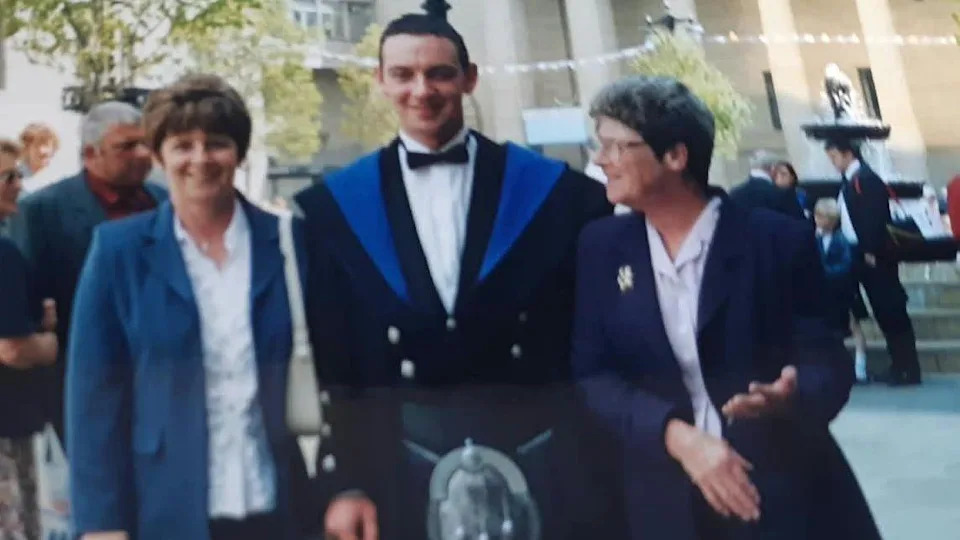
Colin Norris' mother June (left) said she will not stop seeking justice for her son [BBC]
The Syringe Mix-Up Theory
The BBC review uncovered contemporaneous ward notes and witness statements showing that, at the same time clinicians were treating Ethel, staff were preparing both dextrose (glucose) syringes and a separate insulin syringe for a diabetic patient elsewhere on the ward. A ward doctor had asked Norris to prepare an initial glucose injection at 06:15, and records indicate Norris then prepared a 50ml dextrose syringe and a 500ml dextrose bag for infusion. Another nurse had mixed insulin in a 50ml syringe for a different patient and asked Norris to check the dosage.

Ethel's son Stuart said after the verdict that Norris should never be released [PA Media]
Could the syringes have been accidentally swapped? Endocrinologist Professor Joel Zonszein told the BBC that a modest, accidental insulin dose given before the blood sample could produce the high laboratory insulin readings while subsequent dextrose infusion might mask immediate bedside signs. He also said excess dextrose itself would not explain a rapid coma, highlighting the clinical complexity around timing and diagnosis.
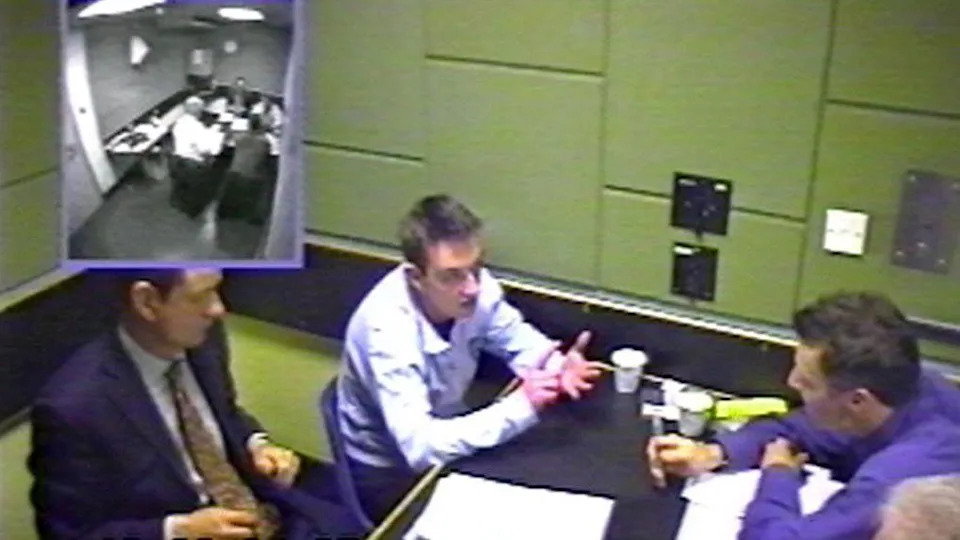
Colin Norris was questioned by West Yorkshire Police over the deaths [PA Media]
Remaining Questions And Legal Outcome
The Court of Appeal dismissed Norris's most recent challenge in June 2025, with judges saying they had no doubt about the safety of the convictions. Norris's legal team has applied to the European Court of Human Rights; that process could take years. Family members remain divided: some of Ethel's relatives want a retrial to resolve lingering doubts, while others remain convinced of Norris's guilt.
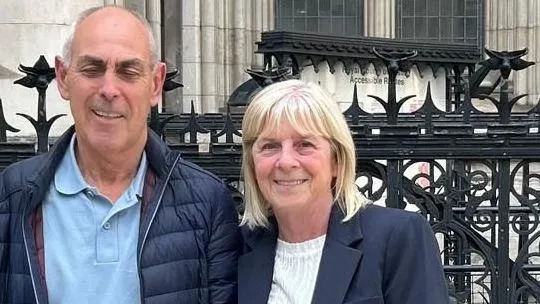
Norris's mum June and stepdad Raymond went to court to watch the appeal last year [BBC]
"The evidence, it's just not sitting right to me," said Ethel's daughter-in-law Helen Hall, reflecting the uncertainty that persists even after lengthy legal review.
This case highlights the intersection of evolving medical science, complex hospital practice, and the high burden of proof in criminal trials. Whether the truth is deliberate harm, tragic human error, or an understandable medical collapse in a vulnerable patient remains the central unresolved question.
Help us improve.