An anonymous senior NHS leader told The Telegraph he believes Lucy Letby was scapegoated and that systemic failures — not a lone killer — better explain the neonatal deaths at the Countess of Chester. He points to consultant groupthink, unsafe admissions of very sick infants, and shifting policy incentives as drivers of harm. The Thirlwall inquiry found safeguarding and system failures, and Letby’s case is now under review by the CCRC while police and prosecutors stand by the convictions.
Senior NHS Leader Says Letby Was 'Scapegoated' — Blames Consultant Groupthink and System Failures
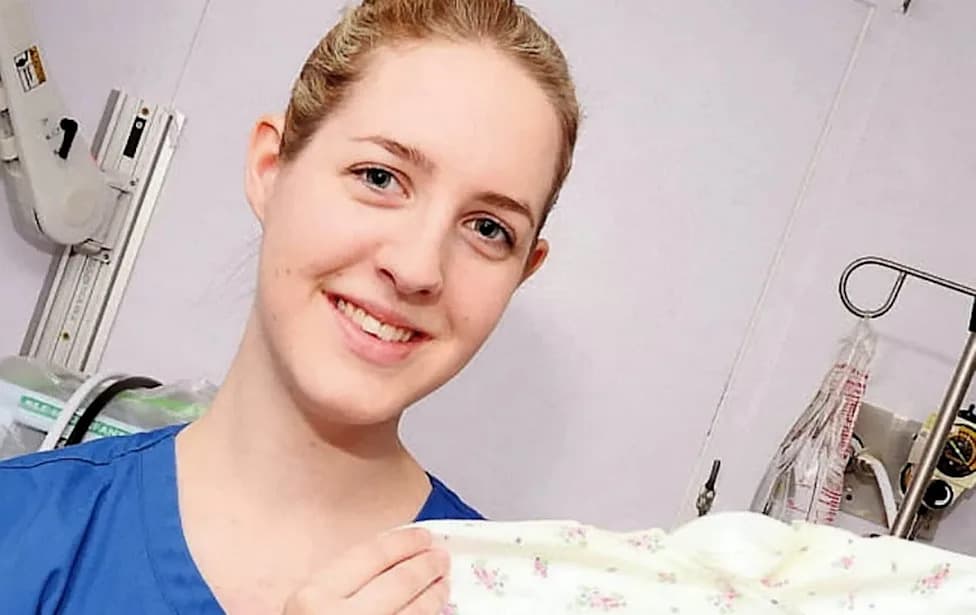
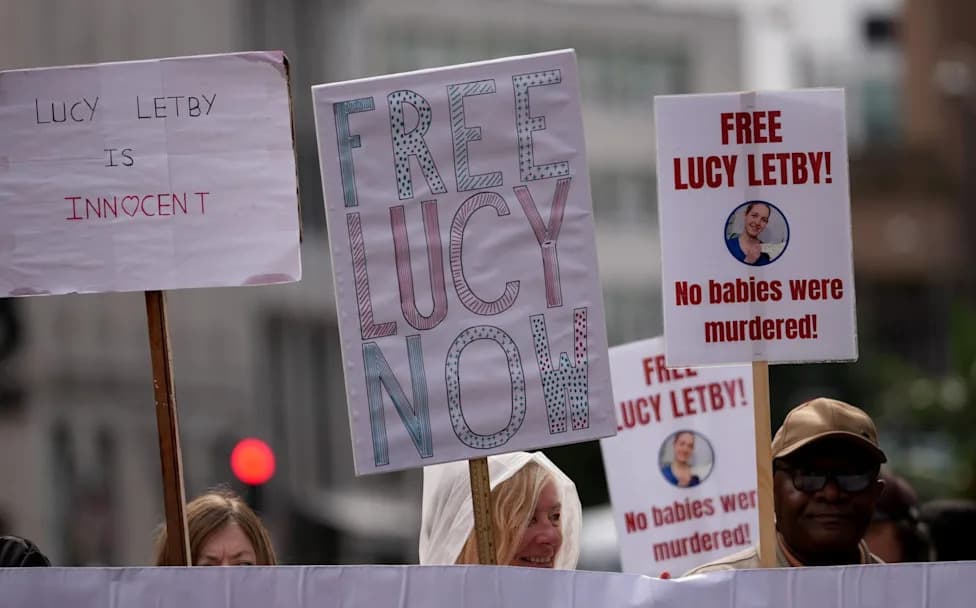
Lucy Letby has continued to insist she is innocent of any wrongdoing - Chester Standard/SWNS.com
An anonymous senior NHS leader with more than 30 years' experience has told The Telegraph he believes Lucy Letby was made a scapegoat and that systemic failures in neonatal care — not a deliberate killer — better explain the deaths at the Countess of Chester Hospital.

Lady Justice Thirlwall issued the findings of her inquiry into the Letby case last week - via Getty Images/Thirlwall Inquiry
Key Claims From Anonymised NHS Executive
The executive, whose identity has been verified by the newspaper, said he does not believe Letby murdered the infants and argued that the Thirlwall inquiry began from the wrong premise by treating the events primarily as a case of murder rather than a case of systemic failure. Letby, 36, is serving multiple whole-life terms after being convicted of murdering seven infants and attempting to murder seven more in 2015–16.
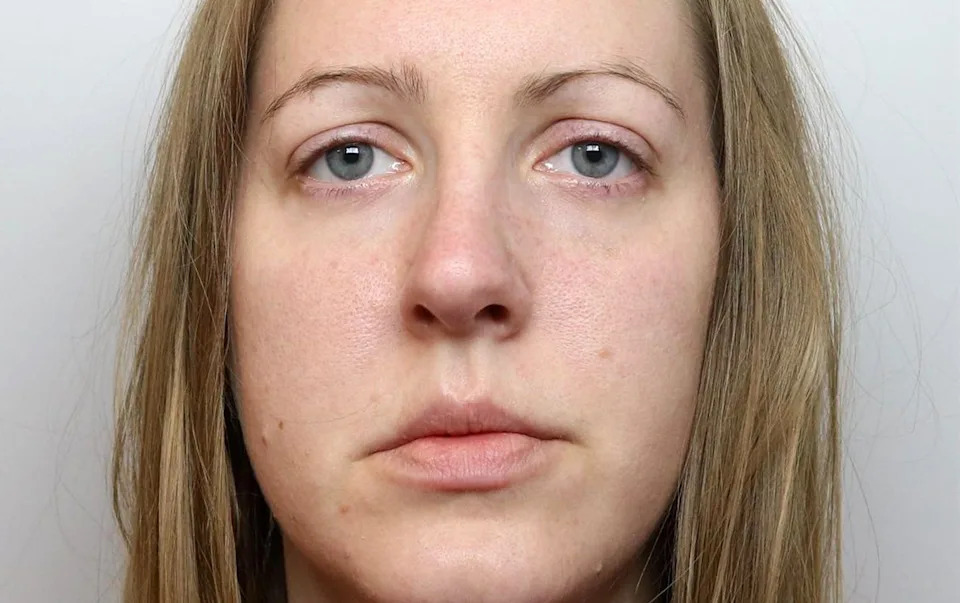
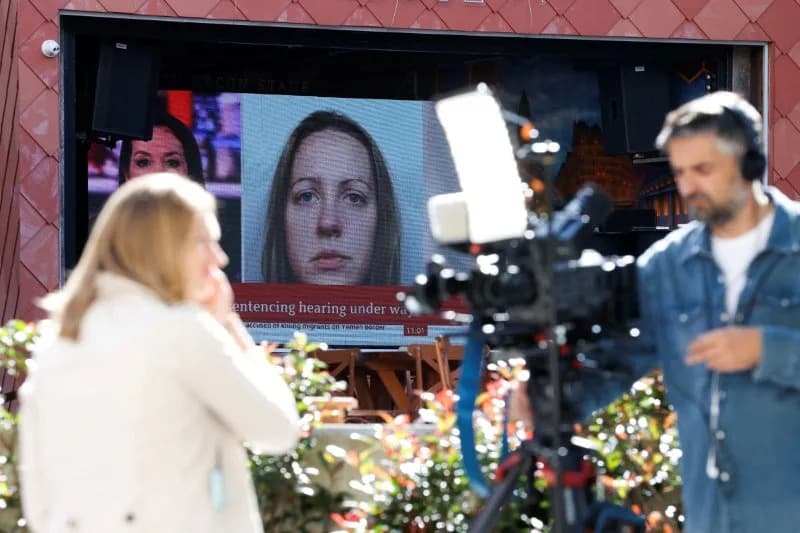
The custody photograph of Lucy Letby taken after her arrest in 2020 - AFP via Getty Images/Cheshire Constabulary
"What I see is a unit caring for babies who were sicker than the teams working there were competent to manage. I see a team too confident in its own standing to admit that."
Culture, Capacity and Policy
The leader identified two interlinked problems: medical culture and the broader structure of the NHS. He said medical training and professional hierarchies can foster entitlement, defensiveness and "closed circles" of consultants who confer mostly among themselves — a dynamic that can harden suspicion into conviction without properly considering alternative explanations.
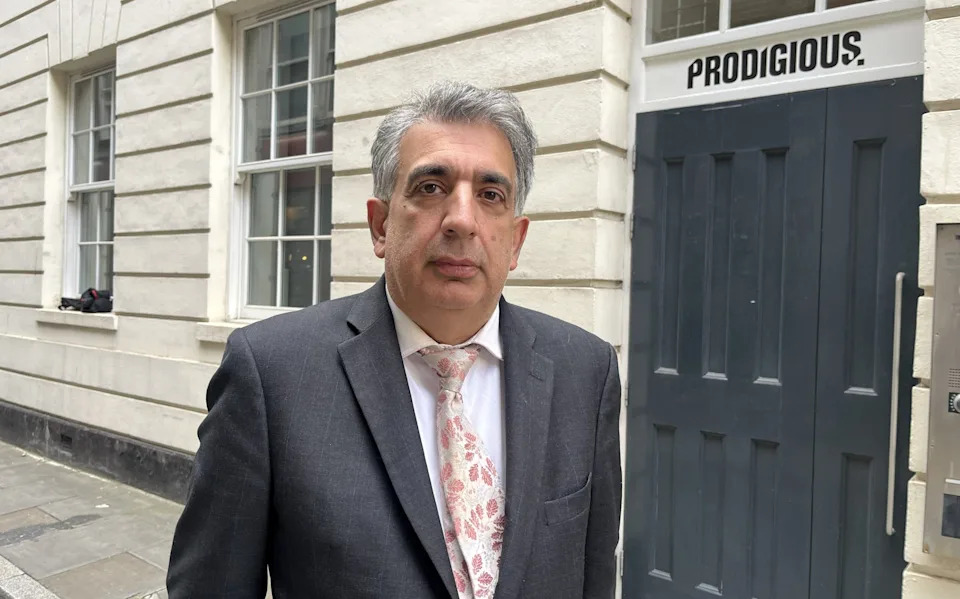
Mark McDonald, the criminal barrister who led Letby's unsuccessful appeal - PA Wire/Nick Willoughby
He also criticised frequent strategic shifts, target-driven incentives and payment mechanisms for diverting attention toward operational and financial metrics rather than clinical outcomes. Taken together, he argued, these factors can produce unsafe services and poor clinical decisions.
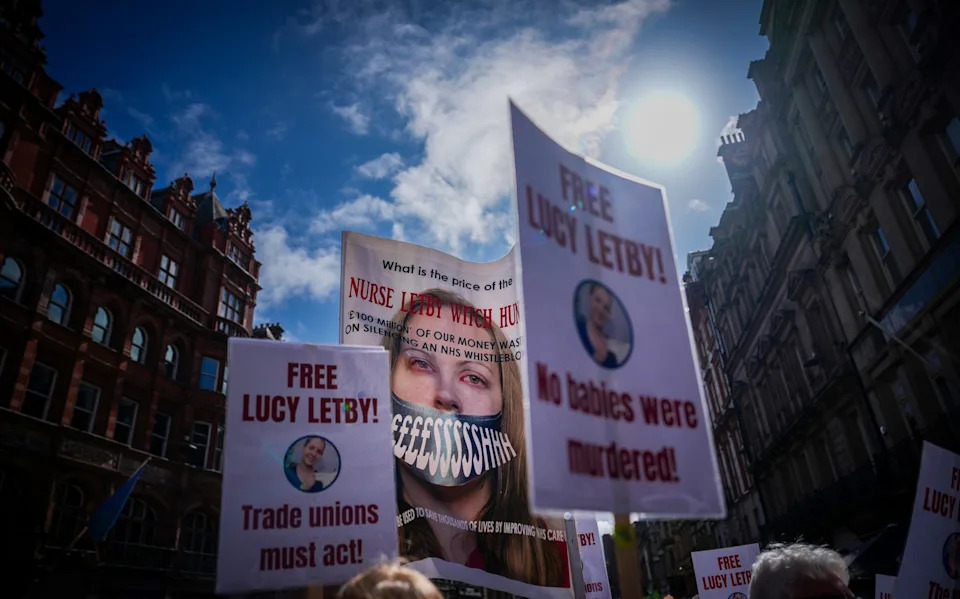
The senior NHS manager has added his voice to those who believe that Lucy Letby was unfairly convicted - Getty Images/Christopher Furlong
Evidence Cited
The article notes that consultants at the Countess of Chester first raised concerns because Letby was present at many of the collapses and deaths. However, defence-instructed international experts told a separate panel that several babies suffered poor medical care and that there were a number of medical mishaps during the period under review. For example, a 2015 inquest found that baby Noah Robinson died after clinicians incorrectly placed a breathing tube into his gullet.
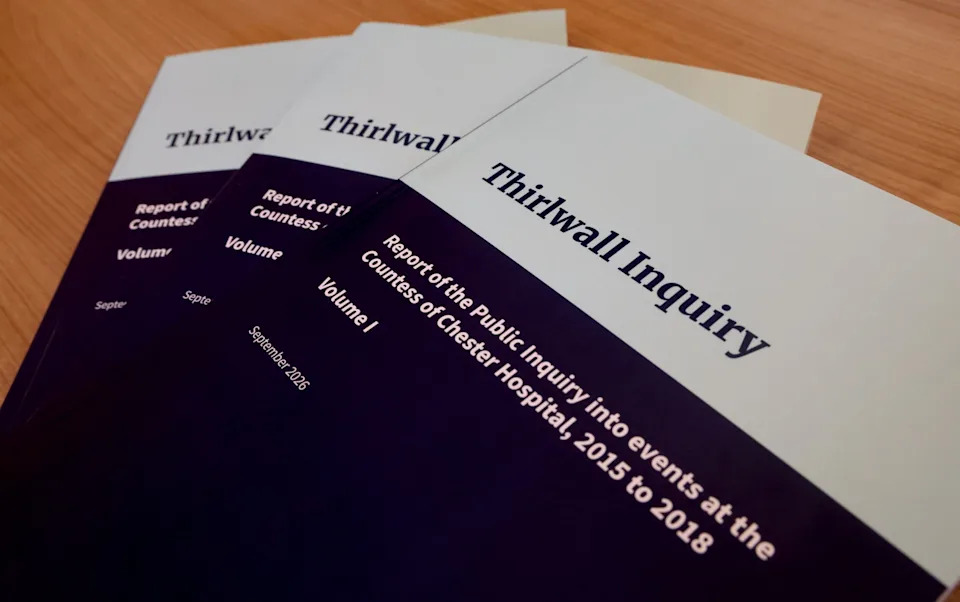
The Thirlwall inquiry began from the wrong assumption, the NHS boss believes - via Getty Images/Thirlwall Inquiry
In June 2016 the hospital’s neonatal unit was downgraded so it no longer admitted the most vulnerable newborns. The executive argued the subsequent fall in deaths and incidents likely reflected better matching of patient acuity to staff competence, not solely the removal of one member of staff. Prosecutors, however, say the improvement followed Letby’s removal from the ward.
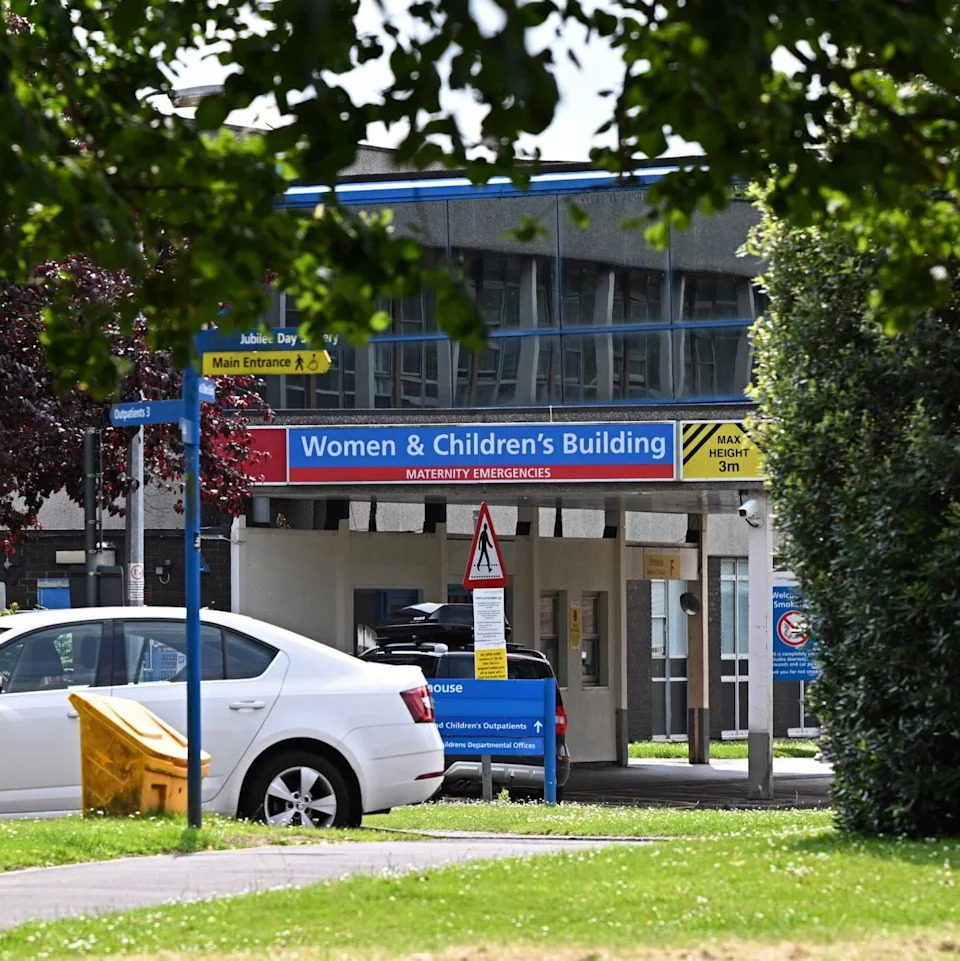
The Countess of Chester Hospital - AFP via Getty Images/Oli Scarff
Accountability And Next Steps
The senior NHS leader stressed that he understands the pain of bereaved families and the need for answers and accountability. He said, however, that blaming an individual risks missing the systemic reforms needed to prevent further harm.
Letby’s case is under review by the Criminal Cases Review Commission (CCRC), which will consider potential miscarriages of justice; it is expected to report before Christmas. Cheshire Constabulary and the Crown Prosecution Service continue to stand by the original convictions: two juries found Letby guilty, and three Court of Appeal judges refused leave to appeal after reviewing the evidence.
Conclusion
Whether readers accept the anonymous leader’s reinterpretation or view the convictions as sound, the piece underscores broader questions about medical culture, organisational incentives and how health systems detect and respond to avoidable harm. The author calls for reforms in medical education, leadership and policy stability to reduce future risks to patients.
Help us improve.